2026 Federal Grants for Community Clean Energy Projects: Beyond Tax Credits
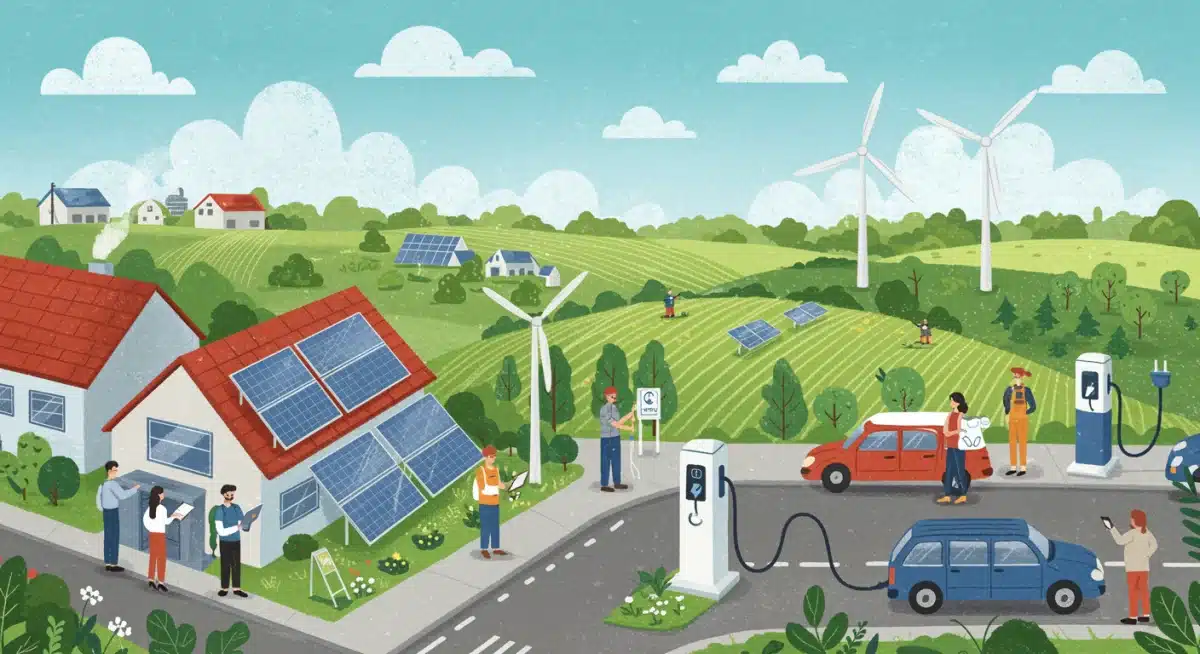
The 2026 federal grants for community clean energy projects offer significant non-repayable financial assistance, empowering local initiatives to advance sustainable energy solutions and reduce reliance on fossil fuels across the United States.
Are you looking to power your community with sustainable energy but find traditional tax credits insufficient? In 2026, the landscape of funding for renewable initiatives is expanding significantly. This article delves into the exciting realm of 2026 Federal Clean Energy Grants, moving beyond the familiar territory of tax incentives to explore direct financial support for community-driven projects across the United States.
Understanding the Shift: Why Grants Over Tax Credits?
The federal government’s approach to clean energy funding is evolving, with a noticeable pivot towards direct grants for community projects. While tax credits remain valuable, grants offer upfront capital, which can be critical for organizations lacking the initial funds to leverage tax benefits effectively. This shift acknowledges that direct financial injections can accelerate project development and implementation, especially in underserved areas.
Grants often come with specific objectives, targeting areas such as energy equity, grid modernization, and technological innovation. They serve as a powerful tool to stimulate growth and ensure that the benefits of clean energy are accessible to all communities, not just those with immediate capital or tax liability. This strategic move aims to foster a more inclusive and rapid transition to a sustainable energy future.
The Strategic Advantage of Direct Funding
Direct funding through grants provides several key advantages that tax credits may not. It removes the burden of upfront costs and the need for significant tax obligations to realize the benefits. This is particularly impactful for non-profits, municipal entities, and smaller community groups who may not have large taxable incomes.
- Immediate Capital: Grants provide funds at the outset, enabling projects to begin without delay.
- Broader Eligibility: Many grants are designed to support a wider range of organizations and initiatives.
- Targeted Impact: Funds can be directed to specific community needs, such as energy resilience or job creation.
- Reduced Financial Risk: As non-repayable funds, grants lower the financial risk for project developers.
In essence, the move towards grants signifies a recognition that a diverse funding portfolio is necessary to achieve ambitious clean energy goals. It’s about empowering communities directly to build their clean energy future.
Key Federal Agencies Offering Clean Energy Grants in 2026
Several federal agencies are at the forefront of distributing clean energy grants in 2026, each with distinct mandates and focus areas. Understanding which agency aligns with your project’s goals is the first step toward securing funding. These agencies leverage their expertise to support a wide array of initiatives, from research and development to direct community implementation.
The Department of Energy (DOE), Environmental Protection Agency (EPA), and the Department of Agriculture (USDA) are prominent players. Each offers unique programs tailored to different aspects of the clean energy transition, from urban renewable installations to rural energy efficiency improvements. Staying informed about their specific solicitations is crucial for potential applicants.
Department of Energy (DOE) Initiatives
The DOE is a cornerstone of federal clean energy funding, often spearheading large-scale research, development, and deployment programs. In 2026, their grant portfolio is expected to emphasize grid modernization, advanced renewable technologies, and energy storage solutions. They frequently fund projects that demonstrate innovative approaches to energy challenges.
- Grid Modernization Grants: Support projects enhancing grid resilience, reliability, and cybersecurity.
- Renewable Energy Deployment: Funding for the installation of solar, wind, geothermal, and hydropower systems.
- Energy Storage Solutions: Grants for developing and deploying advanced battery and other storage technologies.
Environmental Protection Agency (EPA) Programs
The EPA focuses on clean energy initiatives that also yield significant environmental benefits, such as reducing air pollution and mitigating climate change. Their grants often support community-based projects that promote environmental justice and sustainable practices, integrating clean energy with broader ecological goals.
Department of Agriculture (USDA) Rural Energy Grants
For rural communities, the USDA offers vital grant programs aimed at improving energy efficiency and promoting renewable energy adoption. These programs are designed to support agricultural producers and rural small businesses, ensuring that clean energy benefits extend beyond urban centers.
Identifying the right federal agency and program involves careful research into their mission, past funding priorities, and current solicitations. Each agency provides detailed guidelines and application procedures, which applicants must meticulously follow to increase their chances of success.
Eligibility Criteria for 2026 Federal Clean Energy Grants
Navigating the eligibility requirements for federal grants can be complex, but understanding the common threads across various programs is essential. While specific criteria vary by grant, there are general prerequisites that most applicants must meet. These often revolve around organizational status, project type, and the demonstrated impact on the community.
Typically, eligible entities include state and local governments, tribal nations, non-profit organizations, educational institutions, and sometimes private businesses collaborating with community partners. The projects themselves must align with the grant’s objectives, such as promoting renewable energy, enhancing energy efficiency, or fostering energy equity.
Common Applicant Requirements
Most federal grants require applicants to be legally constituted entities with a clear organizational structure. This often includes having a tax ID number, established financial management systems, and a track record of successful project execution or a strong proposal plan.
- Legal Entity Status: Applicants must be an officially recognized organization.
- Financial Capacity: Demonstration of sound financial management practices.
- Project Alignment: The proposed project must directly address the grant’s stated goals.
- Community Benefit: Projects should clearly show how they will benefit the local community.
Project-Specific Criteria
Beyond organizational eligibility, the nature of the proposed clean energy project is paramount. Grants often prioritize projects that are innovative, scalable, and demonstrate a clear path to sustainability. Considerations like technological readiness, environmental impact, and economic viability are frequently evaluated.
Furthermore, many grants emphasize community engagement and partnership. Projects that involve local stakeholders, create jobs, or provide educational opportunities often receive favorable consideration. Understanding these nuanced requirements and tailoring your proposal accordingly is key to a successful application.
Crafting a Winning Grant Proposal for Community Projects
Securing a federal clean energy grant requires a meticulously crafted proposal that effectively communicates your project’s value and feasibility. A strong proposal goes beyond merely outlining project activities; it tells a compelling story of community benefit, innovation, and sustainability. It must address all aspects of the solicitation and demonstrate a clear understanding of the grant’s objectives.
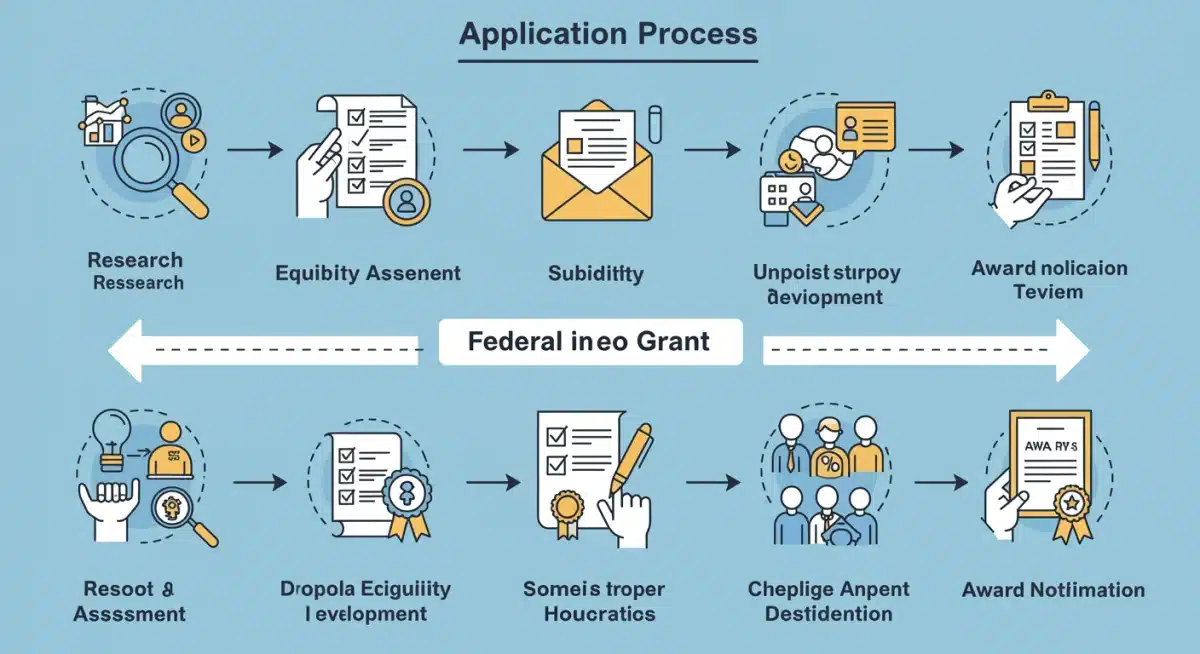
The process typically involves several key components, including an executive summary, a detailed project description, a budget, and a plan for evaluation and sustainability. Each section must be well-researched, clearly written, and persuasive, providing reviewers with a comprehensive understanding of your project.
Essential Proposal Components
A typical federal grant proposal will include sections that detail the problem your project addresses, the proposed solution, expected outcomes, and how success will be measured. Clarity and conciseness are vital, as reviewers often have limited time to assess each application.
- Executive Summary: A concise overview highlighting the project’s purpose, goals, and expected impact.
- Project Description: Detailed explanation of activities, methodology, and timeline.
- Budget Justification: A clear breakdown of costs and how grant funds will be utilized.
- Evaluation Plan: Metrics and methods for tracking progress and measuring success.
Tips for a Standout Application
To make your proposal stand out, emphasize the unique aspects of your project, its potential for replication, and its alignment with federal priorities like energy equity and economic development. Quantify expected outcomes whenever possible, showing concrete benefits to the community.
Collaboration is also a powerful element. Highlighting partnerships with local organizations, businesses, or academic institutions can demonstrate broad community support and enhance the project’s credibility. Thoroughly proofread and seek feedback before submission to ensure a polished and error-free application.
Impact and Benefits of Federal Grants on Local Communities
Federal grants for clean energy projects offer transformative benefits that extend far beyond the immediate installation of renewable technologies. These funds act as catalysts, spurring local economic growth, creating new job opportunities, and improving public health. They empower communities to take ownership of their energy future, fostering resilience and self-sufficiency.
The ripple effect of these grants is substantial. They can lead to reduced energy costs for residents, cleaner air, and the development of a skilled local workforce in the green energy sector. Furthermore, successful projects serve as models, inspiring other communities to pursue similar initiatives and accelerating the national transition to clean energy.
Economic and Environmental Advantages
From an economic standpoint, grants stimulate local economies by funding procurement of materials, hiring local labor, and supporting related services. Environmentally, they contribute to a significant reduction in greenhouse gas emissions and reliance on fossil fuels, leading to cleaner air and water.
- Job Creation: Development of skilled jobs in installation, maintenance, and manufacturing.
- Cost Savings: Lower energy bills for residents and businesses through efficient systems.
- Reduced Emissions: Improvement in local air quality and a decrease in carbon footprint.
- Energy Independence: Greater control over local energy production and reduced vulnerability to market fluctuations.
Social Equity and Community Empowerment
Many 2026 federal grants prioritize projects in disadvantaged communities, aiming to address historical energy inequities. This focus ensures that the benefits of clean energy, such as lower utility bills and improved health outcomes, are accessible to all, promoting a more just and equitable energy transition.
Empowering communities to plan, implement, and manage their own clean energy projects fosters a sense of ownership and builds local capacity. This not only ensures the long-term success of the projects but also strengthens community bonds and promotes local leadership in sustainable development.
Future Outlook: Trends in Federal Clean Energy Funding Post-2026
The landscape of federal clean energy funding is dynamic, continually evolving to meet new technological advancements, economic shifts, and climate goals. Looking beyond 2026, several key trends are anticipated to shape future grant programs. These trends suggest a continued emphasis on innovation, community impact, and strategic investment in critical areas of the clean energy transition.
We can expect an increased focus on integrated energy systems, such as microgrids and smart grids, alongside persistent support for emerging technologies like advanced geothermal and carbon capture. The federal government will likely continue to prioritize projects that deliver multiple benefits, including economic development, environmental justice, and resilience to climate impacts.
Emerging Priorities in Funding
Future grant programs are likely to emphasize holistic approaches that integrate various clean energy solutions with broader infrastructure development. This includes funding for projects that combine renewable generation with energy storage, electric vehicle charging infrastructure, and energy efficiency upgrades.
- Integrated Energy Systems: Support for microgrids and distributed energy resources.
- Advanced Technologies: Continued investment in nascent clean energy innovations.
- Climate Resilience: Funding for projects that enhance community resilience to extreme weather events.
- Workforce Development: Grants for training programs to build a skilled clean energy workforce.
The Role of Public-Private Partnerships
As the clean energy sector matures, public-private partnerships are expected to play an increasingly vital role in funding and deploying large-scale projects. Federal grants may increasingly be designed to leverage private investment, maximizing the impact of public funds and accelerating the pace of clean energy deployment.
Furthermore, there will likely be a sustained focus on data-driven decision-making, with grants requiring robust data collection and reporting to demonstrate impact and inform future policy. Staying abreast of these evolving trends will be crucial for communities and organizations planning their long-term clean energy strategies.
| Key Aspect | Description |
|---|---|
| Grant Advantage | Offers upfront, non-repayable capital, crucial for project initiation. |
| Key Agencies | DOE, EPA, and USDA are primary sources for clean energy grants. |
| Eligibility Focus | Varies by grant, but typically includes governments, non-profits, and tribal entities. |
| Impact & Benefits | Drives economic growth, creates jobs, and enhances energy equity. |
Frequently Asked Questions About 2026 Federal Clean Energy Grants
A federal grant provides direct, non-repayable financial assistance upfront, ideal for organizations needing immediate capital. A tax credit reduces the amount of tax owed, typically realized after project completion and requiring sufficient tax liability to be fully utilized.
Eligibility often includes state and local governments, tribal nations, non-profit organizations, educational institutions, and sometimes for-profit businesses collaborating with community partners. Specific criteria depend on the individual grant program and its objectives.
Start by researching federal agency websites like the DOE, EPA, and USDA. Look for programs whose mission and priorities align directly with your project’s goals. Review current solicitations and their detailed eligibility criteria and application guidelines carefully.
A successful proposal includes a compelling executive summary, a detailed project description, a justified budget, and a robust evaluation plan. It must clearly demonstrate community benefit, innovation, and alignment with the grant’s objectives, emphasizing measurable outcomes.
These grants lead to significant long-term benefits, including job creation, reduced energy costs for residents, improved public health through cleaner air, enhanced energy independence, and increased community resilience to climate change impacts, fostering sustainable local development.
Paving the Way for a Sustainable Future
The availability of 2026 Federal Clean Energy Grants marks a critical juncture in the nation’s journey towards a sustainable future. By moving beyond traditional tax credits, these grants provide direct, accessible funding that can catalyze transformative change at the community level. They empower a diverse range of organizations to implement innovative clean energy solutions, fostering economic growth, environmental health, and energy equity. As we look ahead, the continued evolution of these funding mechanisms promises to accelerate the transition to a cleaner, more resilient energy landscape for all.