Clean Energy Jobs Report: 50,000+ New Positions in 3 Months
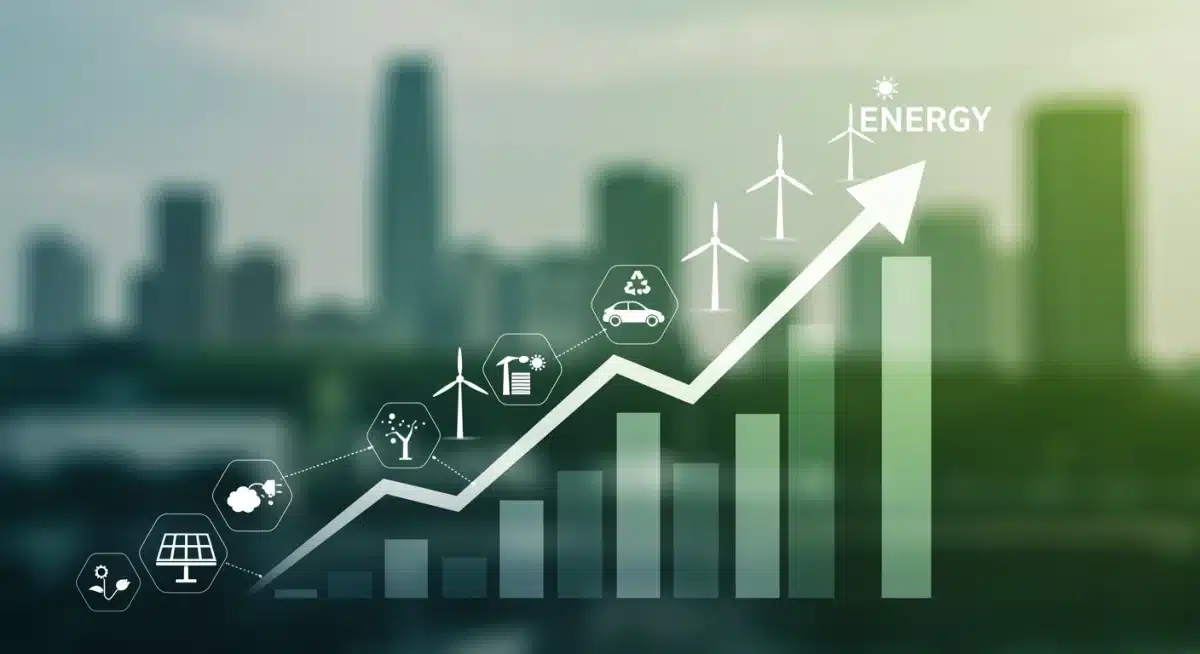
The latest clean energy jobs report indicates a remarkable expansion, detailing the creation of over 50,000 new positions within the last three months, signaling a robust and dynamic growth trajectory for the sector.
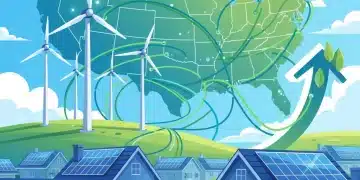
The landscape of employment in the United States is constantly evolving, and a recent development has particularly captured attention: the latest clean energy jobs report, which highlights the creation of over 50,000 new positions in just the last three months. This significant surge underscores the rapid expansion of the clean energy sector and its increasing role as a major economic driver. What does this growth mean for the future of work, and how are these new opportunities shaping communities nationwide?
Understanding the Clean Energy Jobs Surge
The recent announcement of over 50,000 new clean energy jobs is more than just a statistic; it represents a tangible shift in the American economy. This growth is driven by a combination of factors, including technological advancements, supportive government policies, and increasing consumer demand for sustainable solutions. As the nation continues to prioritize environmental stewardship and energy independence, the clean energy sector is emerging as a critical engine for job creation and economic prosperity.
This expansion isn’t confined to a single area but spans a diverse range of industries, from renewable energy generation to energy efficiency and sustainable transportation. The ripple effect of these new jobs extends far beyond the immediate positions, stimulating local economies through increased spending, new business opportunities, and a demand for skilled labor. Understanding the underlying drivers of this growth is crucial for appreciating its long-term implications for the workforce and the broader economy.
Key Drivers of Job Creation
Several factors are converging to propel the clean energy job market forward. Policy initiatives, such as tax credits and incentives for renewable energy projects, play a significant role in making these ventures more financially viable. Additionally, ongoing innovations in solar, wind, and battery storage technologies are continually lowering costs and improving efficiency, making clean energy more competitive with traditional fossil fuels.
- Government Incentives: Federal and state policies are actively promoting investment in renewable energy and energy efficiency, creating a stable environment for growth.
- Technological Advancements: Breakthroughs in energy storage, smart grid technologies, and advanced materials are expanding the possibilities for clean energy applications.
- Consumer Demand: A growing awareness of climate change and a desire for sustainable living are driving consumer and corporate demand for green products and services.
These drivers collectively contribute to a robust ecosystem where innovation thrives, investments flow, and new jobs are consistently created. The synergy between policy, technology, and market demand is establishing a strong foundation for sustained growth in the clean energy sector.
Sector-Specific Contributions to Job Growth
The impressive increase in clean energy employment is not uniform across all segments; rather, specific sectors are demonstrating particularly strong performance. Solar energy, wind power, and energy efficiency remain leading contributors to job creation, but emerging areas like electric vehicle infrastructure and green manufacturing are also showing significant promise. This diversification highlights the broad scope of opportunities within the clean energy economy.
Each sector brings its unique set of job roles, from engineers and technicians to project managers and sales professionals, illustrating the wide array of skills now in demand. The interconnectedness of these sectors also means that growth in one area often stimulates growth in another, creating a dynamic and resilient job market. Examining these contributions helps paint a clearer picture of where the new jobs are emerging.
Solar and Wind Energy Dominance
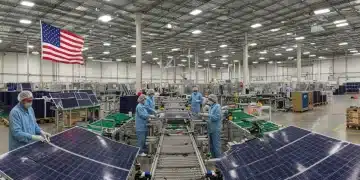
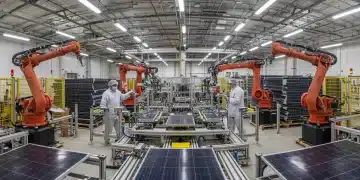
Solar and wind energy continue to be powerhouses in the clean energy job market. The deployment of new utility-scale solar farms and onshore and offshore wind projects requires a substantial workforce for manufacturing, installation, operations, and maintenance. These sectors have matured significantly, offering stable, long-term employment opportunities.
- Solar Energy: Jobs in solar include installers, manufacturing workers, sales representatives, and project developers, contributing significantly to distributed generation and utility-scale projects.
- Wind Energy: The wind sector employs turbine technicians, engineers, construction workers, and logistics personnel, supporting both land-based and offshore wind farms.
The sustained investment in these foundational renewable energy sources ensures a continuous demand for skilled labor, making them critical pillars of the clean energy jobs report. Their continued expansion is central to meeting national energy goals and creating enduring employment.
Regional Impact and Economic Benefits
The creation of over 50,000 clean energy jobs is having a profound regional impact across the United States. States with supportive policies and abundant natural resources, such as strong solar irradiance or consistent wind patterns, are often at the forefront of this job growth. However, the benefits are not limited to these regions; manufacturing jobs, research and development roles, and service positions are emerging in diverse geographic areas.
Economically, these jobs contribute to local tax bases, increase household incomes, and attract further investment into communities. The clean energy sector often provides higher-than-average wages, offering attractive career paths for workers transitioning from other industries or entering the workforce. This economic revitalization is a key benefit of the ongoing clean energy transition.
Boosting Local Economies
The economic benefits of clean energy job growth extend deep into local communities. New projects often require local labor and materials, funneling money directly back into the economy. This localized spending supports small businesses, creates demand for housing, and strengthens public services, fostering a cycle of prosperity.
- Increased Tax Revenue: New businesses and higher employment rates contribute to local and state tax revenues, funding essential public services.
- Higher Wages: Many clean energy jobs offer competitive wages, improving the financial well-being of workers and their families.
- Community Development: Investment in clean energy infrastructure can stimulate broader community development, attracting other industries and improving quality of life.
The localized economic benefits underscore the importance of supporting clean energy initiatives, as they provide a pathway to sustainable economic growth and resilience for regions across the nation.
Challenges and Opportunities in Workforce Development
While the clean energy jobs report paints an optimistic picture, the rapid growth also presents challenges, particularly in workforce development. Ensuring a sufficient supply of skilled workers to fill these new positions requires strategic investments in training, education, and apprenticeship programs. Bridging the skills gap is crucial for sustaining the industry’s momentum and maximizing its job-creating potential.
However, these challenges also present significant opportunities for educational institutions, vocational schools, and industry partnerships to innovate and adapt. Developing curricula that meet the evolving needs of the clean energy sector can create clear pathways for individuals seeking rewarding careers in a growing field. Addressing these issues proactively will be vital for the continued success of the clean energy transition.
Addressing the Skills Gap
The demand for specialized skills in areas such as renewable energy technology, grid modernization, and energy management often outpaces the current availability of trained professionals. This skills gap necessitates targeted educational and training initiatives to prepare the workforce for the jobs of today and tomorrow.
- Vocational Training: Programs focusing on hands-on skills for solar panel installation, wind turbine maintenance, and EV charger technicians are essential.
- Higher Education Programs: Universities are developing degrees and certifications in renewable energy engineering, sustainable development, and environmental policy.
- Apprenticeships: Industry-led apprenticeship programs provide on-the-job training and mentorship, helping new workers gain practical experience and certifications.
Investing in robust workforce development programs is not only crucial for the clean energy sector but also offers significant opportunities for individuals to acquire valuable skills and secure stable employment in a future-proof industry. This proactive approach ensures a steady pipeline of talent.

The Role of Policy and Investment
Government policy and private investment are inextricably linked to the trajectory of clean energy job growth. Supportive legislation, such as the Inflation Reduction Act, provides long-term certainty for businesses, encouraging investment in new projects and technologies. Similarly, venture capital and corporate investments are fueling innovation and scaling up successful clean energy solutions. The interplay between these forces is critical for sustaining the sector’s expansion.
A stable regulatory environment and access to capital enable companies to plan for the future, commit to large-scale projects, and expand their workforces. Without consistent policy signals and robust financial backing, the pace of job creation could falter. Therefore, understanding the impact of policy and investment is key to analyzing the overall health and future prospects of the clean energy job market.
Catalyzing Growth Through Legislation
Major legislative acts have been instrumental in accelerating the clean energy transition and, by extension, job creation. These policies often include tax credits, grants, and loan programs designed to reduce the financial risk for developers and manufacturers, making clean energy projects more attractive.
- Tax Credits: Investment Tax Credits (ITCs) and Production Tax Credits (PTCs) significantly reduce the cost of renewable energy projects, spurring development.
- Grant Programs: Government grants support research and development, as well as the deployment of innovative clean energy technologies.
- Permitting Streamlining: Efforts to simplify and accelerate the permitting process for clean energy infrastructure projects can reduce delays and costs, encouraging faster deployment.
These legislative frameworks create a fertile ground for investment and innovation, directly translating into the creation of thousands of new jobs across the clean energy supply chain. Continued policy support is essential for maintaining this growth trajectory.
Future Outlook for Clean Energy Employment
The future outlook for clean energy employment in the United States remains overwhelmingly positive. Projections indicate continued robust growth, driven by ongoing decarbonization efforts, advancements in technology, and increasing global demand for sustainable energy solutions. The sector is expected to remain a leading source of new jobs for decades to come, offering diverse career paths and contributing significantly to economic resilience.
As the nation progresses towards its climate goals, the clean energy workforce will play an increasingly vital role. This includes not only direct employment in renewable energy but also jobs in related fields such as smart grid development, energy storage, hydrogen production, and carbon capture technologies. The expanding scope of clean energy will ensure a dynamic and evolving job market, full of new opportunities and challenges.
Emerging Job Trends
Beyond the established renewable energy sectors, several emerging trends are poised to create new waves of clean energy jobs. These nascent areas often require highly specialized skills and offer exciting opportunities for innovation and career advancement. Staying abreast of these trends is crucial for individuals and policymakers alike.
- Green Hydrogen: The development of green hydrogen as a clean fuel source is expected to create jobs in production, distribution, and industrial applications.
- Carbon Capture, Utilization, and Storage (CCUS): As a critical technology for hard-to-decarbonize industries, CCUS will require engineers, scientists, and project managers.
- Grid Modernization: Upgrading and digitalizing the electricity grid will create demand for smart grid technicians, cybersecurity experts, and data analysts.
These emerging trends highlight the dynamic nature of the clean energy sector and its potential to continuously generate new employment opportunities, further solidifying its role as a cornerstone of the modern economy. The future promises a diverse and expanding landscape of green jobs.
| Key Aspect | Brief Description |
|---|---|
| Job Creation | Over 50,000 new clean energy positions created in the last three months, showing strong sector growth. |
| Driving Forces | Policy incentives, technological innovation, and rising consumer demand are key drivers. |
| Sector Contributions | Solar, wind, and energy efficiency lead, with emerging roles in EV infrastructure and green manufacturing. |
| Future Growth | Positive outlook with continued expansion in green hydrogen, CCUS, and grid modernization. |
Frequently Asked Questions About Clean Energy Jobs
The clean energy sector encompasses a wide range of roles, including engineers specializing in renewable technologies, solar panel installers, wind turbine technicians, energy efficiency auditors, electric vehicle manufacturers, and researchers developing new sustainable solutions. It also includes administrative, sales, and project management positions supporting these efforts.
While growth is widespread, states with strong renewable energy policies and abundant natural resources, such as California, Texas, Florida, and the Northeast for offshore wind, often lead in clean energy job creation. Manufacturing hubs and areas with significant investment in energy efficiency also experience substantial growth.
In-demand skills vary by sub-sector but generally include technical expertise in solar or wind installation, electrical engineering, data analysis for grid management, project management, and environmental science. Soft skills like problem-solving, adaptability, and teamwork are also highly valued in this evolving industry.
Government policies, such as tax credits (e.g., Investment Tax Credit), grants, and regulatory frameworks, significantly impact job creation by making clean energy projects more economically viable and attractive for investment. These policies provide stability and incentives that encourage businesses to expand and hire.
The long-term outlook for clean energy employment is exceptionally positive. Driven by global decarbonization efforts, continuous technological innovation, and increasing demand for sustainable solutions, the sector is projected to experience sustained growth, creating millions of jobs worldwide over the coming decades.
Conclusion
The recent clean energy jobs report, highlighting the creation of over 50,000 new positions in the last three months, unequivocally demonstrates the vitality and accelerating growth of the clean energy sector in the United States. This surge in employment is not merely a fleeting trend but a testament to the profound economic and environmental transformation underway. Driven by supportive policies, rapid technological advancements, and increasing societal demand for sustainable solutions, the clean energy industry is proving to be a robust engine for job creation and economic revitalization across diverse regions. While challenges in workforce development persist, strategic investments in education and training are paving the way for a skilled labor force ready to meet future demands. The continued expansion of clean energy promises not only a greener future but also a dynamic and resilient job market, offering abundant opportunities for individuals and significant contributions to national prosperity.