FERC’s New Guidelines for Interstate Transmission Projects: 20+ States Affected by Mid-2026
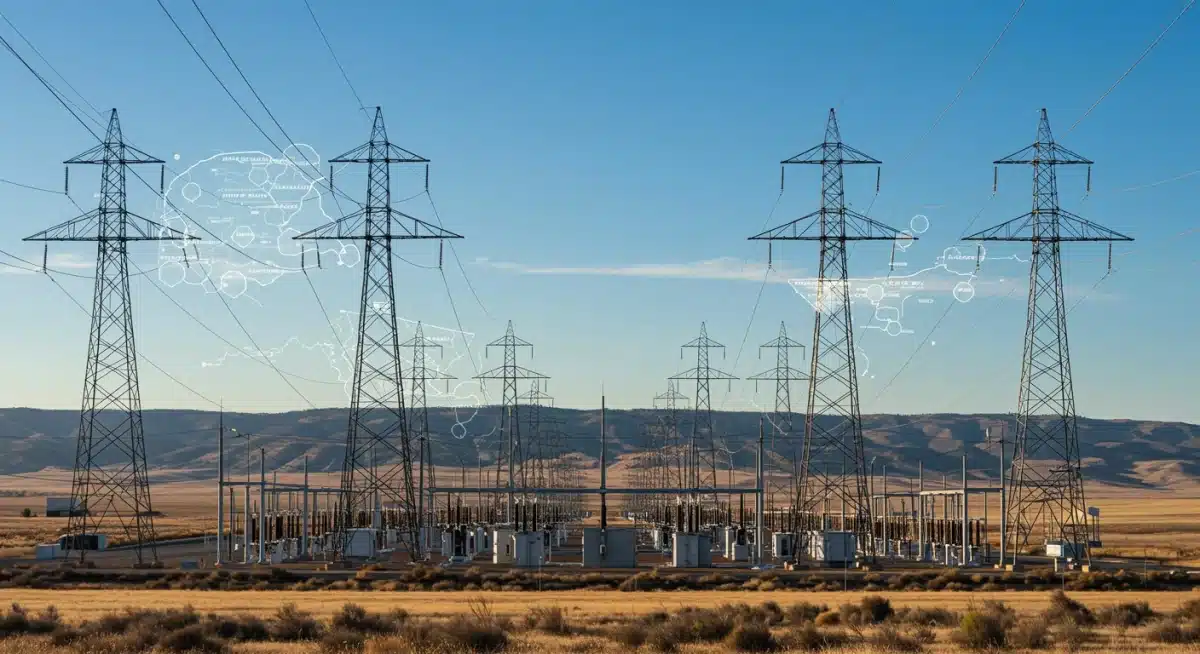
The Federal Energy Regulatory Commission (FERC) has issued new guidelines for interstate transmission projects, set to impact over 20 states by mid-2026, aiming to accelerate grid modernization and facilitate the integration of renewable energy sources across the United States.
The energy landscape in the United States is undergoing a significant transformation, driven by the imperative to modernize infrastructure and integrate cleaner energy sources. A pivotal development in this evolution is the recent announcement from the Federal Energy Regulatory Commission (FERC) Issues New Guidelines for Interstate Transmission Projects, Impacting 20+ States by Mid-2026. These new regulations are poised to reshape how electricity is transmitted across state lines, promising both opportunities and challenges for utilities, energy developers, and consumers alike.
Understanding FERC’s Mandate and the Need for New Guidelines
FERC, as the independent agency regulating the interstate transmission of electricity, natural gas, and oil, plays a crucial role in ensuring reliable, efficient, and affordable energy for the nation. The existing transmission infrastructure, much of which was built decades ago, is increasingly strained by growing demand, the influx of intermittent renewable energy, and the threat of extreme weather events.
The new guidelines are a direct response to these pressures, aiming to create a more robust and resilient grid. They seek to streamline the planning and approval processes for large-scale interstate transmission lines, which are essential for transporting renewable energy from remote generation sites to population centers. This strategic overhaul is not merely about increasing capacity; it’s about fundamentally changing how the grid operates to meet 21st-century energy demands.
The driving forces behind regulatory change
- Aging Infrastructure: Many existing transmission lines are nearing the end of their operational life, requiring significant upgrades or replacement.
- Renewable Energy Integration: The rapid growth of solar and wind power necessitates new transmission to connect these often-remote facilities to the grid.
- Grid Resiliency: Enhancing the grid’s ability to withstand and recover from severe weather and cyberattacks is a top priority.
- Economic Efficiency: Reducing congestion and improving efficiency can lead to lower energy costs for consumers.
Ultimately, these guidelines represent a proactive step by FERC to address critical energy challenges. By fostering the development of a more interconnected and flexible transmission system, the agency aims to support the nation’s clean energy goals while maintaining grid reliability and affordability.
Key Provisions of the New FERC Guidelines
The recently issued FERC guidelines introduce several significant changes designed to accelerate the development of interstate transmission projects. These provisions touch upon various aspects of project planning, cost allocation, and interregional coordination, all with the overarching goal of fostering a more robust and efficient grid.
One of the most impactful provisions involves a revised approach to regional transmission planning. FERC is pushing for a more proactive and long-term planning horizon, encouraging transmission providers to identify and plan for future needs, rather than merely reacting to immediate demands. This includes considering the benefits of projects over a 20-year timeframe, a substantial shift from previous, shorter-term perspectives.
Enhanced Interregional Coordination
The guidelines emphasize the importance of greater coordination between different transmission regions. Historically, planning often occurred in silos, leading to inefficiencies and bottlenecks at regional borders. The new rules mandate improved collaboration, requiring regions to work together to identify and address interregional transmission needs, particularly those related to renewable energy integration.
- Joint Planning Initiatives: Encouraging multi-regional planning processes to identify shared transmission needs.
- Benefit-Cost Analysis: Standardizing methods for evaluating the benefits of interregional projects, including reduced congestion and enhanced reliability.
- Dispute Resolution: Establishing clearer mechanisms for resolving disagreements between regions regarding project planning and cost allocation.
Another crucial element is the updated cost allocation methodology. FERC aims to ensure that the costs of new transmission projects are allocated fairly among those who benefit from them. This is often a contentious issue, as different states and utilities may have varying perspectives on who should bear the financial burden. The new guidelines provide a framework to address these concerns, promoting greater transparency and predictability in cost recovery.
Impact on States: Who’s Affected and How?
The implementation of FERC’s new guidelines is expected to have a broad and differential impact across more than 20 states by mid-2026. States with significant renewable energy potential, such as those in the Midwest and Southwest, are likely to see increased transmission development to export their clean power to demand centers. Conversely, states that are major energy consumers might benefit from enhanced grid reliability and access to a more diverse energy mix.
For states identified as critical for new transmission corridors, the guidelines will necessitate a reevaluation of existing permitting processes and land use regulations. Local communities within these states will also experience the direct effects of construction, including potential land acquisition, job creation, and temporary disruptions. The scale of these projects means that state regulatory bodies and environmental agencies will play a crucial role in harmonizing federal mandates with local concerns.
Regional implications and economic shifts
- Midwest: Expect increased transmission capacity to move wind energy from abundant resources to urban centers.
- Southwest: Significant solar energy development will drive the need for new lines to connect to the broader grid.
- Northeast: Improved interregional connections could enhance reliability and access to diverse energy sources, reducing reliance on fossil fuels.
- Southeast: Potential for new transmission to support emerging offshore wind projects and enhance grid resilience against extreme weather.
Beyond the direct infrastructure changes, the economic ripple effects will be substantial. States that successfully adapt to the new framework could attract significant investment in clean energy generation and related industries. This includes manufacturing for transmission components, construction jobs, and long-term maintenance roles. However, states that struggle with permitting or local opposition might face delays and missed economic opportunities. The guidelines will undoubtedly spark intense discussions and collaborations among state governments, utilities, and communities.
Challenges and Opportunities for Grid Modernization
FERC’s new guidelines, while forward-looking, introduce a unique set of challenges and opportunities for grid modernization. One of the primary challenges lies in the sheer scale and complexity of coordinating large-scale interstate projects. Securing right-of-way, navigating diverse state and local regulations, and managing public opposition can significantly delay project timelines and increase costs. The multi-jurisdictional nature of these projects demands unprecedented levels of cooperation among various stakeholders.
Another hurdle is financial. While the guidelines aim for fair cost allocation, the upfront capital investment for new transmission infrastructure is substantial. Ensuring that these costs are recovered in a way that is equitable for consumers and attractive to investors will be critical. Furthermore, integrating advanced technologies like smart grid components and energy storage solutions into the existing infrastructure requires specialized expertise and significant technological upgrades.
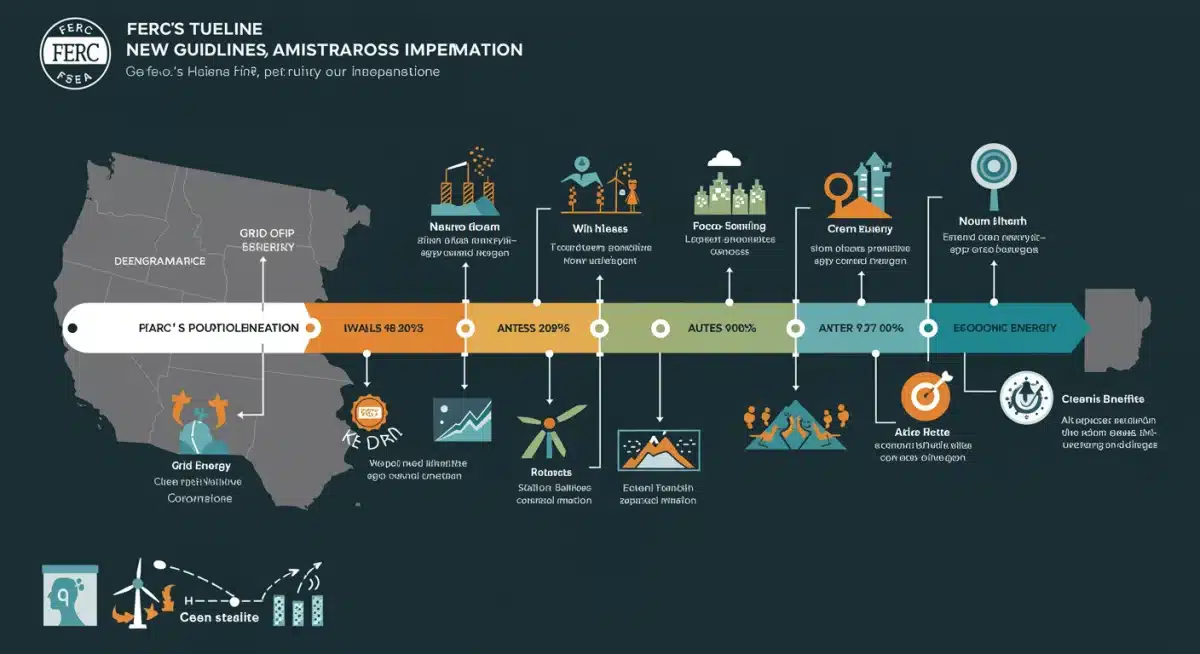
Unlocking new possibilities for energy innovation
Despite these challenges, the opportunities for grid modernization are immense. The guidelines are expected to unlock significant investment in renewable energy projects by providing clearer pathways for connecting them to the grid. This will accelerate the transition away from fossil fuels, contributing to national climate goals and improving air quality.
- Enhanced Reliability: A more interconnected grid can better withstand localized outages and extreme weather events by rerouting power more effectively.
- Economic Growth: New transmission projects will create thousands of jobs in manufacturing, construction, and maintenance.
- Lower Energy Costs: Reducing grid congestion and increasing access to low-cost renewable energy sources can lead to lower electricity prices for consumers.
- Technological Advancements: The push for modernization will spur innovation in grid technologies, including advanced sensors, automation, and energy storage.
The proactive planning framework encouraged by FERC will also allow for the development of a more resilient and adaptable grid, one that can better integrate future energy technologies and respond to evolving energy demands. This strategic foresight is essential for building an energy infrastructure that will serve the nation for decades to come.
The Role of Stakeholders in Implementation
The successful implementation of FERC’s new guidelines hinges on the active and collaborative participation of a wide array of stakeholders. Utilities, as the primary developers and operators of transmission infrastructure, will be at the forefront, responsible for initiating projects, navigating regulatory hurdles, and managing construction. Their ability to adapt to the new planning horizons and interregional coordination requirements will be paramount.
State regulatory commissions and environmental agencies also hold significant sway. They will need to align state-level permitting processes with federal mandates, often balancing national energy goals with local environmental and community concerns. Effective communication and coordination between federal and state bodies will be crucial to avoid bottlenecks and ensure timely project approvals.
Public engagement and advocacy
Public engagement is another critical component. Local communities, landowners, and environmental groups will have a vested interest in how these projects are planned and executed. Their input can help shape project routes, mitigate environmental impacts, and ensure that community benefits are realized. Advocacy groups will continue to play a role in pushing for sustainable and equitable outcomes.
- Energy Developers: Will benefit from clearer pathways for connecting renewable energy projects to the grid, driving new investments.
- Technology Providers: Opportunities for companies offering smart grid solutions, advanced materials, and energy storage technologies.
- Consumers: Potential for more reliable power and lower energy costs in the long run, though initial costs may be passed on.
- Environmental Organizations: Will monitor projects to ensure compliance with environmental regulations and promote sustainable development practices.
The guidelines also underscore the importance of regional transmission organizations (RTOs) and independent system operators (ISOs). These entities are tasked with coordinating transmission planning across multiple states and will be instrumental in facilitating the interregional collaboration mandated by FERC. Their ability to foster consensus among diverse stakeholders will directly influence the pace and success of grid modernization efforts.
Looking Ahead: Mid-2026 and Beyond
The mid-2026 deadline marks a critical juncture for the implementation of FERC’s new guidelines, as many of the foundational planning and coordination requirements are expected to be in full effect. By this point, states and transmission providers will have had sufficient time to integrate the new rules into their planning processes, and the initial wave of proposed interstate transmission projects will likely be moving through the approval pipeline. This period will offer the first tangible insights into the effectiveness of the new framework.
Beyond mid-2026, the focus will shift from establishing the framework to demonstrating its tangible benefits. Success will be measured by the rate at which new transmission capacity is brought online, the reduction in grid congestion, and the improved integration of renewable energy sources. The long-term vision extends to a fully modernized, resilient, and interconnected national grid, capable of supporting a cleaner energy future.
Future trends and policy evolution
- Continued Regulatory Evolution: FERC may introduce further refinements to the guidelines as lessons are learned from initial implementation.
- Technological Integration: Increased adoption of advanced grid technologies, such as artificial intelligence for grid management and advanced energy storage.
- Climate Resilience: Ongoing emphasis on building transmission infrastructure that can withstand the impacts of climate change.
- International Collaboration: Potential for increased cross-border transmission projects with Canada and Mexico to enhance continental energy security.
The journey towards a modernized grid is continuous. As energy demands evolve and new technologies emerge, FERC’s guidelines will need to remain adaptable. The collaborative spirit fostered by these regulations among states, utilities, and the federal government will be essential for navigating future challenges and maximizing the opportunities presented by a rapidly changing energy landscape. The groundwork laid by mid-2026 will be crucial for the energy infrastructure of the next generation.
| Key Point | Brief Description |
|---|---|
| New FERC Guidelines | Regulations issued by the Federal Energy Regulatory Commission to modernize interstate electricity transmission and integrate clean energy. |
| Impacted States | Over 20 states across the U.S. are expected to be significantly affected by mid-2026, particularly those with high renewable potential. |
| Key Provisions | Includes long-term regional planning, enhanced interregional coordination, and revised cost allocation methodologies. |
| Grid Modernization | Aims to build a more resilient, reliable, and efficient grid capable of handling increasing demand and renewable energy integration. |
Frequently Asked Questions About FERC’s New Guidelines
The primary goals are to modernize the aging U.S. electricity grid, enhance its reliability and resilience against disruptions, and facilitate the efficient integration of renewable energy sources by streamlining the planning and approval processes for interstate transmission projects.
Over 20 states are expected to be impacted, with a particular focus on those with significant renewable energy potential (e.g., Midwest for wind, Southwest for solar) and states requiring enhanced grid resilience and interregional connectivity. The exact list varies based on specific project proposals.
The guidelines are designed to significantly boost renewable energy development by providing clearer pathways for connecting wind and solar farms to the grid. This includes long-term planning and improved cost allocation, reducing barriers to investment in clean energy infrastructure.
Challenges include coordinating diverse state and local regulations, securing land rights for new transmission lines, managing public opposition, and fairly allocating the substantial costs of new infrastructure. Inter-regional cooperation is also a significant hurdle.
By mid-2026, many of the foundational planning and coordination requirements are expected to be fully implemented. The first major interstate transmission projects approved under these guidelines should begin construction, with full effects on grid modernization becoming visible in the years that follow.
Conclusion
The new guidelines issued by the Federal Energy Regulatory Commission represent a monumental step towards transforming the United States’ energy infrastructure. By addressing critical issues such as grid modernization, renewable energy integration, and interregional coordination, FERC aims to build a more resilient, efficient, and sustainable power system. While challenges in implementation are inevitable, the collaborative efforts of utilities, state governments, and communities will be instrumental in realizing the long-term benefits of these regulations. As mid-2026 approaches, the nation stands at the cusp of a significant energy evolution, promising a cleaner, more reliable future for over 20 states and beyond.