US Coal Plant Retirements Accelerate: 15% Capacity Gone by 2026
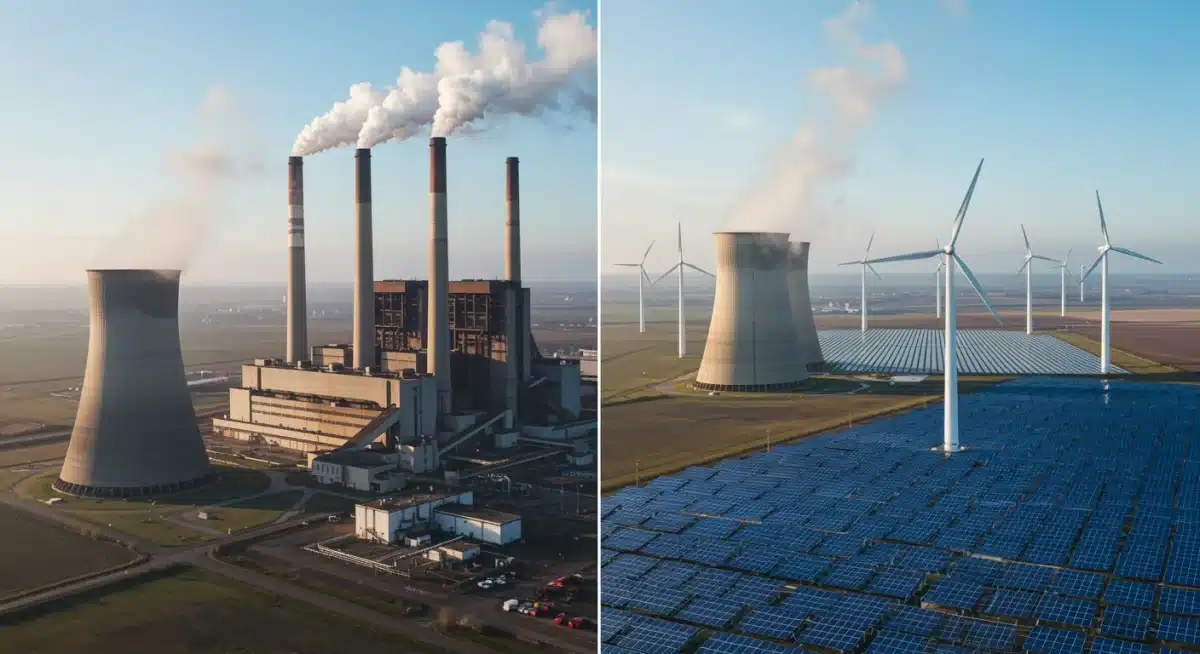
US Coal Plant Retirements Accelerate: 15% of Capacity Slated for Decommissioning by End of 2026
The landscape of energy generation in the United States is undergoing a profound transformation. A recent energy transition report reveals a significant acceleration in coal plant retirements, with a staggering 15% of the nation’s total coal power capacity scheduled for decommissioning by the end of 2026. This rapid shift marks a pivotal moment in the country’s journey towards a cleaner energy future, driven by a confluence of economic, environmental, and policy factors. Understanding the implications of these widespread coal plant retirements is crucial for stakeholders across the energy sector, from utility companies and policymakers to local communities and environmental advocates.
For decades, coal served as the backbone of the American power grid, providing reliable and affordable electricity. However, the tides have turned dramatically. The economic viability of operating older, less efficient coal plants has diminished in the face of cheaper natural gas and increasingly cost-competitive renewable energy sources like solar and wind. Furthermore, growing environmental concerns, particularly regarding greenhouse gas emissions and air quality, have intensified pressure to phase out coal. This comprehensive overview will delve into the drivers behind the accelerating coal plant retirements, analyze their impact on grid reliability and local economies, and explore the future trajectory of the US energy mix.
The Unstoppable March of US Coal Plant Retirements
The data is unequivocal: the era of coal dominance in the US electricity sector is drawing to a close. The projection of 15% of existing coal capacity retiring by 2026 represents a significant chunk of the remaining fleet. This isn’t a new trend, but its pace has quickened considerably. Over the past decade, hundreds of coal-fired units have already been shut down, primarily due to economic pressures and stricter environmental regulations. However, the current wave of planned coal plant retirements signals an intensification of this transition, pushing the nation further down the path of decarbonization.
Several factors contribute to this accelerated decline. First and foremost are the economics. The cost of generating electricity from new solar and wind farms has plummeted, often making them cheaper than running existing coal plants, especially those that require significant upgrades to comply with environmental standards. The abundance of relatively cheap natural gas, largely thanks to advancements in fracking technology, has also provided a readily available and cleaner-burning alternative to coal for baseload power generation. These market forces create an undeniable financial incentive for utility companies to retire their older, more expensive coal assets.
Beyond economics, regulatory frameworks play a critical role. Federal and state regulations aimed at reducing air pollution and greenhouse gas emissions impose substantial costs on coal plant operators. Compliance with standards for mercury, sulfur dioxide, nitrogen oxides, and carbon dioxide often necessitates expensive retrofits or operational changes, making continued operation financially unsustainable for many facilities. The uncertainty surrounding future climate policies also adds a layer of risk for investors, deterring further investment in coal infrastructure and accelerating the decision to pursue coal plant retirements.
Economic Pressures Driving the Shift Away from Coal
The primary catalyst for the increasing number of coal plant retirements is economic. The operational costs associated with coal-fired power generation have steadily risen, encompassing fuel procurement, maintenance, and environmental compliance. Coal prices, while fluctuating, have generally remained a significant operational expense. In contrast, the levelized cost of electricity (LCOE) for renewable sources like solar photovoltaic (PV) and wind has consistently decreased, making them the most cost-effective options for new power generation in many regions. This disparity creates a compelling business case for utilities to invest in renewables rather than maintaining aging coal infrastructure.
Furthermore, many older coal plants are simply less efficient than newer facilities or alternative power sources. Their thermal efficiency might be lower, meaning they require more fuel to produce the same amount of electricity. This inefficiency, coupled with the rising costs of coal and the need for frequent maintenance on aging equipment, makes them less competitive in wholesale electricity markets. When these plants can no longer compete profitably, utilities are forced to consider their decommissioning. This economic reality is a powerful force, often outweighing historical reliance on coal.
The competitive pressure from natural gas also cannot be overstated. Natural gas power plants are not only cleaner than coal plants in terms of air emissions but also offer greater operational flexibility, capable of ramping up and down more quickly to meet fluctuating demand. This flexibility is increasingly valuable as more intermittent renewable energy sources come online. The availability of relatively inexpensive natural gas has enabled many utilities to switch from coal to gas, further contributing to the wave of coal plant retirements. This dynamic interplay of fuel costs, operational efficiency, and market competition forms the bedrock of the current energy transition.
Environmental Imperatives and Policy Influence
While economics are a significant driver, environmental concerns and policy initiatives are equally influential in accelerating coal plant retirements. Coal combustion is a major source of greenhouse gases, particularly carbon dioxide, which contributes to climate change. It also emits significant quantities of pollutants such as sulfur dioxide, nitrogen oxides, particulate matter, and heavy metals like mercury, which have detrimental impacts on air quality and public health. Addressing these environmental challenges has become a critical objective for governments and environmental organizations worldwide.
Policies at both federal and state levels have been instrumental in pushing for cleaner energy. Regulations from the Environmental Protection Agency (EPA), such as the Mercury and Air Toxics Standards (MATS) and various regional haze rules, have imposed strict limits on emissions from power plants. Compliance with these regulations often requires substantial capital investments in pollution control equipment, which many older coal plants find prohibitively expensive. Rather than investing in costly upgrades, many operators opt for coal plant retirements.
Moreover, state-level renewable portfolio standards (RPS) and clean energy targets are driving significant investments in solar, wind, and other non-fossil fuel sources. These policies create a guaranteed market for renewable energy, making it more attractive for utilities and independent power producers. The increasing adoption of carbon pricing mechanisms, even if not widespread federally, also adds a financial disincentive to carbon-intensive coal generation. The cumulative effect of these environmental regulations and clean energy policies is a powerful push towards decarbonization and away from coal.
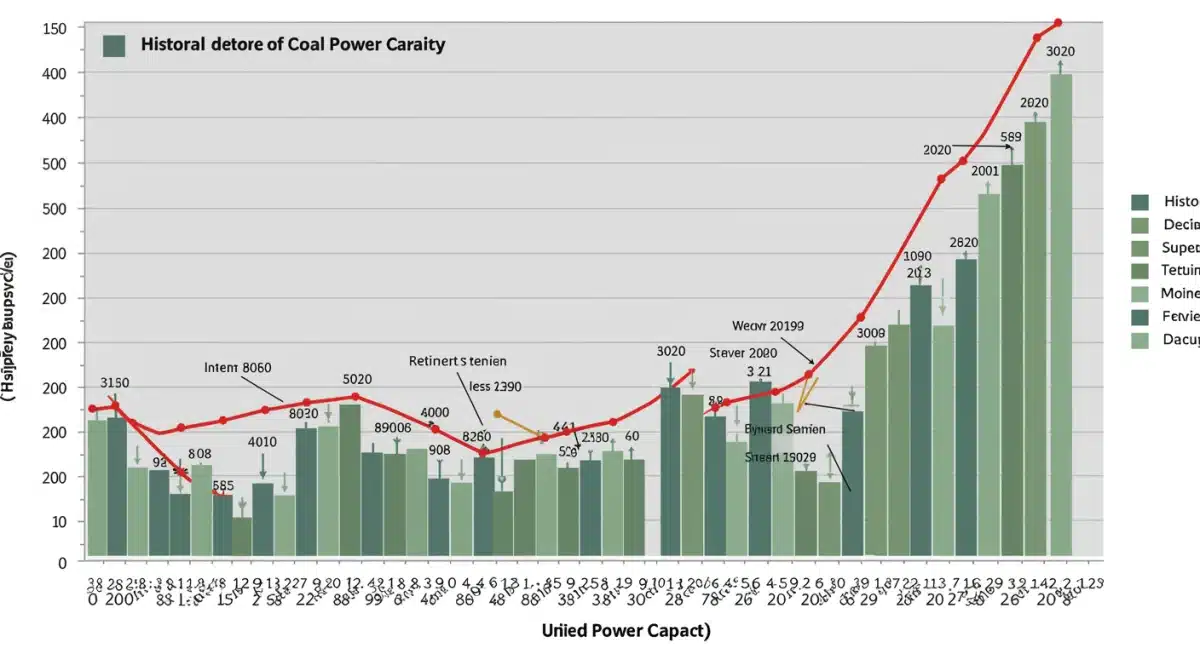
Impacts of Coal Plant Retirements on Grid Reliability and Energy Security
The rapid pace of coal plant retirements naturally raises questions about grid reliability and energy security. Coal plants have historically provided baseload power, operating continuously to meet consistent electricity demand. Their decommissioning necessitates careful planning to ensure that sufficient generation capacity remains to keep the lights on, especially during peak demand periods or extreme weather events.
Utilities and grid operators are actively working to address these concerns by investing in new generation and transmission infrastructure. This includes a significant build-out of renewable energy projects, coupled with advancements in battery storage technology. Energy storage solutions are becoming increasingly vital for firming up intermittent renewable power, allowing electricity generated during sunny or windy periods to be stored and dispatched when needed. This helps to mitigate the variability associated with renewables and maintain grid stability as coal plant retirements continue.
Furthermore, investments in grid modernization, including smart grid technologies and enhanced transmission lines, are crucial. A more robust and flexible grid can better integrate diverse energy sources and manage power flows across wider geographic areas, improving resilience. While the transition away from coal presents challenges, the industry is proactively developing solutions to ensure a reliable and secure energy supply. The key is a well-managed transition that coordinates the retirement of old capacity with the timely deployment of new, cleaner alternatives, thereby safeguarding energy security during this period of significant change.
Socioeconomic Consequences for Coal Communities
The acceleration of coal plant retirements has profound socioeconomic consequences, particularly for communities that have historically relied on the coal industry for jobs and economic stability. Many coal-fired power plants are located in rural areas, where they are often major employers and significant contributors to the local tax base. The closure of these facilities can lead to job losses, reduced tax revenues, and a ripple effect throughout local economies, impacting small businesses and public services.
Addressing these impacts requires a concerted effort from federal, state, and local governments, as well as private sector partners. Programs aimed at workforce retraining and economic diversification are essential to help displaced workers transition into new industries. This could involve training for jobs in renewable energy, manufacturing, or other growing sectors. Additionally, investments in infrastructure and new business development can help stimulate economic growth in affected regions, creating new opportunities as the traditional coal economy declines.
Examples of successful transitions exist where communities have strategically planned for and adapted to coal plant retirements. These often involve a multi-stakeholder approach, bringing together community leaders, labor unions, environmental groups, and utility companies to develop comprehensive transition plans. The goal is not just to manage the decline of an industry but to foster sustainable economic development that provides new pathways for prosperity in these communities. Ignoring these socioeconomic aspects would be a disservice to the people and places that powered the nation for so long.
The Rise of Renewable Energy and Natural Gas
As coal plant retirements accelerate, the void in generation capacity is being increasingly filled by renewable energy sources and natural gas. Solar and wind power are experiencing unprecedented growth, driven by technological advancements, declining costs, and supportive policies. These intermittent sources are becoming the preferred choice for new power generation due to their environmental benefits and economic competitiveness.
Natural gas, while still a fossil fuel, offers a cleaner alternative to coal with lower carbon emissions and significantly reduced air pollution. Its flexibility and ability to provide dispatchable power make it a valuable complement to intermittent renewables. Many utilities are transitioning their portfolios to a mix of natural gas and renewables, leveraging the strengths of both to meet demand while reducing their carbon footprint. This hybrid approach is seen as a pragmatic bridge during the broader energy transition.
The continued expansion of renewable energy is not just about utility-scale projects. Distributed generation, such as rooftop solar, is also playing an increasingly important role, empowering consumers to generate their own electricity and reducing demand on the central grid. Combined with advancements in energy storage, the rise of renewables is fundamentally reshaping the grid, making it more decentralized, resilient, and sustainable. This shift underscores the long-term trajectory away from heavy reliance on fossil fuels like coal.
Technological Innovations Supporting the Transition
Technological innovation is a critical enabler of the accelerating coal plant retirements and the broader energy transition. Breakthroughs in renewable energy technologies have dramatically improved their efficiency and reduced costs. Solar panels are more efficient and cheaper to produce, while wind turbine technology has advanced to capture more energy even at lower wind speeds. These continuous improvements make renewables an increasingly attractive investment.
Energy storage technologies, particularly advanced battery systems, are perhaps one of the most transformative innovations. As more intermittent renewables come online, the ability to store excess electricity and release it when needed is paramount for grid stability. Battery costs are falling rapidly, making large-scale storage solutions more economically viable. This allows for better integration of renewables and reduces the need for traditional baseload power from sources like coal.
Beyond generation and storage, innovations in grid management and smart technologies are also crucial. Artificial intelligence and machine learning are being used to forecast energy demand and renewable output more accurately, optimizing grid operations. Advanced sensors and digital controls enhance grid resilience and enable faster responses to disruptions. These technological advancements provide the tools necessary to manage a complex, diversified energy portfolio, ensuring that the transition away from coal is both efficient and reliable.

Policy Frameworks and Future Outlook for Coal
The future of coal in the US energy mix is largely dictated by evolving policy frameworks. While the trend of coal plant retirements is strong, the speed and extent of future decommissioning will be influenced by regulatory decisions, incentives for clean energy, and potential carbon pricing mechanisms. The current administration has emphasized climate action, which is likely to continue to favor policies that accelerate the transition away from fossil fuels.
Looking ahead, the focus will increasingly be on achieving ambitious decarbonization targets. This will likely involve further incentives for renewable energy, investments in grid infrastructure, and potentially more stringent emissions standards. While some coal plants might continue to operate for a period, particularly those that have undergone significant environmental upgrades or are deemed critical for regional grid stability, their overall share in the energy mix is expected to continue shrinking.
The conversation is also shifting towards carbon capture, utilization, and storage (CCUS) technologies for remaining fossil fuel plants. While still costly and facing deployment challenges, CCUS is seen by some as a potential pathway to allow a limited role for coal in a decarbonized future, particularly for industrial applications. However, for electricity generation, the economic and environmental advantages of renewables and natural gas are likely to continue driving the trend of coal plant retirements, making CCUS less viable for most existing coal power plants.
The Role of Stakeholders in a Just Transition
A successful energy transition, marked by an acceleration of coal plant retirements, requires active participation and collaboration from a diverse range of stakeholders. Utility companies are at the forefront, responsible for planning and executing the decommissioning of coal plants and investing in new generation capacity. Their long-term strategies are crucial in shaping the pace and direction of the transition.
Policymakers at federal, state, and local levels play an indispensable role in creating the regulatory and incentive structures that facilitate the shift. This includes setting clean energy targets, streamlining permitting processes for renewables, and developing programs to support affected communities. Environmental organizations continue to advocate for stricter emissions limits and faster decarbonization, maintaining pressure on industry and government to accelerate coal plant retirements.
Labor unions and community groups are vital in ensuring a ‘just transition’ for workers and communities impacted by plant closures. Their input helps shape programs for retraining, economic diversification, and community revitalization. Academic institutions and research bodies contribute by developing new technologies and providing data-driven insights to inform policy and investment decisions. The collective efforts of these stakeholders are essential to navigate the complexities of this transition, ensuring it is equitable, efficient, and ultimately leads to a sustainable energy future for all.
The accelerating trend of coal plant retirements is not merely an industry shift; it is a societal transformation. It impacts how we generate electricity, the air we breathe, the jobs available, and the economic vitality of communities. By understanding the multifaceted drivers and implications, and by fostering collaborative solutions, the United States can continue its journey towards a cleaner, more sustainable, and resilient energy system.
Conclusion: A New Era for US Energy
The energy transition report forecasting 15% of US coal capacity to be retired by 2026 underscores a significant and irreversible shift in the nation’s energy landscape. The confluence of economic pressures, stringent environmental regulations, and the rapid advancement and cost-effectiveness of renewable energy technologies are driving these accelerated coal plant retirements. This trend, while presenting challenges for grid management and coal-dependent communities, also opens vast opportunities for innovation, job creation in new sectors, and substantial improvements in environmental quality and public health.
The path forward involves continued investment in renewable energy sources, advanced energy storage solutions, and a modernized, resilient electricity grid. It also necessitates thoughtful and proactive strategies to support communities and workers affected by the decommissioning of coal assets, ensuring a just transition that leaves no one behind. As the United States moves further away from its reliance on coal, it steps into a new era of energy production characterized by greater diversity, sustainability, and a commitment to a decarbonized future. The accelerating pace of coal plant retirements is not just a statistical projection; it is a tangible manifestation of a nation reshaping its energy destiny.