Unlock 2026 Clean Energy Tax Credits: Save Up to 30% on Home Upgrades
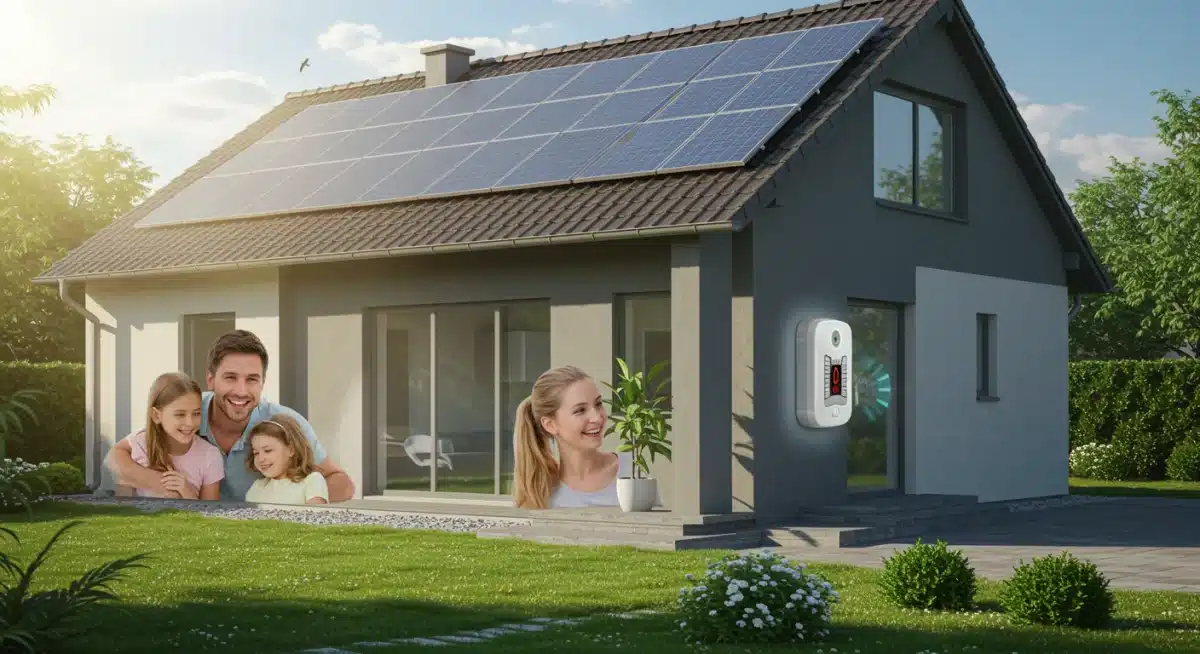
In an era where environmental consciousness and financial prudence go hand-in-hand, understanding the incentives available for sustainable living is more crucial than ever. For homeowners looking to reduce their carbon footprint and their utility bills, the year 2026 brings significant opportunities through enhanced clean energy tax credits. These federal incentives are designed to make eco-friendly home improvements more accessible and affordable, allowing you to save up to 30% on various eligible upgrades. This comprehensive guide will walk you through everything you need to know about these valuable tax credits, helping you navigate the process from identifying eligible projects to claiming your savings.
The push for a greener future isn’t just about environmental stewardship; it’s also about empowering individuals to make smart financial decisions that benefit them in the long run. By investing in clean energy technologies, you’re not only contributing to a healthier planet but also increasing your home’s value, improving its energy efficiency, and securing substantial tax benefits. The 2026 clean energy tax credits represent a golden opportunity for homeowners to embrace sustainability without breaking the bank.
Many homeowners are aware of general tax breaks, but the specifics of clean energy incentives can often seem daunting. This article aims to demystify these credits, providing clear, actionable information. We’ll delve into the types of upgrades that qualify, the maximum credit amounts, the eligibility requirements, and the step-by-step process for claiming what’s rightfully yours. Whether you’re considering solar panels, a new heat pump, or energy-efficient windows, this guide is your essential resource for making informed decisions and maximizing your savings.
Understanding the Landscape of Clean Energy Tax Credits for 2026
The federal government has continually updated and expanded its commitment to clean energy, and the 2026 tax year reflects this ongoing dedication. The primary legislative framework supporting these incentives is often found within broader acts aimed at energy independence and climate change mitigation. These acts provide a robust foundation for various clean energy tax credits, making them a cornerstone of national environmental policy.
The Inflation Reduction Act (IRA) and Its Impact
A significant portion of the current clean energy incentives stems from the Inflation Reduction Act (IRA) of 2022. This landmark legislation significantly expanded and extended a variety of tax credits for homeowners, businesses, and manufacturers investing in clean energy and energy efficiency. While some of these credits began immediately, many are structured to provide long-term benefits, extending well into the next decade, including 2026. The IRA revitalized existing credits and introduced new ones, making it a pivotal piece of legislation for anyone considering energy-efficient home improvements.
For homeowners, the IRA’s provisions mean more money back in your pocket for qualifying projects. These credits are non-refundable, meaning they can reduce your tax liability to zero, but you won’t get a refund for any amount beyond your tax owed. However, some credits can be carried forward to future tax years if you can’t use the full amount in a single year, which is a crucial detail for maximizing long-term savings. Understanding the nuances of the IRA’s impact on clean energy tax credits is the first step toward leveraging these benefits effectively.
Key Differences from Previous Years
It’s important to note that the 2026 clean energy tax credits may differ in scope and amount from those offered in previous years. While the core intent remains the same – to encourage the adoption of clean energy – the specifics can change. For instance, some credits might have increased percentages, higher credit caps, or expanded lists of eligible technologies. Staying informed about these updates is vital. Relying on outdated information could lead to missed opportunities or incorrect financial planning. Always consult the latest IRS guidelines or a qualified tax professional for the most current details regarding the 2026 tax year.
Eligible Home Upgrades for 2026 Clean Energy Tax Credits
The range of home improvements that qualify for clean energy tax credits is quite broad, covering everything from major renewable energy installations to smaller, yet impactful, energy-efficiency upgrades. Knowing what’s eligible is paramount to planning your projects and maximizing your savings. Here’s a breakdown of some of the most common and beneficial upgrades:
Solar Energy Systems (Photovoltaic)
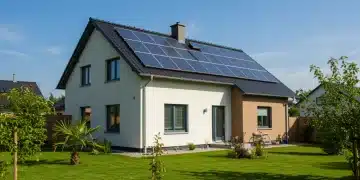
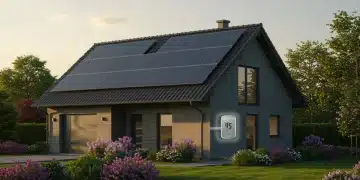
One of the most well-known and impactful clean energy upgrades is the installation of solar panels. The Residential Clean Energy Credit (often referred to as the Investment Tax Credit or ITC) offers a significant credit for systems placed in service. For 2026, this credit is expected to remain at a substantial percentage of the cost of new, qualified clean energy property for your home, including solar electric property. This includes not just the panels themselves but also installation costs and associated equipment like inverters and wiring. Battery storage technology, when installed in conjunction with a solar system, also typically qualifies, further enhancing the appeal of going solar.
Geothermal Heat Pumps
Geothermal heat pumps are highly efficient systems that use the stable temperature of the earth to heat and cool your home. They are considerably more efficient than traditional HVAC systems and are consistently a strong candidate for clean energy tax credits. The credit typically covers a percentage of the equipment and installation costs, making these advanced systems more financially viable for homeowners. The long-term energy savings from a geothermal system, combined with the upfront tax credit, make it an attractive option for significant energy reduction.
Wind Energy Systems
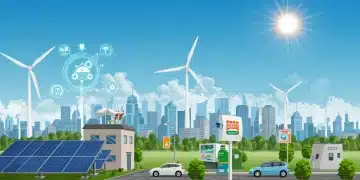
For those living in suitable locations, small wind energy systems can be an excellent way to generate electricity. These systems, designed for residential use, also qualify for the same Residential Clean Energy Credit as solar panels. While less common than solar, they offer a powerful way to achieve energy independence and contribute to a diversified clean energy portfolio for your home.
Fuel Cell Property
Residential fuel cell property, which generates electricity through an electrochemical process, can also be eligible for the clean energy tax credits. These systems are often used for backup power or primary generation in specific scenarios and offer a unique approach to clean energy production for your home.
Energy-Efficient Home Improvements
Beyond renewable energy generation, a variety of energy-efficient improvements also qualify for credits, often under the Energy Efficient Home Improvement Credit (formerly known as the Nonbusiness Energy Property Credit). These credits are typically capped at a certain amount per year and cover a percentage of the cost of materials and labor for specific upgrades. These improvements are crucial for reducing overall energy consumption and maximizing the benefits of any clean energy generation you might install.
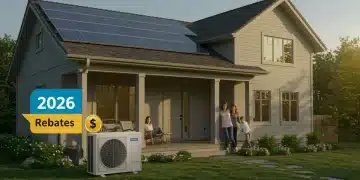
- Heat Pumps (Air-Source and Geothermal): As mentioned, geothermal heat pumps are covered, but highly efficient air-source heat pumps also qualify. These systems offer both heating and cooling, providing a highly efficient alternative to traditional furnaces and air conditioners.
- Central Air Conditioners: Certain high-efficiency models of central air conditioners are eligible.
- Water Heaters (Electric or Natural Gas): Energy-efficient electric heat pump water heaters and high-efficiency natural gas, propane, or oil water heaters are included.
- Furnaces and Boilers (Natural Gas, Propane, or Oil): Specific high-efficiency models qualify for credits.
- Insulation and Air Sealing: Upgrades to insulation materials and air sealing to prevent drafts are fundamental to energy efficiency and are eligible for credits.
- Energy-Efficient Exterior Windows, Skylights, and Exterior Doors: Replacing old, inefficient windows and doors with ENERGY STAR certified products can significantly reduce heat loss and gain, and these upgrades are eligible.
- Biomass Stoves and Boilers: Stoves and boilers that use biomass fuel to heat your home or water are also covered.
Maximizing Your Savings: Up to 30% and Beyond
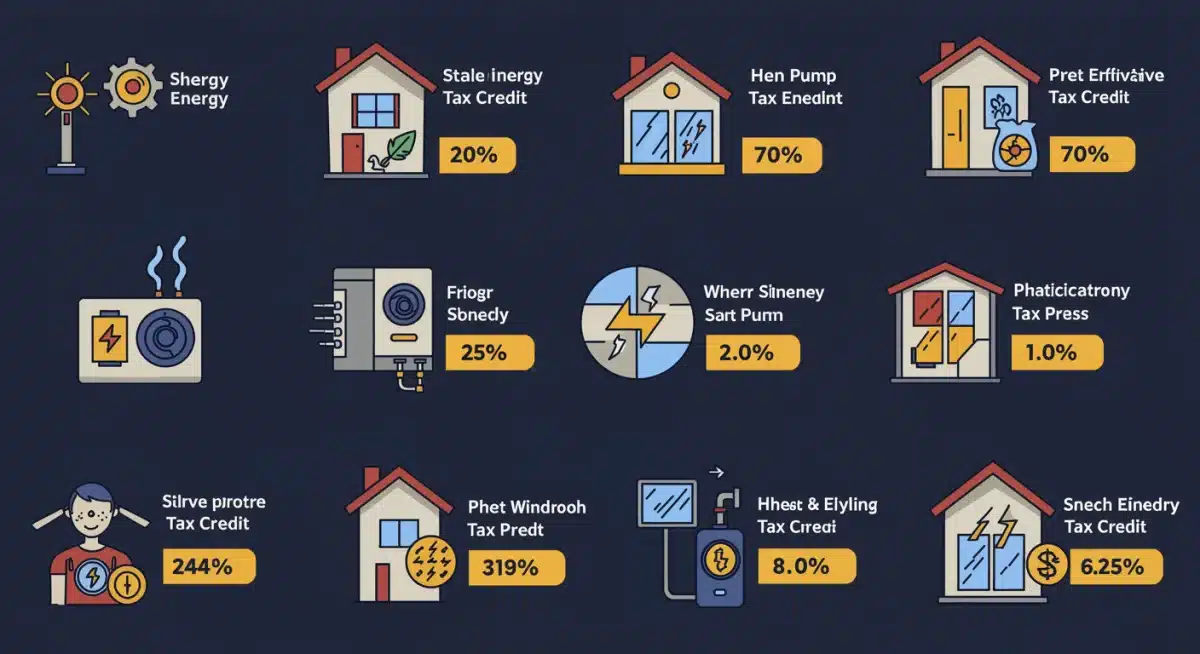
The appeal of clean energy tax credits lies in their potential to significantly offset the upfront costs of eco-friendly upgrades. While many credits are often cited at a 30% rate, it’s crucial to understand how these percentages apply and if there are any caps or additional incentives that can further boost your savings.
Understanding the 30% Credit
For major renewable energy installations like solar, geothermal, and wind energy systems, the Residential Clean Energy Credit typically provides a credit equal to 30% of the cost of the system, including installation. This 30% figure is quite generous and applies to systems placed in service through a specific date, which for now extends significantly into the future, covering 2026. There are generally no dollar limits on the credit for these major installations, meaning the more you invest in these systems, the larger your potential credit, up to 30% of the total cost.
Annual Limits and Lifetime Caps for Other Credits
For the Energy Efficient Home Improvement Credit, which covers things like insulation, windows, and heat pumps, there are typically annual limits. For example, there might be a maximum annual credit of $1,200 for a combination of certain improvements, with specific caps for individual items (e.g., $600 for a particular type of HVAC system or $600 for windows). Heat pump water heaters and electric heat pumps often have a higher annual limit, sometimes up to $2,000. It’s essential to consult the specific IRS guidelines for 2026 to understand these caps, as they can influence how you plan and phase your home improvements over multiple years.
Combining Credits and Other Incentives
One of the most powerful strategies for maximizing your savings is to combine federal clean energy tax credits with state and local incentives. Many states, cities, and even utility companies offer their own rebates, grants, or tax credits for energy-efficient upgrades. These can often be stacked with federal credits, leading to even greater overall savings. For example, a state might offer a rebate for installing a heat pump, which you can then combine with the federal tax credit. Researching these local programs is a critical step in your financial planning.
Additionally, some utility companies offer low-interest loans or on-bill financing for energy-efficient improvements. While not a direct tax credit, these programs can significantly reduce the upfront financial burden, making it easier to afford the initial investment in clean energy technologies. Always check with your local utility provider for available programs.
Eligibility Requirements and How to Qualify
To successfully claim your clean energy tax credits, you must meet specific eligibility requirements. These often relate to the type of property, the nature of the improvement, and your status as a taxpayer. Understanding these criteria upfront will save you time and ensure you qualify for the maximum possible credit.
Primary Residence Requirement
For most residential clean energy and energy-efficient home improvement credits, the property must be your primary residence. This means the home where you live most of the time. Vacation homes or rental properties generally do not qualify for these specific homeowner credits, although there might be other commercial or business-related credits available for those types of properties. The credit is typically for existing homes, but some new construction elements might also qualify if they meet specific energy-efficiency standards.
New vs. Existing Homes
While the focus is often on existing homes, some credits may apply to newly constructed homes that meet stringent energy efficiency requirements. However, the most common application of these clean energy tax credits is for improvements made to a taxpayer’s existing primary residence. It’s crucial to verify the specific language for each credit you intend to claim.
Equipment and Material Standards
The equipment and materials you install must meet certain energy efficiency standards to qualify. For example, windows, doors, and insulation often need to be ENERGY STAR certified. HVAC systems, water heaters, and heat pumps must meet specific efficiency ratings (e.g., SEER, EER, HSPF for HVAC; UEF for water heaters). Solar panels and other renewable energy systems must be new and primarily used to generate electricity for your home. Always ensure that the products you purchase come with documentation proving they meet the required standards. Your contractor should be able to provide this information.
Installation Requirements
While the credit primarily covers the cost of the qualified property, installation costs are also typically included for major renewable energy systems. For energy-efficient home improvements, the credit might cover the cost of the property itself, and sometimes a portion of the installation. It’s important to keep detailed records of all expenses, including invoices for both materials and labor, as these will be necessary when you file your taxes.
Taxpayer Eligibility
To claim these clean energy tax credits, you must be the homeowner and taxpayer. The credits are non-refundable and reduce your tax liability. If you don’t owe enough in taxes to use the full credit in one year, some credits (like the Residential Clean Energy Credit) can be carried forward to future tax years until they are fully used or expire. It’s always a good idea to consult with a tax professional to understand how these credits will impact your specific tax situation.
Step-by-Step Guide to Claiming Your 2026 Clean Energy Tax Credits
Claiming your clean energy tax credits doesn’t have to be complicated. By following a clear process and keeping meticulous records, you can ensure a smooth experience and receive the savings you deserve. Here’s a step-by-step guide:
Step 1: Research and Plan Your Upgrades
Before making any purchases, thoroughly research which home improvements qualify for the 2026 clean energy tax credits. Review the official IRS guidelines (often found in IRS Form 5695 instructions and relevant publications) to confirm eligibility, specific efficiency standards, and any applicable credit limits. Plan your projects strategically, especially if you’re undertaking multiple upgrades, to maximize annual limits for certain credits. Obtain quotes from reputable contractors who specialize in clean energy installations and energy-efficient home improvements.
Step 2: Purchase and Install Qualifying Equipment
Ensure that all purchased equipment and materials meet the specified energy efficiency or clean energy generation standards. Keep all receipts, invoices, and any manufacturer certifications that confirm the product’s eligibility. For installations, work with licensed and experienced professionals. Ensure their invoices clearly itemize the costs of materials and labor, as this documentation is crucial for your tax filing.
Step 3: Keep Meticulous Records
This cannot be stressed enough: good record-keeping is key. Create a dedicated file for all documents related to your clean energy upgrades. This should include:
- Receipts and invoices for all eligible property and installation costs.
- Manufacturer’s certifications or statements proving the equipment meets efficiency standards.
- Proof of payment.
- Any contracts with installers.
- Before-and-after photos of the installations, if available.
These records will be essential if the IRS ever requests verification of your claims.
Step 4: Complete IRS Form 5695
When you prepare your federal income tax return for the year the property was placed in service (e.g., for upgrades completed in 2026, you’ll file in early 2027), you will need to complete IRS Form 5695, ‘Residential Energy Credits.’ This form is specifically designed for reporting residential energy property costs and calculating your allowable credit. The form will guide you through listing the qualified expenses and determining your credit amount for both the Residential Clean Energy Credit and the Energy Efficient Home Improvement Credit.
Step 5: Attach Form 5695 to Your Tax Return
Once completed, attach Form 5695 to your federal income tax return (Form 1040). The calculated credit from Form 5695 will then reduce your overall tax liability. If you use tax preparation software, it will typically integrate Form 5695 into the process, making it relatively straightforward. However, always double-check the entries to ensure accuracy.
Step 6: Consult a Tax Professional (Recommended)
While this guide provides comprehensive information, tax laws can be complex and are subject to change. Consulting with a qualified tax professional, especially one experienced with energy credits, is highly recommended. They can help you:
- Confirm your eligibility for specific 2026 clean energy tax credits.
- Ensure you’ve correctly calculated your credit amounts.
- Advise on how to handle credit carryforwards if applicable.
- Help identify any state or local incentives you might have overlooked.
- Assist with proper documentation and filing to avoid potential issues with the IRS.
Key Considerations and Common Pitfalls
Navigating clean energy tax credits can be straightforward, but awareness of common pitfalls and important considerations can help ensure a smooth and successful process.
Understanding ‘Placed in Service’
A crucial term for tax credits is ‘placed in service.’ This generally means the date when the property is installed and ready for use, not necessarily the purchase date or the date of final payment. Ensure your installations are completed within the tax year you plan to claim the credit. For example, if you want to claim the credit for 2026, the system must be installed and operational by December 31, 2026.
Rentals and Secondary Homes
As mentioned, most residential clean energy credits are specifically for your primary residence. If you own rental properties or secondary homes, these specific credits typically won’t apply. However, there might be other business-related energy efficiency incentives or depreciation benefits that could be relevant. Consult a tax professional for guidance on non-primary residences.
Credit vs. Deduction
It’s important to distinguish between a tax credit and a tax deduction. A tax credit directly reduces the amount of tax you owe, dollar for dollar. A tax deduction, on the other hand, reduces your taxable income, which then reduces your overall tax liability based on your tax bracket. Clean energy tax credits are generally credits, offering a more direct and impactful reduction in your tax bill.
Non-Refundable Credits
Most clean energy tax credits are non-refundable. This means they can reduce your tax liability to zero, but you won’t receive a refund for any credit amount that exceeds your tax bill. However, some credits, like the Residential Clean Energy Credit, allow you to carry forward any unused portion of the credit to future tax years. This is a significant benefit, as it ensures you can eventually utilize the full value of the credit even if your tax liability is low in the year of installation.
Inflation Reduction Act Updates
The IRA introduced significant changes and extensions. Stay informed about any further guidance or clarifications issued by the IRS regarding these provisions. The specific percentages, caps, and eligible technologies are subject to interpretation and updates, so relying on the most current official information is paramount.
Documentation is King
We’ve said it before, and we’ll say it again: keep every piece of documentation. This includes receipts, invoices, contracts, and manufacturer certifications. Without proper documentation, proving your eligibility and the cost of your improvements to the IRS can be challenging, potentially leading to delays or denial of your credit.
The Long-Term Benefits of Clean Energy Upgrades
While the immediate financial savings from clean energy tax credits are a powerful incentive, the benefits of these home upgrades extend far beyond your tax return. Investing in clean energy and energy efficiency is a decision that pays dividends for years to come.
Reduced Utility Bills
This is perhaps the most tangible long-term benefit. By generating your own electricity with solar panels, or by significantly reducing your heating and cooling needs with a heat pump and improved insulation, you will see a noticeable decrease in your monthly utility expenses. These savings accumulate over time, often offsetting the initial investment many times over during the lifespan of the equipment.
Increased Home Value
Homes with clean energy systems and high energy efficiency ratings are increasingly attractive to potential buyers. Studies consistently show that homes with solar panels or other significant energy upgrades command higher resale values and sell faster. The initial investment, partially offset by tax credits, becomes a value-add for your property.
Environmental Impact
Beyond the financial benefits, adopting clean energy technologies significantly reduces your household’s carbon footprint. By relying less on fossil fuels, you contribute to cleaner air, a more stable climate, and a healthier environment for future generations. This intrinsic value is often a primary motivator for homeowners choosing to go green.
Energy Independence and Security
Generating your own power or drastically reducing your energy consumption makes you less reliant on the fluctuating prices of traditional energy sources. This provides a sense of energy independence and security, protecting you from future price hikes and ensuring a more stable energy future for your home.
Enhanced Comfort and Health
Energy-efficient upgrades like improved insulation, new windows, and modern HVAC systems lead to a more comfortable indoor environment. Consistent temperatures, reduced drafts, and better indoor air quality contribute to a healthier and more enjoyable living space.
Conclusion: Embrace the Future with 2026 Clean Energy Tax Credits
The 2026 clean energy tax credits offer an unprecedented opportunity for homeowners to make impactful, sustainable upgrades while enjoying substantial financial savings. From installing solar panels to upgrading to energy-efficient windows and heat pumps, the range of eligible projects is diverse, catering to various needs and budgets. By understanding the eligibility requirements, meticulously documenting your expenses, and leveraging available resources, you can confidently navigate the process and claim up to 30% or more in savings.
This isn’t just about a one-time tax credit; it’s an investment in your home’s future, your financial well-being, and the health of our planet. The long-term benefits of reduced utility bills, increased home value, and a smaller carbon footprint far outweigh the initial effort. Take the time to research, plan, and execute your clean energy projects, and you’ll be well on your way to a more sustainable, comfortable, and financially rewarding homeownership experience. Don’t miss out on the chance to unlock these valuable incentives and transform your home into an energy-efficient haven.