Unlock 2026 Energy-Efficient Mortgage Benefits: Your Guide to Better Loan Terms
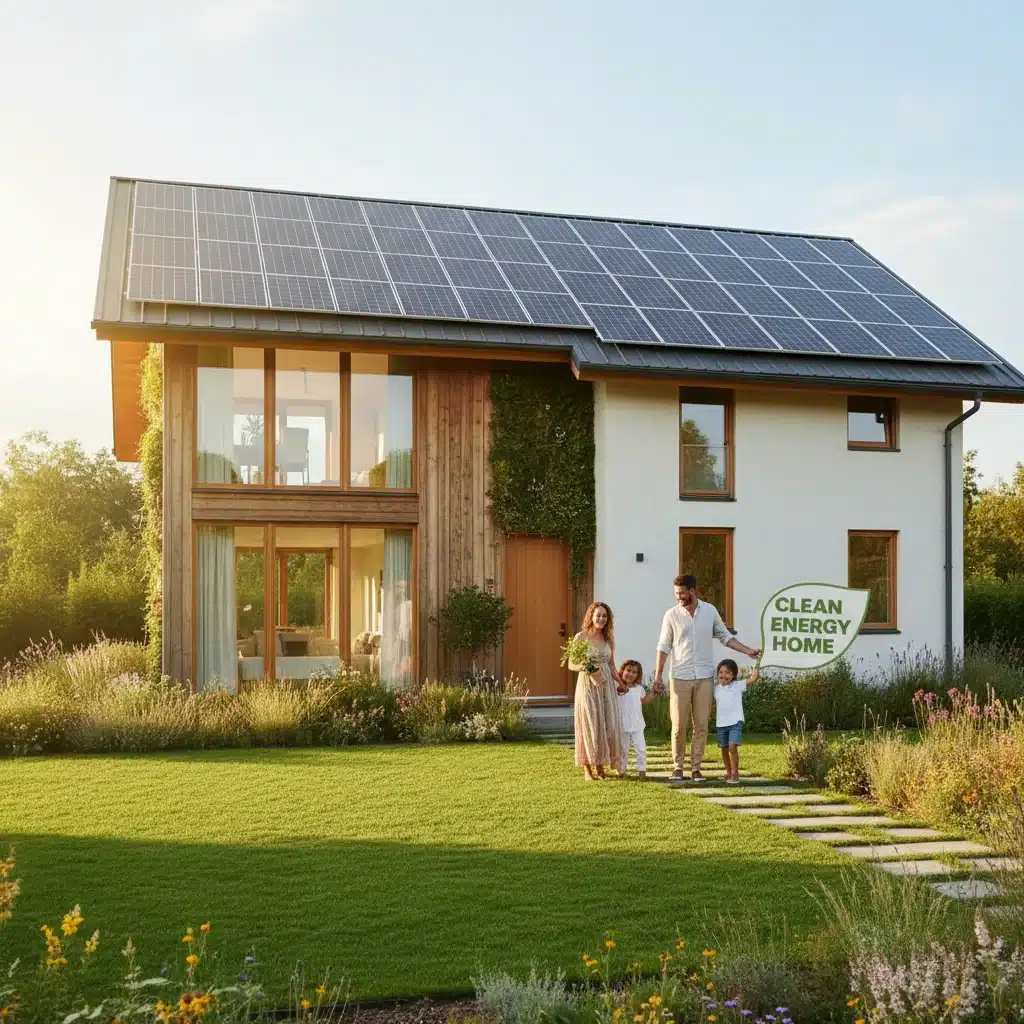
The housing market is constantly evolving, and with growing concerns about climate change and rising energy costs, the focus on sustainable living has never been more prominent. For prospective homeowners and those looking to refinance, the year 2026 brings significant enhancements to energy-efficient mortgages (EEMs). Understanding these energy-efficient mortgage benefits is crucial for anyone aiming to secure better loan terms, lower interest rates, and contribute to a greener future. This comprehensive guide will delve into what EEMs are, the specific advantages they offer in 2026, and how you can qualify to harness these exciting opportunities.
What is an Energy-Efficient Mortgage (EEM)?
An Energy-Efficient Mortgage (EEM) is a type of home loan designed to help borrowers finance energy-efficient improvements to their homes or purchase homes that are already energy-efficient. Unlike traditional mortgages, EEMs consider the potential energy savings that these improvements will generate. This can lead to a higher borrowing capacity for the homeowner, as the lender recognizes that future utility bills will be lower, freeing up more disposable income for mortgage payments.
EEMs are typically backed by government agencies like the Federal Housing Administration (FHA) and the Department of Veterans Affairs (VA), as well as conventional lenders through Fannie Mae and Freddie Mac programs. These programs incentivize energy-saving upgrades, making them more accessible and affordable for a wider range of homeowners. The core idea is simple: a more energy-efficient home costs less to operate, which benefits both the homeowner and the environment.
The Evolution of EEMs and Why 2026 is a Landmark Year
While EEMs have existed for some time, the year 2026 is poised to be a landmark year for these financial products. Driven by global commitments to sustainability, technological advancements in energy efficiency, and a growing consumer demand for eco-friendly homes, regulatory bodies and financial institutions are refining and expanding the scope of EEM programs. These changes are designed to make the qualification process smoother, the benefits more substantial, and the availability of these loans more widespread.
The enhancements in 2026 are expected to include more favorable underwriting guidelines, potentially higher loan limits for energy-efficient improvements, and increased awareness campaigns to educate both lenders and borrowers. This renewed focus on energy-efficient mortgage benefits signifies a pivotal shift towards integrating environmental responsibility with financial planning for homeownership.
Key Energy-Efficient Mortgage Benefits in 2026
The advantages of securing an EEM in 2026 are multifaceted, offering both immediate and long-term financial and environmental gains. Let’s explore the most significant benefits:
1. Lower Interest Rates and Favorable Loan Terms
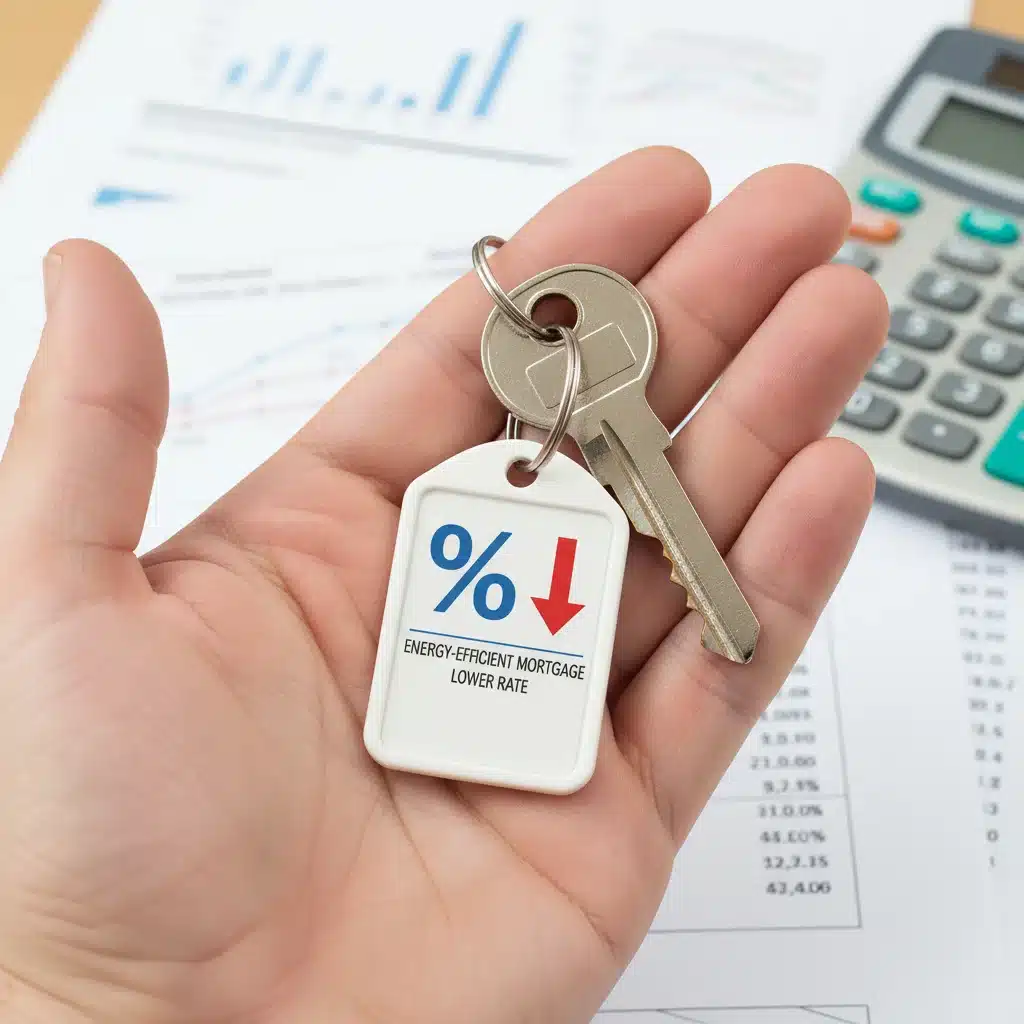
One of the most attractive energy-efficient mortgage benefits is the potential for lower interest rates. Lenders often view energy-efficient homes as less risky investments. Why? Because lower utility bills mean homeowners have more money available to make their mortgage payments, reducing the likelihood of default. In 2026, expect to see even more competitive interest rates and flexible loan terms for EEMs, as lenders increasingly recognize the financial stability associated with energy-efficient properties.
Beyond just interest rates, EEMs can offer more favorable loan-to-value (LTV) ratios, allowing borrowers to finance a larger portion of their home’s value, including the cost of energy-efficient upgrades, without requiring a larger down payment. This can significantly reduce the upfront financial burden for homeowners.
2. Increased Borrowing Power for Energy Upgrades
EEMs allow borrowers to include the cost of energy-efficient home improvements directly into their mortgage. This means you don’t need to secure a separate loan or dip into savings to fund upgrades like solar panels, new insulation, high-efficiency HVAC systems, or energy-efficient windows. The projected energy savings are factored into the loan qualification process, effectively increasing your borrowing capacity without necessarily increasing your monthly housing costs significantly, especially when considering the reduced utility bills.
This is a game-changer for homeowners who wish to make their homes greener but are constrained by immediate cash flow. The 2026 programs are expected to streamline the appraisal process for these improvements, making it easier to quantify and incorporate their value into the mortgage.
3. Significant Savings on Utility Bills
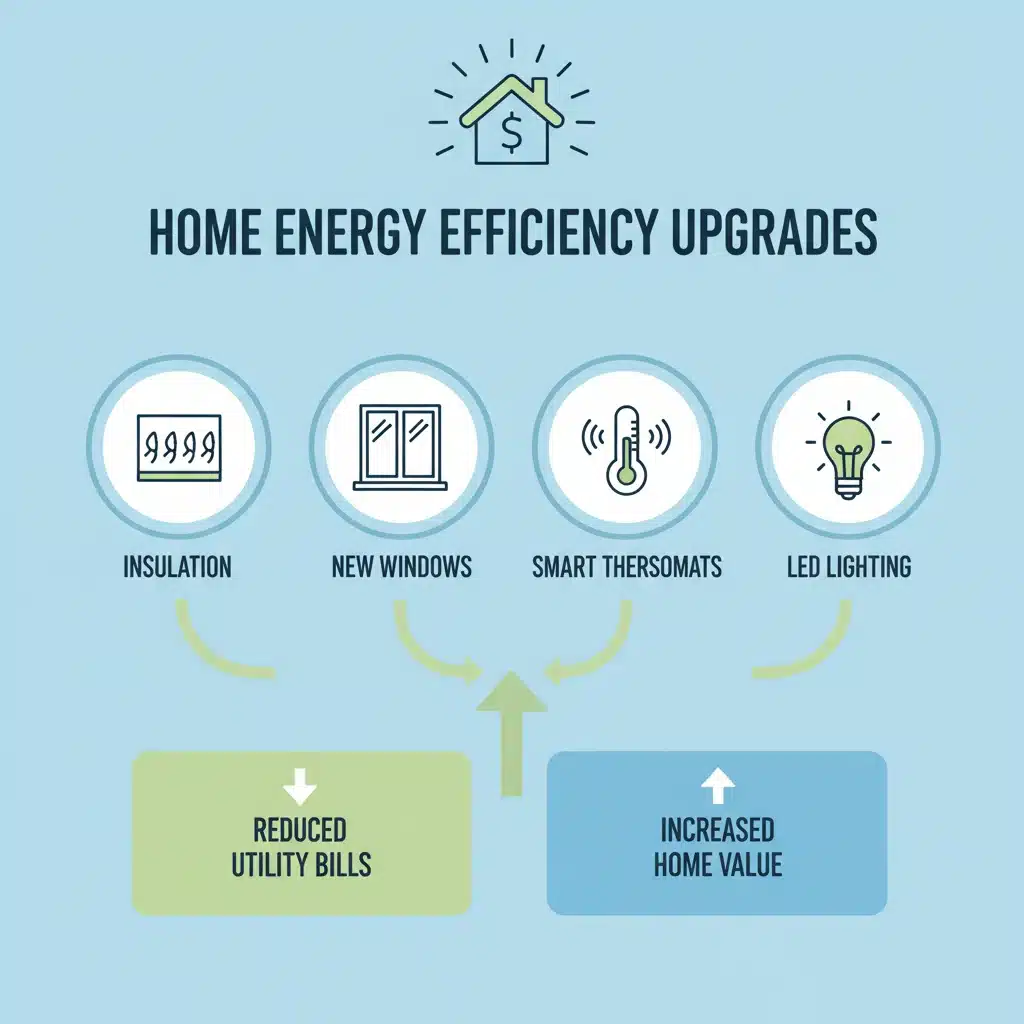
Perhaps the most tangible and immediate benefit of living in an energy-efficient home is the substantial reduction in utility bills. By investing in upgrades that minimize energy consumption, homeowners can save hundreds, if not thousands, of dollars annually on electricity, gas, and water. These savings can often offset any slight increase in your mortgage payment due to financing the energy improvements, leading to a net positive financial outcome.
Over the lifespan of a mortgage, these savings accumulate to a considerable sum, reinforcing the long-term financial prudence of an EEM. The focus on measurable energy savings in 2026 will further emphasize this crucial advantage.
4. Enhanced Home Comfort and Value
Beyond financial savings, energy-efficient homes are simply more comfortable. Better insulation, modern windows, and efficient HVAC systems contribute to more consistent indoor temperatures, fewer drafts, and improved air quality. This creates a healthier and more enjoyable living environment for residents.
Furthermore, energy-efficient features significantly increase a property’s market value. As environmental awareness grows, so does the demand for sustainable homes. Buyers are often willing to pay a premium for homes that come with lower operating costs and a reduced carbon footprint. An EEM helps you invest in improvements that not only save you money but also make your home more attractive and valuable in the long run.
5. Environmental Impact and Sustainability
Choosing an EEM is also a commitment to environmental stewardship. By reducing your home’s energy consumption, you decrease your carbon footprint and contribute to the fight against climate change. This aligns with broader societal goals for sustainability and positions you as a responsible homeowner. The 2026 initiatives are designed to amplify this environmental impact by promoting widespread adoption of energy-efficient practices.
How to Qualify for Energy-Efficient Mortgage Benefits in 2026
Qualifying for an EEM in 2026 will involve several key steps and requirements. While specific details may vary between different EEM programs (FHA, VA, Fannie Mae, Freddie Mac), the general framework remains consistent.
1. Energy Assessment (Home Energy Audit)
The cornerstone of qualifying for an EEM is a professional home energy assessment, also known as an energy audit. A certified energy auditor will evaluate your home’s current energy performance, identify areas of inefficiency, and recommend specific improvements. This audit will detail the estimated cost of these upgrades and, crucially, project the potential energy savings they will generate.
For 2026, expect an even greater emphasis on the accuracy and standardization of these audits. Lenders will rely heavily on these reports to determine the feasibility and financial viability of the energy improvements you plan to undertake. Ensure you work with a reputable, certified energy auditor to get a comprehensive and accepted report.
2. Lender and Loan Program Selection
Not all lenders offer EEMs, so it’s essential to find one that specializes in or is knowledgeable about these programs. In 2026, with increased government backing and industry push, more lenders are expected to participate. You’ll need to decide which type of EEM best suits your needs:
- FHA EEM: Available for FHA-insured loans, allowing borrowers to finance up to 95% of the cost of proposed energy improvements, provided the savings exceed the cost.
- VA EEM: For eligible veterans, this program helps finance up to $6,000 in energy-efficient improvements without an additional down payment.
- Fannie Mae Green Financing & Freddie Mac GreenCHOICE Mortgages: Conventional options that offer competitive rates and terms for energy-efficient homes or those undergoing improvements.
Researching and comparing these options with a knowledgeable mortgage professional will be vital to securing the best energy-efficient mortgage benefits for your situation.
3. Meeting Standard Mortgage Requirements
In addition to the energy-specific requirements, you’ll still need to meet the standard underwriting criteria for the chosen mortgage program. This typically includes:
- Credit Score: A good credit score demonstrates your financial responsibility. Requirements vary by program, but generally, higher scores lead to better terms.
- Debt-to-Income (DTI) Ratio: Lenders will assess your ability to manage monthly debt payments relative to your income. The projected energy savings from an EEM can sometimes positively impact this ratio.
- Employment History: A stable employment history is usually required to prove consistent income.
- Down Payment: While some EEMs can reduce the need for a large down payment for the energy upgrades themselves, a down payment for the home purchase might still be required depending on the loan type.
4. Approved Energy-Efficient Improvements
The improvements you plan to make must be approved by the EEM program and typically fall into categories that demonstrably reduce energy consumption. Common eligible improvements include:
- Installation of solar panels or other renewable energy systems.
- Upgrading insulation in walls, attics, and floors.
- Replacing old windows and doors with energy-efficient models.
- Installing high-efficiency heating, ventilation, and air conditioning (HVAC) systems.
- Sealing air leaks and improving ventilation.
- Upgrading to energy-efficient appliances (in some cases).
- Water-saving measures like low-flow fixtures and efficient irrigation systems.
The energy audit will confirm which improvements are most impactful and eligible under the program you choose.
The Application Process for 2026 EEMs
While the specifics can vary, the general application process for an EEM in 2026 will likely follow these steps:
- Initial Consultation: Speak with a mortgage lender experienced in EEMs to discuss your eligibility and the various program options.
- Home Energy Audit: Arrange for a certified energy auditor to assess your home and provide a detailed report of recommended improvements and projected savings.
- Loan Application: Submit your mortgage application, including the energy audit report and details of the proposed energy-efficient improvements.
- Underwriting: The lender will review your financial qualifications and the energy audit. The projected energy savings will be factored into their assessment.
- Appraisal: The home will be appraised, and in the case of improvements, the appraiser will consider the value added by the energy-efficient upgrades.
- Loan Closing: If approved, you will close on the loan. The funds for the energy improvements are typically held in an escrow account and disbursed as the work is completed and inspected.
- Completion and Inspection: Once the improvements are made, they will be inspected to ensure they meet the agreed-upon standards.
Understanding this process will help you navigate the journey to securing your energy-efficient mortgage benefits more smoothly.
Challenges and Considerations for 2026 EEMs
While the energy-efficient mortgage benefits are compelling, it’s important to be aware of potential challenges and considerations:
1. Finding Qualified Professionals
A key aspect of a successful EEM is working with qualified energy auditors and contractors. Ensuring they are certified and experienced in energy-efficient upgrades is crucial for both the loan approval and the effectiveness of the improvements. The 2026 landscape may see an increase in certified professionals, but due diligence will still be essential.
2. Documentation and Paperwork
EEMs can involve more documentation than standard mortgages due to the energy audit and the need to detail proposed improvements. Being organized and prepared to provide all necessary paperwork will expedite the process.
3. Upfront Costs (Though Often Reimbursed)
While the cost of the energy audit and some initial assessments might need to be paid upfront, these are often reimbursed or rolled into the loan once approved. It’s important to clarify these details with your lender.
4. Market Fluctuations
Like any mortgage product, EEMs are subject to market interest rate fluctuations. While they aim to offer competitive rates, staying informed about the broader economic climate is always wise.
The Future of Homeownership: Embracing Energy Efficiency
The push for energy efficiency in housing is not a fleeting trend; it’s a fundamental shift towards a more sustainable and economically sound future. The 2026 enhancements to energy-efficient mortgage programs are a testament to this evolving landscape. They represent a significant opportunity for homeowners to not only reduce their environmental impact but also achieve substantial financial savings and increase their property value.
As technology continues to advance, and as the urgency of climate change becomes more apparent, we can anticipate even greater innovation and support for energy-efficient housing solutions. EEMs are at the forefront of this movement, offering a practical and accessible pathway for individuals to contribute to a greener planet while securing a more affordable and comfortable home.
Conclusion: Seizing Your 2026 Energy-Efficient Mortgage Benefits
The year 2026 marks a promising era for energy-efficient mortgages, bringing with it a suite of enhanced energy-efficient mortgage benefits. From lower interest rates and increased borrowing power to significant utility savings and a reduced carbon footprint, the advantages are clear and compelling.
By understanding the qualification process, selecting the right lender and program, and committing to impactful energy upgrades, homeowners can unlock these benefits and embark on a journey of sustainable and financially savvy homeownership. Don’t miss out on the opportunity to make your home a beacon of energy efficiency, comfort, and long-term value. Start exploring your EEM options today and prepare to reap the rewards that 2026 has in store.