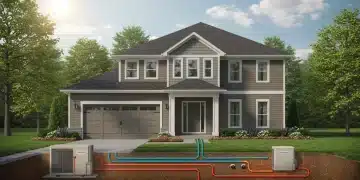
2026 Home Energy Rebates: $1,600 Heat Pump Savings
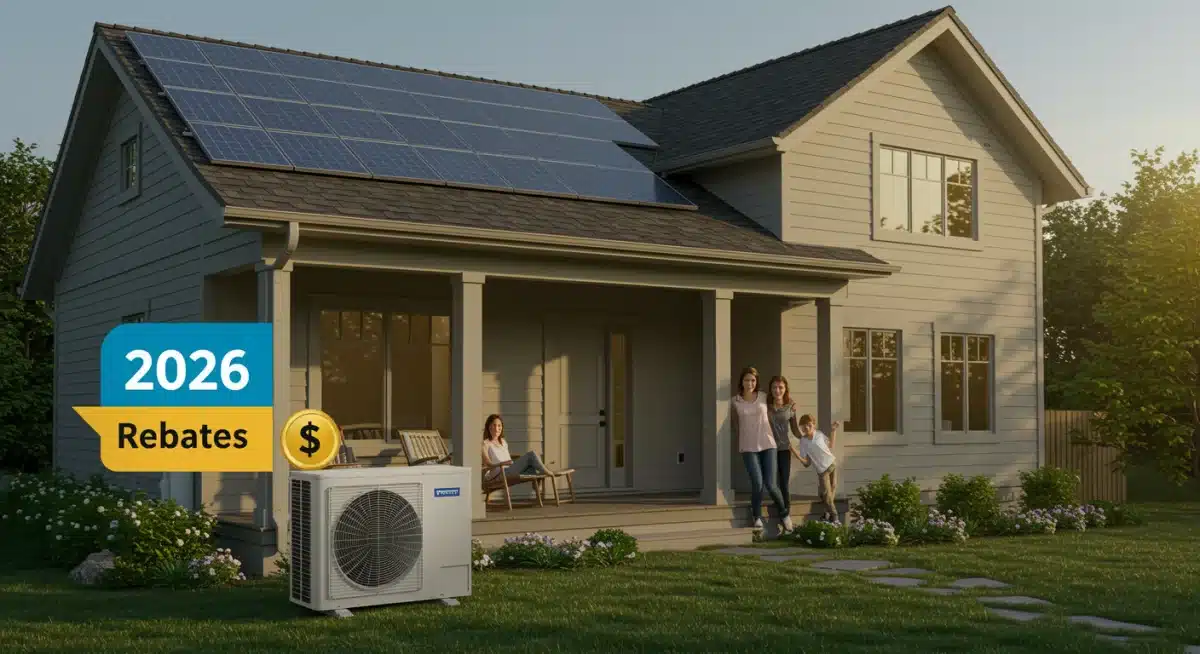
Navigating the 2026 home energy rebate programs can secure homeowners up to $1,600 for heat pump installations, significantly reducing upfront costs and promoting energy efficiency.
As we step into 2026, homeowners across the United States are presented with an unprecedented opportunity to enhance their home’s energy efficiency while simultaneously enjoying substantial financial benefits. The federal government, alongside various state and local initiatives, has rolled out comprehensive programs designed to incentivize the adoption of cleaner, more sustainable energy solutions. Among these, the rebates for heat pump installations stand out as a particularly attractive offer, with potential savings reaching up to $1,600 for heat pump installations. This guide will walk you through the intricacies of these programs, ensuring you are well-equipped to claim your share of these valuable incentives.
Understanding the 2026 Landscape of Energy Rebates
The year 2026 marks a pivotal moment in the nation’s commitment to climate action and energy independence. A renewed focus on residential energy efficiency has led to the expansion and refinement of existing rebate programs, making them more accessible and financially rewarding for homeowners. These initiatives are not merely about saving money; they are about fostering a sustainable future, reducing carbon footprints, and creating healthier living environments. Understanding the foundational elements of these programs is the first step toward unlocking their full potential.
The overarching goal of these rebates is to accelerate the transition away from fossil-fuel-dependent heating and cooling systems towards electric heat pumps. These systems are significantly more efficient, offering both heating and cooling capabilities with a fraction of the energy consumption of traditional furnaces and air conditioners. The financial incentives are structured to offset the initial investment, making high-efficiency heat pumps a viable option for a broader range of households.
Federal incentives: The backbone of savings
At the federal level, the Inflation Reduction Act (IRA) continues to be a cornerstone of energy efficiency incentives. For 2026, several tax credits and rebate programs remain in effect, offering direct financial aid for qualified energy-efficient home improvements. These federal programs often serve as a baseline, which can then be stacked with state and local offers for even greater savings.
- Energy efficient home improvement credit: This credit, available through 2032, offers up to 30% of the cost of eligible home energy improvements, with an annual limit of $2,000 for certain types of equipment, including heat pumps.
- High-efficiency electric home rebate program (HEEHRP): This program provides upfront discounts on qualified electrification projects, including heat pumps, with certain income restrictions.
- Tax credits for residential clean energy: While primarily for solar and other renewable energy installations, certain components related to comprehensive home energy upgrades, including heat pump water heaters, may also qualify.
These federal provisions are designed to be user-friendly, encouraging widespread participation. Homeowners should familiarize themselves with the specific requirements and documentation needed to successfully claim these benefits. The combination of these federal programs can substantially reduce the cost of a new heat pump, often making it more affordable than a traditional HVAC system when long-term operational savings are considered.
In conclusion, the 2026 energy rebate landscape is robust, with federal programs forming a strong foundation for homeowners looking to invest in heat pump technology. These incentives underscore a national commitment to energy efficiency and provide a clear financial pathway for homeowners to contribute to a greener future while enjoying significant personal savings.
Eligibility Requirements: Who Qualifies for Heat Pump Rebates?
Navigating the various rebate programs requires a clear understanding of the eligibility criteria. While the specifics can vary between federal, state, and local initiatives, there are common threads that typically determine who qualifies for these valuable incentives. It’s crucial to review these requirements meticulously to ensure your project and household meet the necessary standards before making any commitments.
Generally, eligibility hinges on several factors, including income levels, the type of heat pump being installed, and the energy efficiency ratings of the equipment. These criteria are put in place to ensure that the rebates are allocated effectively, supporting both economic accessibility and the adoption of truly high-performing technologies.
Income limitations and household criteria
Many of the most generous rebate programs, especially those offering upfront discounts, are subject to income limitations. These are designed to assist low-to-moderate income households in making energy-efficient upgrades that might otherwise be financially out of reach. The specific income thresholds are often tied to the Area Median Income (AMI) for your region.
- Low-income households: Typically defined as earning 80% or less of the AMI, these households may qualify for the highest rebate amounts, sometimes covering up to 100% of the installation costs for certain upgrades.
- Moderate-income households: Earning between 80% and 150% of the AMI, these households can still access significant rebates, often covering a substantial portion of the project costs.
- Higher-income households: While some programs have income caps, many federal tax credits are available to all homeowners regardless of income, providing a baseline of savings.
It’s important to note that household size can also influence income eligibility, with thresholds often adjusted for larger families. Verification of income usually requires submitting recent tax returns or other financial documentation during the application process. Understanding these nuances early can prevent delays and ensure a smooth application.
Equipment specifications and certifications
Beyond income, the type and efficiency of the heat pump itself are critical eligibility factors. The rebates are specifically targeted at encouraging the installation of high-efficiency models that deliver significant energy savings. This typically means looking for systems with certain certifications and performance metrics.
For example, heat pumps must often meet or exceed specific Energy Star ratings. The Seasonal Energy Efficiency Ratio 2 (SEER2) for cooling and Heating Seasonal Performance Factor 2 (HSPF2) for heating are key metrics to consider. Higher numbers indicate greater efficiency, and programs usually set minimum thresholds for these ratings. Additionally, the heat pump must be new and installed by a qualified contractor to ensure proper functioning and adherence to safety standards.
In summary, eligibility for 2026 heat pump rebates is a multi-faceted consideration involving both household income and the technical specifications of the equipment. Thorough research into both federal and local program requirements is essential to maximize your potential savings and ensure a successful application.
Maximizing Your Savings: Stacking Federal, State, and Local Rebates
While federal programs provide a strong foundation for savings, the true power of the 2026 home energy rebates lies in their stackability. Many state and local governments, as well as utility companies, offer their own incentive programs that can be combined with federal benefits, significantly increasing your total savings. This strategic approach to combining rebates is key to securing the maximum possible financial assistance for your heat pump installation.
The ability to stack rebates means that a single heat pump installation project can qualify for multiple layers of financial support. This not only reduces your out-of-pocket expenses but also makes the return on investment for your energy efficiency upgrade even more attractive. Understanding how these layers interact is crucial for optimizing your rebate strategy.
State-specific programs and their benefits
Each state often has its unique set of energy efficiency programs, tailored to local energy goals and climate conditions. These can range from direct rebates to low-interest loans or even specialized tax credits. For example, some states may offer additional incentives for heat pumps installed in specific climate zones or for systems that exceed federal efficiency standards.
- State energy office initiatives: Many states operate their own energy offices that provide information and administer rebate programs. These programs often complement federal ones, filling gaps or offering deeper incentives for specific technologies.
- Renewable energy grants: Beyond rebates, some states offer grants for projects that incorporate renewable energy sources, which might include certain types of geothermal heat pumps.
- Local government incentives: Cities and counties may also have their own programs, often focused on community-wide energy goals or assisting vulnerable populations.
These state and local programs are dynamic and can change annually, so staying informed about the latest offerings in your specific area is vital. Websites of state energy departments, public utility commissions, and local government environmental offices are excellent resources for current information.
Utility company incentives: An often-overlooked opportunity
Beyond government programs, many utility companies actively promote energy efficiency among their customers by offering their own rebates for heat pump installations. These incentives are often designed to reduce peak energy demand and encourage the adoption of more efficient appliances, which benefits both the utility and the consumer.
Utility rebates can be substantial and are often straightforward to apply for. They typically require the heat pump to be installed by a certified contractor and meet specific efficiency standards. It’s advisable to check your local utility provider’s website or contact their customer service department to inquire about available programs before beginning your installation project.
In conclusion, maximizing your savings for a heat pump installation in 2026 involves a strategic approach to combining federal, state, and local incentives, including those offered by utility companies. This layered strategy can lead to significant reductions in the overall cost of your energy upgrade, making it a financially smart decision for any homeowner.
The Application Process: Step-by-Step Guide to Securing Your Rebate
Once you’ve identified the eligible programs and understood the requirements, the next crucial step is navigating the application process. While it might seem daunting at first, breaking it down into manageable steps can make it a smooth and successful experience. A well-prepared application is key to securing your well-deserved rebates for heat pump installations.
The application journey typically involves research, documentation gathering, submission, and follow-up. Each program may have slightly different procedures, but a general framework applies across most federal, state, and local initiatives. Being organized and proactive throughout this process will significantly improve your chances of approval and timely receipt of funds.
Gathering necessary documentation
Before you even begin filling out forms, compile all the required documents. This preparation will save you time and prevent unnecessary delays. Common documents requested include:
- Proof of income: Tax returns, pay stubs, or other financial statements if the rebate is income-qualified.
- Homeownership verification: Property deeds, utility bills, or tax assessments.
- Heat pump specifications: Manufacturer’s product sheets, Energy Star certifications, and efficiency ratings (SEER2, HSPF2).
- Contractor information: License numbers, certifications, and details of the installation company.
- Itemized invoice: A detailed breakdown of the heat pump purchase and installation costs.
- Permits: Any local permits required for the installation.
It’s advisable to create a dedicated folder, either physical or digital, for all these documents. Make copies of everything you submit and keep them for your records. This habit ensures you have a complete paper trail should any questions arise during the review period.
Submitting your application and follow-up
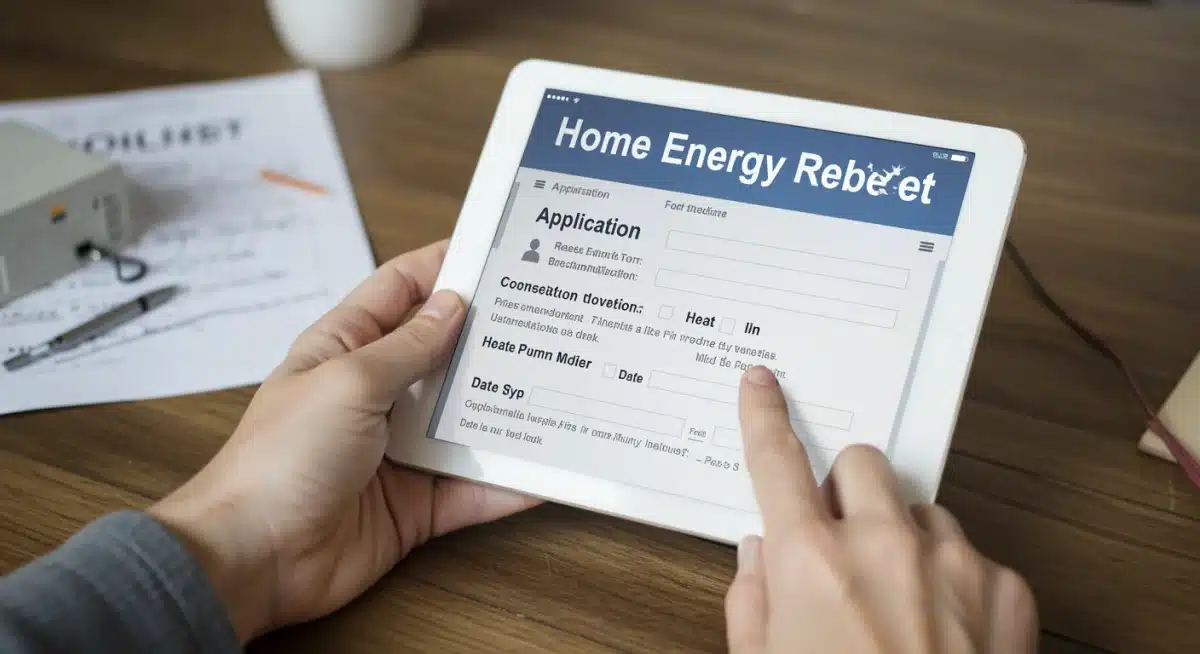
With all your documentation in hand, you are ready to submit your application. Most programs offer online portals for submission, which are often the most efficient method. However, some may still require mail-in applications. Carefully review the instructions for each specific program.
After submission, patience is key. Processing times can vary significantly depending on the volume of applications and the complexity of the program. It’s a good practice to note down submission dates and any reference numbers provided. If you don’t hear back within the stated timeframe, a polite follow-up call or email can be beneficial. Be prepared to provide your application details and any requested additional information promptly.
In conclusion, a systematic approach to the application process, from thorough documentation gathering to diligent follow-up, is essential for successfully securing your 2026 home energy rebates. By being organized and attentive to detail, you can ensure a smooth experience and enjoy the financial benefits of your heat pump installation.
Choosing the Right Heat Pump for Maximum Rebate Potential
Selecting the right heat pump is not just about comfort and energy efficiency; it’s also a critical factor in maximizing your rebate potential in 2026. Different heat pump models and types qualify for varying levels of incentives, and understanding these distinctions can significantly impact the amount of financial assistance you receive. Making an informed decision here is paramount to optimizing your investment.
The market offers a range of heat pump technologies, each with its own advantages and specific efficiency ratings. From air-source to geothermal systems, and even ductless mini-splits, the choice depends on your home’s characteristics, climate, and, crucially, the rebate program’s specific requirements. A careful evaluation will ensure both optimal performance and maximum savings.
Air-source vs. geothermal heat pumps
Two primary types of heat pumps dominate the residential market: air-source and geothermal. Both are highly efficient, but their operational principles and upfront costs differ, which in turn affects their rebate eligibility.
- Air-source heat pumps: These are the most common type, transferring heat between your home and the outside air. They are generally less expensive to install and offer substantial rebates, particularly for high-efficiency models. Many federal and state programs provide incentives for these systems.
- Geothermal heat pumps: These systems utilize the stable temperature of the earth to provide heating and cooling, making them incredibly efficient, especially in extreme climates. While their installation cost is higher due to ground-loop excavation, they often qualify for more significant and sometimes uncapped tax credits, particularly at the federal level. The federal Residential Clean Energy Credit (formerly the solar tax credit) can cover 30% of the cost of geothermal heat pumps through 2032.
The choice between air-source and geothermal often comes down to budget, available land, and long-term energy goals. Geothermal systems, despite higher initial costs, often offer lower operating expenses and higher overall efficiency, making them a strong contender for those seeking maximum long-term savings and higher initial rebates.
Understanding SEER2, HSPF2, and EER2 ratings
Rebate eligibility is almost always tied to the efficiency ratings of the heat pump. The new SEER2 (Seasonal Energy Efficiency Ratio 2), HSPF2 (Heating Seasonal Performance Factor 2), and EER2 (Energy Efficiency Ratio 2) standards, which became effective in 2023, are the metrics used in 2026 to determine a system’s efficiency. These numbers represent the system’s performance under specific testing conditions.
Higher SEER2 and HSPF2 ratings indicate greater energy efficiency for cooling and heating, respectively. Most rebate programs will specify minimum acceptable ratings for a system to qualify. Investing in a heat pump that significantly exceeds these minimums not only ensures eligibility for more programs but also translates to greater energy savings over the lifespan of the unit. Consulting with a certified HVAC professional can help you choose a system that meets both your home’s needs and the highest rebate thresholds.
In conclusion, selecting the optimal heat pump for your home involves considering both the type of system and its efficiency ratings. By aligning your choice with the specific requirements of available rebate programs, you can significantly enhance your financial benefits and ensure a wise investment in your home’s energy future.
Common Pitfalls and How to Avoid Them
While the prospect of securing significant rebates for heat pump installations is exciting, the process is not without its potential pitfalls. Being aware of these common mistakes and knowing how to circumvent them can save you considerable time, effort, and frustration. A proactive approach to avoiding these issues will ensure a smoother and more successful rebate claim.
From incomplete documentation to missed deadlines, various obstacles can derail your application. Understanding the nuances of the rebate landscape and exercising due diligence throughout the process are crucial for a positive outcome. This section highlights key areas where homeowners often encounter problems and provides actionable advice for avoidance.
Incomplete or incorrect documentation
One of the most frequent reasons for rebate application delays or rejections is incomplete or incorrect documentation. Each program has specific requirements, and even a minor omission can lead to your application being sent back for revisions, or worse, denied outright. This is where meticulous organization becomes invaluable.
- Double-check all forms: Ensure every field is filled out accurately and completely. Don’t leave any blanks that could be interpreted as an oversight.
- Verify supporting documents: Make sure all attached documents, such as invoices, certifications, and proofs of income, are current, legible, and directly relevant to the application.
- Follow specific instructions: Some programs require original signatures, specific file formats for digital submissions, or notarized documents. Adhering to these precise instructions is non-negotiable.
It is always a good idea to have a second pair of eyes review your application before submission, if possible. A friend or family member might catch a detail you overlooked, saving you potential headaches down the line.
Missing deadlines and program changes
Rebate programs are often subject to specific deadlines, and some, particularly state and local initiatives, can change their terms or even expire without extensive prior notice. Missing a submission deadline means forfeiting the rebate, regardless of how well your project qualifies.
Staying informed about program timelines and potential changes is crucial. Regularly check the websites of the federal agencies, state energy offices, and utility companies offering the rebates. Sign up for newsletters or alerts if available. If a program has a limited funding pool, applying early can be advantageous, as funds are often distributed on a first-come, first-served basis.
In conclusion, avoiding common pitfalls in the rebate application process requires careful attention to detail, thorough documentation, and vigilance regarding deadlines and program changes. By being prepared and proactive, you can navigate these challenges successfully and secure the maximum rebates for your heat pump installation.
The Long-Term Benefits of Heat Pump Investment Beyond Rebates
While the immediate financial relief from 2026 home energy rebates is a powerful motivator, the decision to install a heat pump extends far beyond these upfront savings. Investing in a high-efficiency heat pump system offers a wealth of long-term benefits that contribute to both your financial well-being and the comfort and value of your home. Understanding these enduring advantages solidifies the rationale for making this significant upgrade.
A heat pump is not just a modern appliance; it’s a strategic investment in sustainable living and future savings. The operational efficiencies, environmental contributions, and enhanced home comfort it provides continue to deliver value long after the rebate check has been cashed. These benefits collectively paint a compelling picture for homeowners considering the transition.
Significant energy cost reductions
The most tangible long-term benefit of a heat pump is the dramatic reduction in your monthly energy bills. Heat pumps are incredibly efficient, especially when compared to traditional furnaces and air conditioners. They don’t generate heat by burning fuel; instead, they move heat from one place to another, a process that requires far less energy.
- Lower heating costs: In many climates, heat pumps can provide heating at a fraction of the cost of natural gas, oil, or electric resistance heating.
- Lower cooling costs: During warmer months, heat pumps function as highly efficient air conditioners, often outperforming conventional AC units in terms of energy consumption.
- Reduced carbon footprint: By consuming less energy, especially when powered by renewable electricity, heat pumps significantly lower your household’s greenhouse gas emissions.
These consistent savings accumulate over the lifespan of the unit, often offsetting the initial investment multiple times over. The predictability of energy costs with a heat pump also provides a degree of financial stability, shielding homeowners from volatile fossil fuel price fluctuations.
Enhanced home comfort and air quality
Beyond financial savings, heat pumps offer superior indoor comfort and can contribute to better air quality. Their ability to both heat and cool provides a consistent, comfortable indoor environment year-round, without the sharp temperature swings often associated with older HVAC systems.
Modern heat pumps are designed for quiet operation and precise temperature control, often with multi-zone capabilities that allow different areas of your home to be heated or cooled independently. Furthermore, many heat pump systems incorporate advanced filtration, which can improve indoor air quality by removing allergens, dust, and other pollutants, creating a healthier living space for your family.
In conclusion, while the 2026 home energy rebates provide an excellent incentive for heat pump installations, the long-term benefits of reduced energy costs, enhanced comfort, and environmental sustainability truly underscore the value of this investment. A heat pump is a forward-thinking choice that pays dividends for years to come, securing a more efficient and comfortable future for your home.
Future Trends and Sustained Support for Energy Efficiency
Looking beyond the immediate opportunities of 2026, the trajectory for home energy efficiency, particularly for heat pump technology, points towards sustained growth and continued governmental support. The current rebate programs are not isolated initiatives but rather integral components of a broader, long-term strategy to decarbonize the residential sector and build a more resilient energy infrastructure. Understanding these future trends can help homeowners plan even more effectively.
The commitment to clean energy is deepening, driven by both environmental imperatives and economic advantages. This ongoing focus suggests that homeowners who embrace energy-efficient upgrades now are positioning themselves favorably for future innovations and potentially even more robust support mechanisms. The landscape of energy policy is dynamic, but its direction towards electrification and efficiency is clear.
Anticipated program evolutions and new technologies
As technology advances and energy goals evolve, rebate programs are likely to adapt and expand. We can anticipate several key developments in the coming years:
- Increased efficiency standards: Minimum efficiency requirements for qualifying equipment, including heat pumps, are expected to become more stringent, pushing manufacturers to innovate further.
- Broader scope of eligible technologies: New advancements in smart home energy management systems, thermal storage solutions, and integrated renewable energy systems may become eligible for incentives.
- Performance-based incentives: There’s a growing trend towards rewarding actual energy savings, rather than just equipment installation. Future programs might offer incentives based on a home’s measured reduction in energy consumption.
These evolutions will likely make energy efficiency even more accessible and rewarding. Homeowners who install high-efficiency heat pumps now are already ahead of the curve, ready to integrate with future smart home technologies and potentially qualify for subsequent incentives.
The role of electrification in a sustainable future
The push for heat pumps is a central pillar of the broader electrification movement, which aims to replace fossil fuel-powered systems with electric alternatives, ideally powered by renewable energy sources. This transition is not just about heating and cooling but encompasses a holistic approach to home energy.
As the electric grid becomes cleaner, powered increasingly by solar, wind, and other renewables, heat pumps become an even more powerful tool for reducing carbon emissions. This long-term vision ensures that investments made in heat pump technology today are aligned with the national and global goals for a sustainable future. Moreover, the increased demand for heat pumps is fostering a competitive market, which could lead to further cost reductions and technological improvements.
In conclusion, the 2026 home energy rebate programs for heat pump installations are part of a larger, sustained commitment to energy efficiency and electrification. By participating now, homeowners not only reap immediate financial benefits but also align themselves with a future that promises continued innovation, environmental responsibility, and long-term savings through smart energy choices.
| Key Aspect | Brief Description |
|---|---|
| Federal Rebates | Inflation Reduction Act (IRA) offers tax credits and upfront discounts for heat pumps, forming the baseline of savings. |
| Eligibility | Criteria include income levels (for some programs) and specific heat pump efficiency ratings (SEER2, HSPF2, EER2). |
| Stacking Savings | Combine federal, state, local, and utility company programs to maximize total rebate amounts for heat pump installations. |
| Long-Term Benefits | Beyond rebates, heat pumps offer significant energy cost reductions, improved home comfort, and a lower carbon footprint. |
Frequently Asked Questions About 2026 Heat Pump Rebates
While federal tax credits can offer up to $2,000 annually for eligible energy improvements, including heat pumps, stacking these with state, local, and utility rebates could potentially lead to total savings of $1,600 or more, depending on your location and income.
No, not all heat pump rebates have income requirements. Federal tax credits, such as the Energy Efficient Home Improvement Credit, are generally available to all homeowners regardless of income. However, many upfront discount programs, like the High-Efficiency Electric Home Rebate Program, do have income-based eligibility criteria.
Yes, in many cases, you can stack federal heat pump rebates with state, local, and even utility company incentives. This is a key strategy for maximizing your total savings. Always check the specific terms of each program to ensure they are compatible and can be combined.
For 2026, you should look for heat pumps with high SEER2 (Seasonal Energy Efficiency Ratio 2) for cooling, HSPF2 (Heating Seasonal Performance Factor 2) for heating, and EER2 (Energy Efficiency Ratio 2) ratings. Most rebate programs specify minimum thresholds for these metrics to qualify.
Commonly required documents include proof of income (if applicable), homeownership verification, detailed heat pump specifications and certifications, contractor information, an itemized invoice for the installation, and any necessary local permits. Always keep copies for your records.
Conclusion
The 2026 home energy rebate programs offer an unparalleled opportunity for homeowners to invest in energy-efficient heat pump installations with significant financial backing. By diligently navigating the federal, state, local, and utility incentives, you can secure substantial savings, potentially up to $1,600 or more, making this crucial home upgrade more accessible than ever. Beyond the immediate rebates, a heat pump installation promises long-term benefits through reduced energy bills, enhanced home comfort, and a positive environmental impact. Embracing these programs not only improves your home’s efficiency and value but also contributes to a sustainable energy future for all.