Mastering Clean Energy: 3-Month Professional Curriculum 2026

The global energy landscape is undergoing a monumental transformation. Driven by urgent climate concerns, technological advancements, and shifting economic paradigms, the clean energy sector is experiencing unprecedented growth. This surge creates a critical demand for skilled professionals equipped with the knowledge and practical expertise to navigate this dynamic field. If you’re an aspiring professional looking to make a significant impact and secure a future-proof career, understanding the core components of a robust clean energy curriculum is paramount. This article outlines a comprehensive 3-month curriculum, designed to provide the essential foundation needed by mid-2026, focusing on practical solutions and real-world applications.
The transition to a sustainable energy future isn’t just an environmental imperative; it’s an economic opportunity creating millions of jobs worldwide. From engineers and project managers to policy analysts and financial experts, the clean energy value chain requires a diverse array of talent. However, the rapid evolution of technologies and policies means that traditional educational paths may not always keep pace. This is where a targeted, intensive clean energy curriculum comes into play, offering a fast-track to competence and career readiness.
By mid-2026, the clean energy industry will have matured significantly, with new technologies becoming mainstream and regulatory frameworks more established. Therefore, the curriculum we propose is forward-looking, anticipating the skills and knowledge that will be most valuable in this near-future landscape. Our focus is on practical, actionable insights that can be immediately applied in professional settings, moving beyond theoretical concepts to tangible solutions.
Why a Focused 3-Month Clean Energy Curriculum Now?
The urgency of climate change and the accelerating pace of technological innovation mean that waiting years for a traditional degree may not be the most strategic path for those eager to enter the clean energy workforce. A concise, intensive 3-month clean energy curriculum offers several distinct advantages:
- Rapid Skill Acquisition: It allows for the quick acquisition of highly sought-after skills, enabling professionals to enter or transition into the clean energy sector much faster.
- Industry Relevance: Such programs can be designed to be highly responsive to current industry needs, incorporating the latest technologies, policies, and market trends.
- Cost-Effectiveness: Shorter programs often translate to lower tuition fees and less time out of the workforce, making them a more accessible option.
- Career Pivoting: For established professionals looking to shift careers, a targeted curriculum provides the necessary foundational knowledge without requiring a complete career overhaul.
- Meeting Market Demand: The demand for clean energy professionals is outstripping supply. A focused curriculum helps bridge this gap efficiently.
Our proposed clean energy curriculum is structured to maximize learning efficiency and practical application, ensuring that graduates are not just knowledgeable, but also highly competent and immediately employable in key roles within the clean energy ecosystem.
Month 1: Foundations of Clean Energy & Core Technologies
The first month of this intensive clean energy curriculum is dedicated to building a strong foundational understanding of the clean energy landscape, its underlying principles, and the primary technologies driving the transition. This module sets the stage for more specialized learning in subsequent months.
Week 1: Global Energy Landscape & Climate Change Context
- Introduction to Energy Systems: Understanding conventional energy sources, their challenges, and the imperative for clean energy.
- Climate Change Science & Policy: A review of climate science, international agreements (e.g., Paris Agreement), and national climate targets.
- Energy Transition Dynamics: Exploring the drivers, challenges, and opportunities of the global energy transition.
- Key Clean Energy Terminology: Defining essential terms, metrics, and concepts (e.g., LCOE, capacity factor, grid parity).
Week 2: Solar Photovoltaic (PV) Systems
- Solar PV Fundamentals: Principles of photovoltaics, different types of solar cells (monocrystalline, polycrystalline, thin-film).
- PV System Components: Inverters, mounting structures, cabling, monitoring systems.
- System Design & Sizing: Residential, commercial, and utility-scale PV system design considerations.
- Installation & Maintenance Basics: Overview of installation processes, safety protocols, and operational maintenance.
- Software Tools for PV Design: Introduction to tools like PVSyst or Helioscope (basic functionality).
Week 3: Wind Energy Technology
- Wind Energy Principles: Aerodynamics of wind turbines, wind resource assessment.
- Types of Wind Turbines: Horizontal vs. vertical axis, onshore vs. offshore.
- Wind Farm Development: Site selection, environmental impact assessment, grid connection.
- Operation & Maintenance: Understanding turbine components, common issues, and maintenance strategies.
- Policy & Economics of Wind Power: Incentives, market structures, and cost considerations.
Week 4: Energy Storage Solutions
- Importance of Energy Storage: Addressing intermittency, grid stability, and peak shaving.
- Battery Technologies: Lithium-ion, lead-acid, flow batteries – principles, applications, and limitations.
- Other Storage Technologies: Pumped hydro, compressed air, thermal storage, hydrogen.
- Storage System Design & Integration: Sizing, control systems, and safety considerations.
- Case Studies: Real-world applications of energy storage in grid-scale and distributed systems.
By the end of Month 1, participants will have a solid understanding of the primary clean energy generation and storage technologies, positioning them to delve deeper into integration and economic aspects.
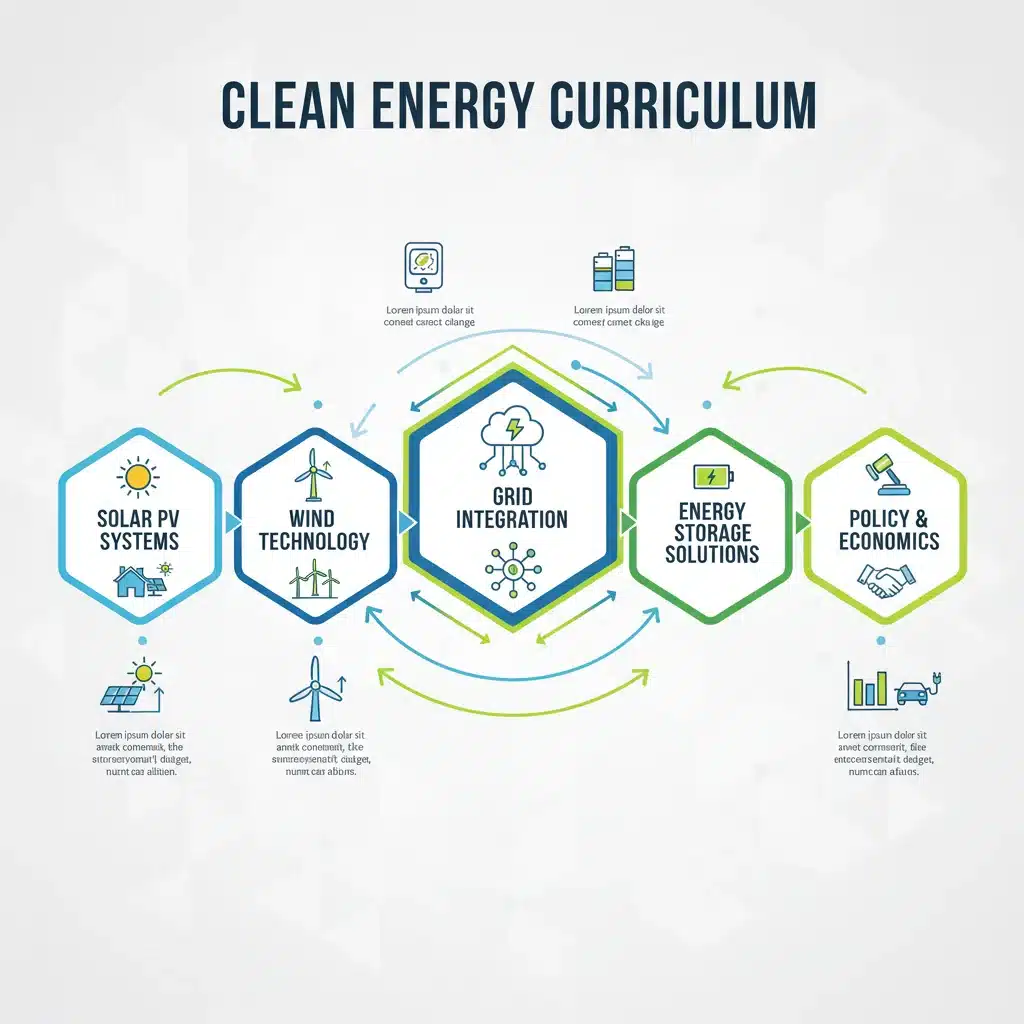
Month 2: Grid Integration, Smart Technologies & Policy
The second month of the clean energy curriculum shifts focus to how these diverse clean energy sources are integrated into existing energy infrastructure, the role of smart technologies, and the critical policy and regulatory frameworks that govern the sector. This month emphasizes the systemic view of clean energy.
Week 5: Grid Modernization & Smart Grids
- Traditional Grid Architecture: Understanding centralized generation and one-way power flow.
- Challenges of Renewables Integration: Intermittency, voltage fluctuations, grid stability.
- Smart Grid Concepts: Advanced metering infrastructure (AMI), demand-side management (DSM), distributed energy resources (DERs).
- Microgrids & Resiliency: Design, operation, and benefits of localized energy systems.
- Cybersecurity in Energy Systems: Protecting critical infrastructure from digital threats.
Week 6: Energy Efficiency & Demand-Side Management
- Principles of Energy Efficiency: Reducing energy consumption without sacrificing services.
- Building Energy Management: HVAC optimization, smart lighting, building automation systems.
- Industrial Energy Efficiency: Process optimization, waste heat recovery.
- Demand Response Programs: Incentives for consumers to reduce or shift energy use during peak times.
- Energy Auditing Fundamentals: Conducting basic energy audits for residential and commercial buildings.
Week 7: Clean Energy Policy & Regulation
- Policy Instruments: Feed-in tariffs, tax credits, renewable portfolio standards (RPS), carbon pricing.
- Regulatory Bodies: Understanding the role of national and international energy regulators.
- Market Mechanisms: Wholesale electricity markets, capacity markets, ancillary services.
- Environmental & Social Impact Assessment: Regulatory requirements and best practices for project development.
- International Cooperation & Geopolitics of Energy: Global trends and collaborations in clean energy.
Week 8: Project Development & Management Fundamentals
- Project Lifecycle: From conception to commissioning and operation.
- Site Selection & Permitting: Key considerations for clean energy projects.
- Stakeholder Engagement: Working with communities, landowners, and government agencies.
- Risk Management: Identifying and mitigating technical, financial, and regulatory risks.
- Introduction to Project Finance: Basic concepts of financing clean energy projects.
Month 2 solidifies the understanding of how clean energy projects are conceived, integrated into the broader energy system, and governed by policy, giving participants a holistic view of the operational environment. This part of the clean energy curriculum is invaluable for anyone aiming for project management or policy-related roles.
Month 3: Advanced Topics, Practical Applications & Career Readiness
The final month of the clean energy curriculum is dedicated to advanced concepts, hands-on practical applications, and crucial career development skills. This month aims to bridge the gap between theoretical knowledge and real-world professional demands, ensuring graduates are job-ready.
Week 9: Emerging Clean Energy Technologies & Innovation
- Advanced Solar Technologies: Perovskites, concentrating solar power (CSP), solar fuels.
- Ocean & Geothermal Energy: Principles, current status, and future potential.
- Hydrogen Economy: Green hydrogen production, storage, transport, and applications.
- Carbon Capture, Utilization, and Storage (CCUS): Technologies and their role in decarbonization.
- Nuclear Energy (Advanced Reactors): Small modular reactors (SMRs) and their potential role.
Week 10: Clean Energy Economics & Finance
- Cost-Benefit Analysis: Evaluating the economic viability of clean energy projects.
- Financial Modeling Basics: Introduction to key financial metrics (NPV, IRR, Payback Period) for clean energy investments.
- Funding Mechanisms: Green bonds, venture capital, public-private partnerships.
- Carbon Markets & Trading: Understanding emissions trading schemes and their impact.
- Risk Assessment in Clean Energy Investments: Technical, market, and regulatory risks.
Week 11: Data Analytics & Digitalization in Clean Energy
- Role of Data in Energy: Monitoring, optimization, predictive maintenance.
- Introduction to IoT in Clean Energy: Smart sensors, connected devices.
- Big Data & AI Applications: Forecasting, grid management, anomaly detection.
- Geographic Information Systems (GIS): Site assessment and resource mapping for renewable projects.
- Digital Twin Technology: Simulating and optimizing energy assets.
Week 12: Practical Solutions, Capstone Project & Career Development
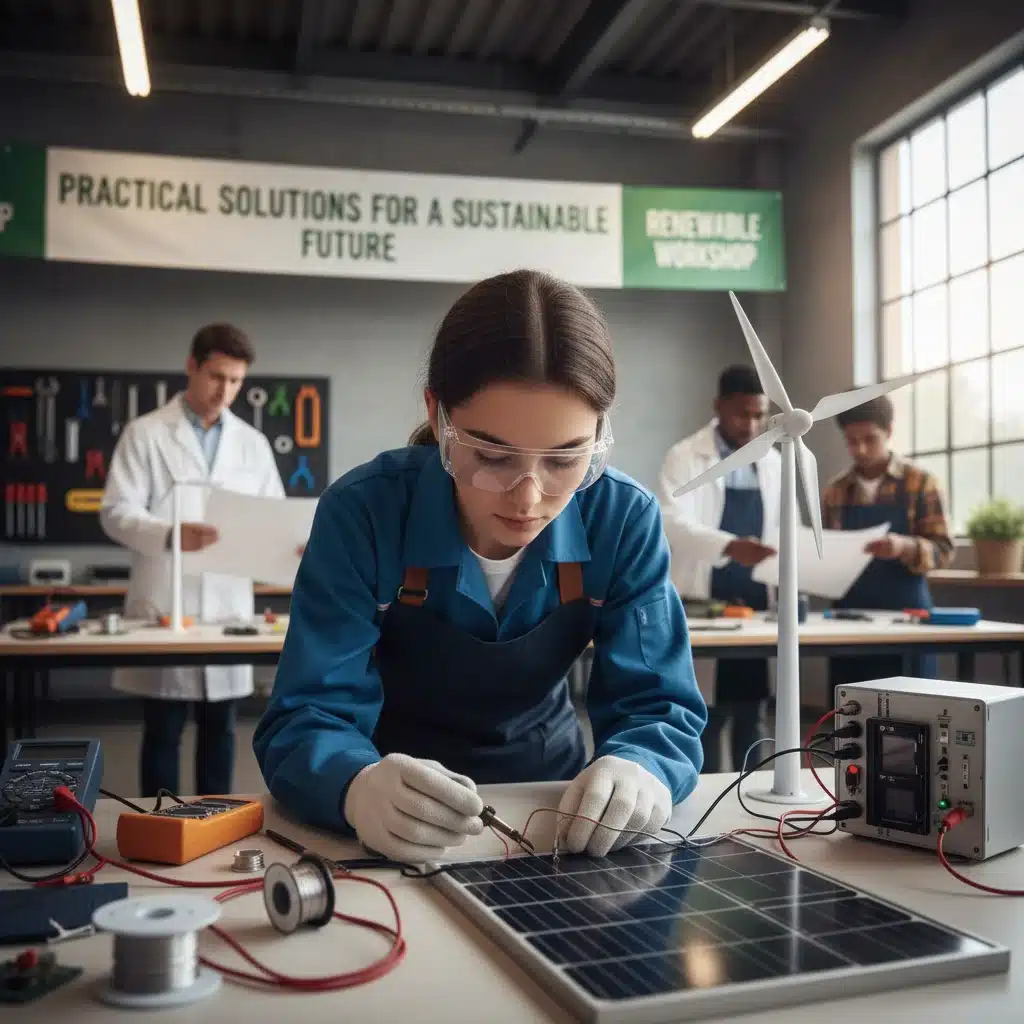
- Capstone Project: Application of learned knowledge to a real-world clean energy challenge or case study. This could involve designing a small-scale solar project, analyzing the economics of a wind farm, or proposing a grid integration strategy.
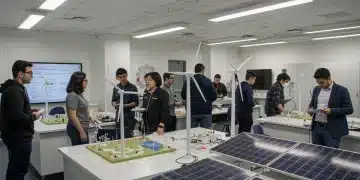
- Practical Workshops: Hands-on sessions with software tools, simulation exercises, or virtual site visits.
- Networking & Industry Connections: Guest speakers from the industry, virtual career fairs, mentorship opportunities.
- Resume Building & Interview Skills: Tailoring applications for clean energy roles.
- Future Trends & Continuous Learning: Staying updated in a rapidly evolving sector.
The capstone project in Week 12 is a critical component of this clean energy curriculum, allowing participants to synthesize their knowledge and demonstrate their ability to devise practical solutions. This practical application reinforces learning and provides tangible evidence of skill for potential employers.
Who Is This Clean Energy Curriculum For?
This 3-month intensive clean energy curriculum is ideal for a diverse range of individuals:
- Recent Graduates: Those with engineering, science, business, or environmental degrees looking to specialize in a high-growth sector.
- Traditional Energy Professionals: Individuals currently working in fossil fuel industries who want to pivot their careers towards renewables.
- Project Managers: Professionals seeking to apply their project management skills to clean energy development.
- Policy Analysts & Economists: Those interested in the regulatory and financial aspects of the energy transition.
- Entrepreneurs: Individuals looking to start their own clean energy ventures.
- Government Employees: Staff involved in energy planning, environmental regulation, or urban development.
The interdisciplinary nature of the clean energy sector means that a broad range of backgrounds can find a valuable niche, provided they acquire the specialized knowledge offered by a comprehensive clean energy curriculum.
Key Learning Outcomes by Mid-2026
Upon successful completion of this 3-month clean energy curriculum, participants will be able to:
- Articulate the fundamental principles and technologies of major clean energy sources (solar, wind, storage).
- Understand the complexities of grid integration and the role of smart technologies in modern energy systems.
- Analyze the economic viability and financial models of clean energy projects.
- Navigate the policy and regulatory landscape governing the clean energy sector.
- Identify and evaluate emerging clean energy technologies and their market potential.
- Apply project management principles to clean energy development.
- Utilize basic data analytics tools for energy system optimization.
- Communicate effectively about clean energy concepts to diverse audiences.
- Contribute to the identification and implementation of practical solutions for energy challenges.
These outcomes are carefully designed to align with the skill sets most desired by employers in the clean energy industry by mid-2026, ensuring graduates are not just knowledgeable, but truly competent and ready to contribute from day one.
The Future is Clean: Your Role in the Energy Transition
The energy transition is not just a concept; it’s a monumental undertaking that requires dedicated, skilled professionals. By investing in a focused clean energy curriculum, you are not only advancing your own career but also contributing to a more sustainable and resilient future for everyone. The demand for expertise in this sector will only continue to grow, making now the opportune moment to acquire the necessary skills.
This 3-month program is more than just a series of courses; it’s a pathway to becoming a change-maker in one of the most critical industries of our time. The practical solutions emphasized throughout the curriculum ensure that you’re prepared not just for theoretical discussions, but for tangible impact. Whether you aspire to work in renewable energy project development, energy policy, grid modernization, or sustainable finance, a solid foundation in clean energy is your key to success.
The rapid evolution of the clean energy landscape means continuous learning is essential. While this curriculum provides a strong foundation, it also instills the mindset of lifelong learning, preparing you to adapt to future innovations and challenges. Embrace this opportunity to become a leader in the clean energy revolution. By mid-2026, the skills you gain from this comprehensive clean energy curriculum will be your most valuable assets.
Start your journey today and be part of the solution. The future of energy is clean, and your expertise is needed to build it.