Clean Energy Jobs 2026: Training, Benefits & Incentives
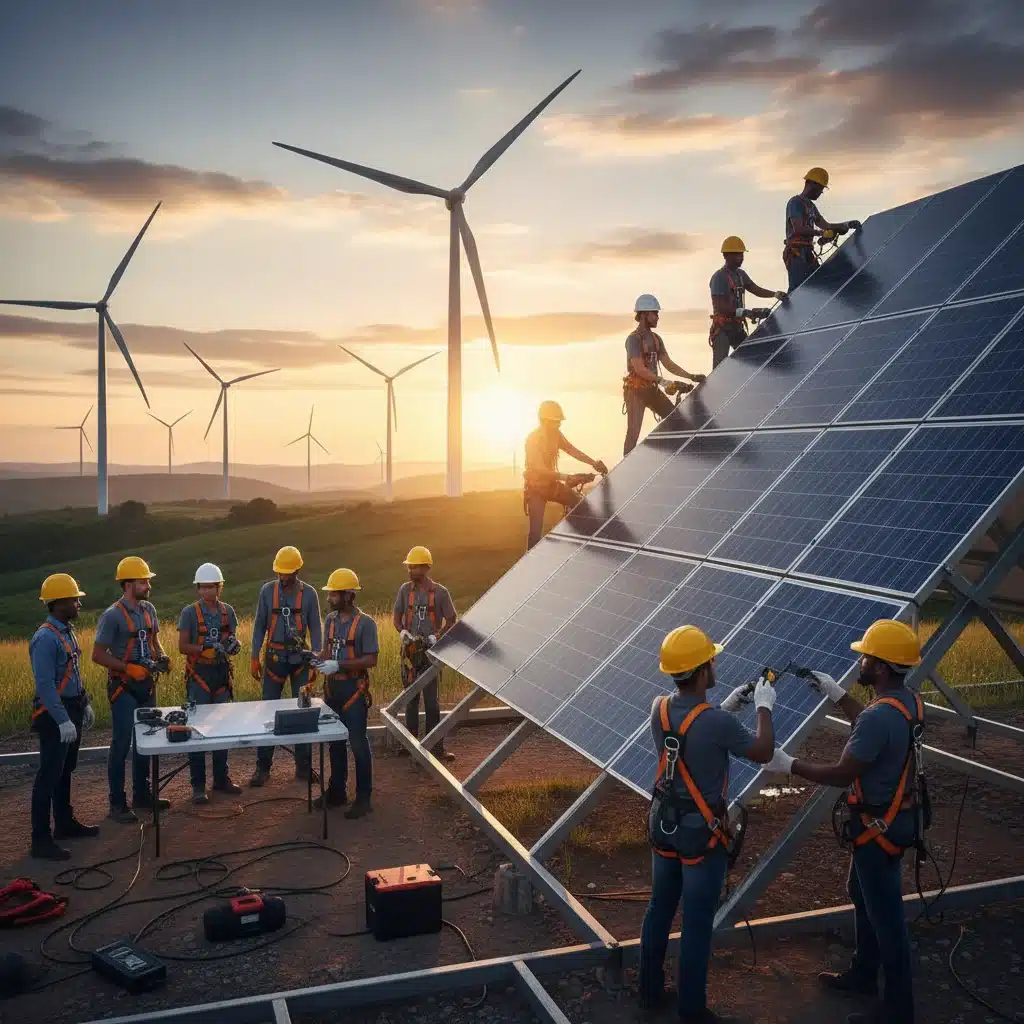
The dawn of a new era is upon us, an era defined by sustainability, innovation, and a profound shift towards environmentally conscious practices. At the heart of this transformation lies the burgeoning clean energy sector, a dynamic industry that is not only addressing the urgent challenges of climate change but also creating a vast landscape of economic opportunities. As we look towards 2026 and beyond, the demand for skilled professionals in Clean Energy Jobs is skyrocketing, offering a promising future for those ready to embrace the green revolution. This comprehensive guide will delve into the exciting world of clean energy employment, exploring the myriad benefits, cutting-edge training programs, and lucrative incentives designed to propel your career in this vital field.
The Unstoppable Rise of Clean Energy Jobs
The global commitment to reducing carbon emissions and transitioning away from fossil fuels has ignited an unprecedented expansion in the clean energy sector. Governments, corporations, and individuals worldwide are investing heavily in renewable energy sources such as solar, wind, hydropower, and geothermal. This monumental shift isn’t just about environmental responsibility; it’s a powerful economic engine, creating millions of green job opportunities across various industries. From engineers and technicians to project managers and policy analysts, the spectrum of roles within clean energy is incredibly diverse and continues to expand rapidly.
Projections for 2026 indicate a robust and sustained growth trajectory for clean energy employment. This growth is fueled by technological advancements, declining costs of renewable energy technologies, and supportive government policies aimed at accelerating the clean energy transition. The stability and long-term prospects of these roles make them incredibly attractive to a new generation of workers seeking purpose-driven careers that contribute positively to the planet.
Understanding the landscape of clean energy jobs requires recognizing the interconnectedness of various sectors. It’s not just about building solar farms or wind turbines; it encompasses the entire value chain, from research and development of new materials to the installation, maintenance, and even the eventual decommissioning and recycling of renewable energy infrastructure. This holistic approach ensures a broad range of roles for individuals with diverse skill sets and educational backgrounds.
Benefits of a Career in Clean Energy: Beyond the Paycheck
Choosing a career in clean energy offers a multitude of benefits that extend far beyond financial compensation. While competitive salaries and robust job security are certainly appealing, the intrinsic rewards of contributing to a sustainable future are often equally, if not more, compelling. Let’s explore some of the key advantages:
Job Security and Growth Potential
Unlike traditional industries that can be susceptible to economic fluctuations or resource depletion, the clean energy sector is built on a foundation of continuous innovation and an ever-increasing global demand for sustainable power. This translates into exceptional job security. As the world continues its transition to renewables, the need for skilled professionals to develop, implement, and maintain these systems will only intensify. This upward trend ensures not just current employment but also significant opportunities for career advancement and specialization within the field.
The growth potential in clean energy careers is virtually limitless. As new technologies emerge and existing ones become more efficient, there will be a constant need for individuals who can adapt, learn, and innovate. This dynamic environment fosters continuous professional development and offers pathways to leadership roles, research positions, and entrepreneurial ventures.
Competitive Salaries and Benefits
The high demand for specialized skills in the clean energy sector often translates into highly competitive salaries. Employers are eager to attract and retain top talent, offering attractive compensation packages that frequently include comprehensive health benefits, retirement plans, and performance-based incentives. Furthermore, many clean energy companies are at the forefront of progressive workplace policies, offering flexible work arrangements and a strong focus on employee well-being.
For example, a skilled wind turbine technician or a solar energy system installer can expect a salary that rivals or even exceeds that of many traditional trades. Engineers specializing in renewable energy often command premium salaries due to the complexity and innovation involved in their roles. The financial stability offered by lucrative green jobs is a significant draw for many.
Making a Tangible Impact on the Planet
Perhaps the most profound benefit of working in clean energy is the opportunity to make a real, tangible difference in the fight against climate change. Every day, professionals in this sector contribute to reducing carbon footprints, improving air quality, and preserving natural resources for future generations. This sense of purpose and contribution is a powerful motivator and a source of immense job satisfaction.
Imagine being part of a team that brings clean electricity to thousands of homes, or developing a new technology that drastically reduces energy consumption. These are the daily realities for those in environmental impact careers within clean energy. The work is not just a job; it’s a mission.
Innovation and Cutting-Edge Technology
The clean energy sector is a hotbed of innovation. It’s a field constantly pushing the boundaries of what’s possible, from advanced battery storage solutions and smart grid technologies to next-generation solar cells and offshore wind farms. Working in this environment means you’ll be at the forefront of technological advancements, constantly learning and applying new knowledge.
For those with a passion for science, technology, engineering, and mathematics (STEM), innovative clean energy roles offer unparalleled opportunities to engage with cutting-edge research and development. This dynamic aspect ensures that your career will remain stimulating and intellectually rewarding.
Essential Training Programs for Clean Energy Jobs in 2026
As the clean energy sector evolves, so too do the skills required to thrive within it. Fortunately, a wide array of training programs, educational pathways, and certifications are available to equip individuals with the necessary expertise. Whether you’re a recent graduate, a seasoned professional looking to reskill, or someone entirely new to the field, there’s a path for you.
Vocational and Technical Training
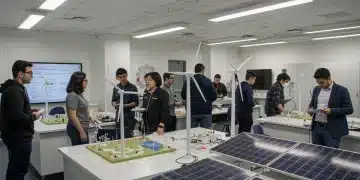
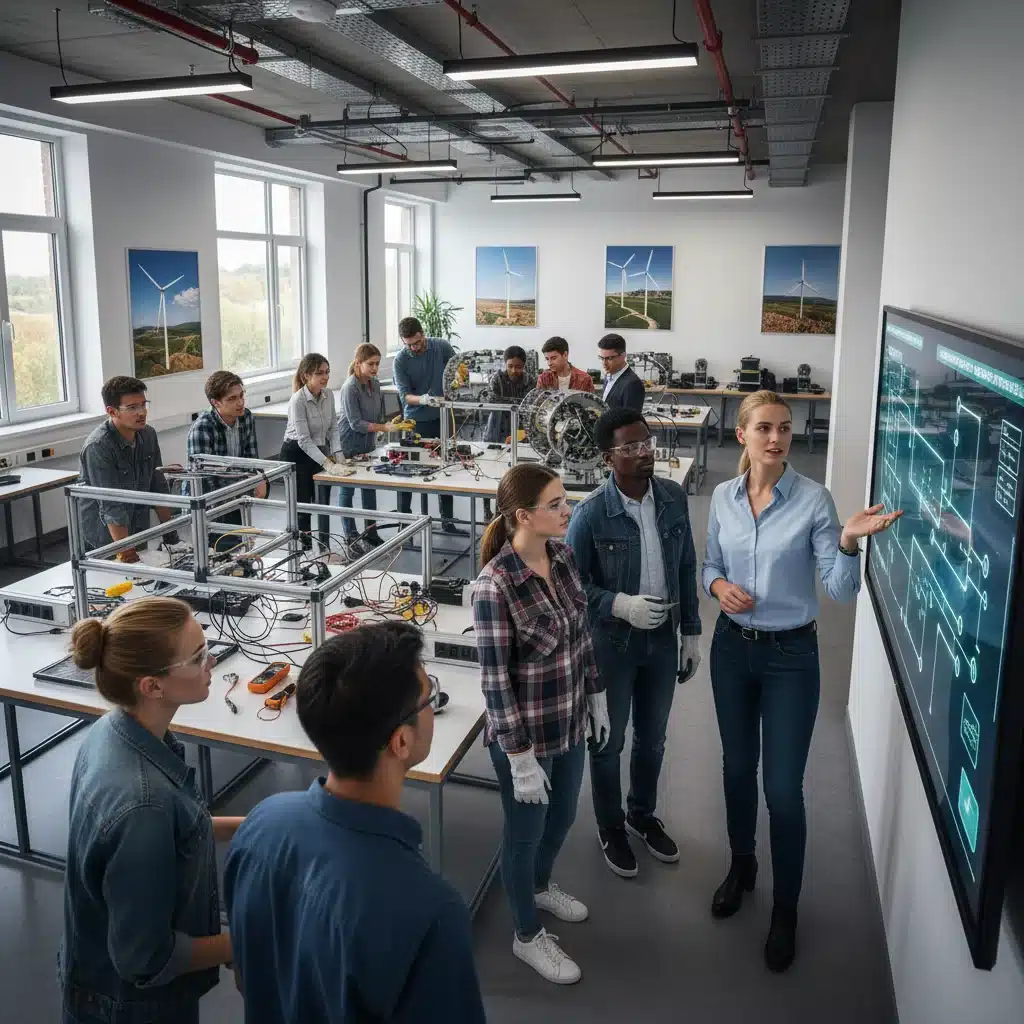
Many clean energy jobs require hands-on technical skills. Vocational schools, community colleges, and specialized training centers offer programs focusing on areas such as solar panel installation, wind turbine maintenance, energy efficiency auditing, and HVAC systems. These programs typically range from a few months to two years and provide practical, job-specific training that is highly valued by employers.
Certifications from recognized industry bodies, such as the North American Board of Certified Energy Practitioners (NABCEP) for solar professionals, are often crucial for demonstrating competency and enhancing employability. These renewable energy certifications validate practical skills and knowledge, making graduates highly sought after.
University Degrees and Advanced Studies
For roles in research and development, engineering, project management, and policy analysis, a university degree is often a prerequisite. Bachelor’s, Master’s, and Doctoral programs in fields like renewable energy engineering, environmental science, sustainable development, and energy policy are becoming increasingly popular. These programs provide a deeper theoretical understanding and equip students with critical thinking and problem-solving skills essential for leadership and innovation.
Many universities are now offering specialized renewable energy degrees and concentrations, reflecting the growing demand for highly educated professionals in this sector. These academic pathways often include internships and research opportunities, providing valuable real-world experience.
Online Courses and Micro-credentials
The digital age has opened up new avenues for learning, and the clean energy sector is no exception. Numerous online platforms offer courses, specializations, and micro-credentials in various aspects of clean energy. These options provide flexibility for individuals who may be working or have other commitments, allowing them to upskill or reskill at their own pace.
While not always a substitute for hands-on vocational training or a full degree, online clean energy courses can be excellent for foundational knowledge, staying current with industry trends, or exploring a new area of interest before committing to a longer program. They are particularly useful for professionals in related fields looking to transition into clean energy roles.
Apprenticeships and On-the-Job Training
Apprenticeships are a time-honored tradition that remains highly effective in the clean energy sector. They combine structured classroom instruction with extensive on-the-job training, allowing individuals to earn a wage while learning from experienced professionals. This practical approach is invaluable for developing the specific skills needed for roles like electricians specializing in solar, wind turbine technicians, or geothermal system installers.
Many companies in the clean energy industry offer clean energy apprenticeships as a way to build their skilled workforce. These programs often lead directly to full-time employment and provide a strong foundation for a long-term career.
Government Incentives and Support for Clean Energy Careers
Recognizing the strategic importance of the clean energy transition, governments worldwide are implementing a range of incentives and support programs to foster growth in the sector and encourage workforce development. These initiatives aim to reduce barriers to entry, support training, and stimulate investment in green technologies.
Tax Credits and Grants for Training
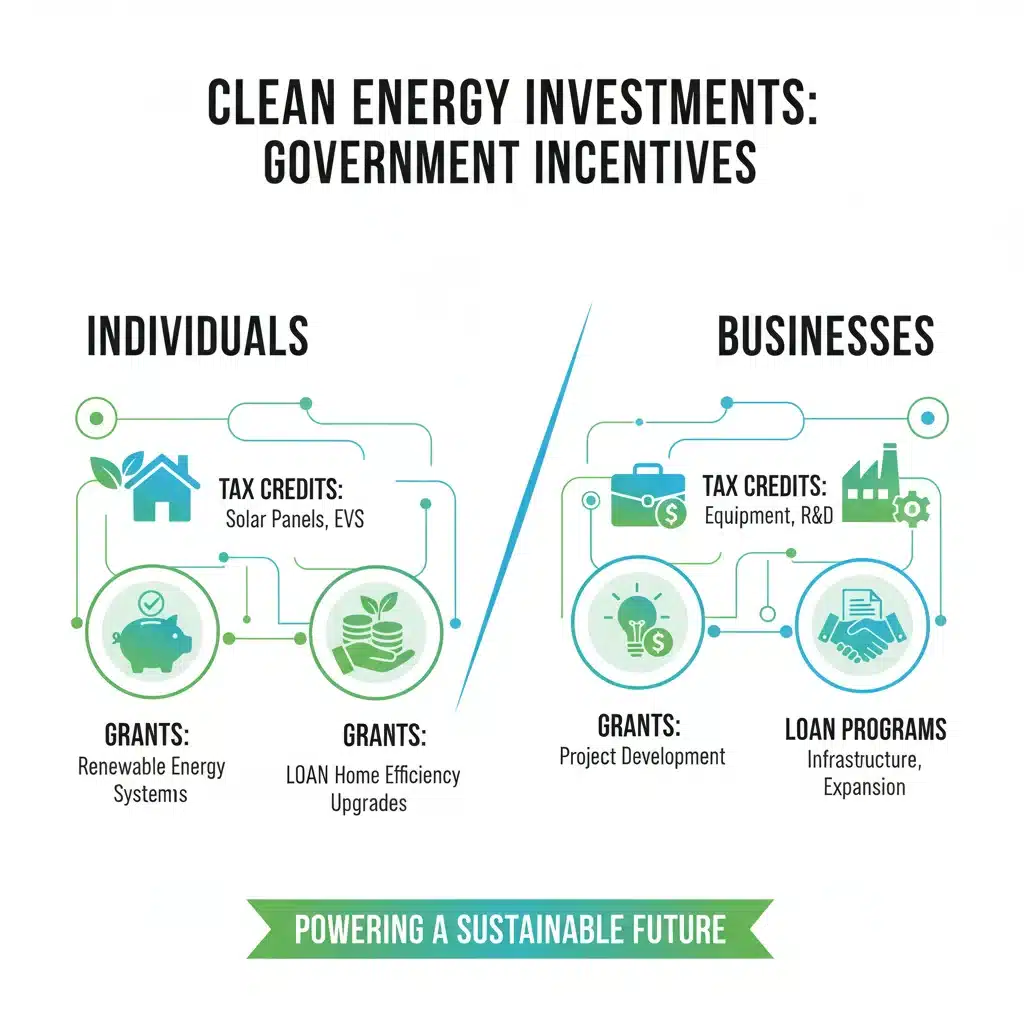
Many governments offer tax credits or grants to individuals and educational institutions involved in clean energy training. These incentives can significantly reduce the cost of education and make clean energy training more accessible. Prospective students should research federal, state, and local programs that provide financial assistance for tuition, materials, and even living expenses during training periods.
For employers, there are often tax incentives for hiring and training individuals in clean energy roles, further stimulating job creation and workforce development. These programs are designed to create a positive feedback loop, encouraging both supply and demand for skilled labor in the sector.
Loan Programs and Scholarships
Beyond grants, various loan programs and scholarships are specifically tailored for students pursuing renewable energy studies. These financial aid options can make higher education and vocational training more affordable, removing financial hurdles that might otherwise deter individuals from entering the field. Organizations, both governmental and non-profit, frequently offer these opportunities to cultivate a robust pipeline of clean energy talent.
It’s always recommended to explore all available financial aid avenues, as the cost of education can be a significant factor. Many institutions also have dedicated financial aid counselors who can guide students through the application process for these specialized programs.
Policy Support and Regulatory Frameworks
Government policies play a pivotal role in shaping the clean energy job market. Renewable portfolio standards (RPS), carbon pricing mechanisms, and investment in smart grid infrastructure all create a stable and growing demand for clean energy technologies and, consequently, for the workforce that designs, builds, and maintains them. These clean energy policy supports provide a predictable environment for businesses to invest and expand, leading to more job creation.
Understanding the regulatory landscape is also crucial for professionals in the field, especially those in policy, project development, and legal roles. Staying informed about evolving regulations ensures compliance and identifies new opportunities within the market.
Research and Development Funding
Governments often provide substantial funding for research and development in clean energy technologies. This support not only drives innovation but also creates high-skilled jobs for scientists, engineers, and researchers. Working on cutting-edge R&D projects offers the chance to contribute to breakthroughs that could revolutionize the industry and further accelerate the transition to a sustainable energy future.
These clean energy R&D funding initiatives are critical for maintaining a competitive edge and ensuring that the nation remains at the forefront of renewable energy advancements.
Key Areas of Growth in Clean Energy Jobs for 2026
As the clean energy sector matures, certain areas are experiencing particularly rapid growth and are expected to be major job creators in 2026. Understanding these trends can help individuals tailor their training and career aspirations.
Solar Energy Installation and Maintenance
Solar energy continues to be a dominant force in the renewable landscape. The installation of rooftop solar panels for homes and businesses, as well as large-scale solar farms, requires a significant workforce. Beyond installation, the long-term maintenance and repair of these systems ensure a steady demand for solar energy careers. Roles include solar installers, electricians, project managers, and sales representatives.
The declining cost of solar technology and supportive policies make this sector a consistent source of new solar job growth.
Wind Turbine Technicians
Wind power, both onshore and increasingly offshore, is another rapidly expanding segment. Wind turbine technicians are highly sought after to install, inspect, maintain, and repair these massive structures. This role often involves working at heights and requires specialized training in mechanics, electronics, and safety protocols. The technical complexity and critical nature of these roles ensure high demand and competitive compensation.
As wind farms become more prevalent, the need for skilled wind turbine technician jobs will only increase, offering excellent long-term career prospects.
Energy Storage and Grid Modernization
The intermittency of some renewable energy sources necessitates robust energy storage solutions, such as advanced batteries. This area is experiencing explosive growth, creating new jobs in manufacturing, installation, and maintenance of storage systems. Furthermore, modernizing the electrical grid to accommodate a higher proportion of renewable energy requires smart grid engineers, cybersecurity specialists, and data analysts.
These roles are at the cutting edge of energy technology, making energy storage careers and smart grid jobs particularly exciting and impactful.
Energy Efficiency and Conservation
Reducing energy consumption is just as important as generating clean energy. The energy efficiency sector focuses on designing, implementing, and auditing systems and practices that minimize energy waste. This includes roles for energy auditors, insulation installers, building performance specialists, and green building consultants. These professionals help homes and businesses save money and reduce their environmental footprint.
The demand for energy efficiency jobs is consistently high, as it offers immediate economic and environmental benefits.
Electric Vehicle (EV) Infrastructure
The rapid adoption of electric vehicles is creating a new wave of clean energy jobs related to charging infrastructure. This includes roles for electricians to install charging stations, network technicians to manage charging networks, and maintenance personnel. As the EV market grows, so too will the need for a skilled workforce to support its infrastructure.
Careers in electric vehicle charging jobs are a rapidly emerging segment within the broader clean energy landscape.
Challenges and Opportunities in the Clean Energy Workforce
While the outlook for clean energy jobs is overwhelmingly positive, there are also challenges that need to be addressed to ensure a smooth and equitable transition. These challenges often present opportunities for innovation and collaboration.
Skill Gaps and Workforce Development
One of the primary challenges is ensuring that the workforce has the necessary skills to meet the rapidly evolving demands of the clean energy sector. There can be a mismatch between the skills available in the labor market and the specialized technical expertise required for many clean energy roles. This clean energy skill gap highlights the critical importance of robust training programs and educational pathways.
Opportunities exist for educational institutions, industry, and government to collaborate on developing curricula that are directly aligned with industry needs, ensuring graduates are job-ready upon completion of their programs.
Diversity and Inclusion
As a growing and forward-looking industry, the clean energy sector has a unique opportunity to build a diverse and inclusive workforce. Efforts are underway to ensure that individuals from all backgrounds, including women, minorities, and underserved communities, have access to diverse clean energy workforce opportunities. This not only promotes social equity but also brings a wider range of perspectives and talents to the industry, fostering greater innovation.
Initiatives focused on mentorship, outreach programs, and equitable hiring practices are vital for achieving this goal.
Policy Consistency and Long-Term Vision
While government incentives are crucial, long-term policy consistency is equally important for sustained growth and investment in the clean energy sector. Erratic policy changes can create uncertainty, hindering investment and job creation. A clear, long-term vision for clean energy transition provides stability for businesses and individuals planning their careers.
Advocacy for stable and supportive clean energy policy stability is crucial for the continued expansion of the sector.
Conclusion: Powering Your Future with Clean Energy
The clean energy sector stands as a beacon of opportunity in 2026, offering not just jobs, but fulfilling careers that contribute to a healthier planet and a more sustainable economy. With a diverse range of roles, competitive benefits, and a wealth of training programs and government incentives, there has never been a better time to consider a career in this vital industry. Whether you’re passionate about technology, eager to make an environmental impact, or simply seeking a stable and growing career path, Clean Energy Jobs offer a compelling future.
By investing in your skills and exploring the numerous pathways available, you can become a part of the solution, helping to power the world with clean, renewable energy while building a prosperous and purpose-driven career for yourself. The green revolution is here, and it’s calling for you to be a part of it.