Unlock $4,000 in Used EV Credits: 2026 IRA Benefits for EV Owners
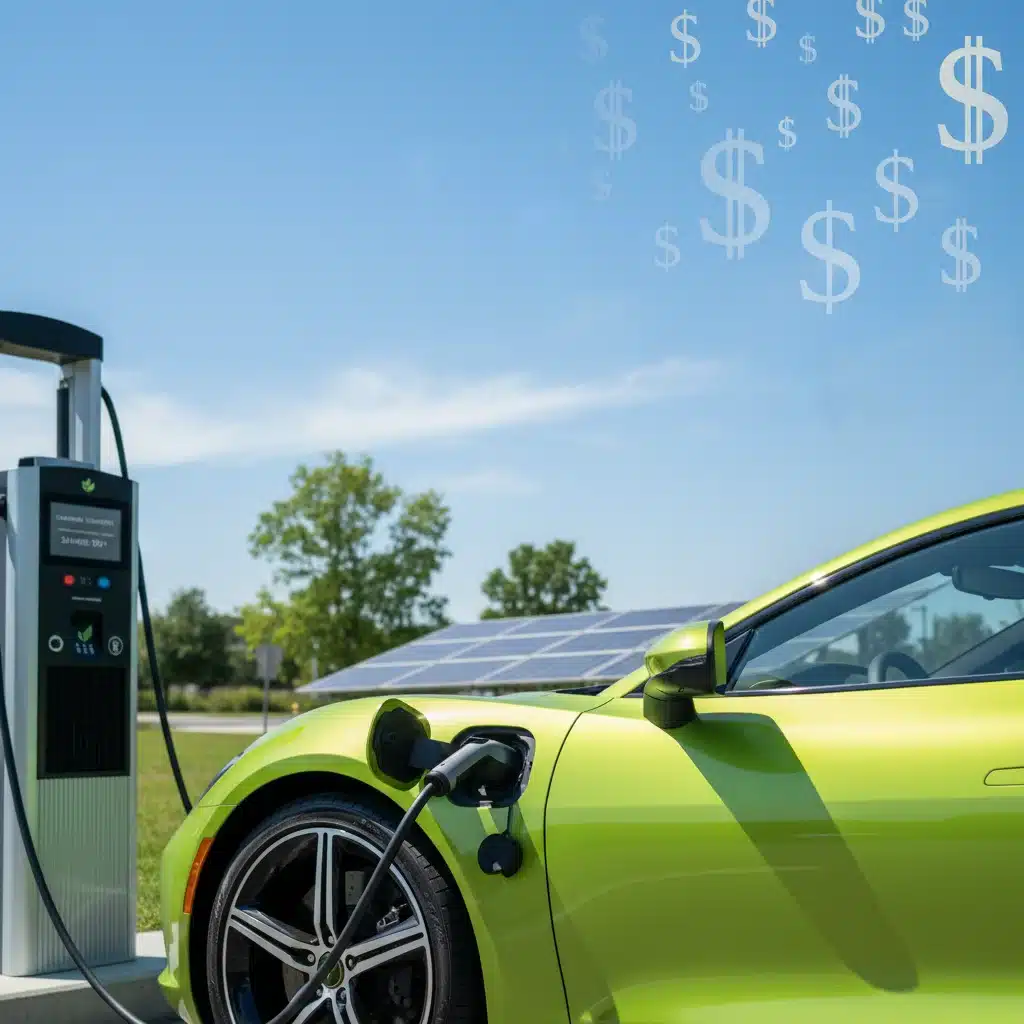
The landscape of electric vehicle (EV) ownership is undergoing a transformative shift, driven by groundbreaking legislative initiatives aimed at accelerating the adoption of sustainable transportation. One such pivotal piece of legislation is the Inflation Reduction Act (IRA), which, starting in 2026, is set to deliver substantial financial benefits to consumers, particularly those eyeing the burgeoning market for used electric vehicles. If you’re considering a pre-owned EV, understanding these upcoming incentives, especially the potential to claim up to $4,000 in used EV credits, is paramount. This comprehensive guide will delve into the intricacies of the 2026 IRA benefits for EV owners, ensuring you’re fully equipped to navigate the eligibility criteria, understand the claiming process, and ultimately maximize your savings.
The Dawn of Used EV Credits: What the IRA Means for You
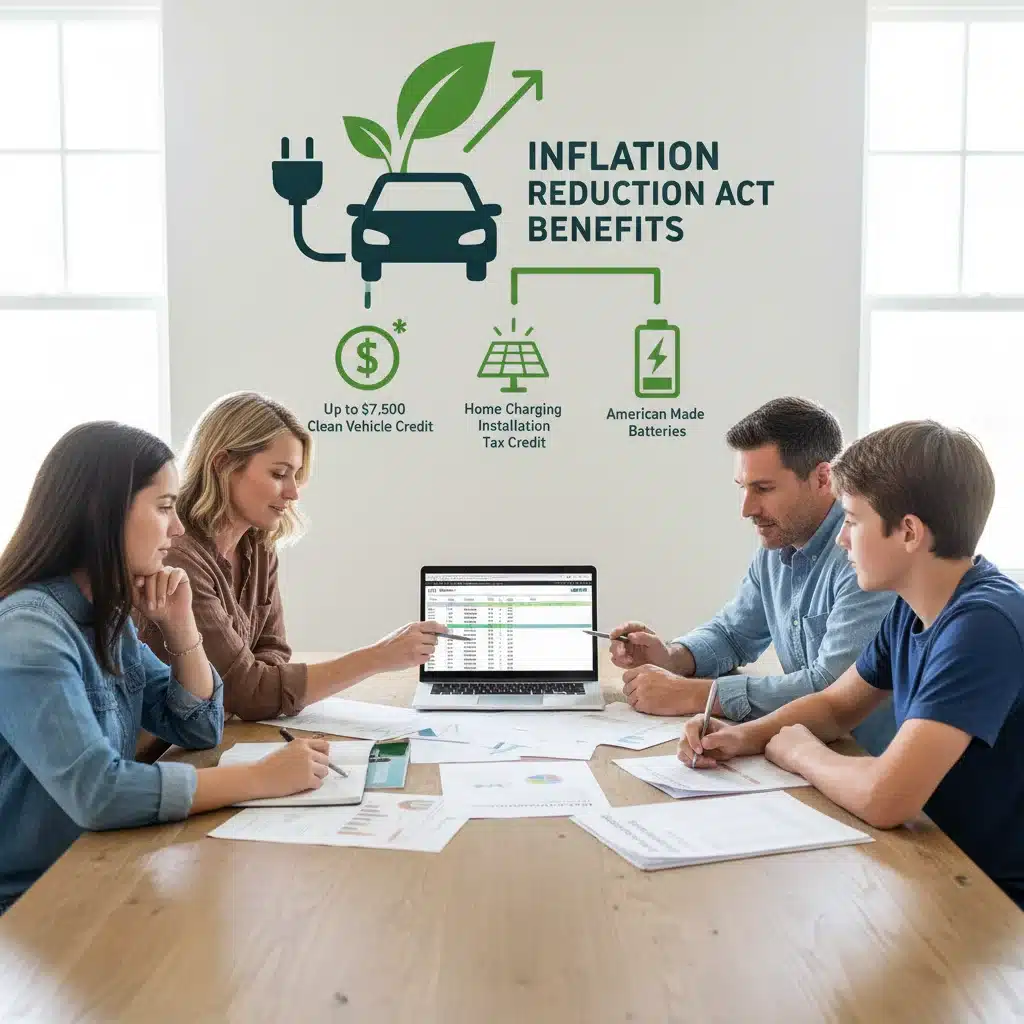
The Inflation Reduction Act, signed into law in August 2022, represents a monumental commitment by the United States to combat climate change, reduce energy costs, and stimulate domestic manufacturing. While much attention has been given to the new EV tax credits, the IRA also introduces a significant incentive for used electric vehicles, a segment of the market that often provides a more accessible entry point for many consumers. This provision, officially known as the ‘Clean Vehicle Tax Credit for Previously-Owned Clean Vehicles,’ is designed to make clean transportation more affordable and to extend the life cycle of EVs already on the road.
Beginning in 2026, eligible buyers of used EVs can receive a tax credit equal to 30% of the sale price, up to a maximum of $4,000. This is a game-changer for individuals and families looking to transition to electric without the premium price tag often associated with brand-new models. The introduction of used EV credits is a strategic move to democratize EV ownership, making it a viable option for a broader demographic, and further bolstering the demand for sustainable mobility solutions across the nation.
Why Used EVs are Gaining Traction
The market for used electric vehicles has been steadily growing, driven by several factors. As new EV models become more prevalent, older models enter the secondary market, offering competitive pricing. Additionally, advancements in battery technology mean that even older EVs often retain a significant portion of their range and performance capabilities. The IRA’s used EV credits are poised to accelerate this trend, making pre-owned EVs an even more attractive proposition. For many, a used EV represents a smart financial and environmental choice, and the upcoming tax credit only sweetens the deal.
Navigating Eligibility: Who Qualifies for the $4,000 Used EV Credit?
While the prospect of a $4,000 tax credit is exciting, it’s crucial to understand the specific eligibility requirements for both the vehicle and the buyer. The IRA has set forth clear guidelines to ensure these incentives are directed effectively. Failing to meet even one of these criteria could result in an inability to claim the used EV credits, so careful attention to detail is advised.
Vehicle Eligibility Requirements
To qualify for the used EV credit, the vehicle itself must meet several conditions:
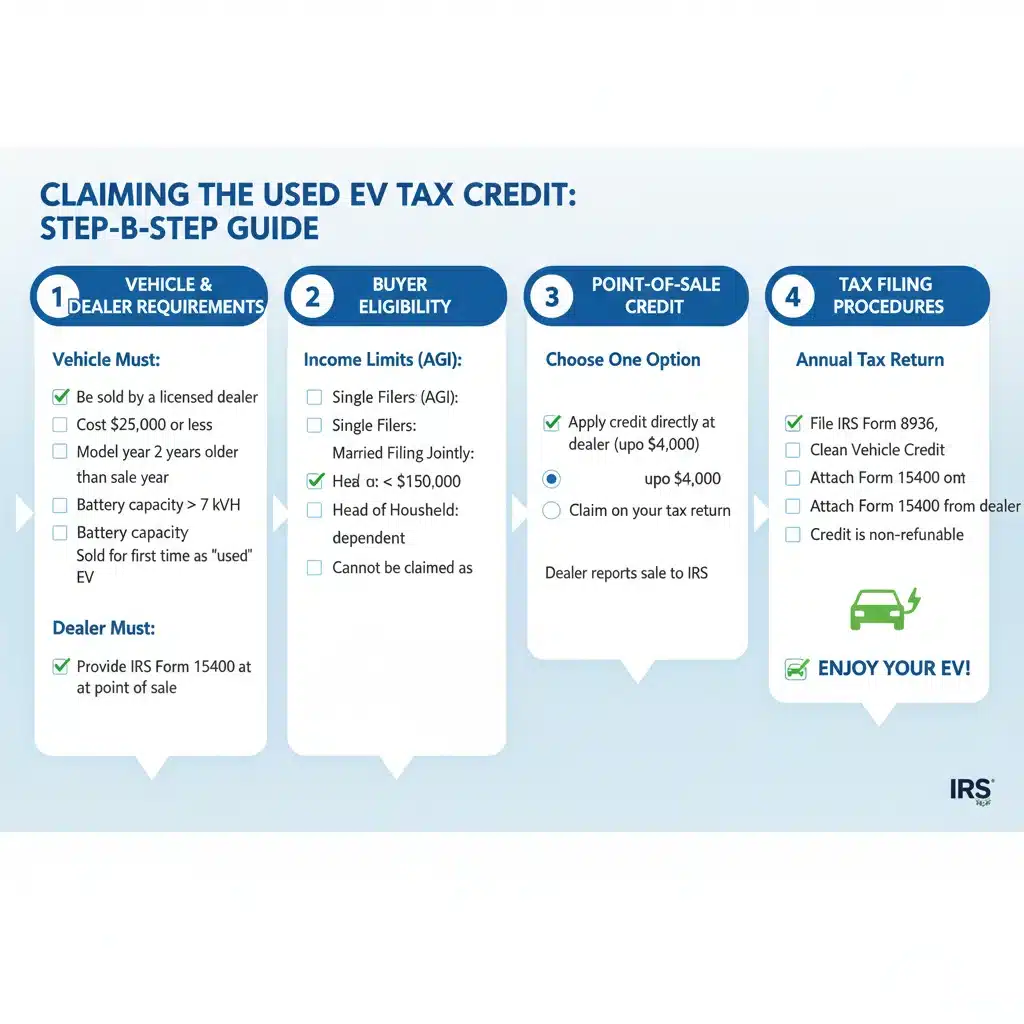
- Model Year: The used EV must be at least two model years older than the calendar year in which you purchase it. For example, if you purchase a used EV in 2026, it must be a 2024 model year or older. This ensures that the credit is truly for ‘used’ vehicles and not for nearly-new models.
- Sale Price Limit: The sale price of the used EV cannot exceed $25,000. This threshold is specifically designed to target the more affordable segment of the used EV market, making the credit accessible to a wider range of buyers.
- Qualified Dealer Sale: The vehicle must be purchased from a dealer. Private party sales do not qualify for the used EV credits. The dealer must be licensed to sell motor vehicles and must report the sale to the IRS. This requirement adds a layer of transparency and helps prevent fraudulent claims.
- First Transfer: This must be the first transfer of the vehicle to a qualified buyer after the enactment of the IRA. This means the credit can only be claimed once per eligible used vehicle.
- Battery Capacity: The vehicle must have a battery capacity of at least 7 kilowatt hours (kWh). This excludes certain older plug-in hybrid electric vehicles (PHEVs) with smaller battery packs. Most modern EVs and many PHEVs will easily meet this requirement.
- Gross Vehicle Weight Rating (GVWR): The vehicle must have a GVWR of less than 14,000 pounds. This generally includes passenger cars, SUVs, and light trucks, but excludes heavier commercial vehicles.
Buyer Eligibility Requirements
In addition to the vehicle’s qualifications, the buyer must also meet specific criteria to claim the used EV credits:
- Modified Adjusted Gross Income (MAGI) Limits: This is a critical component of buyer eligibility. Your MAGI for the year you purchase the vehicle, or the preceding year, must not exceed certain thresholds. These limits are:
- $150,000 for married couples filing jointly or surviving spouses.
- $112,500 for heads of households.
- $75,000 for all other filers.
- No Prior Used Clean Vehicle Credit: You cannot have claimed a used clean vehicle tax credit in the three years prior to the purchase date. This ensures the credit is distributed to a broader range of first-time used EV buyers.
- Primary Use: The vehicle must be for your own use, not for resale. It must also be primarily used in the United States.
It’s important to note that you can use your MAGI from either the year of purchase or the preceding year, whichever is lower, to qualify. This provides some flexibility for individuals whose income might fluctuate annually.
Understanding the $4,000 Cap and How it’s Calculated
The maximum used EV credit you can receive is $4,000, but it’s important to remember that this is a cap. The actual credit amount is 30% of the sale price of the vehicle. This means if you buy a used EV for $10,000, your credit would be $3,000 (30% of $10,000). If you purchase a used EV for $15,000, your credit would be $4,500, but it would be capped at $4,000. Therefore, to receive the full $4,000 credit, you would need to purchase an eligible used EV for at least $13,333.33 ($4,000 / 0.30).
This structure encourages buyers to seek out more affordable used EVs, aligning with the IRA’s goal of making EV ownership more accessible. It also means that even if you find a fantastic deal on a used EV below $13,333.33, you still benefit significantly from the 30% credit.
The Dealer’s Role in Claiming Your Used EV Credits
As mentioned, purchasing from a qualified dealer is a non-negotiable requirement for claiming the used EV credits. The dealer plays a critical role in the process, as they are responsible for providing you with the necessary documentation and reporting the sale to the IRS. When you purchase an eligible used EV, the dealer must provide you with a ‘time of sale’ report, which includes information such as the vehicle’s VIN, sale price, and the maximum credit amount available for that specific vehicle.
This report is essential for you to claim the credit when you file your taxes. It’s advisable to confirm with the dealer that they are registered with the IRS for this program and that they understand the requirements for reporting used EV sales. A reputable dealer should be well-versed in these new regulations and able to guide you through the process seamlessly. Don’t hesitate to ask questions and ensure all necessary paperwork is in order before finalizing your purchase.
Point-of-Sale Option: An Exciting Development
One of the most exciting developments related to the IRA’s EV tax credits, including the used EV credits, is the option for the credit to be transferred to the dealer at the point of sale. This means that instead of waiting to claim the credit when you file your taxes, you could potentially receive the credit as an upfront discount on the purchase price of the vehicle. This significantly enhances the immediate financial benefit for consumers, making EVs even more affordable at the time of purchase.
While this option is available for both new and used EV credits, it’s particularly impactful for used EVs, where the total purchase price is already lower. This upfront discount can reduce the amount you need to finance or pay out-of-pocket, making EV ownership a reality for more individuals. It’s important to confirm with your dealer if they are participating in this point-of-sale transfer program. Not all dealers may opt into this, so inquiring beforehand is crucial.
How to Claim Your Used EV Credit in 2026
Once you’ve identified an eligible used EV and confirmed your own eligibility, the process of claiming the used EV credits is relatively straightforward, especially if the point-of-sale option is utilized. However, if you’re claiming it on your tax return, here’s what you need to know:
- Obtain Dealer Documentation: Ensure the dealer provides you with the necessary IRS-required documentation, including the vehicle identification number (VIN), the sale price, and a certification that the vehicle meets the used clean vehicle requirements. This information will typically be on Form 15400, ‘Clean Vehicle Seller Report.’
- File Form 8936 with Your Tax Return: When you file your federal income tax return, you will need to complete and attach Form 8936, ‘Clean Vehicle Credits.’ This form is used to calculate and claim various clean vehicle credits, including the used EV credit. You’ll enter the information provided by your dealer on this form.
- Meet Income Requirements: As previously discussed, your modified adjusted gross income (MAGI) must be within the specified limits for the year of purchase or the preceding year. The IRS will verify this information during the tax filing process.
- No Double-Dipping: Remember that the credit can only be claimed once per vehicle, and you cannot claim it if you’ve claimed a used clean vehicle credit in the past three years.
Important Considerations and Potential Pitfalls
While the used EV credits offer significant benefits, there are a few important considerations to keep in mind:
- Tax Liability: The used EV credit is a non-refundable credit. This means it can reduce your tax liability to $0, but you won’t receive any remaining credit as a refund. For example, if you owe $2,000 in taxes and qualify for a $4,000 credit, your tax liability will be reduced to $0, but you won’t get a $2,000 refund. It’s important to understand your individual tax situation to fully appreciate the benefit.
- Dealer Compliance: The success of claiming the credit heavily relies on the dealer’s compliance with IRS regulations. Choose a reputable dealer who is knowledgeable about the IRA’s provisions for used EVs.
- Market Fluctuations: The used EV market is dynamic. While the credit makes used EVs more attractive, market prices can still fluctuate. Researching current market values before purchasing is always a good idea.
- Future Changes: While the IRA is law, tax laws can be subject to future amendments. Staying informed about any potential changes is always wise, though the core provisions are expected to remain stable for 2026.
Beyond the Credit: Additional Benefits of Used EV Ownership
The $4,000 in used EV credits is a compelling financial incentive, but it’s just one of many advantages to owning a used electric vehicle. Embracing a used EV brings a host of other benefits that contribute to both your personal finances and the environment.
Reduced Operating Costs
One of the primary attractions of EVs, new or used, is the significant reduction in operating costs. Electricity is generally cheaper per mile than gasoline, especially if you can charge at home during off-peak hours or utilize free public charging stations. Furthermore, EVs typically require less maintenance than internal combustion engine (ICE) vehicles. There are no oil changes, spark plug replacements, or complex exhaust systems to worry about. This translates to lower ongoing expenses, which, when combined with the used EV credits, can lead to substantial long-term savings.
Environmental Impact
Opting for a used EV further amplifies your positive environmental impact. By extending the life of an existing EV, you’re contributing to a circular economy, reducing the demand for new vehicle manufacturing, and minimizing the carbon footprint associated with production and disposal. Every mile driven in an EV, especially when powered by renewable energy, means fewer tailpipe emissions and a cleaner planet. The IRA’s focus on used EV credits underscores the importance of maximizing the utility of existing clean vehicles.
Access to HOV Lanes and Other Perks
Depending on your state and local regulations, EV owners may be eligible for various perks, such as access to High Occupancy Vehicle (HOV) lanes, preferential parking, and reduced registration fees. These non-monetary benefits can significantly enhance your daily commute and overall driving experience. While these aren’t directly tied to the used EV credits, they add to the overall value proposition of EV ownership.
Preparing for 2026: What You Can Do Now
While the full force of the 2026 used EV credits is still a couple of years away, there are steps you can take now to prepare and ensure you’re ready to take advantage of these incentives:
- Research Used EV Models: Start exploring the used EV market. Familiarize yourself with different makes and models, their typical ranges, features, and depreciation rates. This will help you identify which vehicles might fall within the $25,000 price cap and meet your needs.
- Monitor Your Income: Keep an eye on your Modified Adjusted Gross Income (MAGI). If you anticipate being close to the income limits, consider consulting with a financial advisor to understand how your financial planning might impact your eligibility for the used EV credits.
- Find Reputable Dealers: Begin identifying local dealerships that specialize in or have a good inventory of used EVs. Inquire about their understanding of the IRA’s used EV provisions and whether they plan to participate in the point-of-sale transfer option.
- Stay Informed: The IRS and Department of Energy regularly update their guidance on EV tax credits. Bookmark official government resources to stay abreast of any new developments or clarifications regarding the used EV credits.
The Future of EV Adoption with Used EV Credits
The inclusion of robust used EV credits in the Inflation Reduction Act signifies a pivotal moment for electric vehicle adoption. By making pre-owned EVs more affordable and accessible, the IRA is not only accelerating the transition to a clean energy economy but also fostering a more inclusive and equitable shift towards sustainable transportation. As 2026 approaches, the impact of these incentives will undoubtedly be felt across the automotive market, encouraging more consumers to consider electric and further solidifying the EV’s place in our collective future.
The opportunity to claim up to $4,000 in used EV credits is a compelling reason to consider a pre-owned electric vehicle. With careful planning, a thorough understanding of the eligibility requirements, and engagement with qualified dealers, you can unlock significant savings and join the growing ranks of EV owners benefiting from a cleaner, more cost-effective way to drive. Start your research now, stay informed, and prepare to take advantage of these transformative benefits when 2026 arrives.