2025 Clean Energy Loan Programs: Low-Interest Financing & 5% Annual Savings
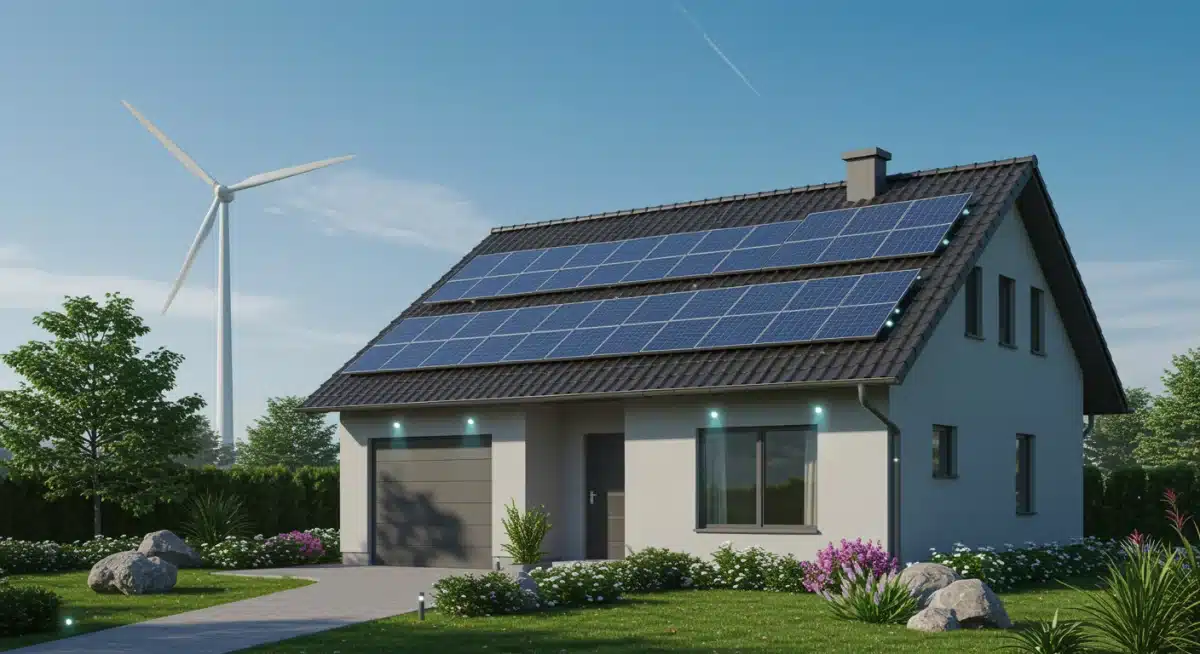
The latest 2025 clean energy loan programs provide accessible low-interest financing options for projects across the United States, empowering consumers and businesses to achieve significant annual savings.
Are you looking to invest in sustainable solutions and reduce your carbon footprint while also enjoying substantial financial benefits? The latest 2025 clean energy loan programs offer an unprecedented opportunity to secure low-interest financing for your projects, potentially saving you 5% annually on energy costs. This comprehensive guide will navigate the landscape of these programs, detailing eligibility, application processes, and how to maximize your savings.
Understanding the 2025 Clean Energy Loan Landscape
The year 2025 marks a pivotal moment for clean energy initiatives in the United States, with a renewed focus on incentivizing sustainable development through accessible financing. These programs are designed to accelerate the adoption of renewable energy technologies, energy efficiency upgrades, and other environmentally friendly projects, making them more affordable for homeowners, businesses, and even municipalities. The federal government, along with state and local entities, has rolled out a suite of financial products tailored to various needs, focusing on reducing the upfront costs often associated with clean energy investments.
These loan programs are not merely about environmental stewardship; they are also powerful economic tools. By offering competitive interest rates, often significantly lower than traditional financing, they aim to lower the financial barrier to entry. This creates a win-win scenario where borrowers can contribute to a greener future while simultaneously enjoying tangible economic benefits through reduced energy bills and increased property values. Understanding the nuances of these offerings is the first step toward leveraging them effectively.
Federal Initiatives Driving Clean Energy Adoption
Several federal initiatives underpin the 2025 clean energy loan landscape, providing a robust framework for financial support. These programs often serve as benchmarks, influencing state-level policies and private lending practices. Eligibility criteria can vary widely, but a common thread is the emphasis on verifiable energy savings and environmental impact.
- Department of Energy (DOE) Loan Programs: The DOE offers various loan guarantee programs for large-scale clean energy projects, including renewable energy generation and advanced clean vehicle manufacturing.
- USDA Rural Development Programs: Specifically targeting rural areas, these programs provide loans and grants for renewable energy systems and energy efficiency improvements for agricultural producers and small rural businesses.
- Investment Tax Credit (ITC) & Production Tax Credit (PTC): While not direct loan programs, these federal tax credits significantly reduce the net cost of clean energy installations, making financing more attractive.
Navigating the federal landscape requires careful attention to detail, as application processes can be rigorous. However, the long-term benefits, including substantial interest rate reductions and potential for principal forgiveness in some cases, make the effort worthwhile. These programs collectively aim to de-risk clean energy investments for lenders and borrowers alike.
In essence, the 2025 clean energy loan landscape is characterized by a blend of direct financing, loan guarantees, and tax incentives. This multi-pronged approach ensures that a broad spectrum of projects, from residential solar installations to utility-scale wind farms, can find suitable financial backing. The ultimate goal is to foster a sustainable energy future for the nation, driven by accessible and affordable capital.
Eligibility and Application: Your Path to Low-Interest Financing
Securing a clean energy loan in 2025 involves understanding specific eligibility requirements and navigating a structured application process. While details can vary between programs, a foundational knowledge of common criteria will significantly improve your chances of approval. Most programs prioritize projects that demonstrate clear energy savings, environmental benefits, and a sound financial plan.
For homeowners, eligibility often hinges on creditworthiness, property type, and the nature of the proposed clean energy upgrade. Businesses, on the other hand, typically face more comprehensive reviews, including financial statements, project viability assessments, and detailed energy audits. Being prepared with all necessary documentation is crucial for a smooth application journey.
Key Eligibility Criteria Across Programs
While each program has its unique stipulations, several common criteria frequently appear in clean energy loan applications. Meeting these basic requirements is essential before delving into program-specific details.
- Credit Score: A strong credit history is often a prerequisite for favorable loan terms, reflecting financial responsibility.
- Project Scope: The proposed project must align with the program’s objectives, such as installing solar panels, upgrading to energy-efficient HVAC systems, or implementing smart home technologies.
- Energy Savings Potential: Many loans require an assessment demonstrating a projected reduction in energy consumption or costs.
- Property Type: Eligibility might differ for residential, commercial, industrial, or agricultural properties.
Understanding these criteria early can help you tailor your project and prepare your application strategically. Some programs may also consider factors like geographic location, income levels, or whether the project benefits underserved communities.
Streamlining Your Loan Application Process
Applying for a clean energy loan can seem daunting, but a systematic approach can simplify the process. Start by identifying the programs that best fit your project and financial situation. Gathering all required documents in advance will prevent delays and ensure a complete submission.
Typical application steps include an initial inquiry, a detailed application form, submission of supporting documents (e.g., energy audit reports, contractor quotes, financial statements), and a review period. Some programs may also require on-site inspections or interviews. Proactive communication with loan officers or program administrators can provide clarity and guidance throughout the process.

The application process for clean energy loans is designed to ensure that funds are allocated to viable and impactful projects. By meticulously preparing your application and thoroughly understanding the eligibility criteria, you significantly increase your chances of securing the low-interest financing needed to bring your sustainable vision to fruition.
Maximizing Your Savings: Beyond Low-Interest Rates
While low-interest financing is a significant draw of the 2025 clean energy loan programs, maximizing your savings extends beyond just the interest rate. A holistic approach involves considering various financial incentives, understanding the long-term operational cost reductions, and leveraging tax benefits. These combined strategies can lead to substantial annual savings, often exceeding the initial estimates.
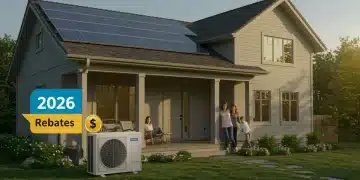
Many projects, especially those involving renewable energy generation like solar, offer the potential for energy independence, reducing reliance on fluctuating utility prices. This predictability in energy costs is a powerful financial advantage, providing stability and protection against future price hikes. Furthermore, some programs offer rebates or grants that can further offset project costs, effectively lowering the principal amount of your loan.
Combining Loans with Tax Credits and Rebates
One of the most effective ways to maximize savings is to combine clean energy loans with available tax credits and rebates. The federal Investment Tax Credit (ITC), for example, can provide a significant percentage of the cost of a solar energy system as a credit against your federal income taxes. Many states and local utilities also offer their own rebate programs for specific energy-efficient upgrades.
- Federal Tax Credits: Research current federal tax credits for renewable energy installations and energy efficiency improvements.
- State and Local Rebates: Investigate state and local government or utility company rebates that can directly reduce the cost of your project.
- Energy Efficiency Programs: Some programs offer incentives for comprehensive energy audits and subsequent upgrades, providing additional layers of savings.
Strategically layering these incentives can dramatically reduce the overall cost of your clean energy project, making the low-interest loan even more impactful. It’s crucial to consult with a tax professional or financial advisor to understand how these various incentives can apply to your specific situation and to ensure compliance with all requirements.
Beyond immediate financial incentives, the long-term operational savings from reduced energy consumption are paramount. Investing in high-efficiency appliances, better insulation, or a renewable energy system directly translates into lower monthly utility bills. These ongoing savings accumulate over the lifespan of the system, providing a continuous return on your investment. By carefully planning and integrating all available financial tools, you can ensure that your clean energy project delivers maximum financial benefit.
Types of Clean Energy Projects Eligible for Financing
The 2025 clean energy loan programs are designed to support a diverse range of projects, reflecting the broad spectrum of sustainable technologies available today. From residential upgrades to large-scale commercial installations, the goal is to make these environmentally friendly investments accessible. Understanding which types of projects qualify can help you pinpoint the most suitable financing options.
Eligibility often extends beyond just renewable energy generation. Programs also focus on energy efficiency improvements that reduce overall consumption, thereby contributing to a lower carbon footprint and significant cost savings. This includes upgrades to building envelopes, heating and cooling systems, and smart energy management technologies.
Residential Clean Energy Projects
Homeowners have a wealth of options when it comes to clean energy projects eligible for these loans. The focus is on improving a home’s energy performance and reducing its environmental impact.
- Solar Panel Installation: Financing for rooftop or ground-mounted solar photovoltaic systems.
- Energy-Efficient HVAC Systems: Loans for upgrading to high-efficiency furnaces, air conditioners, or heat pumps.
- Home Insulation & Weatherization: Funding for improving a home’s thermal envelope, including windows, doors, and insulation.
- Geothermal Heating & Cooling: Support for installing geothermal systems that use the earth’s stable temperature to heat and cool homes.
These residential projects not only contribute to a greener planet but also enhance property value and significantly reduce monthly utility expenses. Many programs offer streamlined application processes for homeowners, recognizing the widespread impact of individual energy choices.
Commercial and Industrial Clean Energy Initiatives
Businesses and industrial facilities can also tap into these loan programs for larger-scale projects aimed at operational efficiency and sustainability. These initiatives often have a greater potential for significant energy savings and emissions reductions.
- Commercial Solar and Wind Farms: Financing for large-scale renewable energy generation to power businesses or feed into the grid.
- Industrial Energy Efficiency Upgrades: Loans for optimizing manufacturing processes, installing energy-efficient machinery, or implementing waste heat recovery systems.
- Combined Heat and Power (CHP) Systems: Support for systems that generate both electricity and useful heat from a single fuel source.
- Electric Vehicle Charging Infrastructure: Funding for businesses to install EV charging stations for employees, customers, or fleet vehicles.
For commercial and industrial ventures, the financial benefits extend beyond energy savings to include enhanced corporate social responsibility, improved brand image, and compliance with increasingly stringent environmental regulations. The range of eligible projects ensures that both individuals and large organizations can find pathways to sustainable development.
Navigating the Future: Trends in Clean Energy Financing
The landscape of clean energy financing is continuously evolving, driven by technological advancements, shifting policy priorities, and growing investor interest in sustainability. For 2025 and beyond, several key trends are emerging that will shape how individuals and organizations secure funding for their clean energy projects. Staying informed about these trends is crucial for leveraging the most advantageous financing opportunities.
One prominent trend is the increasing integration of digital platforms and artificial intelligence in loan application and approval processes. This aims to streamline operations, reduce administrative burdens, and provide faster access to capital. Furthermore, there’s a growing emphasis on performance-based financing, where loan terms are linked to the actual energy savings or environmental impact achieved by the project.
Emerging Financing Models and Technologies
New financial models are constantly being developed to address specific market needs and accelerate clean energy deployment. These models often combine traditional lending with innovative approaches to risk assessment and project valuation.
- Green Bonds and Sustainability-Linked Loans: These financial instruments tie interest rates or principal repayments to specific sustainability targets, incentivizing better environmental performance.
- Property Assessed Clean Energy (PACE) Programs: PACE financing allows property owners to fund energy efficiency, renewable energy, and water conservation improvements through property tax assessments, making repayment secure and long-term.
- Community Solar Financing: Models that enable multiple subscribers to benefit from a single, larger solar installation, often making solar accessible to those who cannot install panels on their own properties.
Technological advancements also play a critical role, as new, more efficient, and cost-effective clean energy solutions become available. Financing programs are adapting to include these innovations, ensuring that cutting-edge projects can also secure funding.
The Role of Government Policy and Private Investment
Government policies continue to be a primary driver of clean energy financing, with legislative frameworks and incentive programs shaping the market. The commitment to decarbonization at federal and state levels ensures ongoing support for sustainable investments. However, private investment is also rapidly expanding, with an increasing number of financial institutions and impact investors recognizing the long-term profitability and societal benefits of clean energy.
This synergy between public policy and private capital is creating a robust ecosystem for clean energy project funding. Investors are increasingly looking for opportunities that offer both financial returns and positive environmental and social impacts. This confluence of factors indicates a bright future for those seeking to finance their clean energy aspirations, with a growing array of flexible and innovative solutions available.
Case Studies: Realizing 5% Annual Savings
Understanding the theoretical benefits of clean energy loan programs is one thing; seeing them in action is another. Real-world examples demonstrate how individuals and businesses are successfully leveraging these programs to achieve significant annual savings, often reaching or exceeding the 5% target. These case studies highlight the diverse applications of clean energy financing and the tangible financial returns.
These examples span various sectors and project types, illustrating the broad applicability of the 2025 clean energy loan programs. They underscore the importance of meticulous planning, strategic financing, and the long-term vision necessary to unlock substantial economic and environmental benefits.
Residential Success Story: The Smith Family’s Solar Journey
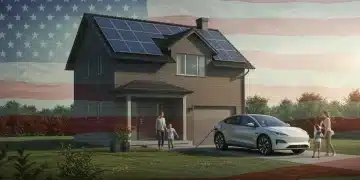
The Smith family, residing in Phoenix, Arizona, decided to install a 7-kW rooftop solar system on their home. They secured a low-interest clean energy loan through a state-backed program, which covered 80% of the installation cost. The remaining 20% was offset by the federal Investment Tax Credit, reducing their out-of-pocket expenses to almost zero.
- Initial Investment: ~$21,000 (before incentives)
- Loan Terms: 2.5% interest rate over 15 years
- Annual Savings: Average of $1,200 on electricity bills, plus an additional $300 from selling excess energy back to the grid.
Their combined savings and income from solar energy translated to an annual reduction in energy costs of approximately 6.5%, surpassing the 5% target. The loan repayment was largely covered by their monthly energy savings, making the transition to solar virtually cash-flow neutral from day one. This project also significantly increased their home’s value.
Commercial Triumph: Green Tech Solutions’ Energy Efficiency Upgrade
Green Tech Solutions, a small manufacturing firm in Ohio, sought to reduce its operational costs and environmental footprint. They applied for a commercial clean energy loan to finance a comprehensive energy efficiency upgrade, including LED lighting conversion, a high-efficiency HVAC system, and improved insulation for their facility.
- Project Cost: ~$75,000
- Loan Terms: 3% interest rate over 10 years, with a 10% rebate from a local utility.
- Annual Savings: Estimated $4,000 in electricity and heating costs.
The project resulted in an immediate 5.3% reduction in their annual energy expenditures. The loan, coupled with the utility rebate, made the upgrade financially viable, allowing the company to reallocate operational savings into research and development. This not only improved their bottom line but also enhanced their reputation as a sustainable business leader in their community.
These case studies vividly demonstrate that securing clean energy loans and achieving significant annual savings is not just a theoretical possibility but a practical reality for many. By carefully selecting the right programs and optimizing for all available incentives, both individuals and businesses can make a powerful impact on their finances and the environment.
Preparing for Your Clean Energy Project
Embarking on a clean energy project, whether it’s for your home or business, requires careful preparation to ensure its success and maximize the benefits from available loan programs. Beyond just securing financing, a well-planned project minimizes potential roadblocks, optimizes performance, and ensures long-term satisfaction. This preparatory phase is as crucial as the application itself.
It involves everything from conducting thorough research on suitable technologies to selecting reputable contractors and understanding local regulations. A proactive approach during this stage can save time, money, and hassle down the line, ensuring that your clean energy investment truly delivers on its promise of savings and sustainability.
Essential Steps Before Applying for a Loan
Before you even begin the loan application process, several foundational steps can significantly strengthen your position and clarify your project’s scope. These steps provide a solid understanding of your needs and the best solutions available.
- Conduct an Energy Audit: For homeowners, a professional energy audit can identify areas of inefficiency and recommend the most impactful upgrades. For businesses, a detailed energy assessment is often a prerequisite for loan eligibility.
- Research Technologies: Understand the different clean energy technologies available (e.g., solar, wind, geothermal, energy storage) and determine which best suits your specific needs, location, and budget.
- Obtain Multiple Quotes: Get quotes from several qualified and reputable contractors for your chosen project. This helps in comparing costs, understanding different approaches, and negotiating better terms.
- Understand Local Regulations: Familiarize yourself with local zoning laws, permitting requirements, and any homeowners’ association (HOA) rules that might impact your project.
These initial steps provide a clear blueprint for your project, making it easier to articulate your needs to lenders and ensuring that your chosen solution is both effective and compliant. They also provide crucial data for calculating projected energy savings, a key component of many loan applications.
Selecting the Right Partners and Technologies
The success of your clean energy project heavily depends on the quality of the technology installed and the expertise of the professionals you work with. Choosing reliable partners and proven technologies is paramount for maximizing efficiency and longevity.
- Certified Contractors: Ensure your contractors are licensed, insured, and have certifications relevant to the clean energy technology you are installing. Check references and reviews.
- Reputable Manufacturers: Opt for equipment from manufacturers with a strong track record of reliability, performance, and warranty support.
- Long-Term Support: Consider the availability of maintenance services and customer support for your chosen system to ensure its optimal operation over its lifespan.
By carefully preparing for your clean energy project, you not only enhance its chances of securing favorable financing but also lay the groundwork for a successful, efficient, and cost-saving transition to sustainable energy. This proactive approach ensures that your investment yields the maximum possible benefits, contributing to both your financial well-being and a healthier planet.
| Key Aspect | Brief Description |
|---|---|
| Low-Interest Financing | 2025 programs offer competitive rates, making clean energy projects more affordable for various applicants. |
| Annual Savings Potential | Projects can yield 5% or more in annual energy cost savings through reduced consumption and incentives. |
| Diverse Eligibility | Homeowners, businesses, and municipalities can find programs tailored to their specific clean energy projects. |
| Strategic Combinations | Layering loans with tax credits and rebates significantly enhances financial benefits and reduces overall costs. |
Frequently Asked Questions About Clean Energy Loans
Eligible projects typically include solar panel installations, energy-efficient HVAC systems, home insulation, geothermal heating, and commercial-scale renewable energy systems. Specific eligibility varies by program, but most focus on verifiable energy savings and environmental impact for residential or commercial properties.
Achieving 5% or more in annual savings involves combining low-interest loans with federal tax credits, state rebates, and long-term reductions in utility bills from increased energy efficiency. A comprehensive energy audit and strategic project planning are key to maximizing these financial benefits effectively.
No, the 2025 clean energy loan programs cater to a wide range of applicants, including homeowners, businesses, agricultural producers, and even municipalities. Specific programs are tailored to address the unique needs and scales of different types of clean energy projects, from residential solar to industrial efficiency upgrades.
The first step is to conduct a thorough energy audit to identify potential projects and estimate savings. Following this, research specific loan programs that align with your project type and location, gather all necessary financial and project documentation, and then initiate the application process with the chosen lender or program administrator.
Yes, combining clean energy loans with federal tax credits, such as the Investment Tax Credit (ITC), and various state or local rebates is highly recommended. This strategic approach significantly reduces the overall cost of your project, maximizing your financial returns and making the low-interest financing even more impactful.
Conclusion
The latest 2025 clean energy loan programs present a compelling opportunity for individuals and businesses across the United States to invest in a sustainable future while realizing substantial financial gains. By leveraging low-interest financing, coupled with strategic planning and the integration of available tax credits and rebates, achieving 5% or more in annual energy savings is not just an aspiration but an attainable reality. The evolving landscape of clean energy financing, supported by both government policies and private investment, ensures that accessible and advantageous options will continue to grow, empowering more stakeholders to contribute to a greener, more energy-efficient nation.