IRA Clean Energy Loans 2025: Secure Up to $250K for Your Project
The Inflation Reduction Act offers significant clean energy loan programs in 2025, enabling projects to secure up to $250,000 by understanding specific eligibility criteria, application processes, and potential financial benefits.
Are you considering a clean energy project in 2025 and exploring funding options? The Inflation Reduction Act (IRA) offers a robust framework designed to accelerate the transition to a sustainable economy, including vital loan programs. This guide focuses on IRA Clean Energy Loans, specifically how projects can secure up to $250,000, providing practical solutions and outlining the financial impacts for businesses and individuals alike.
Understanding the Inflation Reduction Act’s Clean Energy Vision
The Inflation Reduction Act (IRA), enacted in August 2022, represents a landmark piece of legislation aimed at combating inflation, reducing the national deficit, and investing heavily in domestic clean energy production and climate change mitigation. Its comprehensive approach includes tax credits, grants, and loan programs designed to incentivize a wide array of clean energy initiatives across various sectors.
This act is not merely a collection of incentives; it’s a strategic long-term commitment to reshaping the energy landscape of the United States. By providing substantial financial backing, the IRA seeks to lower energy costs for consumers, create high-paying jobs in the clean energy sector, and reduce greenhouse gas emissions significantly. The sheer scale of investment signals a strong governmental push towards sustainability, making now an opportune moment for clean energy projects to seek funding.
Key Objectives of the IRA
- Emissions Reduction: A primary goal is to cut U.S. greenhouse gas emissions by 50-52% below 2005 levels by 2030.
- Energy Security: Strengthening domestic energy production and supply chains to reduce reliance on foreign sources.
- Economic Growth: Fostering innovation and job creation within the clean energy and technology sectors.
- Energy Affordability: Lowering energy costs for American families and businesses through efficiency and renewable sources.
The IRA’s vision extends beyond immediate financial relief, aiming to build a resilient, sustainable, and economically vibrant future for the nation. For those looking to embark on or expand clean energy ventures, understanding this overarching vision is crucial for aligning projects with the act’s objectives and maximizing funding potential.
Eligibility Requirements for Clean Energy Loan Programs in 2025
Securing funding under the IRA’s clean energy loan programs in 2025 requires a thorough understanding of the eligibility criteria. These criteria are designed to ensure that projects align with the act’s goals of promoting clean energy, reducing emissions, and fostering economic development. Eligibility often varies slightly depending on the specific loan program, but general principles apply across the board.
Typically, projects must demonstrate a clear contribution to clean energy production, energy efficiency, or greenhouse gas reduction. This can include initiatives related to solar, wind, geothermal, hydropower, biomass, electric vehicles, and advanced manufacturing of clean energy components. Both established businesses and emerging startups are encouraged to apply, provided they meet the stipulated requirements.
Common Eligibility Criteria
- Project Type: The project must clearly fall within the definition of a clean energy or energy efficiency initiative as defined by the IRA. This means it must contribute to renewable energy generation, energy storage, carbon capture, or sustainable transportation, among others.
- Financial Viability: Applicants usually need to demonstrate the financial soundness and technical feasibility of their project. This often involves presenting detailed business plans, financial projections, and technical specifications.
- U.S. Impact: Many programs prioritize projects that create jobs within the United States, utilize domestic content, and contribute to local economic development.
- Environmental Benefits: A quantifiable reduction in greenhouse gas emissions or other environmental benefits is a key consideration.
Potential applicants should carefully review the specific guidelines for each loan program, as nuances in requirements can significantly impact eligibility. Consulting with financial advisors or specialists experienced in federal clean energy incentives can also prove invaluable in navigating these complex criteria.
Application Process: A Step-by-Step Guide to Securing Up to $250,000
Navigating the application process for IRA clean energy loans can seem daunting, but a systematic approach can significantly improve your chances of success. For projects seeking up to $250,000, the process is streamlined compared to larger loans, yet still requires meticulous preparation and attention to detail. Understanding each step is crucial for a smooth application journey.
The first step involves identifying the most suitable loan program for your specific project. Various federal agencies, including the Department of Energy (DOE) and the Environmental Protection Agency (EPA), administer different facets of the IRA’s clean energy funding. Each program has unique objectives, target recipients, and application procedures. Once a program is identified, gathering all necessary documentation becomes paramount.
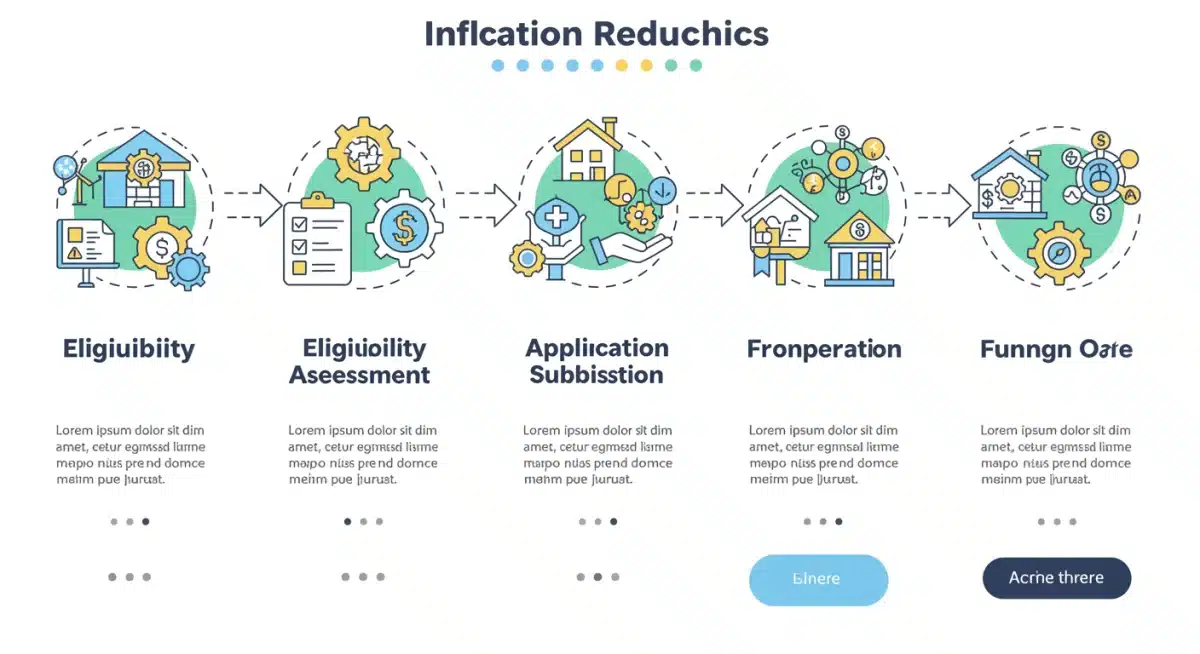
Key Application Stages
- Research and Selection: Identify the specific IRA loan program that best matches your project’s scope, technology, and funding needs. Review their detailed guidelines and requirements.
- Documentation Gathering: Prepare a comprehensive package including a detailed project proposal, technical specifications, financial statements, business plans, environmental impact assessments, and any relevant permits or certifications.
- Pre-Application Consultation: Many programs offer opportunities for pre-application discussions with program officers. This can be invaluable for clarifying requirements and receiving feedback before a formal submission.
- Formal Submission: Complete and submit the application form along with all supporting documentation through the designated portal or method. Ensure all fields are accurately filled and all attachments are included.
- Review and Due Diligence: After submission, your application will undergo a rigorous review process, including technical and financial due diligence. Be prepared to respond to requests for additional information or clarification promptly.
A well-prepared application that clearly articulates the project’s benefits, financial viability, and alignment with IRA goals will stand out. Professional assistance in preparing complex financial models or environmental assessments can be a worthwhile investment to ensure compliance and strengthen your application.
Maximizing Your Project’s Financial Impact with IRA Loans
Securing an IRA clean energy loan of up to $250,000 can profoundly impact your project’s financial trajectory, offering more than just initial capital. These loans often come with favorable terms, lower interest rates, and extended repayment periods compared to conventional financing, making clean energy projects more accessible and economically viable. The strategic utilization of these funds can lead to significant long-term savings and increased profitability.
Beyond direct funding, IRA loans can catalyze other financial benefits. They can enhance a project’s credibility, making it more attractive to additional investors or enabling access to complementary grants and tax credits offered under the IRA. This stacking of incentives can create a powerful financial ecosystem for clean energy development, accelerating project timelines and expanding scope.
Benefits of IRA Clean Energy Loans
- Reduced Capital Costs: Lower interest rates and favorable terms decrease the overall cost of capital, making projects more affordable.
- Improved Cash Flow: Longer repayment periods can ease cash flow pressures in the early stages of a project, allowing for greater operational flexibility.
- Enhanced Project Viability: Government backing can de-risk projects, making them more appealing to private investors and partners.
- Access to Additional Incentives: Securing a loan can open doors to other IRA benefits, such as tax credits for clean electricity production, clean vehicles, or energy efficiency upgrades, further boosting financial returns.
To maximize financial impact, project developers should integrate their loan strategy with a comprehensive understanding of all available IRA incentives. This holistic approach ensures that every dollar of funding works harder, driving both environmental benefits and robust financial returns.
Common Pitfalls and How to Avoid Them in 2025
While the IRA clean energy loan programs offer incredible opportunities, applicants can encounter several common pitfalls that may hinder their success. Being aware of these challenges and proactively addressing them can significantly improve your application’s chances. The complexity of federal programs often means that even minor oversights can lead to delays or outright rejection.
One prevalent issue is insufficient preparation of application materials. Many applicants underestimate the level of detail and rigor required for technical and financial documentation. Another common pitfall is misinterpreting eligibility criteria, leading to applications for programs that are not a good fit for their project. Staying informed and seeking clarification early can prevent these missteps.
Strategies for Avoiding Common Pitfalls
- Thorough Documentation: Ensure all financial projections, technical specifications, and business plans are meticulously prepared, accurate, and complete. Incomplete applications are often discarded.
- Program Alignment: Carefully match your project to the specific goals and requirements of the chosen loan program. Don’t apply for a program if your project doesn’t directly align with its stated objectives.
- Early Engagement: Utilize pre-application resources and engage with program officers to clarify any ambiguities. Early communication can address potential issues before formal submission.
- Compliance Awareness: Stay updated on any changes to the IRA’s guidelines or specific program regulations. Non-compliance can lead to disqualification.
Avoiding these pitfalls requires a blend of careful planning, diligent research, and a willingness to seek expert advice when needed. A proactive approach to the application process will not only save time but also increase the likelihood of securing the vital funding your clean energy project deserves.
Success Stories and Case Studies: Realizing Clean Energy Potential
The impact of IRA clean energy loan programs is best illustrated through the success stories of projects that have leveraged this funding. These case studies provide tangible examples of how financial support up to $250,000 can transform innovative ideas into operational realities, contributing to a greener economy and demonstrating practical solutions for financial impact. These narratives often highlight diverse applications, from small business energy upgrades to community-scale renewable installations.
Consider a small manufacturing plant in the Midwest that secured an IRA loan to install a rooftop solar array. This investment not only significantly reduced their monthly electricity bills but also allowed them to reinvest savings into new equipment, creating local jobs. Another example might be a rural community developing a microgrid project to enhance energy resilience, funded in part by an IRA loan, showcasing the broader societal benefits.
Illustrative Project Examples
- Small Business Solar Installation: A local bakery received $150,000 to install solar panels, cutting energy costs by 40% and demonstrating a commitment to sustainability. This allowed them to expand operations and hire more staff.
- Community Energy Efficiency Upgrades: A non-profit organization secured $200,000 to implement energy-efficient lighting and insulation in public buildings, resulting in substantial utility savings for the community and reduced carbon footprint.
- Electric Vehicle Charging Infrastructure: A startup in an urban area obtained $250,000 to deploy a network of EV charging stations, addressing a critical need for sustainable transportation and fostering local economic activity.
These stories underscore the versatility and transformative power of IRA clean energy loans. They inspire future applicants by demonstrating that with strategic planning and adherence to program guidelines, projects of varying scales can achieve significant environmental and financial success, contributing to the nation’s clean energy goals.
Preparing for 2026 and Beyond: Future of Clean Energy Funding
As we look beyond 2025, the landscape of clean energy funding under the Inflation Reduction Act is expected to continue evolving, offering sustained opportunities for projects across the United States. While the core objectives of the IRA remain steadfast, specific program details, funding allocations, and application priorities may be adjusted based on economic conditions, technological advancements, and policy reviews. Proactive preparation and continuous monitoring of these developments will be key to future success.
The long-term vision of the IRA is to establish a robust and self-sustaining clean energy economy. This implies that while initial incentives are substantial, future iterations might focus more on market-driven solutions and scaling proven technologies. Projects that demonstrate strong innovation, scalability, and significant environmental impact are likely to remain highly competitive for funding in the years to come.
Anticipated Trends and Preparation Tips
- Policy Evolution: Stay informed about potential legislative amendments or new agency guidance that could impact loan programs. Subscribe to official government updates and industry newsletters.
- Technological Focus: Future funding may increasingly prioritize emerging technologies that offer significant breakthroughs in efficiency, storage, or emissions reduction. Keep your project proposals aligned with cutting-edge innovations.
- Community Impact: Projects demonstrating strong community benefits, such as job creation in underserved areas or energy resilience for vulnerable populations, may receive increased favoritism.
- Partnerships: Forming strategic partnerships with other businesses, research institutions, or community organizations can strengthen your application and enhance project viability in the long run.
Preparing for the future means building adaptable and resilient clean energy projects. By staying agile, informed, and committed to the core principles of sustainability and innovation, businesses and individuals can continue to leverage IRA clean energy loans to drive impactful change for decades to come, ensuring a cleaner, more prosperous future.
| Key Aspect | Brief Description |
|---|---|
| IRA Purpose | Reduces inflation, invests in clean energy, cuts emissions via grants, credits, and loans. |
| Eligibility | Projects must contribute to clean energy, be financially viable, and show U.S. impact. |
| Application Process | Research, gather documents, consult, submit, then undergo review and due diligence. |
| Financial Impact | Lower capital costs, improved cash flow, enhanced project viability, and access to other incentives. |
Frequently Asked Questions About IRA Clean Energy Loans
Eligible projects typically include those focused on renewable energy generation (solar, wind, geothermal), energy storage, electric vehicle infrastructure, carbon capture, and energy efficiency upgrades. The key is demonstrating a clear contribution to reducing greenhouse gas emissions or promoting clean energy technologies.
While the IRA offers a wide range of funding, this guide focuses on securing up to $250,000 for various clean energy projects. The exact amount depends on the specific program, project scope, demonstrated financial viability, and alignment with the IRA’s objectives. Larger projects may access greater funding.
Crucial documentation includes a detailed project proposal, comprehensive business plan, accurate financial statements, technical specifications, and environmental impact assessments. Any relevant permits or certifications also strengthen your application. Thoroughness and accuracy are paramount for review.
While the IRA is ongoing, specific loan programs may have rolling application periods or set deadlines. It is essential to consult the official websites of administering agencies, like the DOE or EPA, for precise dates and program-specific timelines to ensure timely submission.
IRA loans provide debt financing that must be repaid, often with favorable terms. Tax credits reduce your tax liability dollar-for-dollar, while grants offer direct funding that typically does not require repayment. Often, a combination of these incentives can be leveraged for maximum project benefit.
Conclusion
The Inflation Reduction Act’s clean energy loan programs present an unparalleled opportunity for projects seeking to advance renewable energy and efficiency across the United States. By carefully navigating the eligibility requirements, meticulously preparing application materials, and understanding the significant financial impacts, businesses and individuals can secure up to $250,000 to bring their clean energy visions to life. Looking ahead, continuous engagement with evolving policies and a commitment to innovation will ensure sustained success in this dynamic sector, fostering a cleaner and more sustainable future.