Sustainable Building Practices 2026: Architect & Engineer Programs
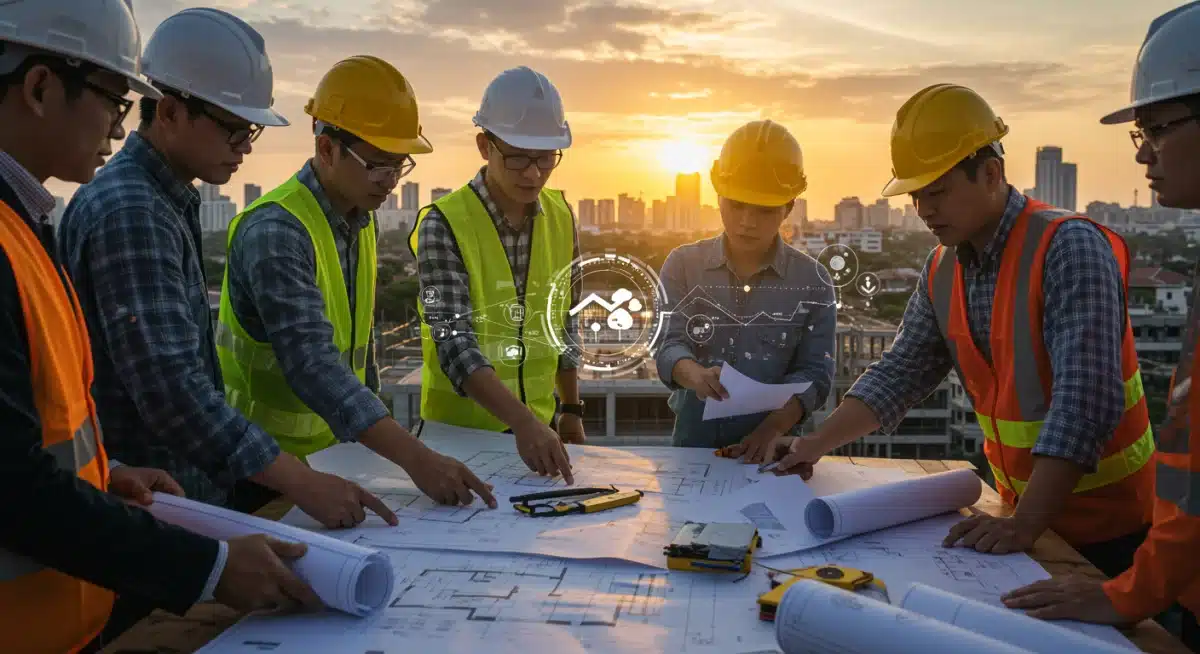
As of 2026, educational programs for architects and engineers are increasingly crucial for mastering sustainable building practices, driving innovation in eco-friendly design, and meeting evolving industry demands for a greener future.
The landscape of construction and design is undergoing a profound transformation, driven by an urgent need for environmental stewardship and resource efficiency. In 2026, the focus on sustainable building practices has intensified, making specialized educational programs for architects and engineers not just beneficial, but essential. These programs are designed to equip professionals with the knowledge and skills necessary to navigate the complexities of green construction, from initial design concepts to project completion and ongoing maintenance. Understanding the latest advancements in materials, energy systems, and regulatory frameworks is paramount for those looking to lead in this evolving field.
The Evolution of Sustainable Building Education
Sustainable building education has come a long way from being a niche interest to a core component of architecture and engineering curricula. In 2026, universities and professional organizations across the United States are offering a wide array of programs, reflecting the growing demand for expertise in eco-friendly construction. These educational pathways cater to both aspiring students and seasoned professionals seeking to upskill or reskill in sustainable methodologies.
The evolution is characterized by a multidisciplinary approach, integrating aspects of environmental science, urban planning, material science, and advanced engineering. Programs now emphasize not only theoretical knowledge but also practical application through case studies, project-based learning, and collaborations with industry leaders. This ensures graduates are well-prepared for real-world challenges.
Key Shifts in Curriculum Design
The pedagogical approach to sustainable building education has seen significant shifts, moving towards more interactive and comprehensive models. Curricula are now designed to address the entire lifecycle of a building, from material sourcing to demolition and recycling, promoting a circular economy mindset.
- Integration of digital tools for performance modeling and simulation.
- Focus on biomimicry and nature-inspired design solutions.
- Emphasis on local and regional ecological considerations.
- Training in green building certifications and standards.
Ultimately, the goal is to cultivate a new generation of professionals who can design and construct buildings that are not only aesthetically pleasing and functional but also environmentally responsible and economically viable. The continuous adaptation of educational programs ensures that architects and engineers remain at the forefront of sustainable innovation.
Core Components of Sustainable Building Programs
Educational programs focusing on sustainable building practices for architects and engineers in 2026 are meticulously structured to cover a broad spectrum of critical areas. These components ensure that professionals gain a holistic understanding of how to integrate sustainability at every stage of a building’s lifecycle. From foundational principles to advanced technological applications, the curriculum is designed to be comprehensive and forward-looking.
A typical program will delve into energy efficiency, water conservation, material selection, and site planning, among other key topics. The emphasis is on practical knowledge that can be immediately applied in design and construction projects, fostering a generation of practitioners who can truly make a difference.
Energy Efficiency and Renewable Systems
A cornerstone of sustainable building is minimizing energy consumption and maximizing the use of renewable energy sources. Programs often include in-depth modules on passive design strategies, high-performance building envelopes, and the integration of solar, wind, and geothermal systems.
- Understanding building energy modeling software.
- Designing for net-zero and energy-plus buildings.
- Exploring smart grid integration and energy storage solutions.
These areas are crucial for reducing operational costs and the carbon footprint of buildings, aligning with global efforts to combat climate change. Professionals learn to evaluate and implement the most effective energy solutions for diverse climatic conditions and building types.
Sustainable Materials and Resource Management
The choice of materials significantly impacts a building’s environmental footprint. Educational programs provide extensive knowledge on sustainable material sourcing, life cycle assessment, and waste reduction strategies. This includes understanding recycled content, rapidly renewable materials, and non-toxic alternatives.
Furthermore, resource management covers efficient construction practices, waste diversion, and the principles of circular economy in the built environment. Students and professionals are taught to consider the embodied energy of materials and to prioritize those with low environmental impact throughout their entire life cycle.
The core components of these programs are designed to create well-rounded professionals capable of addressing the complex challenges of sustainable development. By mastering these areas, architects and engineers can lead the way in creating a built environment that is both resilient and environmentally sound.
Leading Universities and Institutions Offering Programs
In 2026, numerous universities and institutions across the United States have established themselves as leaders in providing exceptional educational programs in sustainable building practices. These institutions are at the forefront of research, innovation, and practical application, attracting students and professionals eager to specialize in green construction. Their offerings range from undergraduate concentrations to advanced doctoral degrees and professional certifications, catering to a diverse audience with varying academic and career goals.
These programs often boast state-of-the-art facilities, including living laboratories and research centers dedicated to sustainable design. Faculty members are typically experts in their fields, contributing to both academic knowledge and real-world projects, thereby enriching the learning experience for participants.
Prominent Academic Programs
Many renowned universities offer specialized degrees that focus entirely on sustainable architecture or engineering. These programs provide a deep dive into theoretical frameworks, cutting-edge technologies, and policy implications.
- Master of Science in Sustainable Design (e.g., Carnegie Mellon University).
- Master of Architecture with a concentration in Ecological Design (e.g., University of Oregon).
- Ph.D. programs focusing on resilient and sustainable infrastructure (e.g., Stanford University).
These academic pathways are rigorous, designed for individuals seeking to become leaders, researchers, or educators in the field of sustainable building.
Professional Development and Certification
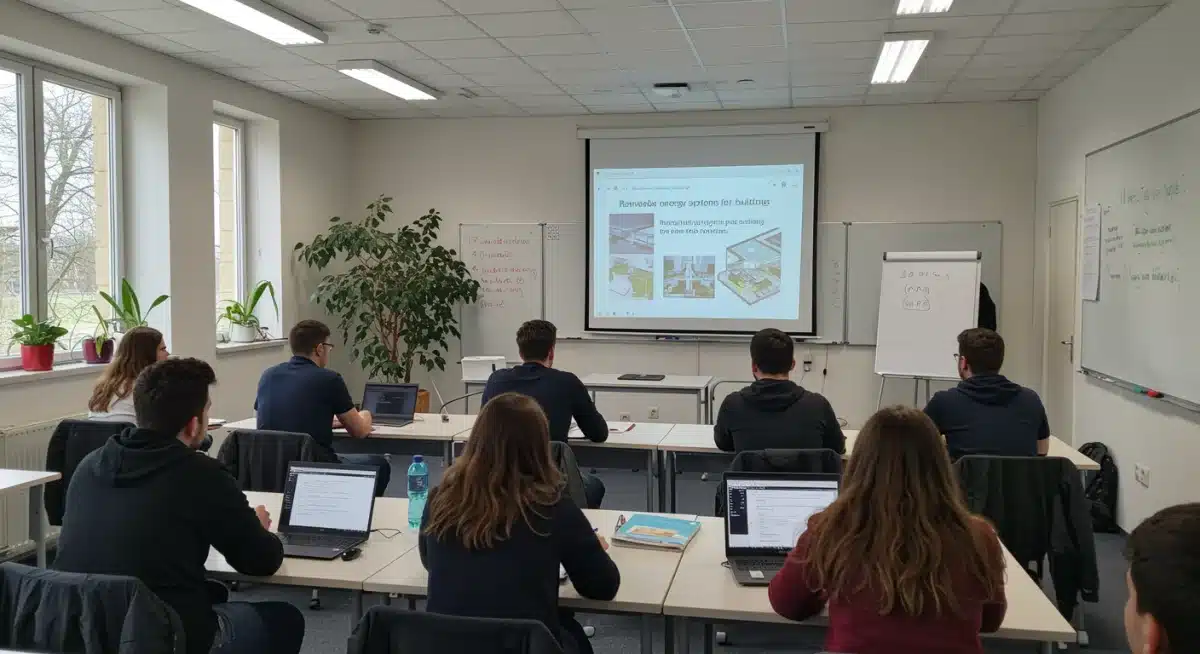
Beyond traditional academic degrees, a growing number of institutions and organizations offer professional development courses and certifications. These are ideal for practicing architects and engineers who wish to update their skills or gain specialized credentials without committing to a full-time degree program.
Examples include LEED AP certification courses, Passive House Designer certifications, and various short courses on topics like green materials or renewable energy systems. These programs are often flexible, offered online or in hybrid formats, to accommodate busy professionals. They provide valuable credentials that enhance career prospects and demonstrate a commitment to sustainable practices.
The availability of such diverse educational opportunities underscores the increasing importance of sustainable building practices in the professional landscape. Choosing the right program depends on individual career aspirations, academic background, and time commitments, but the options are plentiful and highly regarded.
Benefits of Specializing in Sustainable Building
Specializing in sustainable building practices offers a multitude of benefits for architects and engineers in 2026, extending beyond environmental stewardship to include significant career advantages and personal fulfillment. As the demand for green buildings continues to surge, professionals with expertise in sustainable design and construction are increasingly sought after, positioning them at the forefront of a rapidly expanding industry.
This specialization not only opens doors to diverse and impactful projects but also aligns with a growing global consciousness towards environmental responsibility. Professionals can contribute directly to mitigating climate change and creating healthier, more resilient communities.
Career Advancement and Market Demand
The market for sustainable building professionals is booming. Companies, government agencies, and clients are actively seeking individuals who can deliver eco-friendly and energy-efficient solutions. This demand translates into enhanced career opportunities, competitive salaries, and leadership roles.
- Increased employability in green architecture and engineering firms.
- Opportunities for leadership in sustainability consulting.
- Access to specialized projects in renewable energy and resilient infrastructure.
Professionals with sustainable building credentials are often seen as innovators and problem-solvers, making them highly valuable assets in today’s construction landscape.
Positive Environmental and Social Impact
Perhaps the most rewarding aspect of specializing in sustainable building is the profound positive impact one can have on the environment and society. By designing and constructing green buildings, architects and engineers directly contribute to:
- Reducing carbon emissions and energy consumption.
- Conserving natural resources and minimizing waste.
- Improving indoor air quality and occupant well-being.
- Creating more durable and adaptable structures for future generations.
This sense of purpose and contribution to a better future serves as a powerful motivator for many entering or transitioning into the field. The work is not just about buildings; it’s about building a better world.
In essence, specializing in sustainable building practices is a strategic career move that offers both professional growth and the chance to make a meaningful difference. It is an investment in one’s future and in the future of the planet.
Challenges and Future Outlook for Sustainable Education
While the field of sustainable building education is rapidly expanding, it is not without its challenges. In 2026, educators and industry leaders are grappling with several hurdles, including the rapid pace of technological change, the need for standardized curricula, and ensuring equitable access to these specialized programs. Addressing these challenges is crucial for the continued growth and effectiveness of sustainable education.
Despite these obstacles, the future outlook remains overwhelmingly positive. The increasing urgency of climate action and the economic benefits of green buildings ensure that sustainable practices will only become more integrated into mainstream construction, driving further demand for specialized education.
Overcoming Educational Hurdles
One significant challenge is keeping curricula current with the fast-evolving technologies and best practices in sustainable design. This requires continuous updates, faculty training, and strong partnerships between academia and industry. Another hurdle is the standardization of sustainable building education across different institutions, ensuring a consistent level of quality and expertise among graduates.
- Adapting to new materials and construction techniques.
- Integrating advanced digital tools and AI into design processes.
- Addressing the interdisciplinary nature of sustainable projects.
Furthermore, ensuring that these high-value programs are accessible to a diverse range of students, regardless of their socioeconomic background, is a critical social responsibility for educational institutions.
Emerging Trends and Opportunities
Looking ahead, several trends are poised to shape the future of sustainable building education. These include a greater emphasis on resilient design in the face of climate change, the integration of smart building technologies, and a focus on circular economy principles throughout the entire construction process.
There will be growing opportunities in areas such as urban farming integration, adaptive reuse of existing structures, and the development of new, bio-based materials. Educational programs will need to evolve to prepare professionals for these emerging specializations, fostering innovation and interdisciplinary collaboration.
The commitment to overcoming current challenges and embracing future trends will solidify the role of sustainable building education as a cornerstone of modern architecture and engineering. This ensures a steady supply of skilled professionals ready to tackle the environmental and societal demands of the built environment.
Integrating Technology and Innovation in Programs
The integration of cutting-edge technology and innovative approaches is a defining characteristic of advanced sustainable building programs in 2026. These programs recognize that technology is not merely a tool but a transformative force that can drastically enhance the efficiency, performance, and environmental footprint of buildings. From advanced simulation software to artificial intelligence and robotic construction, technological literacy is paramount for modern architects and engineers specializing in sustainability.
This emphasis on technology ensures that graduates are not only familiar with current best practices but are also equipped to anticipate and adapt to future innovations. The goal is to produce professionals who can leverage technology to design truly intelligent and eco-friendly structures.
Digital Design and Performance Analysis Tools
Modern sustainable building education heavily relies on digital tools for design, analysis, and visualization. Building Information Modeling (BIM) is a foundational element, allowing for integrated design processes and clash detection. Beyond BIM, programs delve into sophisticated simulation software.
- Energy modeling tools for predicting building performance.
- Daylighting and thermal comfort analysis software.
- Life Cycle Assessment (LCA) software for material evaluation.
- Computational design tools for optimizing complex geometries.
These tools enable architects and engineers to make informed decisions early in the design process, leading to more efficient and sustainable outcomes. They can test various scenarios, predict energy consumption, and ensure optimal environmental performance.
Smart Building Systems and AI Applications
The rise of smart building technologies and artificial intelligence is revolutionizing how buildings operate and interact with their occupants and the environment. Sustainable building programs now incorporate modules on these advanced systems.
This includes learning about IoT (Internet of Things) sensors for real-time data collection, AI-powered building management systems for optimizing energy use, and predictive maintenance. Students explore how these technologies can enhance building efficiency, improve occupant well-being, and contribute to a more resilient urban infrastructure.
By integrating technology and innovation, sustainable building educational programs are preparing architects and engineers to be pioneers in creating the next generation of intelligent, high-performance, and environmentally responsible buildings. This forward-thinking approach is critical for addressing the complex challenges of the 21st century built environment.
| Key Aspect | Brief Description |
|---|---|
| Program Evolution | Shift from niche to core curriculum, multidisciplinary and practical focus. |
| Core Components | Energy efficiency, water conservation, sustainable materials, site planning. |
| Career Benefits | Increased demand, leadership roles, positive environmental and social impact. |
| Technological Integration | Utilizing BIM, AI, and smart building systems for optimal design. |
Frequently Asked Questions About Sustainable Building Education
Pursuing sustainable building education offers enhanced career opportunities due to high demand, competitive salaries, and the chance to contribute to environmental preservation. Professionals gain specialized skills in eco-friendly design and construction, making them valuable assets in a rapidly evolving industry focused on green solutions and energy efficiency.
Sustainable building programs extensively integrate technologies like Building Information Modeling (BIM), energy simulation software, and Life Cycle Assessment (LCA) tools. They also cover smart building systems, IoT sensors, and AI applications to optimize building performance, enhance energy efficiency, and facilitate data-driven design decisions for sustainable outcomes.
Several prominent sustainable building certifications exist, such as LEED (Leadership in Energy and Environmental Design), WELL Building Standard, and Passive House certification. These credentials validate expertise in various aspects of green building, from overall environmental performance to occupant well-being and extreme energy efficiency, enhancing professional credibility.
Yes, the field offers numerous opportunities for ongoing professional development. These include short courses, workshops, and specialized seminars offered by universities and industry organizations. Many certifications also require continuing education units, ensuring professionals stay updated with the latest advancements and evolving best practices in sustainable building.
Architects and engineers are crucial in promoting sustainable practices by designing and implementing eco-friendly solutions from conception to completion. They influence material choices, energy systems, water management, and site development, ensuring buildings are environmentally responsible, energy-efficient, and contribute positively to both human health and ecological balance.
Conclusion
The journey towards a sustainable built environment is an ongoing and critical endeavor, and the role of well-educated architects and engineers cannot be overstated. In 2026, educational programs in sustainable building practices are more vital than ever, providing the essential knowledge and skills needed to transform the construction industry. These programs not only equip professionals with technical expertise but also instill a deep understanding of environmental stewardship, preparing them to innovate and lead in creating resilient, energy-efficient, and healthy structures. By embracing these educational opportunities, architects and engineers are not just advancing their careers; they are actively shaping a greener, more sustainable future for all.