Unlock Federal Benefits: Over $2,000 for Home Energy Efficiency
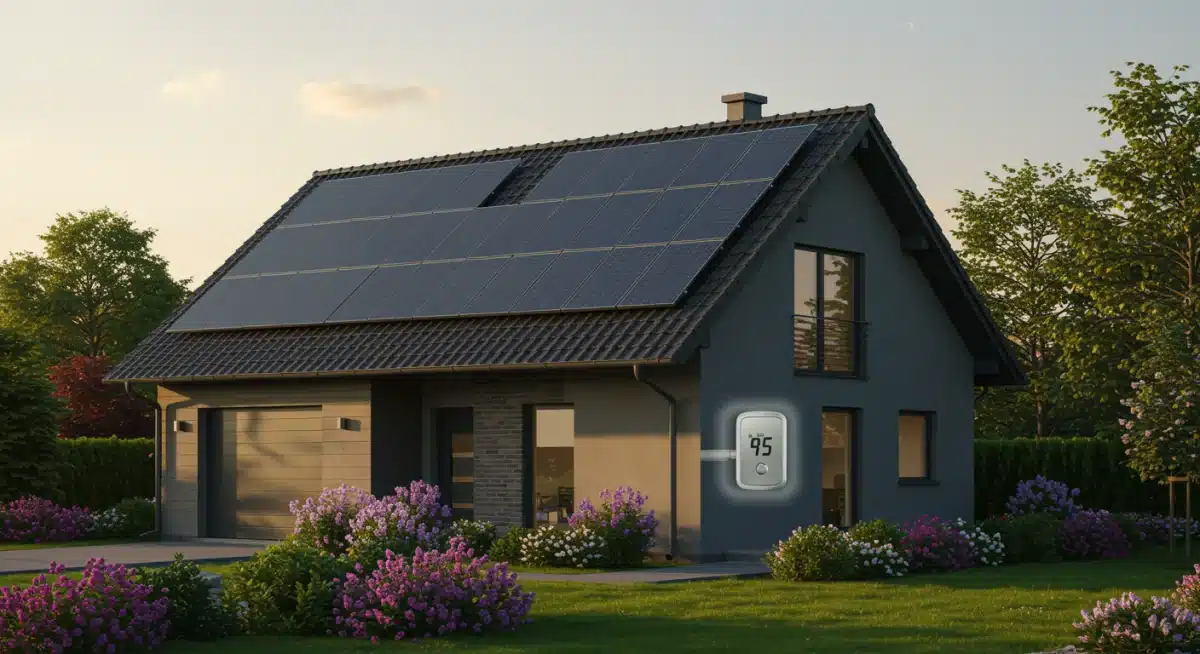
Homeowners can secure over $2,000 in federal benefits this year by investing in energy-efficient upgrades, significantly reducing utility costs and supporting a greener environment through various tax credits and rebate programs.
Are you looking to save money on your utility bills while also contributing to a healthier planet? This year, homeowners have an unprecedented opportunity to maximize your home energy efficiency: over $2,000 in federal benefits available for upgrades this year. These financial incentives make it easier and more affordable than ever to transform your home into an energy-saving haven.
Understanding the Federal Landscape of Energy Incentives
The federal government has rolled out significant programs designed to encourage homeowners to adopt more energy-efficient practices. These initiatives are not just about reducing your carbon footprint; they are also about putting money back into your pocket through substantial tax credits, rebates, and grants. Understanding the breadth and scope of these programs is the first step toward claiming your share of the benefits.
These incentives aim to make energy-efficient upgrades accessible to a broader range of households, addressing everything from insulation improvements to the installation of renewable energy systems. The goal is a dual benefit: empowering individual financial savings while collectively moving towards a more sustainable national energy grid.
The Inflation Reduction Act: A Game Changer for Homeowners
The Inflation Reduction Act (IRA) of 2022 fundamentally reshaped the landscape of federal energy incentives. This landmark legislation introduced and expanded numerous tax credits and rebates, making it a pivotal moment for homeowners considering energy efficiency upgrades. The IRA’s provisions are designed to be long-lasting, offering sustained support for green home improvements.
- Extended Tax Credits: Many credits, like the Energy Efficient Home Improvement Credit, were extended and expanded through 2032.
- Increased Credit Amounts: The IRA often increased the percentage or maximum dollar amount homeowners could claim for various upgrades.
- Focus on Electrification: Special emphasis and incentives are placed on transitioning homes from fossil fuels to electric appliances and systems.
The IRA’s comprehensive approach means that homeowners can often combine multiple benefits, amplifying their total savings. It’s crucial to understand the specific requirements for each program to ensure eligibility and maximize the financial return on your investments.
In essence, the federal government is providing a clear financial pathway for homeowners to lower their energy consumption, improve home comfort, and increase property value, all while contributing to national energy independence and environmental goals. Navigating these options can seem complex, but with the right information, unlocking these benefits becomes straightforward.
Federal Tax Credits: Direct Savings on Your Tax Bill
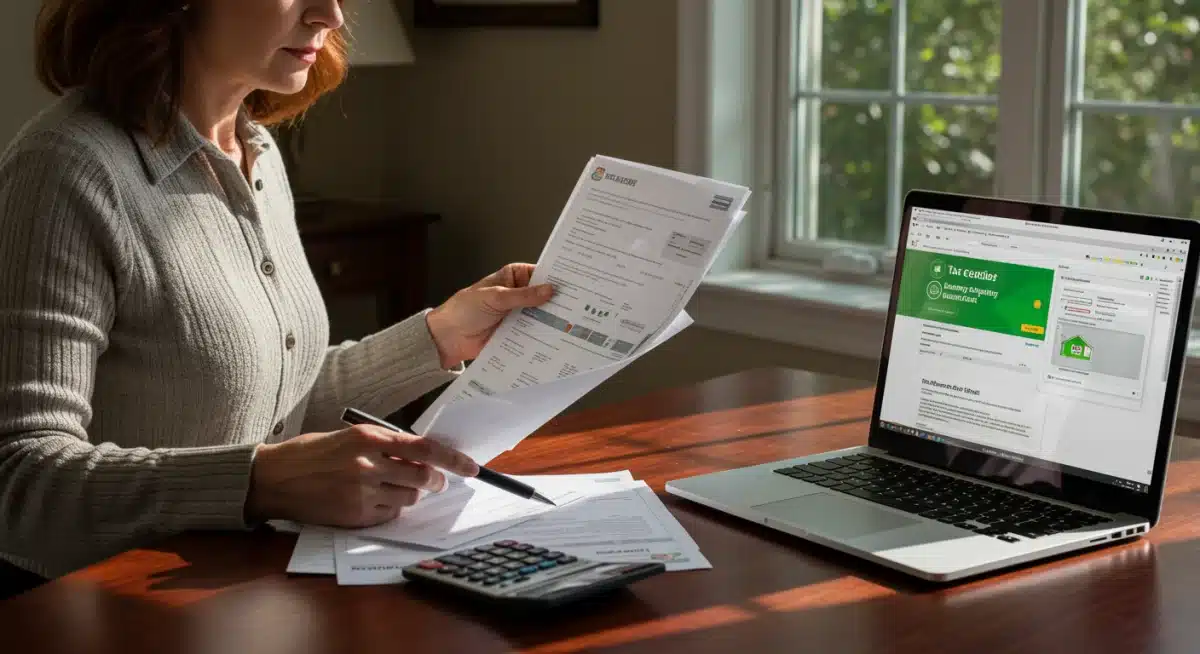
Federal tax credits are perhaps the most direct way homeowners can save money on energy-efficient upgrades. Unlike deductions, which reduce your taxable income, credits directly reduce the amount of tax you owe, dollar for dollar. This means a $1,200 tax credit saves you exactly $1,200 on your tax bill, assuming you have sufficient tax liability.
Several key tax credits are available, covering a wide range of home improvements. These credits are typically non-refundable, meaning they can reduce your tax liability to $0, but you won’t receive a refund for any excess credit. However, some credits can be carried forward to future tax years, providing long-term benefits.
The Energy Efficient Home Improvement Credit (25C)
This credit, formerly known as the Nonbusiness Energy Property Credit, was significantly enhanced by the IRA. It allows homeowners to claim a credit for 30% of the cost of eligible home improvements, up to a maximum of $1,200 annually, with specific limits for certain types of equipment. This credit is available through 2032.
- Eligible Improvements: This includes improvements like new exterior windows, skylights, exterior doors, insulation, and certain energy-efficient heating and cooling equipment (e.g., central air conditioners, furnaces, water heaters, heat pumps).
- Annual Limits: While the overall annual limit is $1,200, there are specific sub-limits. For instance, windows and skylights are capped at $600, and exterior doors at $250 per door (up to $500 total).
- Heat Pumps and Biomass Stoves: These items have a more generous annual limit of $2,000, not subject to the $1,200 overall cap for other 25C improvements.
It’s important to keep detailed records of your purchases and installation costs, including receipts and manufacturer certifications, as these will be necessary when filing your taxes. Consult with a tax professional to ensure you claim all eligible credits accurately.
Residential Clean Energy Credit (25D)
For more substantial investments in renewable energy systems, the Residential Clean Energy Credit offers a powerful incentive. This credit allows homeowners to claim 30% of the cost of new, qualified clean energy property for their home. There is no annual maximum limit for this credit, making it incredibly valuable for significant upgrades. It is available through 2034.
This credit covers a range of technologies that generate clean energy directly at your home. The generous nature of this credit encourages homeowners to make bold moves towards energy independence and sustainability.
- Solar Electric Property (Solar Panels): Installation of solar panels to generate electricity.
- Solar Water Heating Property: Systems that use solar energy to heat water for your home.
- Wind Energy Property: Small wind turbines that generate electricity for residential use.
- Geothermal Heat Pump Property: Systems that use the earth’s stable temperature to heat and cool your home.
- Battery Storage Technology: Systems with a capacity of at least 3 kilowatt-hours, installed in connection with a residential clean energy system.
This credit is a major driver for homeowners looking to significantly reduce or even eliminate their reliance on traditional energy sources. The ability to claim 30% of the cost without an upper limit provides a strong financial argument for these advanced installations.
Federal Rebate Programs: Upfront Savings on Qualified Purchases
Beyond tax credits, federal rebate programs offer another avenue for homeowners to save money on energy-efficient upgrades. Unlike tax credits, which you claim when filing your taxes, rebates often provide upfront savings or a direct reimbursement shortly after purchase and installation. These programs are typically administered through state energy offices or local utilities, with federal funding supporting their operations.
The Inflation Reduction Act also established two significant rebate programs: the High-Efficiency Electric Home Rebate Program (HEEHRP) and the Home Electrification and Appliance Rebate Program (HOMES). While these programs are federally funded, they are implemented at the state level, so availability and specific details can vary by location. It is essential to check with your state’s energy office for current offerings.
High-Efficiency Electric Home Rebate Program (HEEHRP)
HEEHRP is designed to help low- and moderate-income households afford electric home appliances and systems. This program offers substantial rebates, covering up to 100% of project costs for low-income households and 50% for moderate-income households, with a maximum rebate of $14,000 per household. The rebates are available for a variety of electric upgrades.
- Heat Pump HVAC: Up to $8,000 for air-source or geothermal heat pump systems.
- Heat Pump Water Heaters: Up to $1,750 for efficient electric water heaters.
- Electric Stoves and Cooktops: Up to $840 for new electric cooking appliances.
- Electric Clothes Dryers: Up to $840 for energy-efficient electric dryers.
- Insulation and Air Sealing: Up to $1,600 for improvements to the building envelope.
- Electrical Panel Upgrades: Up to $4,000 to support new electric appliances.
Eligibility for HEEHRP is based on household income relative to the area median income (AMI). Low-income households are those earning less than 80% of AMI, while moderate-income households earn between 80% and 150% of AMI. This program aims to ensure that the benefits of electrification are accessible to those who need them most.
Home Energy Rebate Program (HOMES)
The HOMES program focuses on whole-house energy efficiency retrofits, offering rebates based on the energy savings achieved. This program is designed to incentivize comprehensive upgrades that lead to significant reductions in energy consumption. The amount of the rebate depends on the percentage of energy savings and the income level of the household.
For homes that achieve at least 20% energy savings, rebates can be up to $2,000 for individual homes or $400,000 for multi-family buildings. If energy savings reach 35% or more, the rebate can increase to $4,000 for individual homes. Low- and moderate-income households can receive double the rebate amounts, making it a powerful incentive for deeper energy retrofits.
Both HEEHRP and HOMES are still in the process of being fully implemented across all states. Homeowners should regularly check their state’s energy department websites or contact local utility providers for the most up-to-date information on program availability, eligibility requirements, and application procedures. These rebates represent a fantastic opportunity for substantial upfront savings on transformative home upgrades.
Navigating State and Local Programs: Layering Your Benefits
While federal benefits provide a strong foundation, many states, counties, and even local utility companies offer their own energy efficiency programs. These can often be layered on top of federal incentives, further reducing the out-of-pocket cost of your upgrades. Understanding how to combine these different levels of support is key to maximizing your financial benefits.
Each state has its own unique set of programs, often tailored to regional energy needs and priorities. For example, states with high electricity costs might offer more generous rebates for heat pumps, while states with abundant sunlight might prioritize solar incentives. It is worth exploring these local opportunities.
Finding State-Specific Incentives
To discover what’s available in your area, start by visiting your state’s energy office website or environmental protection agency. Many states maintain databases or portals specifically designed to help residents find energy-related incentives. Additionally, the U.S. Department of Energy’s Database of State Incentives for Renewables & Efficiency (DSIRE) is an excellent resource for a comprehensive overview.
- State Energy Offices: These agencies often manage state-funded rebate programs, grant opportunities, and low-interest loan programs for energy efficiency.
- Local Utility Companies: Many utilities offer their own rebates for upgrading to energy-efficient appliances, smart thermostats, or even for participating in energy audits.
- Non-profit Organizations: Some local non-profits focus on promoting energy efficiency and may offer assistance or information on available programs.
It’s crucial to confirm whether state and local incentives can be combined with federal tax credits or rebates. While many can, some programs may have restrictions against stacking benefits. Always read the fine print or consult with program administrators to ensure eligibility and avoid surprises.
Layering benefits can significantly reduce the net cost of your home energy upgrades, sometimes making advanced systems surprisingly affordable. This multi-tiered approach allows homeowners to tap into a wider array of financial support, making ambitious energy goals more attainable.
Strategic Planning for Maximum Savings
To truly maximize your home energy efficiency: over $2,000 in federal benefits available for upgrades this year, a strategic approach is essential. Simply installing a new appliance might save you some money, but a well-planned series of upgrades can unlock far greater financial and environmental benefits. This involves understanding your home’s current energy performance, prioritizing improvements, and timing your projects effectively.
An initial energy audit is often the best starting point. This assessment can identify where your home is losing energy and which upgrades will provide the most significant return on investment. Professional energy auditors can provide a detailed report and recommendations tailored to your specific property.
Conducting a Home Energy Audit
A professional home energy audit can pinpoint inefficiencies that might not be obvious. Auditors use specialized tools like blower doors and infrared cameras to detect air leaks, inadequate insulation, and inefficient systems. The audit report will then provide a prioritized list of recommended improvements, often with estimated cost savings.
Some federal and state programs even offer rebates or tax credits for the cost of an energy audit itself. This makes it an accessible first step for many homeowners. By understanding the root causes of energy waste, you can make informed decisions about which upgrades to pursue, ensuring your investments are targeted and effective.
Prioritizing High-Impact Upgrades
Once you have an understanding of your home’s energy profile, prioritize upgrades that offer the biggest bang for your buck. Often, improvements to the building envelope—insulation, air sealing, and efficient windows—provide foundational savings before investing in new equipment.
- Insulation and Air Sealing: These are often the most cost-effective improvements, preventing heat loss in winter and heat gain in summer.
- HVAC System Upgrades: Replacing an old furnace or AC with a high-efficiency heat pump can dramatically reduce heating and cooling costs.
- Water Heating: Upgrading to a heat pump water heater can significantly cut down on energy used for hot water.
- Solar Panels: For long-term energy independence and substantial utility bill reductions, solar remains a top-tier investment.
Consider the interplay between different upgrades. For example, improving your insulation first can allow you to install a smaller, less expensive HVAC system that still effectively heats and cools your home. This integrated approach maximizes overall efficiency and savings.
The Long-Term Benefits Beyond Immediate Savings
While the immediate financial incentives of over $2,000 in federal benefits are highly attractive, the advantages of making your home energy efficient extend far beyond these initial savings. Investing in energy-efficient upgrades offers a multitude of long-term benefits that enhance your quality of life, increase your home’s value, and contribute to a more sustainable future.
These benefits solidify the argument for homeowners to consider these upgrades not just as expenses, but as strategic investments that pay dividends for years to come. The initial effort to navigate programs and make improvements yields lasting positive impacts.
Increased Home Comfort and Health
An energy-efficient home is often a more comfortable home. Better insulation and air sealing eliminate drafts and maintain more consistent indoor temperatures, reducing hot and cold spots. High-efficiency HVAC systems provide superior temperature control and can improve indoor air quality by filtering out pollutants more effectively.
This enhanced comfort translates into a more enjoyable living environment. Reduced drafts and consistent temperatures mean you can relax in any room of your house, regardless of the weather outside. Furthermore, improved ventilation and filtration contribute to a healthier indoor atmosphere, reducing allergens and other airborne irritants.
Higher Property Value and Marketability
Energy-efficient homes are increasingly attractive to homebuyers. Features like solar panels, new windows, and high-efficiency appliances are seen as valuable assets that translate into lower operating costs for future owners. This can significantly boost your home’s resale value and make it stand out in the real estate market.
Studies consistently show that homes with energy-efficient upgrades sell faster and for more money than comparable homes without such features. Providing prospective buyers with documentation of your home’s energy savings and federal incentives can be a powerful selling point, justifying a higher asking price.
Environmental Impact and Energy Independence
Perhaps the most significant long-term benefit is your contribution to environmental sustainability. By reducing your home’s energy consumption and, especially, by incorporating renewable energy sources, you directly lessen your carbon footprint. This plays a vital role in combating climate change and preserving natural resources for future generations.
Furthermore, investing in clean energy technologies like solar panels fosters greater energy independence. Generating your own electricity reduces reliance on the grid and protects you from fluctuating energy prices. This self-sufficiency provides peace of mind and long-term financial stability in an evolving energy landscape.
In conclusion, the decision to invest in home energy efficiency is a multifaceted one, offering a compelling blend of immediate financial incentives and lasting personal, financial, and environmental rewards. The current federal benefits provide an unparalleled opportunity to embark on this journey.
| Key Benefit | Description |
|---|---|
| Federal Tax Credits | Directly reduce your tax liability for eligible energy-efficient home improvements and renewable energy installations. |
| Rebate Programs | Offer upfront savings or direct reimbursements for qualified electric appliances and whole-house energy retrofits. |
| Increased Home Value | Energy-efficient upgrades enhance property value and marketability, attracting buyers looking for lower operating costs. |
| Lower Utility Bills | Reduced energy consumption through upgrades leads to significant long-term savings on monthly utility expenses. |
Frequently Asked Questions About Federal Energy Benefits
Many improvements qualify, including new exterior windows, insulation, certain energy-efficient heating and cooling equipment like heat pumps, and renewable energy systems such as solar panels. The specific credit (25C or 25D) depends on the type of upgrade, with different caps and percentages applying to each. Always check the latest IRS guidelines.
Federal tax credits directly reduce the amount of income tax you owe when you file your annual return. Federal rebates, on the other hand, typically provide upfront discounts or direct reimbursements for eligible purchases, often administered by state or local entities with federal funding. They offer different mechanisms for savings.
Yes, in many cases, you can combine federal tax credits with state and local rebate programs. However, it’s crucial to verify the specific terms and conditions of each program, as some may have restrictions on stacking benefits. Checking with your state’s energy office or local utility is recommended for accurate information.
For tax credits like the Energy Efficient Home Improvement Credit (25C) and Residential Clean Energy Credit (25D), there are generally no income limits. However, federal rebate programs like HEEHRP and HOMES, which are administered at the state level, often have income eligibility requirements based on the area median income (AMI) to target low and moderate-income households.
To claim federal tax credits, you’ll need proof of purchase and installation, including receipts and manufacturer certifications for eligible products. For rebates, specific documentation will vary by program and administering entity, but typically includes invoices, proof of installation, and sometimes energy audit reports. Always keep thorough records for all claims.
Conclusion
The opportunity to maximize your home energy efficiency: over $2,000 in federal benefits available for upgrades this year presents a compelling case for homeowners across the United States. From substantial tax credits to generous rebate programs, the federal government has laid out a clear path to make energy-efficient living more affordable and accessible. By strategically planning your upgrades, leveraging both federal and local incentives, and understanding the long-term advantages, you can significantly reduce your energy costs, enhance your home’s comfort and value, and contribute positively to environmental sustainability. Now is an opportune time to invest in your home’s future and embrace the numerous benefits of a more energy-efficient lifestyle.