Record-Breaking Q4 2025: US Clean Energy Venture Capital Hits $12 Billion
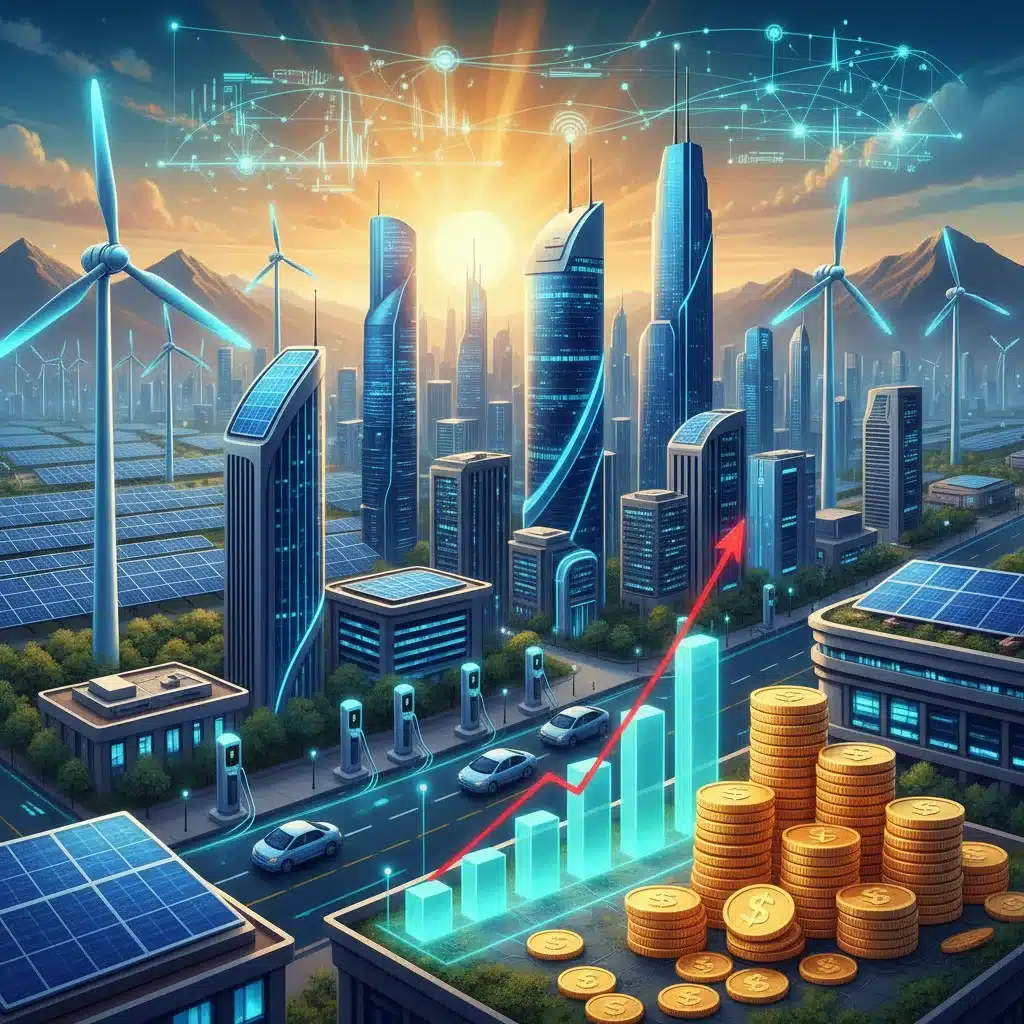
Investment Watch: Venture Capital Funding for U.S. Clean Energy Startups Reaches $12 Billion in Q4 2025, Setting 2026 Trends
The landscape of sustainable investment is undergoing a monumental transformation, and nowhere is this more evident than in the United States clean energy sector. The final quarter of 2025 has not just broken records; it has shattered them, with U.S. clean energy startups attracting an unprecedented $12 billion in venture capital funding. This colossal influx of capital signals a pivotal moment for the industry, setting a robust foundation and clear trends for 2026 and beyond. This article delves deep into the factors driving this extraordinary growth, analyzes the key areas attracting significant investment, and explores the potential implications for the future of clean energy. Understanding this surge in clean energy investment is crucial for investors, entrepreneurs, and policymakers alike.
Introduction: The Unprecedented Rise of Clean Energy Investment
For years, the promise of clean energy has been a beacon of hope for a sustainable future. However, the financial backing required to truly accelerate its adoption has often been perceived as a challenge. Q4 2025 tells a different story. The staggering $12 billion in venture capital funding for U.S. clean energy startups represents not just a record, but a profound shift in investor confidence and market maturity. This isn’t merely a fleeting trend; it’s a powerful indicator of a sustained commitment to decarbonization and technological innovation. The sheer volume of this clean energy investment underscores a collective belief in the economic viability and long-term potential of renewable solutions.
This article will dissect this monumental achievement, exploring the various facets that contributed to such a remarkable quarter. We will examine the policy tailwinds, technological breakthroughs, and evolving market demands that have converged to create this fertile ground for clean energy investment. Furthermore, we will cast our gaze forward, identifying the emerging trends and opportunities that this funding surge is likely to catalyze in 2026 and the coming years. The implications of this significant clean energy investment are far-reaching, impacting everything from job creation and economic growth to global climate goals.
Decoding the $12 Billion Surge: What Drove Q4 2025?
Several critical factors coalesced in Q4 2025 to create the perfect storm for record-breaking clean energy investment. Understanding these drivers is essential to appreciating the depth and sustainability of this trend.
Policy and Regulatory Tailwinds
Government policies have played an instrumental role in de-risking clean energy investments and creating a stable environment for growth. The continued implementation of incentives, tax credits, and supportive regulations, such as those embedded in the Inflation Reduction Act (IRA) and other state-level initiatives, has provided a clear and attractive pathway for investors. These policies offer long-term certainty, making capital deployment into clean energy projects far more appealing than in previous years. The predictability offered by these frameworks has been a significant magnet for venture capital, specifically targeting the clean energy sector. This robust policy support is a cornerstone of the increased clean energy investment.
Technological Maturation and Innovation
The clean energy sector is no longer nascent. Technologies like solar photovoltaics, wind turbines, and battery storage have reached unprecedented levels of efficiency and cost-effectiveness. Breakthroughs in areas such as advanced materials, artificial intelligence for grid management, and novel energy storage solutions are opening up new frontiers. Investors are increasingly confident in the scalability and commercial viability of these innovations, leading to greater willingness to fund early-stage and growth-stage clean energy startups. This technological leap has significantly reduced perceived risks, making clean energy investment a more attractive proposition.
Growing Corporate and Consumer Demand
The demand for sustainable solutions is no longer limited to niche markets. Corporations are increasingly setting ambitious decarbonization targets, driven by ESG (Environmental, Social, and Governance) mandates, consumer pressure, and a desire for energy independence. Consumers, too, are showing a growing preference for green products and services, from electric vehicles to renewable-powered homes. This dual demand-side pull creates a powerful market signal, indicating a vast and expanding market for clean energy technologies and services. The market’s readiness for clean energy solutions directly contributes to the surge in clean energy investment.
Macroeconomic Environment and Energy Security
Global geopolitical events and fluctuating fossil fuel prices have underscored the critical importance of energy security and resilience. Investing in domestic clean energy sources offers a strategic advantage, reducing reliance on volatile international markets and strengthening national energy independence. This broader macroeconomic context has further amplified the attractiveness of clean energy investment, positioning it as a strategic imperative rather than just an environmental concern.
Key Investment Areas: Where the Capital is Flowing
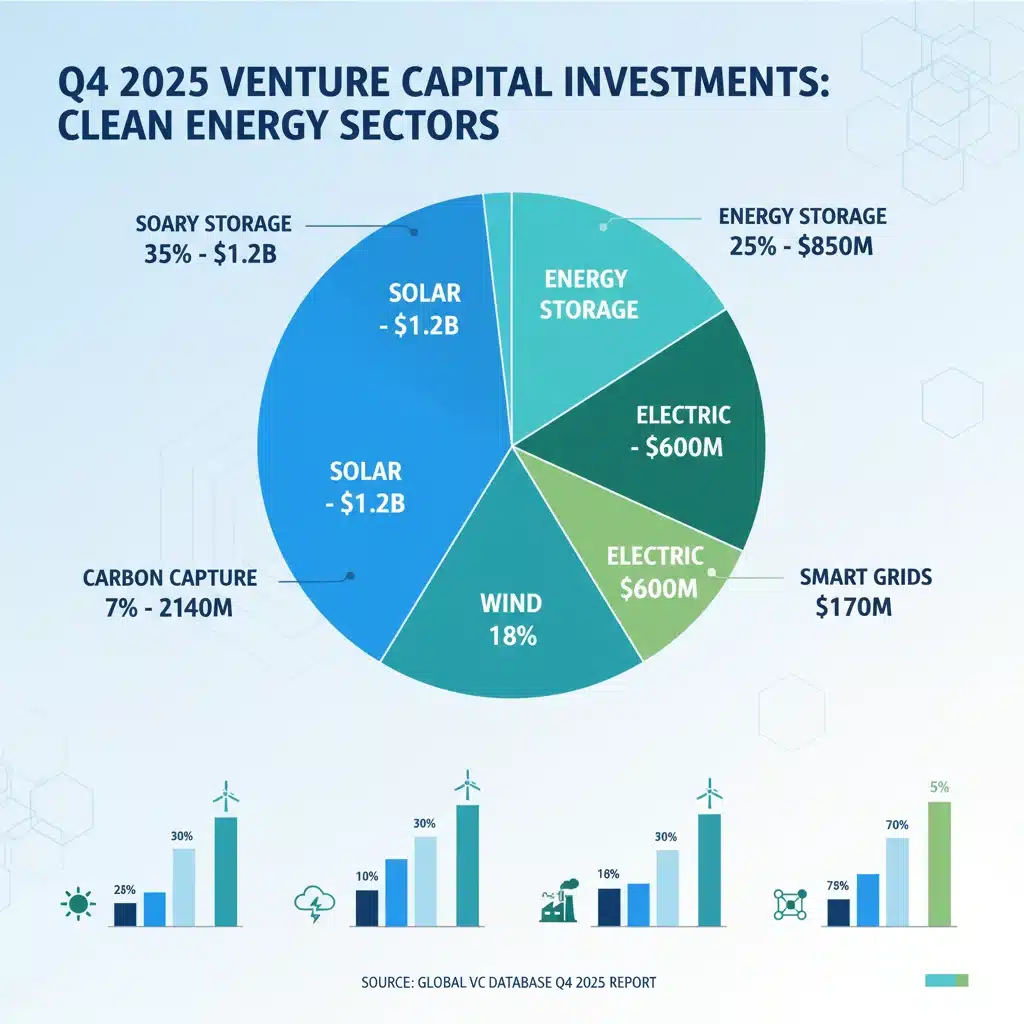
The $12 billion in Q4 2025 clean energy investment was not uniformly distributed. Certain sectors within the clean energy ecosystem experienced particularly intense activity, reflecting both current market needs and future growth potential.
Energy Storage Solutions
Perhaps one of the most critical bottlenecks for widespread renewable energy adoption has been storage. The intermittency of solar and wind power necessitates robust and scalable energy storage solutions. Q4 2025 saw significant clean energy investment in advanced battery technologies (beyond traditional lithium-ion), long-duration storage, and innovative grid-scale solutions. Startups developing flow batteries, solid-state batteries, and even thermal energy storage systems received substantial backing, indicating a strong belief in their potential to revolutionize grid stability and efficiency. The focus on energy storage highlights a strategic move to address the foundational challenges of renewable integration.
Electric Vehicles (EV) and Charging Infrastructure
The electrification of transportation continues its rapid ascent. While major EV manufacturers attract significant public market investment, venture capital is keenly focused on the ancillary ecosystem. This includes companies developing faster, more efficient charging technologies, smart charging networks, battery recycling solutions, and even new forms of electric mobility beyond passenger cars, such as electric trucks, buses, and aviation. The infrastructure required to support a fully electric future is immense, and investors are eager to capitalize on this foundational build-out. This area of clean energy investment is crucial for a sustainable transport future.
Grid Modernization and Smart Grid Technologies
A decentralized, renewable-heavy energy system demands a smarter, more resilient grid. Investments in Q4 2025 poured into startups focused on artificial intelligence for grid optimization, predictive analytics, cybersecurity for energy infrastructure, and distributed energy resource management. These technologies are vital for integrating diverse energy sources, managing demand fluctuations, and enhancing grid reliability. The modernization of the grid is an unsung hero of the clean energy transition, attracting vital clean energy investment.
Sustainable Fuels and Carbon Capture Technologies
While often more nascent, sustainable aviation fuels (SAFs), green hydrogen production, and carbon capture, utilization, and storage (CCUS) technologies also saw increased venture interest. These areas are crucial for decarbonizing hard-to-abate sectors like heavy industry and long-haul transportation. While still facing significant scaling challenges, the increased clean energy investment signals a growing recognition of their long-term importance in achieving net-zero emissions. These frontier technologies represent the next wave of clean energy investment.
Advanced Materials and Circular Economy Solutions
Innovation extends beyond just energy generation. Startups developing advanced materials for more efficient solar cells, lighter wind turbine blades, and more durable battery components are attracting capital. Furthermore, companies focused on circular economy principles within the clean energy supply chain – from rare earth metal recycling to sustainable manufacturing processes – are gaining traction. This holistic approach ensures that the clean energy transition is not only green in its output but also in its entire lifecycle, driving sustainable clean energy investment.
Forecasting 2026 Trends: What to Expect Next
The massive clean energy investment in Q4 2025 is not an endpoint but a powerful catalyst for future trends. Here’s what we can anticipate in 2026 and beyond:
Acceleration of Commercialization
With significant capital now deployed, expect to see a rapid acceleration in the commercialization of promising clean energy technologies. Many startups that secured funding will be moving from pilot projects to full-scale deployment, bringing innovative solutions to market faster. This will lead to a more tangible impact on energy grids and consumer choices. This commercialization push is a direct result of increased clean energy investment.
Increased Focus on Scalability and Bankability
Venture capitalists, while risk-takers, ultimately seek returns. The next phase of clean energy investment will likely see a sharper focus on startups that can demonstrate clear pathways to scalability, profitability, and bankability. Technologies that can be deployed quickly and cost-effectively across diverse geographies will be particularly attractive. The emphasis will shift from pure innovation to market-ready solutions, requiring robust clean energy investment strategies.
Consolidation and Strategic Partnerships
As the sector matures, we can expect to see more consolidation, with larger energy companies and established corporations acquiring promising clean energy startups. Strategic partnerships between technology developers, utility providers, and industrial players will also become more prevalent, aiming to integrate new solutions into existing infrastructure and accelerate market penetration. This trend is a natural evolution following a period of intense clean energy investment.
Global Spillover Effects
While this analysis focuses on U.S. clean energy investment, the success and innovation driven by this capital surge will undoubtedly have global ramifications. U.S. technologies and business models can serve as blueprints for other nations, fostering international collaboration and accelerating the global clean energy transition. The ripple effects of this clean energy investment will be felt worldwide.
Talent Acquisition and Workforce Development
A burgeoning clean energy sector will require a highly skilled workforce. Expect increased investment in education, training programs, and talent acquisition initiatives to meet the growing demand for engineers, technicians, data scientists, and project managers specializing in clean energy. This will create new job opportunities and contribute to economic growth. The human capital aspect is a critical, often overlooked, component of sustained clean energy investment.
Challenges and Opportunities Ahead
Despite the optimistic outlook, the clean energy sector is not without its challenges. Supply chain vulnerabilities, regulatory complexities, and the need for continuous innovation remain pertinent issues. However, the record clean energy investment in Q4 2025 positions the industry exceptionally well to tackle these hurdles.

Overcoming Supply Chain Bottlenecks
The rapid expansion of clean energy technologies has put pressure on global supply chains for critical minerals, components, and manufacturing capacity. Increased clean energy investment can be directed towards diversifying supply sources, developing domestic manufacturing capabilities, and fostering circular economy practices to mitigate these risks. This ensures greater resilience and self-sufficiency for the clean energy industry.
Navigating Evolving Regulatory Landscapes
While policy has been a tailwind, regulatory frameworks are constantly evolving. Startups and investors must remain agile and adaptable, engaging with policymakers to ensure that regulations continue to support innovation and deployment rather than hinder it. Clear, consistent, and long-term policy signals are crucial for sustained clean energy investment.
Sustaining Innovation Momentum
The clean energy sector thrives on innovation. A portion of future clean energy investment must continuously be channeled into research and development for next-generation technologies, ensuring that the industry remains at the forefront of scientific and engineering advancements. This includes exploring novel energy sources, more efficient conversion methods, and advanced materials science.
Ensuring Equitable Access and Benefits
As clean energy solutions become more widespread, it’s imperative to ensure that their benefits are equitably distributed. Clean energy investment should also focus on deploying solutions in underserved communities, creating green jobs, and making clean energy accessible and affordable for all segments of society. This commitment to equity will strengthen the social license for the clean energy transition.
The Role of Different Investment Vehicles
While venture capital has been the focus of this discussion, it’s important to recognize that the broader clean energy investment ecosystem involves a variety of financial instruments and players. This includes:
- Corporate Venture Capital (CVC): Large corporations are increasingly launching their own venture arms to invest in clean energy startups, often seeking strategic advantages, access to new technologies, or diversification.
- Private Equity (PE): PE firms are active in later-stage clean energy companies, focusing on scaling proven technologies and optimizing operational efficiencies.
- Project Finance: Banks and institutional investors provide debt financing for large-scale clean energy projects, such as solar farms and wind parks, once they reach a certain stage of development and have secured off-take agreements.
- Public Markets: Established clean energy companies can raise capital through stock offerings, allowing public investors to participate in the growth of the sector.
- Green Bonds and Sustainable Funds: These financial products allow a broader range of investors, including individuals, to direct their capital towards environmentally friendly projects and companies, further fueling clean energy investment.
The confluence of these different investment vehicles creates a robust financial backbone for the clean energy transition, each playing a distinct yet complementary role in driving clean energy investment from early-stage innovation to large-scale deployment.
Conclusion: A New Era for Clean Energy Investment
The $12 billion in venture capital funding for U.S. clean energy startups in Q4 2025 is more than just a headline figure; it represents a coming of age for the clean energy sector. It signifies a mature market, robust technological advancements, and a clear path toward a sustainable, decarbonized future. This unprecedented clean energy investment reflects a deep-seated confidence from the financial community in the innovation and economic potential of renewable technologies.
As we move into 2026, the trends indicate continued growth, accelerated commercialization, and strategic consolidation within the industry. The challenges, though significant, are being met with equally significant capital and ingenuity. For entrepreneurs, this is an era of immense opportunity; for investors, it’s a chance to be part of a transformative global shift; and for all of us, it’s a hopeful sign for the planet. The future of energy is undeniably clean, and the financial world is now fully on board, making clean energy investment a cornerstone of global progress.
The sustained momentum generated by this record-breaking quarter will be crucial in achieving ambitious climate goals and building a more resilient and sustainable energy system for generations to come. This massive clean energy investment is laying the groundwork for an entirely new economic paradigm.