Decoding 2026 Energy Storage Systems: Technical Insights
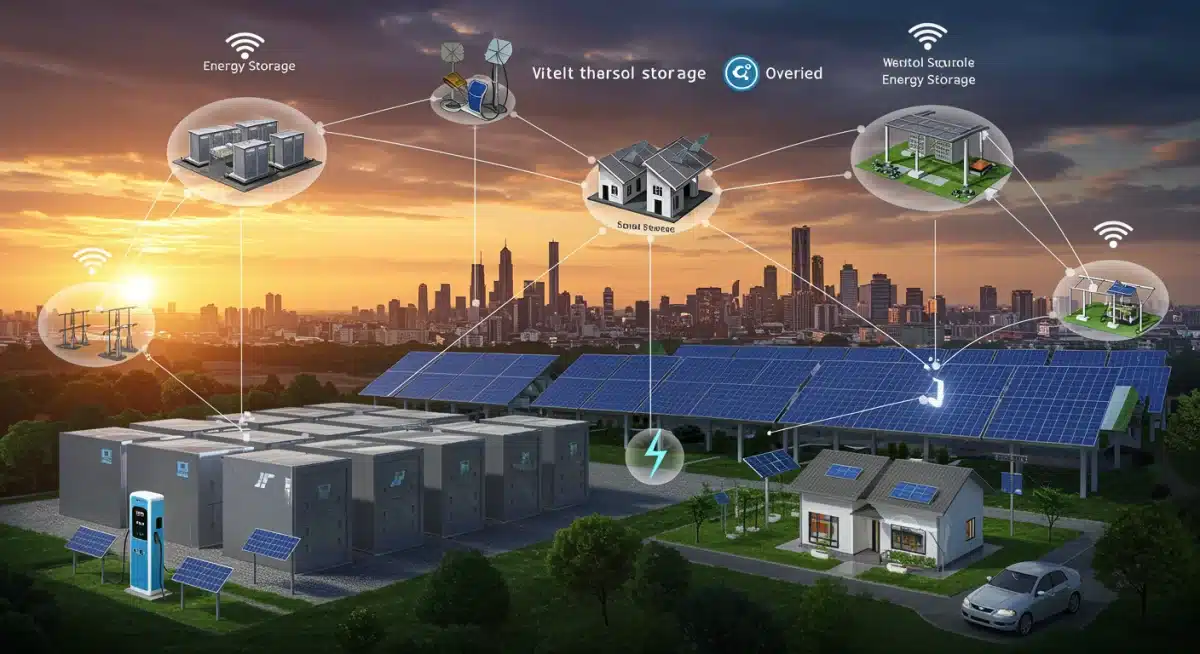
Understanding 2026 energy storage systems is crucial for technical professionals navigating the rapidly evolving clean energy sector, encompassing grid-scale, commercial, and residential applications with advanced technological and regulatory frameworks.
Decoding 2026 Energy Storage Systems requires a deep dive into the innovations shaping our energy future. This guide is crafted for technical professionals seeking to grasp the intricate details of what makes these systems tick and how they are transforming the landscape of power generation and distribution.
The evolving landscape of energy storage in 2026
The year 2026 marks a pivotal moment in energy storage, characterized by rapid advancements in battery technology, sophisticated grid integration, and an increasingly complex regulatory environment. Technical professionals must stay abreast of these changes to design, implement, and maintain effective storage solutions.
As renewable energy sources like solar and wind become more prevalent, the demand for reliable and efficient energy storage has skyrocketed. These systems are no longer just about storing excess energy; they are critical for grid stability, peak shaving, and providing ancillary services that ensure a resilient and responsive power infrastructure.
Key technological drivers
Several technological breakthroughs are propelling the energy storage sector forward. These innovations are not only improving performance but also reducing costs, making storage solutions more accessible and economically viable.
- Advanced Battery Chemistries: Beyond lithium-ion, new chemistries like solid-state, flow, and sodium-ion batteries are gaining traction.
- Enhanced Power Electronics: Smarter inverters and power conversion systems optimize energy flow and grid interaction.
- AI and Machine Learning: Predictive analytics and optimization algorithms manage charge/discharge cycles for maximum efficiency and longevity.
The integration of these drivers creates a synergistic effect, allowing for more robust and adaptable energy storage solutions. Understanding the interplay between these components is essential for any professional in this field.
Grid-scale energy storage: a new backbone for power
Grid-scale energy storage systems are foundational to modernizing electrical grids, providing the flexibility needed to manage intermittent renewable energy sources. These massive installations are designed to store and dispatch electricity at megawatt and gigawatt levels, ensuring power reliability across vast networks.
The applications for grid-scale storage are diverse, ranging from capacity firming and energy arbitrage to frequency regulation and black start capabilities. Each application demands specific technical considerations, from system design to operational protocols.
Integration challenges and solutions
Integrating large-scale storage into existing grid infrastructure presents unique challenges. These often involve complex engineering, regulatory hurdles, and economic modeling to ensure cost-effectiveness and operational efficiency.
Achieving seamless integration requires robust communication protocols and advanced control systems that can respond in milliseconds to grid demands. Furthermore, ensuring the safety and longevity of these large-scale assets is paramount.
- Interconnection Standards: Navigating diverse regional and federal interconnection requirements for large-scale projects.
- System Stability: Ensuring grid stability during rapid charge/discharge events and managing reactive power.
- Cybersecurity: Protecting critical infrastructure from cyber threats targeting control systems and data.
Addressing these challenges proactively through meticulous planning and innovative technical solutions is vital for the successful deployment of grid-scale energy storage. This proactive approach minimizes risks and maximizes the benefits of these essential installations.
Commercial and industrial applications: optimizing business operations
Commercial and industrial (C&I) energy storage systems offer businesses a powerful tool for managing energy costs, improving resilience, and meeting sustainability goals. These systems are typically smaller than grid-scale installations but demand equally sophisticated technical expertise for optimal performance.
For C&I clients, the primary drivers for adopting energy storage include demand charge management, time-of-use optimization, and backup power during outages. Understanding the specific load profiles and operational requirements of each business is key to designing tailored solutions.
Financial and technical benefits
The financial benefits of C&I storage can be substantial, often driven by reductions in peak demand charges and arbitrage opportunities. Technically, these systems enhance operational stability and provide a reliable power supply that can be critical for sensitive industrial processes.
Implementing these systems requires a detailed analysis of electrical infrastructure, energy consumption patterns, and potential integration with existing renewable assets like rooftop solar. This holistic approach ensures maximum return on investment.
Moreover, the ability to island from the grid during disturbances offers a significant advantage for businesses where continuous operation is critical. This resilience factor is becoming increasingly important in an era of unpredictable weather events and grid vulnerabilities.
Residential energy storage: empowering homeowners
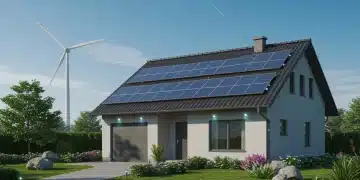
Residential energy storage systems are transforming how homeowners consume and manage electricity, offering greater energy independence and resilience. These systems, often paired with rooftop solar, allow households to store excess solar energy for use during the night or during grid outages.
The market for residential storage is booming, driven by factors such as rising electricity prices, increasing frequency of power interruptions, and a growing desire for sustainable living. Technical professionals specializing in residential installations need a strong understanding of both electrical systems and customer needs.
Installation and safety considerations
Installing residential energy storage requires adherence to strict safety codes and best practices. Proper sizing, ventilation, and integration with home electrical panels are crucial to ensure safe and efficient operation.
Furthermore, educating homeowners on the operation and maintenance of their systems is an important aspect of successful deployment. Simplified interfaces and automated controls are making these systems more user-friendly.
- Battery Management Systems (BMS): Essential for monitoring battery health, temperature, and charge status to prevent overcharging or deep discharge.
- Inverter Compatibility: Ensuring seamless integration between solar inverters and battery inverters for optimal energy flow.
- Emergency Backup: Designing systems capable of powering critical loads during grid outages, often requiring automatic transfer switches.
The focus on safety and user experience is paramount in the residential sector, ensuring that homeowners can confidently leverage their energy storage investments. This also includes understanding local permitting and inspection processes.
The role of power conversion systems and grid integration
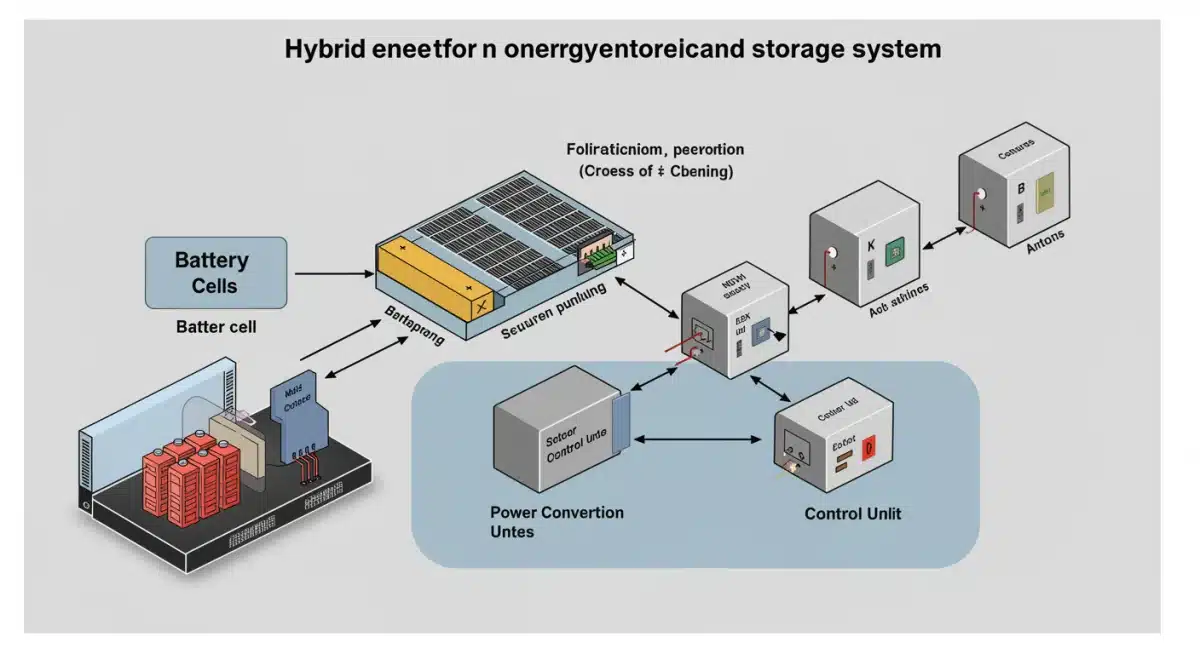
Power conversion systems (PCS) are the unsung heroes of energy storage, acting as the interface between the battery and the electrical grid or load. These sophisticated electronic devices manage the flow of energy, converting DC power from batteries to AC power for consumption, and vice versa.
Effective grid integration hinges on the capabilities of the PCS, which must be able to respond dynamically to grid signals, manage voltage and frequency, and provide ancillary services. The intelligence embedded within these systems is crucial for overall system performance and grid stability.
Advanced PCS functionalities
Modern PCS units go beyond simple DC/AC conversion. They incorporate advanced features that enhance system efficiency, reliability, and grid support. These functionalities are becoming increasingly vital as the grid evolves.
For instance, some PCS units can perform black start operations, allowing a portion of the grid to be restarted after a blackout without external power. Others offer reactive power compensation, improving power quality across the network.
- Bi-directional Power Flow: Seamlessly converting power in both directions for charging and discharging.
- Grid-forming Capabilities: Acting as a stable voltage source for microgrids or during grid disturbances.
- Communication Protocols: Interfacing with grid operators and energy management systems for coordinated control.
The continuous development of PCS technology is critical for unlocking the full potential of energy storage systems, making them more versatile and responsive to the dynamic needs of the modern electrical grid. Technical professionals must be proficient in their selection and configuration.
Regulatory frameworks and market trends for 2026
The regulatory landscape for energy storage in 2026 is complex and constantly evolving, with federal, state, and local policies significantly influencing deployment and market dynamics. Understanding these frameworks is essential for project development and financial viability.
Market trends are also shaping the industry, with increasing investment in research and development, a growing competitive landscape, and a focus on sustainable and ethical supply chains. Technical professionals need to be aware of these broader contexts to position their projects for success.
Policy drivers and incentives
Government policies and incentives play a crucial role in accelerating energy storage adoption. These can include tax credits, rebates, grant programs, and mandates for utility-scale deployment.
For example, in the United States, various states have set aggressive energy storage targets, creating significant market opportunities for developers and technology providers. Navigating these diverse policies requires expertise in both technical and legal domains.
The push for decarbonization and grid resilience is a major driver behind many of these policies. Energy storage is seen as a key enabler for achieving these societal and environmental goals, fostering a supportive regulatory environment.
| Key Aspect | Brief Description |
|---|---|
| Battery Innovations | Advancements in chemistries like solid-state and flow batteries are boosting efficiency and safety. |
| Grid Integration | Sophisticated power electronics and AI optimize large-scale storage for grid stability. |
| C&I Applications | Businesses leverage storage for demand charge reduction, resilience, and sustainability. |
| Regulatory Landscape | Evolving policies and incentives drive market growth and project feasibility. |
Frequently asked questions about 2026 energy storage systems
The growth is primarily driven by the increasing integration of renewable energy sources, the need for enhanced grid stability and resilience, demand charge management for businesses, and consumer desire for energy independence and backup power solutions.
Beyond lithium-ion, 2026 sees significant advancements in solid-state batteries for higher energy density and safety, flow batteries for long-duration storage, and sodium-ion batteries for cost-effective alternatives, each addressing specific application needs.
Power conversion systems (PCS) are critical interfaces, converting DC battery power to AC for the grid and vice versa. They manage power flow, ensure grid synchronization, and provide essential grid services like voltage and frequency regulation, optimizing system performance.
Key challenges include complex interconnection standards, ensuring grid stability during rapid power fluctuations, managing cybersecurity risks for critical infrastructure, and the high upfront capital costs, all requiring sophisticated engineering and regulatory navigation.
Regulatory frameworks significantly influence project feasibility and profitability through various incentives, mandates, and interconnection rules. State-level policies, in particular, often dictate market opportunities and operational requirements for energy storage systems.
Conclusion
The landscape of energy storage in 2026 is dynamic, presenting both formidable challenges and unparalleled opportunities for technical professionals. From the intricate chemistries of advanced batteries to the complex algorithms managing grid-scale deployments, continuous learning and adaptation are paramount. As we move further into the clean energy era, understanding these systems will not only drive innovation but also ensure the reliability and sustainability of our global power infrastructure. For those in the technical field, staying informed about the evolving technologies, market trends, and regulatory changes is essential for contributing meaningfully to this transformative sector.