6-Month Fast Track: Accelerated Clean Energy Transition Programs 2026
The 6-Month Fast Track: Accelerated Learning Programs for Clean Energy Transition in 2026
The global energy landscape is undergoing a monumental shift, accelerating towards a cleaner, more sustainable future. This transition isn’t just an environmental imperative; it’s an economic revolution, creating millions of new jobs and demanding a skilled workforce ready to innovate and implement. For those looking to enter or pivot into this booming sector, time is of the essence. The traditional multi-year degree path might not align with the urgent demand for talent. This is where accelerated clean energy programs, specifically those designed for a 6-month fast track, become invaluable. By 2026, the need for proficient professionals in renewable energy, energy efficiency, and sustainable technologies will be more critical than ever. This comprehensive guide will delve into the world of accelerated clean energy programs, highlighting their benefits, what to look for, and how they can catapult your career into the heart of the energy transition.
The clock is ticking, and the urgency of climate change, coupled with technological advancements, has propelled the clean energy sector into an unprecedented growth phase. Governments worldwide are committing to ambitious decarbonization targets, leading to massive investments in solar, wind, geothermal, hydropower, and advanced energy storage solutions. This surge in activity translates directly into a high demand for skilled labor across various disciplines. From installation and maintenance technicians to project managers, data analysts, and policy specialists, the opportunities are vast and varied. However, many individuals find themselves without the specialized knowledge required to seize these roles. This gap is precisely what accelerated clean energy programs aim to bridge, offering intensive, focused training that gets you job-ready in a fraction of the time.
Why Choose an Accelerated Clean Energy Program?
In a world that values speed and efficiency, accelerated programs offer a compelling alternative to traditional education. Here’s why a 6-month fast track could be your best bet for a career in clean energy:
Rapid Entry into a High-Demand Field
Perhaps the most significant advantage is the speed at which you can enter the workforce. Traditional degrees can take two to four years, delaying your entry into a rapidly evolving job market. An accelerated clean energy program condenses critical knowledge and practical skills into a focused six-month curriculum, meaning you could be contributing to the energy transition and earning a competitive salary much sooner.
Targeted Skill Development
Unlike broader academic programs, accelerated courses are designed with specific industry needs in mind. They often collaborate directly with employers to ensure the curriculum aligns with the most sought-after skills. This means less time spent on general education and more on hands-on training directly applicable to roles in solar installation, wind turbine maintenance, energy auditing, battery storage, or smart grid technologies. You learn what you need to know, without the fluff, making you an attractive candidate for employers seeking immediate expertise.
Cost-Effectiveness
Shorter programs generally mean lower tuition fees and fewer living expenses compared to multi-year degrees. This makes an accelerated clean energy pathway a more financially accessible option for many, reducing student debt and allowing for a quicker return on investment through employment.
Adaptability to Industry Changes
The clean energy sector is dynamic, with new technologies and regulations emerging constantly. Accelerated programs, particularly those offered by vocational schools or industry training centers, are often more agile in updating their curricula to reflect these changes. This ensures that the skills you acquire are current and relevant, preparing you for the industry’s cutting edge.
Networking Opportunities
Many accelerated programs foster strong connections with local and national clean energy companies. This often translates into internship opportunities, guest lectures from industry leaders, and direct pathways to employment. The concentrated environment also allows for strong peer networking, creating a valuable professional community.
Key Areas of Focus in Accelerated Clean Energy Programs for 2026
As we look towards 2026, certain areas within the clean energy sector are experiencing explosive growth. Accelerated programs are adapting to meet these demands by offering specialized tracks. Here are some of the most prominent:
Solar Photovoltaic (PV) Installation and Maintenance
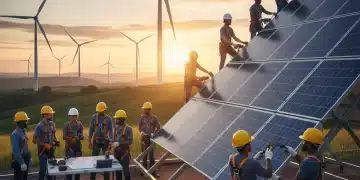
Solar energy continues to be a cornerstone of the clean energy transition. Programs in this area focus on the design, installation, troubleshooting, and maintenance of residential, commercial, and utility-scale solar PV systems. You’ll learn about electrical codes, safety protocols, system sizing, inverter technology, and grid interconnection. Certifications like NABCEP (North American Board of Certified Energy Practitioners) are often integrated into these programs, making graduates highly marketable.
Wind Turbine Technology
The global capacity for wind power is expanding rapidly, requiring a robust workforce for the construction, operation, and maintenance of wind farms. Accelerated programs in wind turbine technology cover aerodynamics, mechanical and electrical systems, hydraulics, safety procedures (including working at heights), and diagnostic techniques. Graduates are prepared for roles as wind turbine technicians, a physically demanding yet rewarding career.
Energy Efficiency and Auditing
Reducing energy consumption is just as vital as generating clean energy. Programs focused on energy efficiency teach you how to assess energy usage in buildings, identify areas for improvement, and recommend cost-effective solutions. This includes understanding HVAC systems, insulation, lighting, and building automation. Certifications like BPI (Building Performance Institute) are common and highly valued, leading to careers as energy auditors, building performance specialists, or green building consultants.
Battery Storage and Grid Modernization
As renewable energy sources become more prevalent, the need for reliable energy storage and a modernized grid becomes paramount. Accelerated courses in this domain delve into battery technologies (lithium-ion, flow batteries), grid integration, smart grid technologies, microgrids, and demand-side management. This is a rapidly evolving field with significant innovation, offering roles in system design, installation, and optimization of storage solutions.
Electric Vehicle (EV) Infrastructure
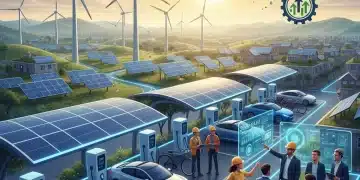
The surge in electric vehicle adoption demands a corresponding expansion of charging infrastructure. Programs in this area prepare individuals to install, maintain, and troubleshoot EV charging stations, understand various charging standards, and integrate charging solutions into existing electrical grids. This niche but growing field offers specialized technician roles.
Bioenergy and Waste-to-Energy Systems
While often less publicized than solar and wind, bioenergy and waste-to-energy technologies play a crucial role in diversified clean energy portfolios. Accelerated programs might cover the principles of biomass conversion, anaerobic digestion, and waste utilization for energy generation, preparing students for roles in plant operations or technical support.
What to Look for in a 6-Month Accelerated Clean Energy Program
Not all programs are created equal. To ensure you’re investing in a valuable education, consider these factors when choosing an accelerated clean energy program:
Accreditation and Reputation
Ensure the institution or program is accredited by a recognized body. This validates the quality of education and often makes your credentials more transferable and recognized by employers. Research the program’s reputation, read reviews, and seek testimonials from past graduates.
Curriculum and Hands-On Training
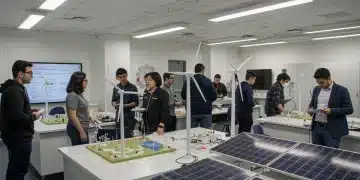
A good accelerated program will have a robust curriculum that balances theoretical knowledge with extensive practical, hands-on training. Look for programs with dedicated lab facilities, access to industry-standard equipment, and opportunities for real-world projects or internships. The more practical experience you gain, the more job-ready you will be.
Instructor Expertise
The quality of your instructors is paramount. Seek programs taught by industry veterans and experts who bring real-world experience and current knowledge to the classroom. Their insights and connections can be invaluable.
Certifications and Industry Partnerships
Many clean energy roles require specific certifications (e.g., NABCEP, BPI, OSHA). Choose a program that either includes these certifications as part of its curriculum or prepares you thoroughly for them. Strong industry partnerships indicate that the program is relevant to employer needs and may offer direct pathways to employment.
Career Services and Job Placement Rate
A strong career services department is a significant asset. Inquire about job placement rates, resume writing assistance, interview preparation, and networking events. A program that actively supports its graduates in finding employment demonstrates its commitment to your success.
Program Format and Flexibility
While most accelerated programs are intensive, some might offer evening or weekend classes, or a hybrid online/in-person format. Consider what best fits your learning style and personal circumstances. However, be wary of programs that are entirely online for highly practical fields like solar installation or wind turbine maintenance, as hands-on experience is crucial.
Preparing for Your Accelerated Clean Energy Journey
Embarking on an accelerated clean energy program requires dedication and preparation. Here are some tips to maximize your success:
Assess Your Aptitude and Interests
Clean energy encompasses a wide array of disciplines. Do you enjoy working with your hands? Are you interested in data analysis? Do you have an aptitude for problem-solving? Understanding your strengths and interests will help you choose the right specialization within clean energy.
Basic Foundations
While not always a prerequisite, having a basic understanding of mathematics, physics, and general electrical principles can give you a head start. Some programs might offer introductory modules or recommend pre-course readings. Familiarize yourself with basic safety concepts as well.
Time Management Skills
Accelerated programs are intensive by design. Strong time management skills, self-discipline, and a willingness to commit significant hours to study and practical work are essential for success. Treat it like a full-time job.
Networking from Day One
Start building your professional network as soon as you enroll. Connect with instructors, classmates, guest speakers, and career services personnel. Attend industry events if opportunities arise. Your network will be crucial for job searching and career progression.
Financial Planning
Understand the full cost of the program, including tuition, materials, and living expenses. Explore financial aid options, scholarships, and grants specifically for clean energy training. A clear financial plan will reduce stress and allow you to focus on your studies.
The Clean Energy Job Market in 2026 and Beyond
The outlook for clean energy jobs is exceptionally bright. Reports from the International Renewable Energy Agency (IRENA) and various national labor departments consistently forecast significant growth in green jobs. By 2026, the demand for skilled professionals in areas like solar PV installation, wind turbine technology, energy storage, and energy efficiency is expected to outpace the supply. This creates a highly favorable environment for graduates of accelerated clean energy programs.
Specifically:
- Solar Photovoltaic Installers and Technicians: Projected to be one of the fastest-growing occupations, with significant demand for residential, commercial, and utility-scale projects.
- Wind Turbine Technicians: A high-growth field, especially with the expansion of offshore wind farms, requiring specialized skills for installation, maintenance, and repair.
- Energy Auditors and Efficiency Specialists: As businesses and homeowners seek to reduce costs and carbon footprints, the need for professionals who can identify and implement efficiency improvements will remain strong.
- Battery Storage Engineers and Technicians: With the increasing integration of intermittent renewables, energy storage is critical, driving demand for experts in battery technology and grid integration.
- Electric Vehicle Infrastructure Technicians: The rapid adoption of EVs creates a new segment of jobs focused on installing and maintaining charging stations.
These roles often offer competitive salaries, good benefits, and the satisfaction of contributing directly to a sustainable future. An accelerated clean energy program positions you perfectly to capitalize on these opportunities.
Success Stories: Realizing the Potential of Accelerated Programs
Consider the journey of someone like Maria, a former retail manager who felt unfulfilled and sought a career with purpose. After researching various options, she enrolled in a 6-month accelerated clean energy program focusing on solar PV installation. The intensive curriculum, combining online modules with hands-on lab work, was challenging but rewarding. Within three months of graduating, Maria secured a position as a solar installer with a local company, quickly progressing to a team lead role. Her story is not unique; countless individuals are leveraging these fast-track programs to pivot into meaningful and impactful careers.
Or take David, an experienced electrician who wanted to specialize in the emerging field of battery storage. A 6-month accelerated course on grid-scale energy storage and microgrid design allowed him to update his skills and gain specific certifications. This specialized knowledge immediately opened doors to higher-paying positions in utility-scale renewable energy projects, demonstrating how accelerated programs can also serve experienced professionals looking to upskill or specialize.
Challenges and Considerations
While the benefits are numerous, it’s important to approach accelerated clean energy programs with realistic expectations. They are demanding and require a significant commitment. The condensed nature means a heavy workload and less time for outside commitments. It’s crucial to be self-motivated and prepared for an intense learning experience. Additionally, while these programs provide excellent foundational and practical skills, continuous learning and professional development will be essential throughout your career in this rapidly evolving field.
The Future is Now: Seize Your Opportunity
The clean energy transition is not a distant future; it is happening right now, and its pace is only increasing. The demand for skilled professionals by 2026 will be immense, creating an unparalleled opportunity for those ready to embrace change and acquire new expertise. Accelerated clean energy programs offer a direct, efficient, and cost-effective pathway to becoming a vital part of this global movement.
If you’re contemplating a career change, seeking to re-skill, or simply want to contribute to a sustainable future, now is the time to explore the wealth of accelerated training options available. Research programs, talk to advisors, and envision yourself at the forefront of innovation. The 6-month fast track isn’t just about getting a job quickly; it’s about building a sustainable career with purpose, impact, and immense potential for growth in the decades to come. The clean energy revolution needs you, and an accelerated program can provide the launchpad for your success.