Maximizing Your Savings: Unlocking Federal Clean Energy Rebates Up To $8,000 in 2026
As we approach 2026, homeowners across the United States are presented with an unprecedented opportunity to significantly reduce their energy consumption, enhance their property value, and contribute to a greener planet, all while saving substantial amounts of money. The federal government, through various initiatives and particularly the Inflation Reduction Act (IRA), has rolled out a suite of financial incentives designed to make clean energy upgrades more accessible and affordable. For many, this means the potential to secure up to $8,000 in Federal Clean Energy Rebates, transforming the dream of an energy-efficient home into a tangible reality.
This comprehensive guide will delve deep into the specifics of these rebates, offering you insider knowledge on how to navigate the application process, understand eligibility criteria, and strategically plan your home improvements to maximize your financial benefits. Whether you’re considering solar panels, a new heat pump, or insulation upgrades, understanding these programs is your first step towards a more sustainable and cost-effective future.
The Landscape of Federal Clean Energy Rebates in 2026
The year 2026 is set to be a pivotal moment for homeowners looking to invest in clean energy. The existing framework of tax credits and rebates, largely bolstered by the Inflation Reduction Act of 2022, continues to provide robust financial support. These incentives are not merely a temporary measure; they represent a long-term commitment by the government to foster a sustainable energy future and reduce carbon emissions. The primary goal is to accelerate the adoption of clean energy technologies and energy-efficient home improvements by making them financially attractive to a broader segment of the population.
Understanding the Inflation Reduction Act (IRA) and Its Impact
The IRA is arguably the most significant climate legislation in U.S. history, allocating hundreds of billions of dollars towards clean energy and climate initiatives. For homeowners, this translates into a variety of direct rebates and tax credits. It’s crucial to distinguish between rebates and tax credits:
- Rebates: These are direct financial incentives that reduce the upfront cost of an eligible purchase or installation. They are often administered by state energy offices or local utilities, funded by federal programs. The High-Efficiency Electric Home Rebate Program (HEEHRP) is a prime example, offering up to $8,000 for specific electric appliance upgrades.
- Tax Credits: These are deductions from the amount of tax you owe. The Residential Clean Energy Credit (formerly the Investment Tax Credit, ITC) allows you to claim a percentage of the cost of eligible clean energy equipment, such as solar panels, on your federal income tax return. The Energy Efficient Home Improvement Credit (25C) offers credits for a range of energy-efficient home improvements.
The combined effect of these programs means that homeowners can often stack incentives, leading to substantial overall savings on their clean energy projects. Navigating these options requires a clear understanding of what’s available and how to apply.
Key Clean Energy Upgrades Eligible for Federal Rebates
The scope of eligible home upgrades under these federal programs is broad, covering everything from renewable energy installations to improvements in home insulation. Here are some of the most impactful categories:
1. Heat Pumps: The Future of Home Heating and Cooling
Heat pumps are a cornerstone of the clean energy transition, offering highly efficient heating and cooling for your home. They work by transferring heat, rather than generating it, making them significantly more efficient than traditional furnaces or air conditioners. Federal Clean Energy Rebates make these systems incredibly appealing. Under the HEEHRP, eligible households can receive:
- Up to $8,000 for a new heat pump system.
- Additional rebates for related electrical upgrades and insulation needed to support the heat pump’s efficiency.
The exact rebate amount can vary based on income levels and specific state programs, but the potential for significant savings is clear. Furthermore, the 25C tax credit can provide a credit of up to 30% of the cost of installing a qualified heat pump, up to $2,000 annually.
2. Solar Panels: Harnessing the Power of the Sun
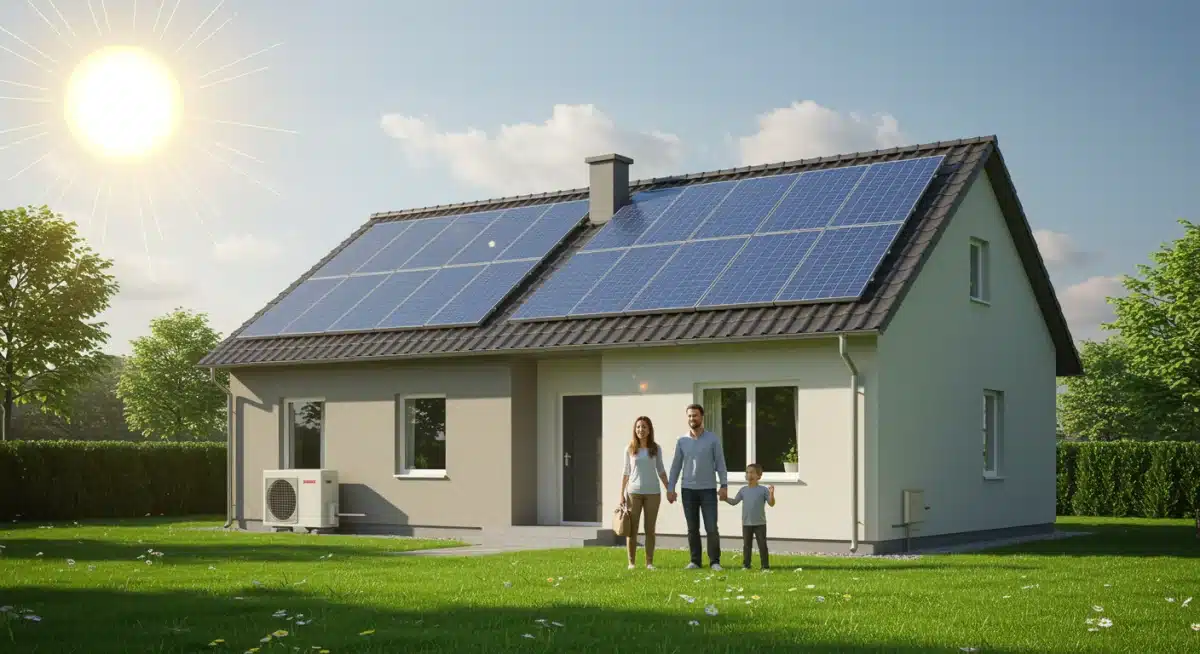
Installing solar panels remains one of the most popular and impactful clean energy upgrades. The Residential Clean Energy Credit allows homeowners to claim a tax credit equal to 30% of the cost of new, qualified clean energy property for your home, including solar electric property. This credit has no cap and applies to both the equipment and installation costs. It’s a direct dollar-for-dollar reduction in your tax liability, making solar energy more affordable than ever.
3. Energy-Efficient Windows, Doors, and Insulation
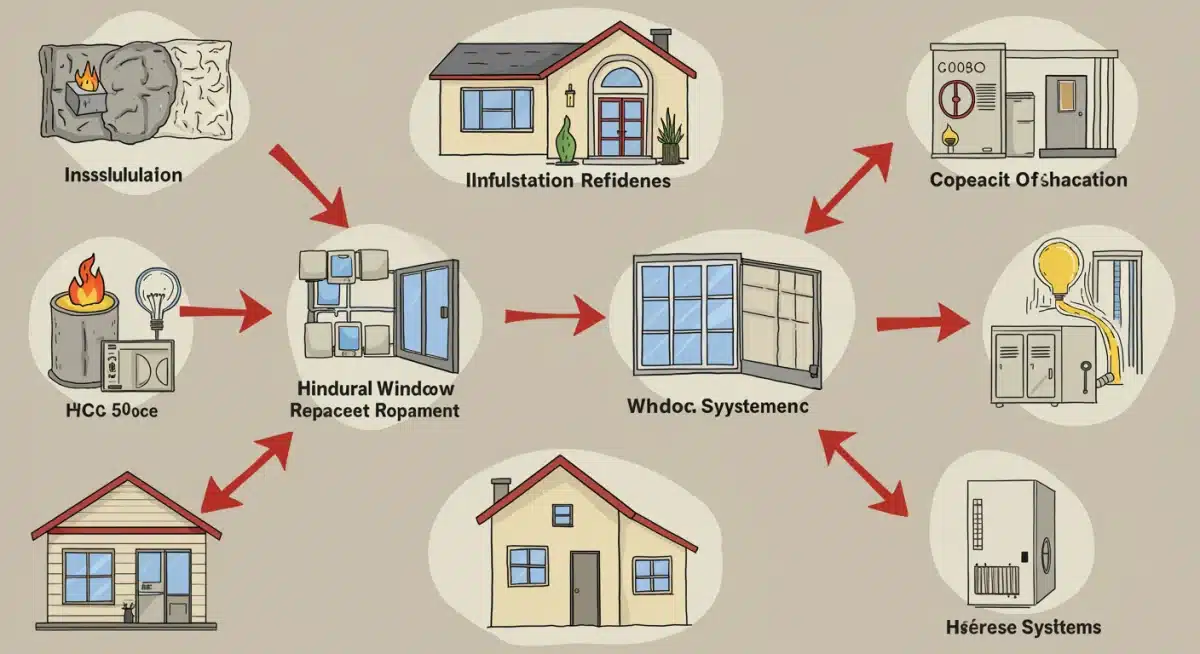
Even without large-scale renewable energy installations, improving your home’s envelope can lead to substantial energy savings. The Energy Efficient Home Improvement Credit (25C) offers tax credits for a range of improvements:
- Windows and Skylights: Up to $600 for qualified exterior windows and skylights.
- Exterior Doors: Up to $250 per door, with a total annual limit of $500 for qualified exterior doors.
- Insulation and Air Sealing: A credit of up to 30% of the cost, up to $1,200 annually, for qualified insulation materials and air sealing efforts.
These upgrades reduce heat loss in winter and heat gain in summer, lowering your heating and cooling bills year-round. The cumulative effect of these smaller upgrades can be quite significant, especially when combined with other federal clean energy rebates.
4. Electric Vehicle Charging Equipment
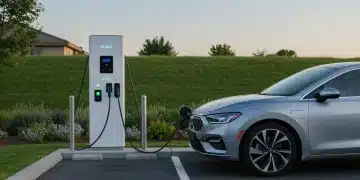
For those embracing electric vehicles (EVs), the IRA also extends incentives for home charging infrastructure. The Alternative Fuel Vehicle Refueling Property Credit allows for a tax credit of 30% of the cost of qualified EV charging equipment, up to $1,000. This incentive encourages the widespread adoption of EVs by making home charging more accessible and affordable, further integrating clean transportation with clean home energy.
5. Water Heaters and Other Electric Appliances
The HEEHRP also provides rebates for highly efficient electric water heaters and other electric appliances. Specifically:
- Up to $1,750 for a heat pump water heater.
- Up to $840 for an electric stove or cooktop.
- Up to $4,000 for an electric load service center upgrade (breaker box).
Transitioning away from fossil fuel-powered appliances to electric alternatives is a key component of the federal strategy to decarbonize homes, and these rebates make the switch financially attractive.
Eligibility Requirements for Federal Clean Energy Rebates
While the potential savings are enticing, understanding the eligibility requirements is crucial. These programs are designed to be broadly accessible but do have specific criteria that must be met.
Income-Based Rebates (HEEHRP)
The High-Efficiency Electric Home Rebate Program (HEEHRP) is particularly structured to benefit low- and moderate-income households. The rebate amounts are tied to your household income relative to the area median income (AMI):
- Low-income households (at or below 80% AMI): Can receive 100% of the installation costs, up to the maximum rebate amount for each eligible upgrade.
- Moderate-income households (between 80% and 150% AMI): Can receive 50% of the installation costs, up to the maximum rebate amount for each eligible upgrade.
- Households above 150% AMI: While not eligible for HEEHRP rebates, they are still eligible for the various federal tax credits (e.g., 25C and Residential Clean Energy Credit), which can still provide significant savings.
It’s important to check your local area median income to determine your eligibility. This information is typically available through HUD (Department of Housing and Urban Development) or your state’s housing authority.
General Requirements for Tax Credits (25C and Residential Clean Energy Credit)
For the federal tax credits, the eligibility is generally less income-dependent, focusing more on the property and the equipment itself:
- Primary Residence: The improvements must be made to an existing home that serves as your primary residence. New construction typically has different incentive structures.
- Qualified Equipment: The equipment installed must meet specific energy efficiency standards set by the IRS and the Department of Energy. Manufacturers and installers usually provide documentation confirming compliance.
- Professional Installation: While not always explicitly required for all aspects, using certified professionals for installation can ensure compliance and proper functioning, which is often a prerequisite for warranty and sometimes for rebate eligibility.
Always keep detailed records of your purchases, installation costs, and any certifications for the equipment, as these will be necessary when filing your taxes or applying for rebates.
Navigating the Application Process: Step-by-Step Guide
Securing your Federal Clean Energy Rebates requires a methodical approach. While the specifics can vary by state and program, here’s a general roadmap:
Step 1: Research and Plan Your Upgrades
Before doing anything, identify which clean energy upgrades are most suitable for your home and budget. Consider a home energy audit to pinpoint areas where improvements will yield the greatest energy savings. Research specific equipment models to ensure they meet the federal efficiency standards required for rebates and tax credits.
Step 2: Understand Your Eligibility
Determine your household income relative to your area median income to understand your eligibility for HEEHRP rebates. Consult the IRS website or a tax professional for detailed information on tax credit eligibility. This initial assessment will help you set realistic expectations for your potential savings.Step 3: Find Qualified Contractors
For most major installations, using a qualified, licensed, and insured contractor is essential. They can help ensure that the equipment is installed correctly and that it meets all necessary codes and standards. Many contractors are also familiar with the rebate and tax credit programs and can assist with documentation.
Step 4: Gather Documentation
Keep meticulous records of everything: invoices, receipts, product specifications, contractor agreements, and any certifications. For tax credits, you’ll need these to accurately claim the credit on your federal tax return (Form 5695 for residential energy credits). For rebates, specific application forms and supporting documents will be required by the administering entity.
Step 5: Apply for Rebates
Rebates, particularly those under HEEHRP, are typically administered by state energy offices or local utility companies. You will need to apply directly to these entities. The timing of these programs can vary, so it’s wise to check your state’s energy office website for updates and application windows. Some rebates might be instant at the point of sale through participating retailers or contractors, while others require post-installation application.
Step 6: Claim Tax Credits
When you file your federal income taxes for the year in which the eligible improvements were placed in service, you will claim the relevant tax credits. This is usually done using IRS Form 5695, Residential Energy Credits. If you use a tax professional, provide them with all your documentation to ensure the credits are correctly applied.

Maximizing Your $8,000 in Federal Clean Energy Rebates: Insider Tips
While the programs are generous, strategic planning can help you get the most out of these federal clean energy rebates.
Tip 1: Stack Your Incentives
The beauty of these programs is that they can often be combined. For example, you might be eligible for a HEEHRP rebate for a heat pump installation AND the 25C tax credit for the same system. Additionally, many states and local utility companies offer their own energy efficiency programs that can be stacked with federal incentives. Always inquire with your state energy office and local utility provider about any additional programs.
Tip 2: Prioritize High-Impact Upgrades
Focus on upgrades that offer the greatest return on investment in terms of both energy savings and rebate potential. Heat pumps, solar panels, and comprehensive insulation upgrades often provide the most significant benefits. A professional energy audit can help you identify these priorities.
Tip 3: Understand Annual Limits and Carryovers
Some tax credits, like the 25C credit, have annual limits. If your eligible expenses exceed the annual limit for a particular credit, you might be able to carry over the unused portion to future tax years. The Residential Clean Energy Credit (for solar, etc.) does not have an annual limit and any unused credit can be carried forward, making it particularly flexible for large projects.
Tip 4: Stay Informed on Program Updates
Energy incentive programs can evolve. The specifics of federal clean energy rebates, especially state-administered ones, might see adjustments. Regularly check official government websites (e.g., Energy.gov, IRS.gov) and your state’s energy department for the latest information and any changes to eligibility or application procedures.
Tip 5: Consider Professional Guidance
For complex projects or if you’re unsure about eligibility, consulting with a tax professional or an energy efficiency expert can be invaluable. They can help you navigate the intricacies of the programs, ensure compliance, and maximize your financial benefits.
The Long-Term Benefits Beyond the Rebates
While the immediate financial savings from federal clean energy rebates are a significant draw, the long-term benefits of these upgrades extend far beyond the initial rebate checks or tax deductions.
Reduced Energy Bills
This is perhaps the most obvious long-term benefit. By investing in energy-efficient appliances and renewable energy systems, you will significantly reduce your monthly utility bills. Over the lifespan of a solar panel system or a heat pump, these savings can amount to tens of thousands of dollars, far surpassing the initial rebate amounts.
Increased Home Value
Homes equipped with modern, energy-efficient technologies are increasingly attractive to buyers. Features like solar panels, high-efficiency HVAC systems, and superior insulation can command higher resale values and sell faster. Appraisers are also beginning to factor in the long-term energy savings into home valuations, recognizing the added value of a truly efficient home.
Enhanced Comfort and Indoor Air Quality
Upgrades such as improved insulation, air sealing, and high-efficiency heat pumps not only save energy but also create a more comfortable living environment. They help maintain consistent indoor temperatures, reduce drafts, and can even improve indoor air quality by filtering out pollutants and allergens more effectively.
Environmental Impact
By reducing your reliance on fossil fuels and decreasing your overall energy consumption, you are directly contributing to a reduction in greenhouse gas emissions. This positive environmental impact helps combat climate change and promotes a healthier planet for future generations. Participating in these programs is a tangible way to make a difference.
Energy Independence and Resilience
For homeowners who install solar panels, especially when paired with battery storage, there’s the added benefit of greater energy independence. You become less reliant on the grid, potentially avoiding power outages and price fluctuations. This resilience is an increasingly valuable asset in an unpredictable world.
Common Questions About Federal Clean Energy Rebates in 2026
Q: Can I get both rebates and tax credits for the same upgrade?
A: Yes, in many cases, you can. The HEEHRP rebates are direct financial incentives, while tax credits reduce your tax liability. It is often possible to combine these, effectively stacking your savings. However, always verify the specific rules for each program, as some state or local incentives might have restrictions on combining with federal programs.
Q: Are these rebates available for second homes or rental properties?
A: Generally, the most significant federal clean energy rebates and tax credits are for your primary residence. Some tax credits, like the Residential Clean Energy Credit, can apply to a second home that you own and use as a residence, but not to properties you do not reside in. It’s crucial to check the specific IRS guidelines for each credit.
Q: What if my household income is too high for the HEEHRP rebates?
A: Even if your income exceeds the thresholds for HEEHRP rebates, you are still eligible for the federal tax credits, specifically the Energy Efficient Home Improvement Credit (25C) and the Residential Clean Energy Credit. These credits offer substantial savings and are not income-restricted.
Q: How do I find out about state and local clean energy incentives?
A: A great resource is the Database of State Incentives for Renewables & Efficiency (DSIRE). This comprehensive database provides information on federal, state, and local incentives and policies related to renewable energy and energy efficiency. Additionally, your state’s energy office and local utility company websites are excellent sources of information.
Q: Do I need to pay for the upgrades upfront to get the rebates?
A: For tax credits, you typically pay for the upgrade and then claim the credit when you file your taxes. For rebates, the process can vary. Some programs offer instant rebates at the point of sale, reducing the upfront cost, while others require you to pay for the upgrade and then apply for reimbursement. Check the specific program guidelines for details.
Conclusion: A Greener, More Affordable Future for Your Home
The opportunity to secure up to $8,000 in Federal Clean Energy Rebates in 2026 represents a landmark moment for homeowners. These incentives, coupled with significant tax credits, make investing in energy-efficient and renewable energy home upgrades more accessible and financially rewarding than ever before. By strategically planning your projects, understanding the eligibility criteria, and diligently following the application processes, you can unlock substantial savings, reduce your energy footprint, and elevate your home to a new standard of sustainability and comfort.
Don’t let this opportunity pass by. Start your research today, consult with experts, and embark on a journey towards a more energy-independent and cost-effective future for your home. The path to significant savings and a greener lifestyle begins now.