High School to Clean Energy: Your 2026 Career Path
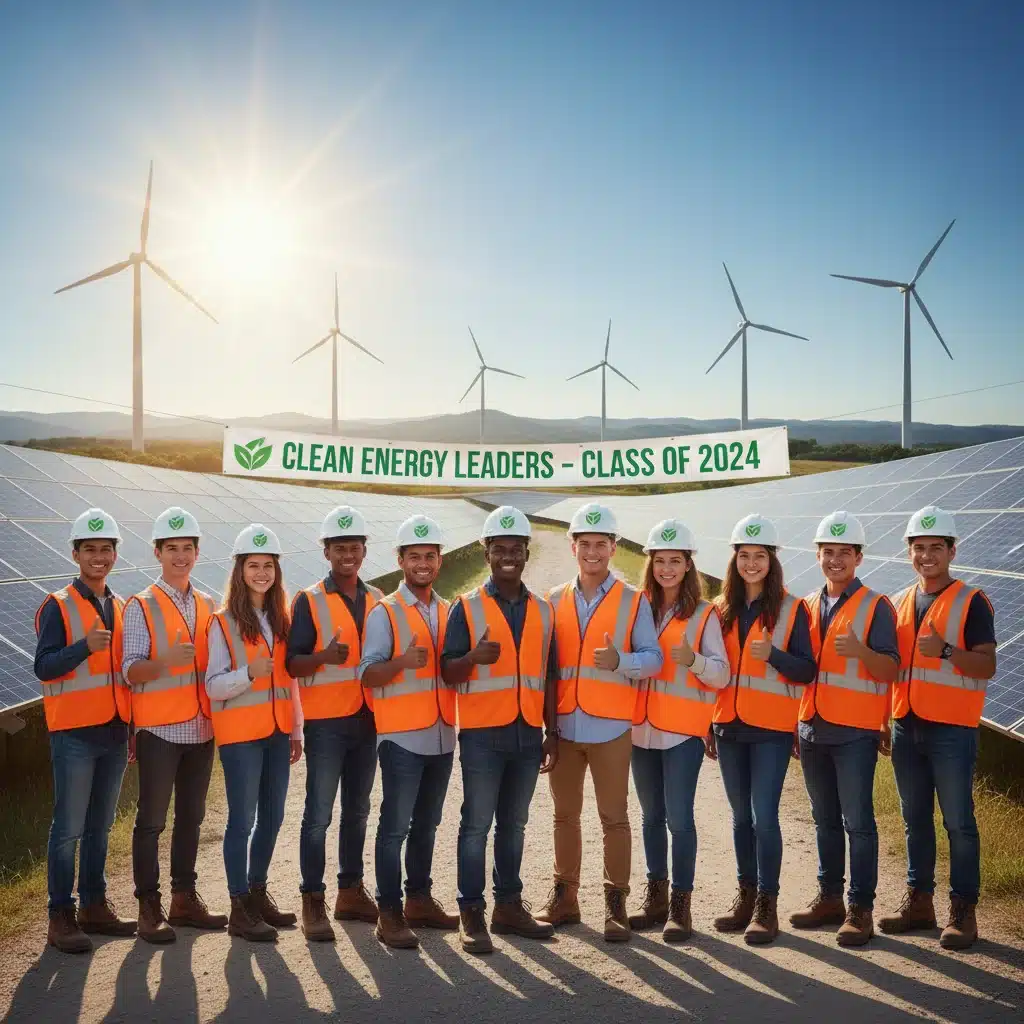
The world is undergoing a monumental shift towards sustainable practices and renewable resources, creating an unprecedented demand for skilled professionals in the clean energy sector. For high school graduates looking for a meaningful and future-proof career, the clean energy workforce offers a wealth of opportunities. The good news? You don’t necessarily need a four-year degree to get started. By 2026, countless roles will be available that are perfectly suited for individuals with vocational training, certifications, and a strong work ethic. This comprehensive guide will illuminate the practical pathways for high school graduates to enter these exciting and vital clean energy careers, providing actionable steps and insights to help you launch your journey into a sustainable future.
The Booming Demand for Clean Energy Careers
The transition to a clean energy economy is not just an environmental imperative; it’s an economic powerhouse. Governments worldwide are investing heavily in renewable energy sources like solar, wind, geothermal, and hydropower, alongside advancements in energy efficiency and grid modernization. This investment translates directly into job creation. Reports from various labor organizations and government agencies consistently project significant growth in clean energy employment over the next decade. For high school graduates, this means a robust job market awaits, offering stability, competitive wages, and the satisfaction of contributing to a healthier planet. Understanding the landscape of these emerging opportunities is the first step towards securing your place in this vital industry.
Why Choose Clean Energy Careers After High School?
There are numerous compelling reasons why high school graduates should consider clean energy careers. Beyond the intrinsic reward of working in a sector that benefits the environment, the practical advantages are substantial:
- Job Security and Growth: Unlike some traditional industries, the clean energy sector is experiencing consistent and rapid growth, making it a secure career choice with ample opportunities for advancement.
- Competitive Salaries: Many entry-level and mid-level clean energy positions offer attractive salaries, often comparable to or exceeding those in traditional trades.
- Diverse Roles: The clean energy industry is incredibly diverse, encompassing everything from installation and maintenance to manufacturing, design, and even administrative support. There’s a role for almost every skill set and interest.
- Meaningful Work: Contributing to a sustainable future and mitigating climate change provides a profound sense of purpose and job satisfaction.
- Accessible Pathways: Many clean energy roles do not require a four-year college degree, making them highly accessible to high school graduates through vocational training, apprenticeships, and certifications.
- Innovation and Technology: The clean energy sector is at the forefront of technological innovation, offering exciting opportunities to work with cutting-edge technologies and continuously learn new skills.
Key Clean Energy Sectors for High School Graduates
To effectively navigate the landscape of clean energy careers, it’s helpful to understand the major sectors where high school graduates can find employment. Each sector presents unique opportunities and demands specific skill sets:
1. Solar Energy
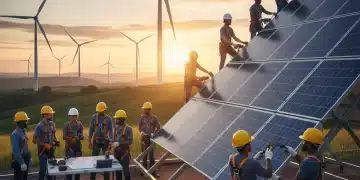
Solar energy is perhaps the most visible and rapidly expanding segment of the clean energy industry. Roles here primarily involve the installation, maintenance, and repair of solar photovoltaic (PV) systems on residential, commercial, and utility-scale projects.
- Solar Panel Installer: Installs solar panels on rooftops or ground-mounted systems, connects wiring, and ensures proper system functionality.
- Solar PV Technician: Performs diagnostics, troubleshooting, maintenance, and repairs on existing solar installations.
- Solar Sales and Design Assistant: Supports sales teams and designers by gathering site information, assisting with system layouts, and preparing proposals.
2. Wind Energy
Wind energy involves harnessing the power of wind through turbines to generate electricity. This sector often requires individuals who are comfortable working at heights and in varied outdoor conditions.
- Wind Turbine Technician: Installs, inspects, maintains, and repairs wind turbines, often involving climbing to significant heights and working with complex machinery.
- Wind Farm Operations Assistant: Supports the day-to-day operations of wind farms, including monitoring performance and assisting with logistical tasks.
3. Energy Efficiency and Building Performance
This sector focuses on reducing energy consumption in homes and buildings through insulation, efficient HVAC systems, smart technologies, and weatherization. These roles are crucial for reducing overall energy demand.
- Weatherization Installer: Installs insulation, seals air leaks, and performs other retrofits to improve a building’s energy efficiency.
- HVAC Technician (Specializing in High-Efficiency Systems): Installs and maintains energy-efficient heating, ventilation, and air conditioning systems, often involving heat pumps and smart thermostats.
- Energy Auditor Assistant: Helps conduct energy audits of buildings, identifying areas for energy savings and recommending improvements.
4. Geothermal Energy
Geothermal energy utilizes the Earth’s heat for heating, cooling, and electricity generation. This sector involves specialized drilling and plumbing skills.
- Geothermal System Installer: Installs ground loops and heat pumps for geothermal heating and cooling systems.
- Geothermal Drilling Assistant: Supports drilling operations for geothermal wells.
5. Grid Modernization and Energy Storage
As more renewable energy sources come online, modernizing the electrical grid and developing energy storage solutions (like batteries) becomes critical. This area involves electrical and technical skills.
- Battery Storage Technician: Installs, maintains, and troubleshoots battery storage systems for homes, businesses, and utility grids.
- Electrical Technician (Grid Focus): Works on upgrading and maintaining electrical infrastructure to integrate renewable energy and smart grid technologies.
Practical Educational Pathways for High School Graduates (by 2026)
Entering clean energy careers by 2026 as a high school graduate is entirely achievable through several well-defined educational and training pathways. These paths are designed to equip you with the specific skills and knowledge demanded by the industry, often in a shorter timeframe than a traditional four-year degree.
1. Vocational Schools and Technical Colleges
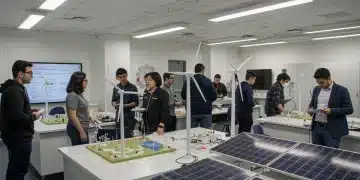
Vocational schools and technical colleges are perhaps the most direct route into clean energy jobs for high school graduates. These institutions offer specialized programs that focus on hands-on training and practical skills, often leading to diplomas or associate degrees.
- Program Focus: Look for programs in Renewable Energy Technology, HVAC-R (Heating, Ventilation, Air Conditioning, and Refrigeration) with a focus on energy efficiency, Electrical Technology, or specialized Solar PV Installation programs.
- Duration: Programs typically range from 6 months for certifications to 2 years for associate degrees.
- Benefits: Direct industry relevance, practical skills development, often includes job placement assistance.
- Example Courses: Solar PV system design and installation, wind turbine maintenance, energy auditing principles, electrical wiring, safety protocols.

2. Apprenticeships
Apprenticeships combine paid on-the-job training with classroom instruction, allowing you to earn a wage while learning a skilled trade. Many clean energy roles, particularly in electrical and mechanical fields, are well-suited for apprenticeships.
- Program Focus: Electrical apprenticeships (which can then specialize in solar or wind), HVAC apprenticeships, or specific renewable energy technician apprenticeships.
- Duration: Typically 3-5 years, depending on the trade.
- Benefits: Earn while you learn, direct mentorship from experienced professionals, guaranteed job experience, often leads to union membership with strong benefits.
- How to Find: Check with local trade unions (e.g., IBEW for electricians), industry associations, and state apprenticeship programs.
3. Industry Certifications
For some roles, attaining specific industry certifications can be a fast track to employment. These certifications validate your skills and knowledge to potential employers.
- Key Certifications:
- NABCEP (North American Board of Certified Energy Practitioners): Offers certifications for solar PV installers, technical sales, and small wind installers. Highly recognized in the solar industry.
- OSHA 10 or OSHA 30: Essential safety certifications required for most construction and field-based roles.
- EPA Section 608 Certification: Necessary for HVAC technicians who work with refrigerants.
- Specific manufacturer certifications: Some equipment manufacturers offer training and certification for their products (e.g., specific wind turbine models or battery storage systems).
- Duration: Can range from a few days for safety certifications to several weeks or months for more complex technical certifications.
- Benefits: Quick entry into the workforce, demonstrates specialized expertise, often complements vocational training or on-the-job experience.
4. Community College Associate Degrees
While vocational schools offer technical diplomas, many community colleges provide Associate of Applied Science (AAS) degrees in fields like Renewable Energy Technology, Sustainable Energy Systems, or Electrical Engineering Technology. These degrees often include a broader curriculum than vocational programs, sometimes allowing for transfer credits to a four-year university if you decide to pursue further education later.
- Program Focus: Combines technical skills with foundational academic knowledge in science, math, and communication.
- Duration: Typically two years.
- Benefits: More comprehensive education, potentially higher earning potential, pathway to further education if desired.
Essential Skills for Clean Energy Careers
Beyond formal education, certain skills are universally valued in clean energy careers:
- Technical Aptitude: A natural inclination for understanding how things work, troubleshooting, and working with tools and machinery.
- Problem-Solving Skills: The ability to diagnose issues, think critically, and implement effective solutions.
- Attention to Detail: Crucial for ensuring safety, efficiency, and proper installation of complex systems.
- Physical Stamina and Dexterity: Many roles involve manual labor, working outdoors, at heights, or in confined spaces.
- Safety Consciousness: A paramount concern in all clean energy jobs; adherence to safety protocols is non-negotiable.
- Teamwork and Communication: Collaborating effectively with colleagues, supervisors, and clients is essential.
- Adaptability: The clean energy sector is constantly evolving, requiring workers to be open to learning new technologies and methods.
- Mathematical and Scientific Fundamentals: Basic understanding of algebra, geometry, physics, and electricity is often required for technical roles.
Steps to Take Now for High School Graduates
If you’re a high school student or recent graduate aiming for a clean energy career by 2026, here are actionable steps you can take:
- Research Local Opportunities: Investigate vocational schools, community colleges, and apprenticeship programs in your area that offer clean energy-related training. Look at job boards for entry-level clean energy careers to see what qualifications are being sought.
- Focus on STEM Subjects: Excel in science, technology, engineering, and math courses. These provide a strong foundation for technical roles.
- Take Shop Classes: If your high school offers shop classes (e.g., electrical, carpentry, automotive), take advantage of them. Hands-on experience is invaluable.
- Seek Internships or Volunteer Opportunities: Even unpaid experiences can provide valuable exposure to the industry and help you build a network. Look for local solar installers, energy efficiency companies, or environmental organizations.
- Obtain Basic Certifications: Consider getting an OSHA 10-hour safety certification even before formal training begins.
- Network: Attend local clean energy job fairs, webinars, or industry events to connect with professionals and learn about available roles.
- Develop Soft Skills: Practice communication, teamwork, and problem-solving. These are critical for success in any career.
- Consider a Gap Year for Training: If you’re a recent graduate, a gap year dedicated to intensive vocational training or an apprenticeship can jumpstart your career.
Funding Your Clean Energy Education
Concerns about tuition costs should not deter you from pursuing clean energy careers. There are numerous financial aid options available for vocational training and community college programs:
- Federal and State Grants: Complete the Free Application for Federal Student Aid (FAFSA) to determine eligibility for Pell Grants and other federal assistance. Many states also offer specific grants for students pursuing high-demand trades.
- Scholarships: Look for scholarships specifically for students entering vocational trades, STEM fields, or renewable energy programs. Industry associations, local businesses, and non-profits often offer these.
- Apprenticeship Programs: As mentioned, apprenticeships are paid training programs, meaning you earn a salary while gaining skills and experience, effectively eliminating tuition costs.
- Employer-Sponsored Training: Some clean energy companies offer to pay for certifications or further training for their employees, especially for in-demand skills.
- Community College Tuition Waivers: Many community colleges have programs or partnerships that can reduce or waive tuition for eligible students.
The Future of Clean Energy Careers Beyond 2026
The clean energy sector is not a fleeting trend; it’s the future. As technology advances and global commitments to climate action solidify, the demand for skilled workers will only intensify. Beyond 2026, we can expect to see even more specialized roles emerge, greater integration of artificial intelligence and automation in energy systems, and continued innovation in energy storage and grid management. High school graduates entering clean energy careers now will be at the forefront of these developments, with opportunities for continuous learning, career progression, and leadership roles in a truly transformative industry.
Embracing a career in clean energy means choosing a path that is both personally rewarding and globally impactful. It’s a field where your hands-on skills can make a tangible difference in creating a more sustainable and resilient future for everyone. The pathways are clear, the demand is high, and the time to act is now. For high school graduates, the journey into a fulfilling clean energy career by 2026 is not just a possibility, but a practical and exciting reality waiting to be seized.
Conclusion: Your Green Future Starts Now
The clean energy revolution is here, and it’s creating incredible opportunities for high school graduates. By understanding the diverse sectors, pursuing practical educational pathways like vocational training and apprenticeships, and developing essential skills, you can confidently step into a rewarding clean energy career by 2026. The journey may involve hands-on learning, technical challenges, and a commitment to continuous growth, but the rewards—job security, competitive pay, and the profound satisfaction of contributing to a sustainable world—are well worth the effort. Start exploring your options today, and become a vital part of building our green future.