Upskilling for Offshore Wind Energy: 2026 Training Modules
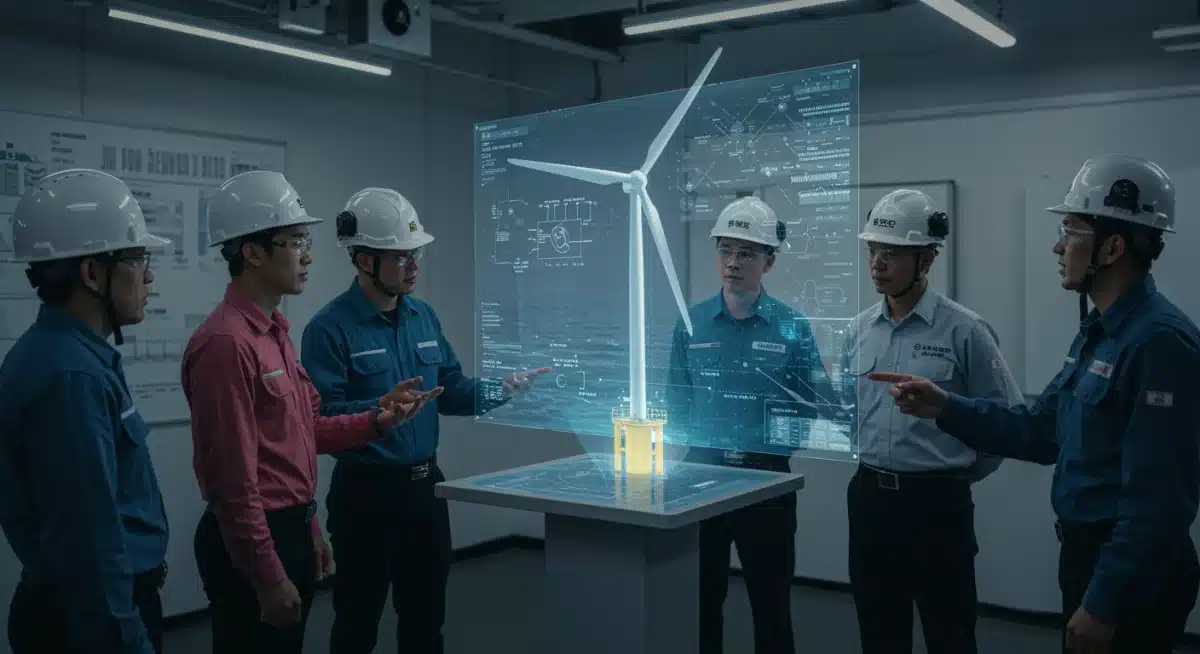
The rapid expansion of the offshore wind energy sector in the United States necessitates robust upskilling for offshore wind energy, with 2026 training modules designed to equip the workforce with specialized technical and safety competencies.
The United States is witnessing an unprecedented surge in the offshore wind energy sector, creating a significant demand for a highly skilled workforce. To meet this growing need, specialized training and upskilling programs are becoming crucial. This article delves into the essential upskilling for offshore wind energy, focusing on the innovative 2026 training modules designed to prepare professionals for this dynamic and expanding industry.
The Offshore Wind Energy Boom in the US
The offshore wind energy sector in the United States is experiencing remarkable growth, driven by ambitious federal and state targets for renewable energy generation. This expansion is not just about installing turbines; it’s about building an entirely new industrial ecosystem, from manufacturing and logistics to installation, operation, and maintenance.
This rapid development translates into a substantial increase in job opportunities across various disciplines. However, many of these roles require specialized skills that are not readily available in the traditional labor market. The need for a trained workforce is paramount to ensure the safe, efficient, and sustainable development of this critical renewable energy source.
Driving Forces Behind Growth
Several factors are propelling the growth of offshore wind in the US:
- Government Initiatives: Federal and state policies, including tax incentives and renewable portfolio standards, are creating a stable investment environment.
- Technological Advancements: Larger, more efficient turbines and innovative installation techniques are making offshore wind more economically viable.
- Energy Independence: The push for domestic energy sources and reduced reliance on fossil fuels is accelerating adoption.
The sheer scale of projects planned for the coming years underscores the urgency for robust training infrastructure. States like New York, New Jersey, and Massachusetts are at the forefront, investing heavily in port infrastructure and supply chain development, all of which will require a skilled workforce.
The continued growth of the offshore wind industry in the US depends heavily on the availability of a competent workforce. Without adequate training and upskilling initiatives, the ambitious targets set for renewable energy generation may face significant hurdles. Therefore, understanding the industry’s evolving needs is the first step toward developing effective training solutions.
Identifying Critical Skill Gaps for 2026
As the offshore wind industry matures, the nature of required skills evolves. By 2026, specific technical and operational competencies will be in high demand, necessitating targeted upskilling initiatives. Identifying these gaps early is crucial for designing effective training programs that meet industry needs.
The current workforce, even those with experience in related fields such as traditional oil and gas or onshore wind, often lacks the specialized knowledge and certifications required for offshore operations. This includes skills related to working in harsh marine environments, handling advanced composite materials, and managing complex electrical systems unique to offshore wind farms.
Key Areas of Deficiency
- Advanced Turbine Technology: Expertise in next-generation turbine mechanics, diagnostics, and repair.
- Marine Operations & Logistics: Specialized knowledge in vessel operations, heavy lift procedures, and subsea cable installation.
- High-Voltage Electrical Systems: Proficiency in managing and maintaining high-voltage infrastructure both on and offshore.
- Digitalization & Data Analytics: Skills in utilizing sensor data, predictive maintenance, and remote monitoring systems.
Beyond technical skills, there’s a growing need for project management professionals who understand the complexities of large-scale offshore infrastructure projects, as well as environmental specialists trained in marine ecology and permitting processes specific to offshore developments. Safety standards are also incredibly stringent, requiring continuous training and certification updates.
Bridging these skill gaps is essential to ensure that the US can successfully deploy and operate its planned offshore wind capacity. Effective training programs must be agile and responsive, adapting to new technologies and operational challenges as they emerge.
Core Training Modules for 2026
The 2026 training modules for offshore wind energy are designed to be comprehensive, covering a broad spectrum of skills from foundational safety to advanced technical operations. These modules are often developed in collaboration with industry leaders, educational institutions, and international certification bodies to ensure relevance and quality.
These core modules typically combine theoretical knowledge with extensive practical training, often utilizing state-of-the-art simulators and hands-on workshops. The goal is to provide participants with not only the knowledge but also the practical experience necessary to perform their roles effectively and safely in a challenging offshore environment.
Foundational Safety and Survival
Safety is paramount in the offshore environment. These modules are mandatory for anyone working offshore.
- GWO Basic Safety Training (BST): Covers first aid, manual handling, fire awareness, working at heights, and sea survival. This is an international standard.
- Confined Space Entry: Training for safe entry and rescue in confined spaces common on turbines and substations.
- Marine Transfer & Vessel Operations: Protocols for safe transfer between vessels and turbines, and understanding vessel movements.
Beyond safety, technical modules focus on specific roles. For turbine technicians, this includes training on specific turbine models, hydraulic systems, electrical fault finding, and composite repair. For marine coordinators, modules cover vessel traffic management, emergency response planning, and communication protocols.
The modular approach allows individuals to tailor their training pathways based on their specific career goals and the demands of their employers. This flexibility is key to attracting and retaining a diverse workforce in the rapidly evolving industry.
Specialized Certifications and Advanced Training
Beyond the core modules, specialized certifications and advanced training are becoming increasingly important for career progression and for addressing the more complex challenges of offshore wind operations. These programs often delve deeper into specific technical areas, offering a higher level of expertise.
These advanced certifications are often sought by experienced professionals looking to specialize further or take on leadership roles. They signify a higher degree of competence and commitment to the industry, making individuals more valuable assets to offshore wind developers and service providers.
Examples of Advanced Certifications
- GWO Advanced Rescue Training (ART): Focuses on complex rescue scenarios from turbines.
- High-Voltage Operations & Safety: Specific training for working with and isolating high-voltage systems.
- Subsea Cable Installation & Maintenance: Specialized skills for the installation, repair, and inspection of underwater power cables.
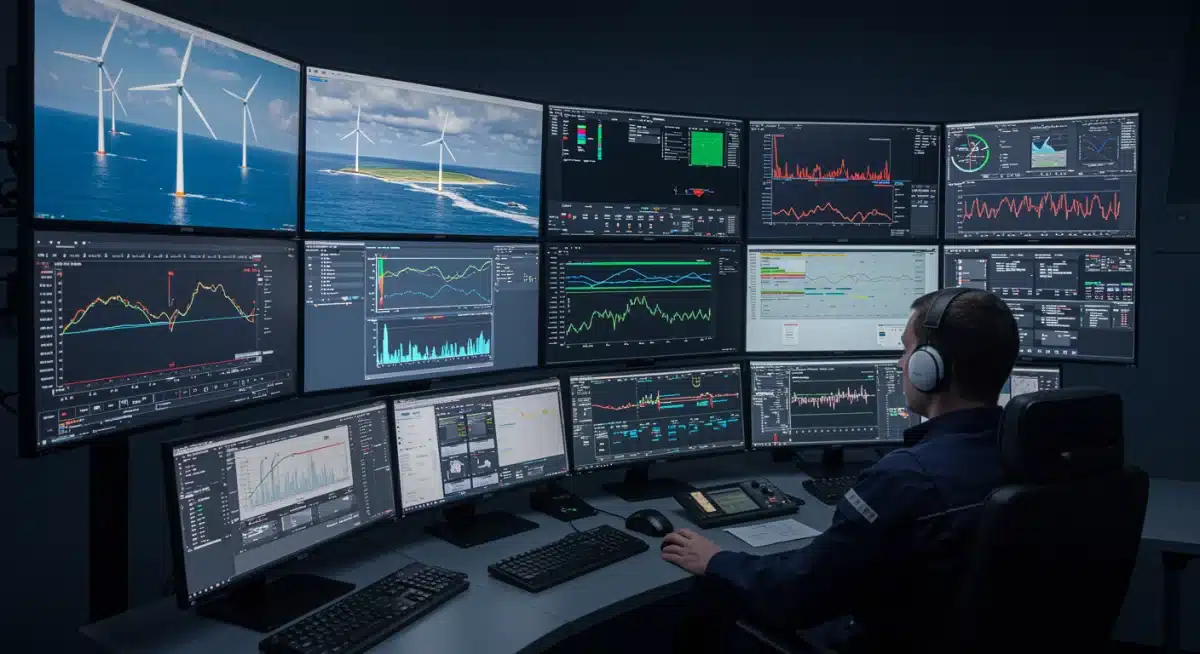
Furthermore, with the increasing integration of digital technologies, advanced training in data analytics, cybersecurity for industrial control systems, and remote monitoring platforms is gaining prominence. These skills are crucial for optimizing turbine performance, predicting maintenance needs, and ensuring the overall security of offshore wind assets.
These specialized training programs often involve partnerships with equipment manufacturers and technology providers, ensuring that the curriculum is up-to-date with the latest industry standards and innovations. Obtaining these certifications not only enhances an individual’s skill set but also significantly improves their employability in a competitive market.
Funding and Accessibility of Training Programs
Access to quality training programs is critical for building a robust workforce, but the cost and availability can be significant barriers. In 2026, various funding mechanisms and initiatives are in place to make offshore wind training more accessible to a wider range of individuals, particularly in the United States.
Understanding these financial aid options and program locations is essential for aspiring professionals. Many states with significant offshore wind development plans are actively investing in workforce development, recognizing that a skilled labor force is fundamental to the success of their renewable energy goals.
Key Funding Sources
- Government Grants: Federal and state grants often support workforce development programs, making training more affordable or even free for eligible participants.
- Industry Partnerships: Offshore wind developers and turbine manufacturers frequently partner with educational institutions to offer sponsored training or apprenticeships.
- Community College Programs: Many community colleges are establishing specialized offshore wind technician programs, often with lower tuition costs than traditional universities.
- Veteran Programs: Specific initiatives exist to transition military veterans into the offshore wind sector, leveraging their existing skills and providing additional training.
Accessibility also involves geographical considerations. Training centers are being strategically located near coastal regions where offshore wind projects are concentrated, reducing travel burdens for trainees. Online and blended learning formats are also expanding, offering flexibility for those balancing training with existing commitments.
These combined efforts aim to democratize access to offshore wind training, ensuring that individuals from diverse backgrounds can acquire the necessary skills to participate in this growing industry. This focus on accessibility is vital for building an inclusive and representative workforce.
Career Pathways and Future Outlook
The offshore wind industry offers a diverse array of career pathways, from entry-level technician roles to specialized engineering and management positions. Understanding these trajectories and the future outlook of the industry is key for individuals considering a career in this dynamic sector.
The long-term nature of offshore wind projects, which typically have operational lifespans of 25-30 years, ensures stable, long-term employment opportunities. As more projects come online, the demand for skilled professionals across all phases of a project lifecycle—development, construction, operations, and maintenance—will continue to grow.
Diverse Career Opportunities
- Wind Turbine Technicians: Installation, maintenance, and repair of turbines.
- Marine Coordinators: Managing vessel movements and logistics for offshore operations.
- Electrical Engineers: Designing and maintaining electrical systems, including substations and grid connections.
- Environmental Specialists: Monitoring and mitigating environmental impacts of projects.
- Project Managers: Overseeing the planning, execution, and completion of offshore wind farm developments.
The industry is also fostering innovation, creating new roles in areas such as robotics for inspection and maintenance, artificial intelligence for predictive analytics, and advanced materials science. This continuous evolution means that professionals will have opportunities for ongoing learning and specialization throughout their careers.
The future outlook for offshore wind energy in the US remains exceptionally positive, with sustained growth projected for decades to come. This robust growth translates into a secure and rewarding career path for those who invest in the necessary upskilling and training.
| Key Aspect | Description |
|---|---|
| Industry Growth | US offshore wind sector is rapidly expanding, driven by policy and technology, creating high demand for skilled labor. |
| Skill Gaps | Need for specialized technical, safety, and operational skills unique to offshore environments. |
| Core Training | Mandatory safety (GWO BST) and foundational technical modules are essential. |
| Accessibility | Government grants, industry partnerships, and community colleges enhance training accessibility. |
Frequently Asked Questions About Offshore Wind Upskilling
The primary driver is the rapid expansion of the offshore wind energy sector in the US, fueled by ambitious renewable energy targets and significant investments. This growth creates a high demand for specialized skills not readily available in the traditional workforce, necessitating targeted upskilling programs to build a competent labor force.
The Global Wind Organisation (GWO) Basic Safety Training (BST) is an essential international standard. It includes modules such as First Aid, Manual Handling, Fire Awareness, Working at Heights, and Sea Survival. These certifications are mandatory for anyone seeking to work in the offshore wind environment to ensure personal and operational safety.
Several options exist for funding training. These include government grants and state-funded initiatives, industry partnerships offering sponsored training or apprenticeships, and specialized programs at community colleges which often have lower tuition costs. Veterans’ programs also provide support for military personnel transitioning into the sector.
Upskilling opens doors to diverse roles such as wind turbine technicians, marine coordinators, electrical engineers, environmental specialists, and project managers. The industry’s long-term growth ensures stable employment and opportunities for specialization in areas like robotics, data analytics, and advanced materials.
Continuous training is vital due to the rapid technological advancements and evolving safety standards within the industry. New turbine designs, installation methods, and digital technologies require professionals to constantly update their skills and certifications to maintain competence, safety, and efficiency in offshore operations.
Conclusion
The journey towards a sustainable energy future in the United States is inextricably linked to the success of the offshore wind industry. The emphasis on upskilling for offshore wind energy through well-structured and accessible 2026 training modules is not just an industry requirement but a national imperative. By investing in comprehensive education and specialized certifications, we are not only addressing critical skill gaps but also fostering a resilient, competent, and innovative workforce ready to harness the immense power of offshore winds. This commitment to professional development ensures that the US remains at the forefront of renewable energy, creating high-value jobs and securing a cleaner, more energy-independent future for generations to come.