Top U.S. Clean Energy Engineering Programs & 2026 Impact

U.S. University Programs in Clean Energy Engineering: A 2026 Overview of the Top 10 Degrees and Their Industry Impact Over the Next 5 Years
The global shift towards sustainability and environmental consciousness has placed clean energy engineering at the forefront of innovation and economic growth. As the United States continues to invest heavily in renewable energy sources, energy efficiency, and sustainable technologies, the demand for highly skilled professionals in this field is skyrocketing. Universities across the nation are responding by developing cutting-edge programs designed to equip the next generation of engineers with the knowledge and tools necessary to tackle the complex challenges of a carbon-neutral future. This article provides an in-depth look at the top U.S. university programs in clean energy engineering for 2026, exploring the leading degrees and their anticipated impact on the industry over the next five years.
The Rise of Clean Energy Engineering: A Pivotal Field for the Future
Clean energy engineering is more than just a buzzword; it’s a critical discipline encompassing the design, development, and implementation of technologies that produce energy with minimal environmental impact. This broad field includes renewable energy sources like solar, wind, hydro, and geothermal, as well as advancements in energy storage, grid modernization, sustainable transportation, and energy efficiency. The urgency of climate change, coupled with technological breakthroughs, has accelerated the growth of this sector, making it an incredibly attractive career path for aspiring engineers.
The U.S. government, through initiatives like the Bipartisan Infrastructure Law and various climate targets, has committed significant resources to bolstering the clean energy sector. This commitment translates into a robust job market and ample research opportunities for graduates of leading clean energy engineering programs. Over the next five years, we can expect to see an even greater integration of clean energy solutions into our daily lives, from residential solar panels to large-scale offshore wind farms and advanced battery technologies. The engineers graduating from these programs will be the architects of this transformation.
Key Disciplines within Clean Energy Engineering
The field of clean energy engineering is interdisciplinary, drawing from various traditional engineering disciplines. Understanding these core areas helps in appreciating the breadth and depth of the programs offered:
- Renewable Energy Systems: Focuses on the design, analysis, and optimization of solar photovoltaic, concentrated solar power, wind turbine, hydropower, and geothermal energy systems.
- Energy Storage Technologies: Deals with batteries (lithium-ion, solid-state), fuel cells, pumped-hydro storage, and other methods for storing energy efficiently.
- Smart Grids and Energy Management: Involves developing intelligent electrical grids that can efficiently integrate renewable energy sources, manage demand, and enhance reliability.
- Sustainable Materials: Explores the development and application of environmentally friendly materials for energy production, storage, and consumption.
- Environmental Engineering: Addresses the environmental impact of energy systems, pollution control, and remediation.
- Energy Policy and Economics: Integrates understanding of regulatory frameworks, market dynamics, and economic incentives driving the clean energy transition.
Top 10 U.S. University Programs in Clean Energy Engineering for 2026
Identifying the ‘top’ programs can be subjective, as it depends on individual career goals, research interests, and preferred learning environments. However, based on faculty expertise, research output, industry partnerships, curriculum breadth, and graduate success, the following universities consistently stand out in the field of clean energy engineering:
1. Massachusetts Institute of Technology (MIT) – Cambridge, MA
Programs: MIT offers various avenues for specialization in clean energy, often through departments like Mechanical Engineering, Electrical Engineering and Computer Science, and Materials Science and Engineering. Their Energy Initiative (MITEI) acts as a hub for interdisciplinary research and education, offering graduate degrees with concentrations in sustainable energy systems, energy storage, and advanced energy technologies.
Impact: MIT’s rigorous research environment and strong ties to industry and government position its graduates as leaders in developing foundational clean energy technologies and influencing policy. Their impact over the next five years will be seen in groundbreaking discoveries in battery technology, fusion energy, and grid optimization.
2. Stanford University – Stanford, CA
Programs: Stanford’s Precourt Institute for Energy and the Doerr School of Sustainability are central to its clean energy offerings. Students can pursue degrees such as MS in Energy Resources Engineering or various PhD programs with a focus on renewable energy, carbon capture, and sustainable materials. The university emphasizes innovation and entrepreneurship in the clean energy space.
Impact: Stanford graduates are highly sought after in Silicon Valley’s burgeoning clean tech sector. Their contributions will likely drive advancements in solar cell efficiency, energy storage solutions, and the commercialization of new clean energy startups, significantly accelerating market adoption of these technologies.
3. University of California, Berkeley – Berkeley, CA
Programs: UC Berkeley offers robust programs through its College of Engineering, with particular strengths in renewable and appropriate energy technology, environmental engineering, and materials science. The Berkeley Energy and Climate Institute (BECI) fosters collaborative research across disciplines.
Impact: Berkeley’s strong emphasis on interdisciplinary research and public policy engagement means its graduates will play crucial roles in both technological innovation and the shaping of effective clean energy policies, particularly in states with aggressive renewable energy targets like California. Expect significant contributions to smart grid development and energy efficiency.
4. Georgia Institute of Technology (Georgia Tech) – Atlanta, GA
Programs: Georgia Tech’s Strategic Energy Institute (SEI) coordinates research and education across multiple colleges. Programs in Mechanical Engineering, Electrical and Computer Engineering, and Chemical and Biomolecular Engineering offer specializations in sustainable energy, power systems, and advanced energy materials.
Impact: Georgia Tech’s strong engineering foundation means its graduates are well-prepared for roles in large-scale energy infrastructure projects, power generation, and grid modernization. Their impact will be felt in the development of resilient and efficient energy systems across the U.S. Southeast and beyond.
5. University of Texas at Austin – Austin, TX
Programs: The Cockrell School of Engineering at UT Austin offers various pathways to specialize in clean energy, including master’s and doctoral programs in Mechanical Engineering, Electrical and Computer Engineering, and Chemical Engineering with concentrations in energy systems, renewable energy, and sustainable design. The Energy Institute drives much of the university’s research.
Impact: Given Texas’s significant role in both traditional and renewable energy, UT Austin graduates are uniquely positioned to influence the transition. Their contributions will be vital in integrating large-scale renewable energy into existing grids, developing carbon capture technologies, and optimizing energy production from diverse sources.
6. Carnegie Mellon University (CMU) – Pittsburgh, PA
Programs: CMU’s College of Engineering offers a Master of Science in Energy Science, Technology and Policy (ESTP), an interdisciplinary program that combines technical engineering with policy and economics. Other departments, like Electrical and Computer Engineering, also offer relevant concentrations.
Impact: CMU’s strength in interdisciplinary studies means its graduates are adept at navigating the complex intersection of technology, policy, and economics in the clean energy sector. They will be instrumental in developing smart energy solutions, sustainable urban planning, and effective energy policy frameworks.
7. National Renewable Energy Laboratory (NREL) Affiliated Programs
While NREL is a research lab, several universities have strong collaborations and joint programs that offer unparalleled research opportunities. The Colorado School of Mines, for instance, has close ties to NREL, offering degrees in renewable energy and materials science that benefit from this proximity.
Impact: Graduates from NREL-affiliated programs gain direct exposure to cutting-edge research and development. Their impact will be profound in accelerating the commercialization of new renewable energy technologies and improving the efficiency and cost-effectiveness of existing ones, particularly in solar, wind, and biofuels.
8. University of Michigan – Ann Arbor, MI
Programs: The College of Engineering at the University of Michigan offers a strong focus on sustainable systems and energy. Programs in Mechanical Engineering, Chemical Engineering, and Civil and Environmental Engineering provide specializations in renewable energy, energy conversion, and sustainable manufacturing.
Impact: Michigan’s strong ties to the automotive industry position its graduates to lead the charge in electric vehicle (EV) technology, battery development, and sustainable transportation systems. Their work will be crucial in decarbonizing the transportation sector and developing robust charging infrastructure.
9. Princeton University – Princeton, NJ
Programs: Princeton’s Andlinger Center for Energy and the Environment serves as a hub for interdisciplinary research and education. While not offering a standalone clean energy engineering degree, students in departments like Mechanical and Aerospace Engineering or Chemical and Biological Engineering can specialize in areas such as sustainable energy conversion, energy efficiency, and environmental science.
Impact: Princeton’s research-intensive environment produces graduates who contribute significantly to fundamental scientific breakthroughs in clean energy. Their impact will be in advancing the theoretical and experimental foundations for next-generation solar cells, sustainable fuels, and climate modeling.
10. Cornell University – Ithaca, NY
Programs: Cornell’s College of Engineering offers a strong emphasis on sustainable energy systems and environmental engineering. Departments like Biological and Environmental Engineering, Mechanical Engineering, and Materials Science and Engineering provide research opportunities and specializations in renewable energy, bioenergy, and sustainable infrastructure.
Impact: Cornell’s programs, particularly in bioenergy and sustainable agriculture, will yield graduates who are crucial in developing sustainable solutions for rural communities and integrating renewable energy into agricultural practices. Their work will also advance sustainable building design and smart urban energy systems.
Anticipated Industry Impact Over the Next 5 Years (2026-2031)
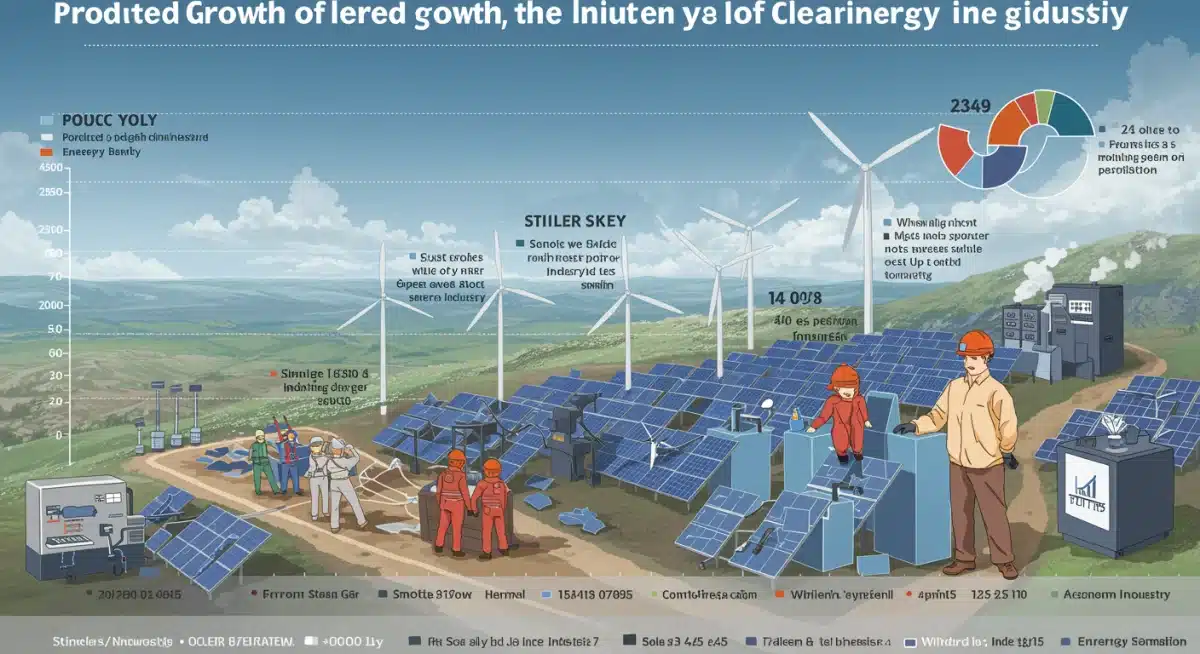
The graduates from these leading clean energy engineering programs will be pivotal in shaping the future of the energy sector. Here’s a breakdown of their anticipated impact across various facets of the industry:
Accelerated Renewable Energy Deployment
Engineers will design and implement more efficient and cost-effective solar, wind, and geothermal projects. This includes optimizing turbine designs, improving solar panel materials, and developing advanced geothermal drilling techniques. The goal is to make renewable energy the most economical and reliable option, leading to a significant increase in its share of the energy mix.
Breakthroughs in Energy Storage
The development of next-generation batteries and other energy storage solutions is critical for grid stability and the widespread adoption of intermittent renewables. Graduates will be at the forefront of inventing lighter, more powerful, and cheaper batteries for electric vehicles and grid-scale storage, potentially revolutionizing how energy is distributed and consumed.
Smarter and More Resilient Grids
The integration of diverse renewable sources requires a modernized, intelligent grid. Engineers will work on developing smart grid technologies, including advanced sensors, artificial intelligence for demand forecasting, and cybersecurity measures, to ensure a reliable and efficient energy supply. This will involve significant upgrades to existing infrastructure and the creation of entirely new systems.
Enhanced Energy Efficiency and Conservation
Beyond generating clean energy, reducing overall energy consumption is equally important. Graduates will innovate in building efficiency, industrial process optimization, and smart home technologies, leading to significant reductions in energy waste. This includes designing energy-efficient materials and systems for new constructions and retrofitting existing ones.
Sustainable Transportation Solutions
The clean energy transition is incomplete without decarbonizing transportation. Engineers will drive advancements in electric vehicle technology, hydrogen fuel cells, and sustainable aviation fuels. This includes improving battery range, developing faster charging infrastructure, and designing more efficient electric powertrains.
Advanced Carbon Capture and Utilization
For sectors where complete decarbonization is challenging, carbon capture, utilization, and storage (CCUS) technologies will be crucial. Clean energy engineering graduates will research and implement innovative methods to capture carbon emissions from industrial processes and power plants, and explore ways to convert captured carbon into useful products or safely store it underground.
Policy Influence and Economic Development
Many programs integrate policy and economics, enabling graduates to contribute to the regulatory frameworks and market mechanisms that support clean energy. They will play a vital role in developing incentives, standards, and international agreements that accelerate the transition to a sustainable energy economy, driving job creation and economic growth in the green sector.
Navigating Your Path in Clean Energy Engineering
For prospective students interested in a career in clean energy engineering, selecting the right program is a crucial first step. Consider the following factors:
- Specialization: Do you want to focus on solar, wind, batteries, grid systems, or policy? Look for programs with strong faculty and research in your area of interest.
- Research Opportunities: Hands-on research experience is invaluable. Investigate the availability of labs, research centers, and opportunities to work with faculty on projects.
- Industry Connections: Programs with strong ties to industry offer internships, co-op opportunities, and networking events that can lead to job placements after graduation.
- Interdisciplinary Approach: Given the complex nature of clean energy, programs that integrate engineering with policy, economics, and environmental science can provide a more holistic education.
- Location: Consider the regional clean energy landscape. Universities in states with robust renewable energy industries (e.g., California, Texas, Massachusetts) often have more local opportunities.
The demand for clean energy engineering professionals is not a fleeting trend but a fundamental shift in our global energy paradigm. As these leading U.S. universities continue to innovate their curricula and research, they are not only preparing students for high-impact careers but also actively contributing to the solutions needed for a sustainable future. The next five years will undoubtedly witness significant advancements spearheaded by the graduates of these exceptional programs, solidifying the U.S. as a leader in clean energy innovation and implementation.
The Broader Economic and Societal Impact
Beyond the technical advancements, the growth of clean energy engineering has profound economic and societal implications. The investment in renewable energy infrastructure creates millions of jobs, stimulates local economies, and fosters technological innovation that can spill over into other sectors. These jobs range from research and development to manufacturing, installation, operations, and maintenance, providing diverse career paths for graduates.
Furthermore, the transition to clean energy improves public health by reducing air and water pollution associated with fossil fuels. It enhances national energy security by decreasing reliance on volatile global energy markets and provides access to reliable and affordable energy for communities, including those in remote areas. The engineers emerging from these top programs will not only be solving complex technical problems but also contributing to a healthier planet and more prosperous societies.
The societal impact extends to addressing energy poverty and promoting energy justice. Many clean energy projects are designed with community benefits in mind, ensuring that the transition is equitable and inclusive. Graduates will be involved in projects that bring clean, affordable energy to underserved populations, fostering economic development and improving quality of life.
Challenges and Future Directions in Clean Energy Engineering
While the outlook for clean energy engineering is overwhelmingly positive, the field is not without its challenges. Intermittency of renewable sources, grid infrastructure limitations, and the need for significant capital investment are ongoing hurdles. However, these challenges also represent opportunities for innovation and problem-solving, areas where highly trained engineers will excel.
Future directions in the field include even greater emphasis on artificial intelligence and machine learning for optimizing energy systems, advanced materials science for higher efficiency and durability, and novel approaches to carbon capture and removal. The development of small modular nuclear reactors (SMRs) and advanced geothermal technologies also presents exciting new frontiers. Graduates will be at the cutting edge of these developments, pushing the boundaries of what is possible.
Another critical area is the circular economy within clean energy. This involves designing renewable energy components for recyclability and reuse, minimizing waste, and ensuring the sustainable sourcing of critical minerals. Engineers will be instrumental in creating closed-loop systems that reduce the environmental footprint of clean energy technologies throughout their lifecycle.
Conclusion: A Bright Future for Clean Energy Engineering
The landscape of energy is rapidly transforming, with clean energy engineering leading the charge towards a sustainable and resilient future. The U.S. university programs highlighted here are not just academic institutions; they are incubators of innovation, fostering the talent that will drive this critical transition. Over the next five years, the graduates from these programs will be the architects of a new energy paradigm, making tangible impacts on everything from how we power our homes to how we transport ourselves and sustain our planet.
For individuals passionate about making a difference, a career in clean energy engineering offers immense potential for growth, innovation, and global impact. As the world continues to grapple with climate change and the need for sustainable solutions, the expertise and dedication of these engineers will be more valuable than ever. The investment in these programs today is an investment in a cleaner, more prosperous tomorrow.