Mastering Clean Energy Certifications: Your 2026 Guide to In-Demand Skills and Career Growth
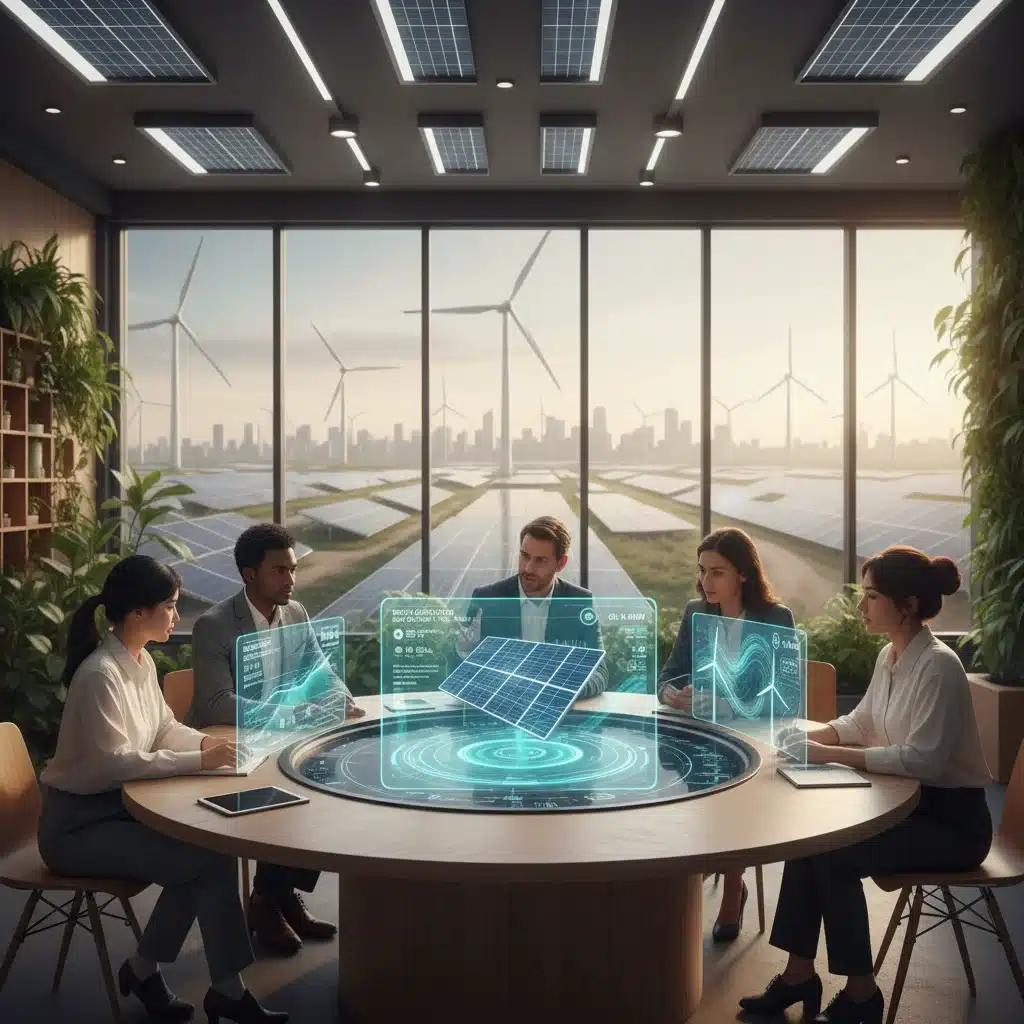
The global energy landscape is undergoing a monumental transformation, shifting rapidly from fossil fuels to sustainable, renewable sources. This paradigm shift isn’t just an environmental imperative; it’s an economic revolution, creating a burgeoning demand for skilled professionals. As we stride into 2026, the importance of specialized knowledge in this sector cannot be overstated. For those looking to future-proof their careers and contribute meaningfully to a greener planet, obtaining relevant clean energy certifications is no longer an option but a necessity. This comprehensive guide will illuminate the most impactful certifications, essential skills, and strategic pathways to career growth in the dynamic clean energy industry.
The clean energy sector is experiencing unprecedented growth, fueled by global climate goals, technological advancements, and increasing investment. From solar and wind power to energy storage, smart grids, and energy efficiency, the opportunities are vast and varied. However, simply having a general interest isn’t enough. Employers are actively seeking individuals with verified expertise, and that’s where clean energy certifications come into play. These credentials serve as a testament to your specialized knowledge, practical skills, and commitment to the industry, significantly enhancing your employability and career trajectory.
As we delve deeper, remember that the landscape of clean energy is constantly evolving. What was cutting-edge last year might be standard practice today. Therefore, continuous learning and strategic certification are paramount. This guide is designed to provide you with insider knowledge, helping you navigate the complex world of clean energy qualifications and make informed decisions about your professional development.
Let’s embark on this journey to master the skills and secure the certifications that will define the clean energy workforce of 2026 and beyond.
Why Are Clean Energy Certifications Crucial in 2026?
The demand for expertise in clean energy is skyrocketing. Governments worldwide are committing to aggressive decarbonization targets, driving massive investments in renewable energy infrastructure. This surge creates a ripple effect across various industries, from manufacturing and construction to engineering, finance, and policy. But why are clean energy certifications so critical right now?
Bridging the Skills Gap
Despite the rapid growth, there’s a recognized skills gap in the clean energy sector. Many traditional educational programs haven’t kept pace with the specialized knowledge required for emerging technologies like advanced battery storage, offshore wind maintenance, or smart grid cybersecurity. Certifications offer focused, up-to-date training that directly addresses these industry needs, equipping professionals with the practical skills employers are actively seeking.
Validation of Expertise
In a competitive job market, certifications act as a powerful differentiator. They provide objective validation of your skills and knowledge from recognized industry bodies. This not only boosts your credibility but also instills confidence in potential employers that you possess the necessary competencies to excel in specific clean energy roles.
Career Advancement and Higher Earning Potential
Professionals holding specialized clean energy certifications often command higher salaries and have greater opportunities for career advancement. These credentials demonstrate a proactive approach to professional development and a deep understanding of complex clean energy systems, making you a more valuable asset to any organization. They can open doors to leadership roles, specialized projects, and greater responsibilities.
Staying Ahead of Technological Advancements
The clean energy industry is characterized by rapid technological innovation. New materials, processes, and digital tools are constantly emerging. Many certification programs are designed to be dynamic, regularly updating their curricula to reflect the latest advancements. By pursuing these certifications, you ensure your knowledge remains current and relevant, keeping you at the forefront of the industry.
Contributing to a Sustainable Future
Beyond personal career benefits, obtaining clean energy certifications allows you to be a direct contributor to global sustainability efforts. Whether you’re designing efficient buildings, managing renewable energy projects, or optimizing energy consumption, your certified skills play a vital role in mitigating climate change and building a more resilient planet.
Key Areas of Demand: Where to Focus Your Clean Energy Certifications
The clean energy sector is broad, encompassing numerous sub-fields. To maximize the impact of your certification efforts, it’s crucial to understand which areas are experiencing the highest demand and growth. Here are the pivotal segments where clean energy certifications will be most valuable in 2026:
1. Renewable Energy Generation (Solar, Wind, Geothermal, Hydro)
This is the bedrock of clean energy. As deployment scales, so does the need for experts in design, installation, maintenance, and project management for various renewable technologies.
- Solar Photovoltaic (PV): Continues to be a dominant force. Certifications in solar PV design, installation, and sales are highly sought after.
- Wind Energy: Especially offshore wind, requires specialized skills for turbine technicians, operations and maintenance (O&M), and project development.
- Geothermal and Hydroelectric: Though niche, these areas require highly specialized engineering and operational expertise.
2. Energy Efficiency and Building Performance
Reducing energy consumption is as crucial as generating clean energy. This field focuses on optimizing energy use in residential, commercial, and industrial settings.
- Building Energy Auditing: Professionals who can identify energy waste and recommend improvements are invaluable.
- Green Building Design and Construction: Certifications related to sustainable building practices, materials, and certifications like LEED (Leadership in Energy and Environmental Design) are consistently in demand.
- Energy Management: For optimizing energy use within organizations and facilities.
3. Energy Storage and Grid Modernization
The intermittency of some renewable sources makes energy storage and a robust, smart grid essential. This is a rapidly evolving and high-growth area.
- Battery Storage Systems: Design, installation, and management of various battery technologies.
- Smart Grid Technologies: Expertise in grid integration, microgrids, demand response, and digital controls.
- Grid Modernization: Understanding how to transition existing infrastructure to support a high penetration of renewables.
4. Sustainable Transportation and Electric Vehicles (EVs)
The electrification of transport is a major component of decarbonization. This includes not only EVs but also charging infrastructure and related grid impacts.
- EV Charging Infrastructure: Design, installation, and maintenance of charging stations.
- EV Technology and Maintenance: Specialized skills for servicing electric vehicles.
5. Policy, Finance, and Project Development
Beyond the technical aspects, there’s a strong need for professionals who can navigate the regulatory, financial, and developmental complexities of clean energy projects.
- Renewable Energy Project Management: Overseeing the entire lifecycle of clean energy projects.
- Green Finance: Understanding financing mechanisms, incentives, and investment for sustainable projects.
- Energy Policy and Regulations: Interpreting and influencing the policies that shape the clean energy market.
Top Clean Energy Certifications for 2026: Your Roadmap to Success
Now, let’s explore specific clean energy certifications that are poised to offer significant career advantages in 2026, categorized by their primary focus areas. This list is not exhaustive but represents some of the most recognized and impactful credentials.
I. Renewable Energy Generation Certifications
1. NABCEP (North American Board of Certified Energy Practitioners) Certifications
NABCEP is the gold standard for solar energy professionals in North America. Their certifications are rigorous and widely recognized, demonstrating a high level of competence.
- NABCEP PV Installation Professional: For those who install, maintain, and troubleshoot PV systems. This is a highly sought-after certification for solar installers.
- NABCEP PV Design Specialist: Focuses on advanced PV system design principles for residential and commercial applications.
- NABCEP PV Technical Sales Professional: For sales professionals who need a deep technical understanding to advise clients effectively.
- NABCEP Solar Heating Installer: For professionals involved in solar water heating and pool heating systems.
Why it’s valuable: NABCEP certifications are often required or preferred by employers, especially for roles involving direct installation and design. They ensure adherence to safety standards and best practices.
2. GWO (Global Wind Organisation) Certifications
For the rapidly expanding wind energy sector, especially offshore, GWO standards are critical for safety and operational competence.
- GWO Basic Safety Training (BST): Essential for anyone working on a wind turbine, covering first aid, manual handling, fire awareness, working at heights, and sea survival (for offshore).
- GWO Basic Technical Training (BTT): Provides foundational knowledge in mechanical, electrical, and hydraulic systems relevant to wind turbines.
Why it’s valuable: GWO certifications are mandatory for most roles in the wind industry, particularly for technicians. They ensure a standardized approach to safety and technical proficiency.
II. Energy Efficiency and Building Performance Certifications
1. LEED (Leadership in Energy and Environmental Design) Professional Credentials
Developed by the U.S. Green Building Council (USGBC), LEED is the most widely used green building rating system in the world. LEED professional credentials signify expertise in green building principles.
- LEED Green Associate: For professionals new to green building, demonstrating a general understanding of LEED principles.
- LEED Accredited Professional (AP) with Specialty: For those directly involved in LEED projects, requiring in-depth knowledge of a specific rating system (e.g., Building Design + Construction, Operations + Maintenance).
Why it’s valuable: LEED credentials are highly recognized in architecture, construction, and real estate. They are crucial for professionals involved in designing, building, or operating sustainable structures.
2. CEM (Certified Energy Manager) by AEE (Association of Energy Engineers)
The CEM is a globally recognized certification for professionals who optimize energy performance in facilities and organizations.
- Focus: Energy auditing, energy procurement, energy efficiency project management, and measurement & verification.
Why it’s valuable: The CEM is ideal for facility managers, energy consultants, and engineers looking to specialize in comprehensive energy management strategies across various sectors.
3. BPI (Building Performance Institute) Certifications
BPI offers certifications focused on improving the energy efficiency, comfort, and health of homes.
- BPI Building Analyst: For professionals who diagnose issues and recommend improvements for existing homes.
- BPI Energy Auditor: A more advanced certification for conducting comprehensive home energy audits.
Why it’s valuable: BPI certifications are essential for home energy auditors, weatherization professionals, and contractors specializing in residential energy efficiency upgrades.
III. Energy Storage and Grid Modernization Certifications
1. Energy Storage Council (ESC) Certifications (Emerging)
While still developing, organizations like the Energy Storage Council are working towards standardized certifications for battery energy storage systems (BESS).
- Expected Focus: BESS design, installation, safety protocols, and grid integration.
Why it’s valuable: As energy storage becomes more prevalent, these certifications will become critical for ensuring safe and effective deployment of battery systems.
2. Smart Grid Certifications (Various Providers)
Given the rapid evolution of smart grid technology, certifications are emerging from various academic institutions and industry bodies, often focusing on specific aspects.
- Examples: Certificates in Smart Grid Technology, Microgrid Design, or Utility Scale Renewable Integration from universities or specialized training providers.
Why it’s valuable: These certifications are crucial for electrical engineers, IT professionals, and utility workers transitioning into grid modernization roles.

IV. Sustainable Transportation and EV Certifications
1. EVITP (Electric Vehicle Infrastructure Training Program)
EVITP provides training and certification for electricians and related professionals on the safe and effective installation of EV charging infrastructure.
- Focus: EV charger installation, grid integration, codes, and standards.
Why it’s valuable: With the surge in EV adoption, certified EVITP professionals are in high demand to build out the necessary charging network.
2. Automotive Service Excellence (ASE) Certifications (with EV Specialization)
ASE offers various certifications for automotive technicians, now increasingly including specializations for electric and hybrid vehicles.
- Focus: Diagnosis, maintenance, and repair of EV powertrains and high-voltage systems.
Why it’s valuable: Essential for automotive technicians adapting to the electric vehicle revolution.
V. Project Management and Finance Certifications
1. PMP (Project Management Professional) with Renewable Energy Focus
While not exclusively a clean energy certification, the PMP from the Project Management Institute (PMI) is globally recognized. Combining it with experience in renewable energy projects is powerful.
- Focus: General project management methodologies, but highly valuable when applied to clean energy development and construction.
Why it’s valuable: For project managers overseeing large-scale clean energy installations, R&D, or deployment initiatives.
2. Certified Green Finance Specialist (CGFS) or similar
As green finance grows, specialized certifications are emerging to equip professionals with knowledge of sustainable investment, green bonds, and climate finance.
- Focus: Financial instruments, risk assessment, and investment strategies tailored for environmental projects.
Why it’s valuable: For finance professionals, investment bankers, and consultants looking to specialize in the rapidly expanding green finance market.
Essential Skills to Complement Your Clean Energy Certifications
Certifications are powerful, but they are most effective when coupled with a strong foundation of both technical and soft skills. As you pursue your clean energy certifications, cultivate these complementary abilities:
Technical Skills:
- Data Analytics: The clean energy sector generates vast amounts of data (e.g., from smart grids, turbine performance, solar output). The ability to analyze this data for optimization, fault detection, and predictive maintenance is invaluable.
- Software Proficiency: Familiarity with modeling software (e.g., for energy simulation, CFD for wind), CAD programs, and project management tools.
- Electrical and Mechanical Aptitude: Fundamental understanding of electrical systems, circuits, and mechanical principles is crucial for most technical roles.
- Cybersecurity: With the increasing digitalization of the grid and energy systems, cybersecurity knowledge is becoming critical to protect infrastructure.
- GIS (Geographic Information Systems): For site selection, resource assessment (solar insolation, wind maps), and project planning.
Soft Skills:
- Problem-Solving: Clean energy projects often involve unique challenges. The ability to think critically and devise innovative solutions is key.
- Communication: Effectively conveying complex technical information to diverse audiences (clients, policymakers, team members) is essential.
- Teamwork and Collaboration: Clean energy projects are multidisciplinary, requiring seamless collaboration across various teams and stakeholders.
- Adaptability: The industry is dynamic. Professionals must be agile and willing to continuously learn and adapt to new technologies and regulations.
- Environmental Stewardship: A genuine passion for sustainability and a commitment to environmental best practices.
Pathways to Obtaining Clean Energy Certifications
Embarking on the journey to acquire clean energy certifications requires a strategic approach. Here’s a breakdown of common pathways:
1. Online Courses and Self-Study
Many certification bodies and educational platforms offer online courses, often self-paced, that prepare you for certification exams. This is a flexible option for working professionals.
- Pros: Flexibility, often more affordable, access to global resources.
- Cons: Requires self-discipline, limited hands-on experience (unless supplemented).
2. Technical and Vocational Schools
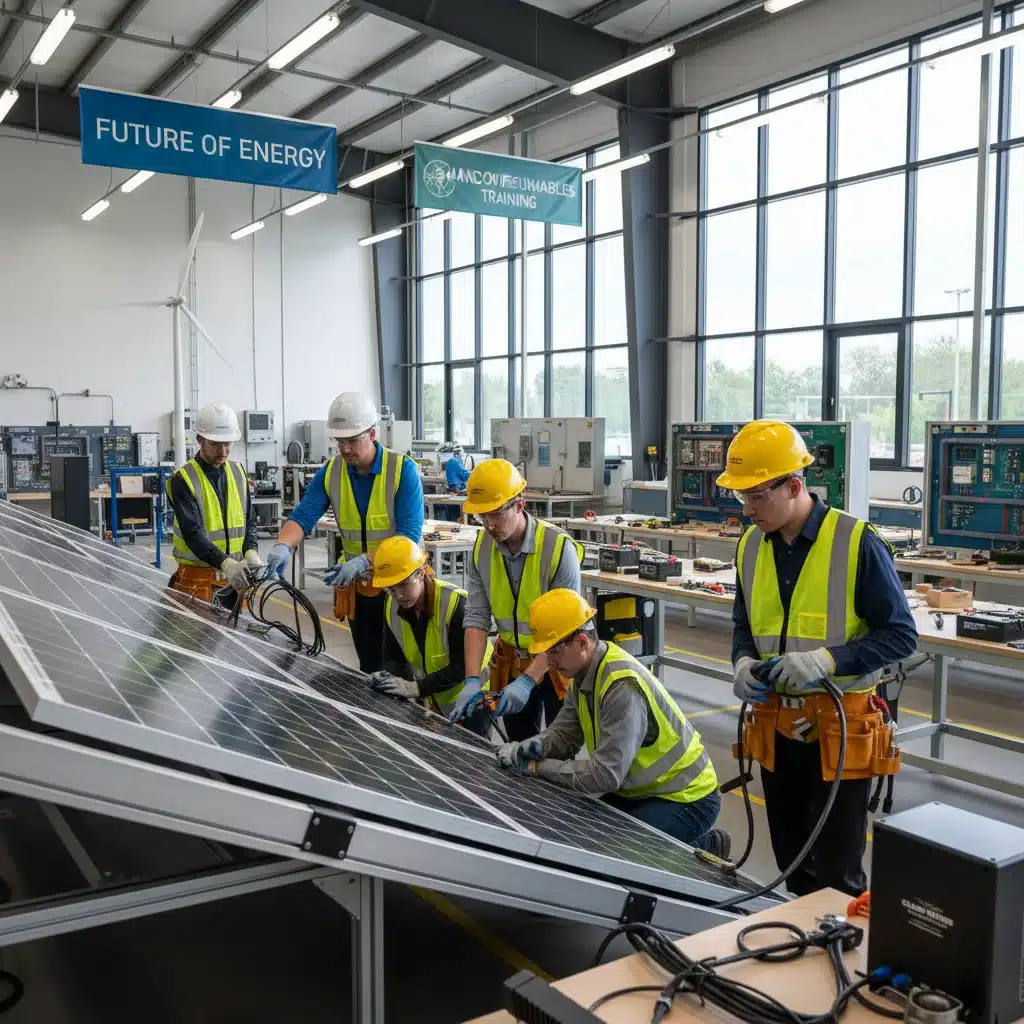
These institutions often provide hands-on training and specific programs designed to lead directly to certain clean energy certifications, particularly for roles like solar installers or wind turbine technicians.
- Pros: Practical, hands-on experience, direct pathway to employment.
- Cons: Less flexible schedules, may require relocation.
3. University Programs and Continuing Education
Universities offer degrees, graduate certificates, and continuing education courses in renewable energy, energy management, and sustainability. These can provide a deeper theoretical foundation and often integrate certification preparation.
- Pros: Comprehensive knowledge, networking opportunities, academic rigor.
- Cons: Can be time-consuming and expensive.
4. Industry Associations and Professional Organizations
Many of the certification bodies mentioned (NABCEP, AEE, BPI, USGBC) also provide training resources, study guides, and exam administration directly. They are often the most authoritative source for preparation.
- Pros: Direct alignment with certification requirements, access to industry experts.
- Cons: May require prior experience or specific prerequisites.
Future-Proofing Your Career with Clean Energy Certifications
The year 2026 is just around the corner, and the clean energy sector is not slowing down. Investing in clean energy certifications now is an investment in your future. The benefits extend beyond personal career growth; they position you to be a critical player in addressing one of humanity’s most pressing challenges – climate change.
Consider the following as you plan your certification journey:
- Identify Your Niche: Where does your passion and existing skill set align with the demand areas? Do you prefer hands-on technical work, design, management, or policy?
- Research Prerequisites: Many advanced certifications require prior experience or foundational knowledge. Ensure you meet these before committing.
- Look for Accredited Programs: Choose programs and certifications from reputable, accredited organizations to ensure their value and recognition.
- Network Extensively: Connect with professionals in the clean energy field. Attend industry conferences, webinars, and local events. Networking can provide insights into emerging trends and job opportunities.
- Continuous Learning: The clean energy landscape is dynamic. Be prepared for lifelong learning, as new technologies and best practices will continue to emerge.
The transition to a clean energy economy is one of the most significant undertakings of our time. It requires a dedicated, skilled, and certified workforce. By strategically pursuing the right clean energy certifications, you not only secure a promising career path but also become an integral part of building a sustainable and prosperous future for all.
Don’t wait for the future to arrive; build it. Start exploring your certification options today and position yourself at the forefront of the clean energy revolution.