Federal Renewable Energy Incentives Launching Soon
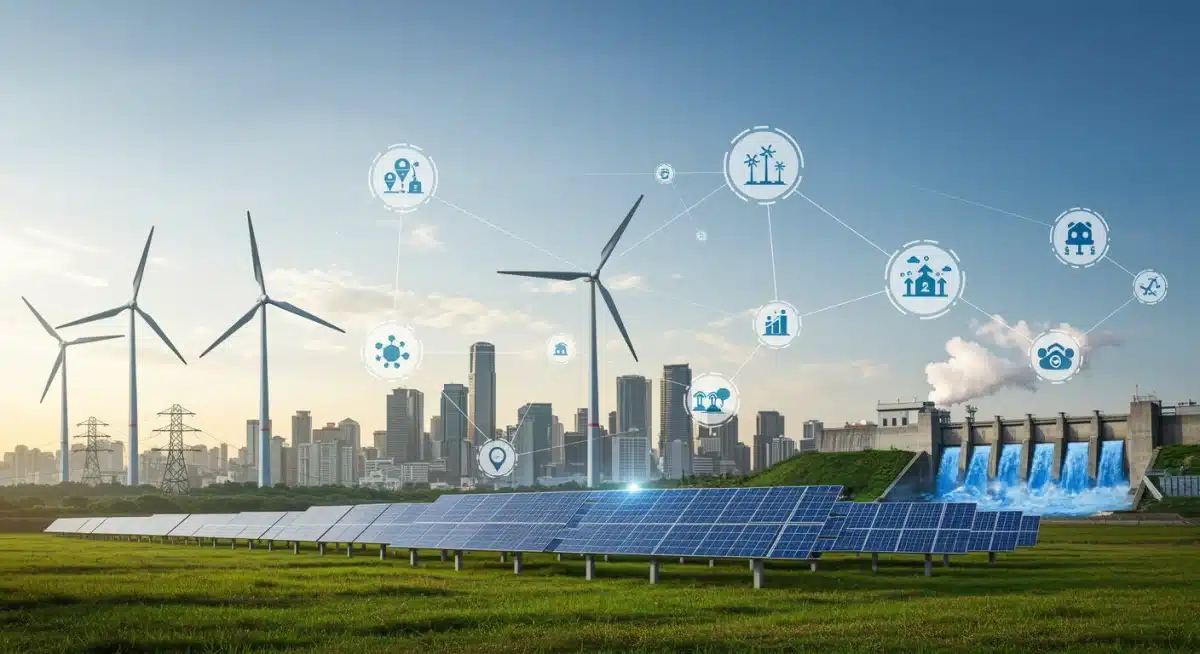
New federal incentives for renewable energy projects are anticipated to launch by April 2025, offering significant opportunities for growth and investment in the clean energy sector across the United States.
The landscape of clean energy in the United States is on the brink of a transformative shift with the announcement that new federal incentives for renewable energy projects are expected to launch by April 2025. This initiative promises to inject significant momentum into the sector, fostering innovation, creating jobs, and accelerating the nation’s transition towards a sustainable energy future. Understanding these forthcoming incentives is crucial for stakeholders, investors, and communities alike.
Understanding the Scope of New Federal Incentives
The upcoming federal incentives are poised to be a game-changer for renewable energy development. These programs are designed to address various aspects of project development, from initial research and development to deployment and long-term operation. The goal is to create a robust and resilient clean energy infrastructure nationwide.
Policymakers have emphasized that the new incentives will focus on maximizing environmental benefits while also ensuring economic growth. This dual objective is central to the federal strategy, aiming to make renewable energy not just an ecological imperative but also a powerful engine for the American economy.
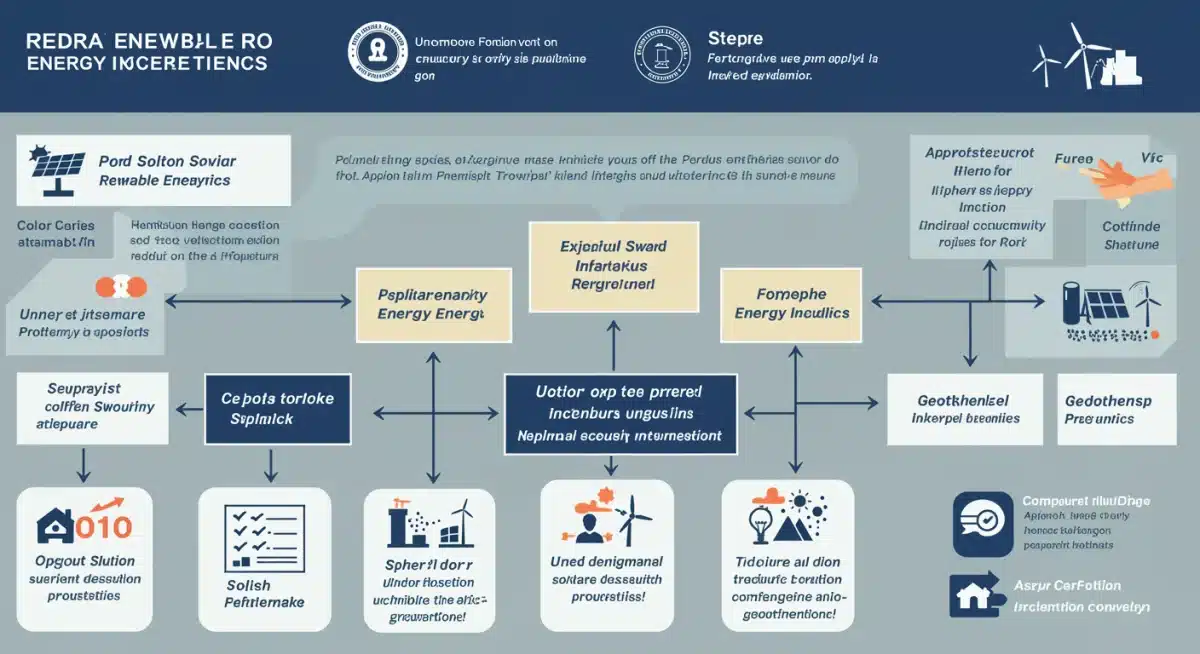
Key Pillars of the Incentive Program
- Tax Credits Expansion: Expect significant enhancements to existing tax credits, making renewable energy projects more financially attractive for developers and investors.
- Grant Funding Opportunities: New grant programs will target innovative technologies and community-led projects, fostering a diverse portfolio of clean energy solutions.
- Loan Guarantees and Financing: Federal loan guarantees will reduce financial risks for large-scale projects, unlocking capital for critical infrastructure development.
- Research and Development Support: Increased funding for R&D will accelerate breakthroughs in energy storage, grid modernization, and advanced renewable technologies.
The comprehensive nature of these incentives suggests a strategic federal push to solidify the United States’ position as a leader in clean energy. The intention is to create a stable and predictable policy environment that encourages long-term investment and innovation across the entire renewable energy value chain. Early indications suggest a strong emphasis on domestic manufacturing and supply chain resilience.
Anticipated Impact on Renewable Energy Sectors
The introduction of these new federal incentives is expected to reverberate across all segments of the renewable energy industry. From solar and wind to geothermal and hydropower, each sector stands to benefit from increased financial support and policy certainty. This will likely spur a wave of new projects and expansions of existing facilities.
Analysts predict a surge in investment, particularly in areas that have historically faced higher upfront costs or technological barriers. The incentives aim to level the playing field, making a wider array of renewable technologies economically viable and competitive with traditional energy sources.
Solar Energy: A Bright Future
Solar energy, already a dominant force in the renewable landscape, is expected to see accelerated growth. Enhanced tax credits, especially for residential and commercial installations, will likely make solar power more accessible to a broader population. Utility-scale solar farms could also benefit from streamlined permitting processes and federal financing options.
- Increased adoption of rooftop solar panels for homes and businesses.
- Development of larger, more efficient solar power plants.
- Advancements in solar panel technology and energy storage integration.
Wind Power: Expanding Horizons
Offshore and onshore wind projects are also slated for significant boosts. The federal government has signaled a strong commitment to expanding wind capacity, recognizing its potential to provide consistent, large-scale clean electricity. These incentives could help overcome infrastructure challenges and reduce development timelines.
Geothermal and hydropower, while often overlooked, also play crucial roles in a diverse energy portfolio. The new incentives are expected to provide targeted support to these sectors, encouraging new exploration and the modernization of existing facilities. This diversification is key to building a resilient and reliable grid.
Economic Benefits and Job Creation
Beyond environmental gains, the new federal incentives are projected to deliver substantial economic benefits across the United States. The expansion of renewable energy projects will necessitate a significant workforce, creating a multitude of new jobs in manufacturing, installation, operations, and maintenance.
Economic modeling suggests that these investments will stimulate local economies, particularly in rural areas where many renewable energy projects are sited. The ripple effect will extend to supporting industries, from raw material suppliers to advanced technology developers, fostering a robust clean energy ecosystem.
The focus on domestic manufacturing within the incentive framework means that many of these jobs will be created within the United States, strengthening national supply chains and reducing reliance on foreign imports. This strategic approach aims to build a sustainable economic engine that is both green and self-sufficient.
Training and Workforce Development
- Federal programs supporting vocational training for renewable energy technicians.
- University partnerships to develop specialized engineering and research talent.
- Retraining initiatives for workers transitioning from traditional energy sectors.
The long-term economic stability offered by a thriving clean energy sector is a key driver behind these incentives. By investing now, the federal government aims to secure a competitive advantage in the global clean energy market, ensuring future prosperity and energy independence for the nation. This forward-thinking approach will likely yield dividends for decades to come.
Challenges and Considerations for Implementation
While the promise of new federal incentives for renewable energy projects is exciting, their successful implementation will undoubtedly face challenges. Navigating regulatory complexities, ensuring equitable distribution of benefits, and managing grid integration issues are just some of the hurdles that will need to be overcome.
Stakeholders are keenly aware that effective collaboration between federal, state, and local governments, as well as private industry and communities, will be paramount. A fragmented approach could hinder progress, underscoring the need for clear communication and coordinated efforts.
Regulatory Hurdles and Permitting
One significant challenge lies in streamlining the permitting process for new projects. Lengthy approval times can delay development and increase costs, offsetting some of the financial benefits of the incentives. Federal agencies are working to identify bottlenecks and implement more efficient review procedures.
- Harmonizing federal and state environmental review requirements.
- Expediting interconnection agreements for new generation sources.
- Addressing local zoning and land-use concerns proactively.
Another critical consideration is ensuring that the benefits of these incentives reach all communities, including those traditionally underserved or disproportionately affected by environmental pollution. Equity and environmental justice are central tenets of the federal clean energy agenda, requiring careful planning and outreach to ensure inclusive participation. This involves not only access to clean energy but also opportunities for economic development and job creation within these communities.
How Businesses and Individuals Can Prepare
As the new federal incentives for renewable energy projects approach their April 2025 launch, businesses and individuals interested in participating should begin preparing now. Proactive planning can significantly enhance the ability to leverage these opportunities effectively and position oneself for success in the evolving clean energy market.
Staying informed about specific program details, eligibility criteria, and application processes will be crucial. This involves actively monitoring official government announcements, engaging with industry associations, and consulting with legal and financial experts specializing in renewable energy.
Key Steps for Preparation
- Monitor Official Announcements: Regularly check websites of relevant federal agencies, such as the Department of Energy (DOE) and the Environmental Protection Agency (EPA), for detailed guidelines.
- Assess Project Eligibility: Understand how your specific project or investment aligns with the anticipated criteria for various incentive programs.
- Build Partnerships: Collaborate with experienced developers, technology providers, and community groups to strengthen project proposals.
For individuals, understanding residential tax credits and grant programs for energy-efficient upgrades can lead to significant savings and a reduced carbon footprint. Businesses should consider how these incentives can support their sustainability goals, reduce operational costs, and contribute to their corporate social responsibility initiatives. Early engagement and strategic planning will be key to unlocking the full potential of these transformative federal programs.
Long-Term Vision for a Sustainable Energy Future
The launch of new federal incentives for renewable energy projects by April 2025 is not merely a short-term policy adjustment; it represents a significant step towards a long-term vision for a sustainable and resilient energy future for the United States. This strategic commitment underscores a national priority to combat climate change, enhance energy security, and foster economic innovation.
The initiatives are designed to create a self-reinforcing cycle of investment, innovation, and deployment, ultimately leading to a grid that is cleaner, more reliable, and less susceptible to global energy market fluctuations. The federal government aims to establish a lasting framework that will continue to drive clean energy growth for decades to come.
Goals of the Long-Term Vision
- Achieve significant reductions in greenhouse gas emissions.
- Establish energy independence through diverse domestic renewable sources.
- Position the U.S. as a global leader in clean energy technology and manufacturing.
- Create millions of high-quality jobs in the green economy.
This comprehensive approach extends beyond simple financial aid, encompassing policy reforms, infrastructure investments, and international collaborations. The goal is to build an energy system that is not only environmentally sound but also economically robust and socially equitable, ensuring that all Americans benefit from the transition to a clean energy economy. The upcoming incentives are a foundational piece of this ambitious and critical national endeavor.
| Key Aspect | Brief Description |
|---|---|
| Launch Date | Expected by April 2025, marking a significant federal push. |
| Incentive Types | Includes expanded tax credits, grant funding, and loan guarantees. |
| Economic Impact | Projected to create numerous jobs and stimulate local economies. |
| Preparation Advice | Businesses and individuals should monitor announcements and assess eligibility. |
Frequently Asked Questions About Federal Renewable Incentives
The new federal incentives are expected to cover a broad spectrum of renewable energy projects, including solar, wind (both onshore and offshore), geothermal, hydropower, and advanced energy storage solutions. Eligibility will likely extend to both utility-scale developments and smaller-scale residential or commercial installations, fostering diverse clean energy growth.
While specific dates are still being finalized, the federal incentives for renewable energy projects are currently expected to launch by April 2025. This timeline allows for necessary legislative processes, regulatory framework development, and public outreach to ensure a smooth and effective rollout of the programs.
These incentives are anticipated to significantly boost job creation across various sectors. New roles will emerge in manufacturing of renewable energy components, installation and maintenance of systems, research and development, and project management. The focus on domestic supply chains aims to keep job growth within the U.S. economy.
Yes, alongside large-scale projects, there is an expectation for targeted incentives designed to support community-based and small-scale renewable energy initiatives. These may include grants, tax credits, or technical assistance programs aimed at increasing access to clean energy for local communities and encouraging decentralized energy production.
Official information and the latest updates on these federal incentives will be primarily available through government websites, such as those of the Department of Energy (DOE), the Environmental Protection Agency (EPA), and potentially the Treasury Department. Subscribing to their newsletters or regularly checking their news sections is recommended.
Conclusion
The forthcoming launch of new federal incentives for renewable energy projects by April 2025 marks a pivotal moment for the clean energy transition in the United States. These comprehensive programs are set to catalyze substantial investment, accelerate technological innovation, and create a wealth of economic opportunities across the nation. By strategically supporting solar, wind, geothermal, and other clean energy sectors, the federal government is laying the groundwork for a more sustainable, resilient, and energy-independent future. Stakeholders, from large corporations to individual homeowners, are encouraged to prepare to leverage these transformative opportunities, ensuring a collective move towards a cleaner, greener American energy landscape.