EPA’s Stricter Emissions Standards Effective January 2025
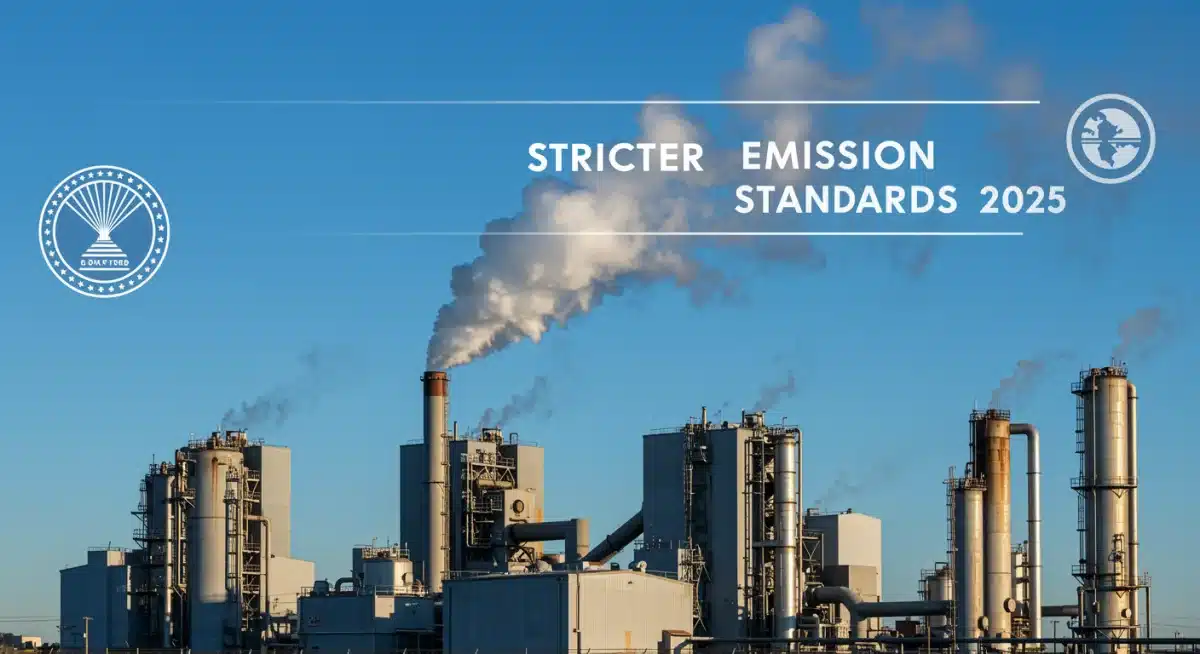
The Environmental Protection Agency (EPA) is set to implement stricter emissions standards beginning January 2025, a significant policy shift aimed at reducing pollution and promoting cleaner technologies nationwide.
Beginning in January 2025, a Major Policy Shift: EPA to Introduce Stricter Emissions Standards Effective January 2025 will reshape the environmental landscape for industries across the United States. This pivotal move by the Environmental Protection Agency (EPA) signifies a renewed commitment to combating climate change and improving public health. What exactly do these new regulations entail, and how will they impact businesses, consumers, and the broader clean energy transition?
Understanding the EPA’s Mandate and Objectives
The Environmental Protection Agency (EPA) is tasked with protecting human health and the environment. Its authority stems from various federal laws, including the Clean Air Act, which empowers the agency to set national ambient air quality standards and regulate emissions from stationary and mobile sources. The upcoming stricter emissions standards are a direct response to growing concerns over air quality, climate change, and the long-term health implications of industrial pollution.
These new regulations are not merely incremental adjustments; they represent a comprehensive effort to accelerate the transition towards a cleaner, more sustainable economy. By targeting key pollutants, the EPA aims to foster innovation in emission control technologies, encourage the adoption of renewable energy sources, and ultimately reduce the environmental footprint of various sectors. The objectives are multi-faceted, encompassing both immediate health benefits and long-term climate resilience.
Key Drivers Behind the Policy Shift
- Public Health Concerns: Reducing respiratory illnesses and other health issues linked to air pollution.
- Climate Change Mitigation: Decreasing greenhouse gas emissions to meet national and international climate goals.
- Technological Advancements: Leveraging new technologies for more effective emission control and cleaner production.
- Economic Opportunities: Stimulating investment in green technologies and creating new jobs in the clean energy sector.
The EPA’s mandate is clear: to safeguard our planet and its inhabitants. These stricter standards are a critical step in fulfilling that mission, pushing industries to innovate and adopt more environmentally friendly practices. The overall goal is to create a healthier environment for all Americans, while also positioning the U.S. as a leader in sustainable development.
Specifics of the New Emissions Standards
The upcoming EPA regulations, effective January 2025, will introduce more stringent limits across several categories of pollutants and sources. While the full scope is extensive, key areas of focus include emissions from power plants, vehicles, and various industrial operations. These standards are designed to be ambitious yet achievable, providing industries with a clear roadmap for compliance and encouraging proactive investment in cleaner technologies.
For power generation, the new rules will likely target carbon dioxide (CO2), sulfur dioxide (SO2), and nitrogen oxides (NOx), pushing coal-fired plants to either adopt advanced capture technologies or transition to cleaner energy sources. In the automotive sector, stricter tailpipe emissions limits for new light-duty and heavy-duty vehicles are anticipated, driving manufacturers to further develop electric and hybrid vehicle technologies. Industrial processes, such as manufacturing and chemical production, will also face enhanced monitoring and reduction requirements for a range of hazardous air pollutants.
Impact on Power Sector Emissions
- Carbon Capture Technologies: Increased incentives and requirements for carbon capture, utilization, and storage (CCUS).
- Renewable Energy Integration: Further promotion of solar, wind, and other renewable sources to displace fossil fuels.
- Retirement of Older Plants: Acceleration of the decommissioning of less efficient, high-emitting power plants.
These specific measures are intended to create a cascading effect, where adherence to new standards not only reduces direct emissions but also fosters a broader shift towards sustainable practices. The EPA’s approach is holistic, recognizing that effective environmental protection requires addressing emissions from multiple angles and engaging diverse stakeholders.
Anticipated Impact on Industries and Businesses
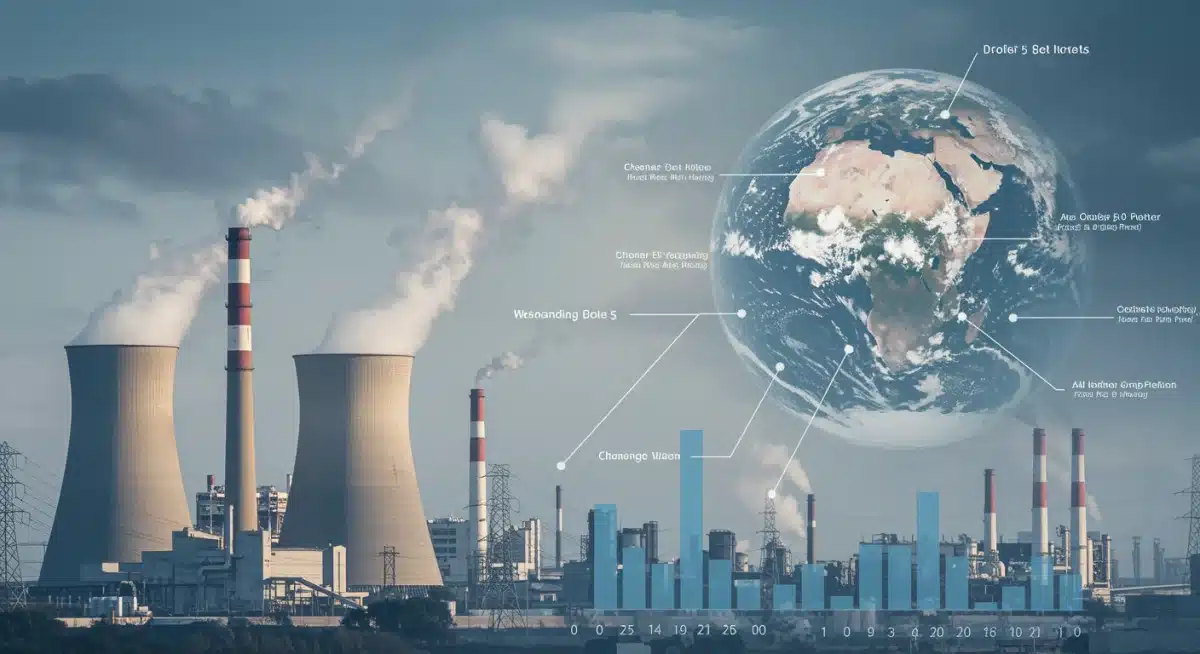
The introduction of stricter EPA emissions standards in January 2025 will undoubtedly have a profound impact on various industries and businesses across the United States. While the initial investment in compliance may seem daunting for some, these regulations are expected to drive innovation, foster competitive advantages for early adopters, and ultimately lead to more sustainable business models. Industries such as energy, transportation, manufacturing, and agriculture will need to re-evaluate their operational practices and supply chains.
For energy producers, this means accelerating the shift away from fossil fuels towards renewable sources and investing in advanced emission control technologies. The automotive industry will face increased pressure to expand its electric vehicle offerings and improve fuel efficiency across its internal combustion engine fleet. Manufacturers will need to assess their production processes, seeking ways to reduce waste and emissions, potentially through new materials or more efficient machinery. Companies that embrace these changes proactively may find themselves better positioned to attract environmentally conscious consumers and investors.
Challenges and Opportunities for Compliance
- Capital Investment: Significant upfront costs for new equipment and technologies.
- Operational Adjustments: Reconfiguring production lines and energy sourcing.
- Market Innovation: Development of new products and services to meet regulatory demands.
- Competitive Advantage: Early movers gaining an edge in a greener marketplace.
While the path to compliance may present challenges, it also opens doors to significant opportunities. Businesses that innovate and adapt will not only meet regulatory requirements but also contribute to a cleaner environment, enhance their brand reputation, and potentially unlock new revenue streams. The long-term benefits of a sustainable operation often outweigh the initial costs of transition.
Economic Implications and Green Job Growth
The economic implications of the EPA’s stricter emissions standards are far-reaching, extending beyond compliance costs to catalyze significant growth in the clean energy sector and foster the creation of new green jobs. While some industries might face initial financial burdens for modernization, the overall economic outlook points towards a net positive impact, driven by innovation, increased efficiency, and a growing demand for sustainable solutions.
Investment in renewable energy infrastructure, such as solar farms, wind turbines, and advanced battery storage, is expected to surge. This will create a demand for skilled labor in manufacturing, installation, maintenance, and research and development. Similarly, the automotive industry’s pivot towards electric vehicles will generate jobs in battery production, charging infrastructure development, and specialized vehicle servicing. The clean energy transition is not just an environmental imperative but also a powerful economic engine, fostering innovation and economic resilience.
Stimulating Economic Development
- Renewable Energy Investments: Billions flowing into solar, wind, and geothermal projects.
- Energy Efficiency Markets: Growth in technologies and services that reduce energy consumption.
- Research and Development: Increased funding for breakthrough clean technologies.
Beyond direct job creation, the transition can lead to broader economic benefits, such as reduced healthcare costs due to improved air quality and increased energy independence. The ripple effect across various sectors, from manufacturing to technology, will solidify the United States’ position in the global green economy, demonstrating that environmental protection and economic prosperity can go hand-in-hand.
The Role of Technology in Meeting New Standards
Technology will play a pivotal role in enabling industries to meet the EPA’s stricter emissions standards effective January 2025. From advanced monitoring systems to groundbreaking clean energy solutions, innovation is at the forefront of this environmental transformation. Companies that invest in and adopt cutting-edge technologies will be better equipped to comply with regulations, optimize their operations, and gain a competitive edge in a rapidly evolving market.
Digital tools and artificial intelligence can optimize industrial processes to minimize waste and emissions, while advanced sensors can provide real-time data on pollutant levels, allowing for immediate corrective actions. In the energy sector, significant advancements in renewable energy generation, energy storage, and smart grid technologies will be crucial. Furthermore, carbon capture, utilization, and storage (CCUS) technologies are becoming increasingly viable for hard-to-abate sectors, offering a pathway to significantly reduce greenhouse gas emissions from industrial sources and power plants.
Technological Innovations for Compliance
- Advanced Emission Control Systems: Improved scrubbers, filters, and catalytic converters.
- Renewable Energy Integration: Smart grids, solar, wind, and geothermal power.
- Process Optimization: AI and machine learning for energy efficiency and waste reduction.
- Carbon Capture and Storage: Technologies to prevent CO2 release into the atmosphere.
The synergy between regulatory pressure and technological advancement creates a dynamic environment where innovation thrives. This period of change will likely spur the development of entirely new industries and solutions, demonstrating how environmental challenges can be powerful catalysts for technological progress and sustainable development.
Public Health and Environmental Benefits
The primary beneficiaries of the EPA’s stricter emissions standards, effective January 2025, will be public health and the environment. Reducing harmful pollutants in the air has direct and immediate positive impacts on communities, particularly those disproportionately affected by industrial emissions. The long-term benefits extend to mitigating climate change, preserving ecosystems, and ensuring a healthier planet for future generations.
Improved air quality will lead to a decrease in respiratory illnesses such as asthma and bronchitis, reduce cardiovascular diseases, and lessen the incidence of certain cancers. Children and the elderly, who are often more vulnerable to air pollution, will experience significant health improvements. Environmentally, these standards will contribute to cleaner water bodies, healthier forests, and the protection of biodiversity by reducing acid rain and smog formation. The reduction of greenhouse gases will also slow the pace of global warming, lessening the severity of extreme weather events and protecting coastal communities.
Tangible Benefits for Communities
- Reduced Respiratory Illnesses: Fewer cases of asthma and other lung conditions.
- Improved Cardiovascular Health: Decreased risk of heart attacks and strokes.
- Cleaner Ecosystems: Healthier forests, lakes, and wildlife habitats.
- Enhanced Quality of Life: Greater access to clean air and natural spaces.
Ultimately, these stricter standards represent an investment in the well-being of the nation. By prioritizing environmental protection, the EPA is not only addressing current challenges but also building a foundation for a more resilient, healthier, and sustainable future for all Americans. The commitment to cleaner air and a stable climate directly translates into a higher quality of life and enhanced public welfare.
| Key Aspect | Brief Description |
|---|---|
| Effective Date | January 2025 marks the implementation of the new, stricter EPA emissions standards. |
| Targeted Sectors | Primarily impacts power generation, automotive, and various industrial operations. |
| Key Objectives | Reduce air pollution, mitigate climate change, and improve public health outcomes. |
| Economic Impact | Expected to drive green job growth and stimulate investment in clean technologies. |
Frequently Asked Questions About EPA Emissions Standards
▼
The primary goals are to significantly reduce air pollution, combat climate change by lowering greenhouse gas emissions, and enhance public health by decreasing the incidence of respiratory and cardiovascular diseases linked to poor air quality. These standards aim to drive a nationwide shift towards cleaner energy and more sustainable industrial practices.
▼
The industries most significantly affected include power generation, particularly coal-fired plants, the automotive sector with stricter vehicle emissions, and various manufacturing and chemical production facilities. These sectors will need to invest in new technologies and adjust operational processes to comply with the stricter limits and reporting requirements.
▼
Consumers can expect cleaner air and improved public health, leading to fewer pollution-related illnesses. There may be a broader availability of electric vehicles and more energy-efficient products. While some initial costs might be passed on, the long-term benefits include a healthier environment and potentially more stable energy costs through diversified clean energy sources.
▼
Technology is crucial for compliance, enabling industries to adopt advanced emission control systems, integrate renewable energy solutions, and optimize processes through AI and smart monitoring. Innovations in carbon capture, energy storage, and cleaner manufacturing techniques are essential for achieving the ambitious targets set by the EPA.
▼
Yes, significant economic benefits are anticipated, including substantial growth in the clean energy sector and the creation of numerous green jobs in areas like renewable energy installation, manufacturing of clean technologies, and environmental engineering. These standards stimulate innovation and investment, fostering a more resilient and sustainable national economy.
Conclusion
The Major Policy Shift: EPA to Introduce Stricter Emissions Standards Effective January 2025 represents a critical juncture for environmental policy and industrial practices in the United States. While the transition will require significant adaptation and investment from various sectors, the overarching goals of enhancing public health, mitigating climate change, and fostering a sustainable economy are paramount. This proactive approach by the EPA underscores a national commitment to a cleaner future, driving innovation and creating new opportunities in the burgeoning clean energy landscape. Ultimately, these standards are a vital step towards ensuring a healthier and more resilient environment for all Americans, solidifying the nation’s role in global environmental stewardship.