Clean Energy Job Market 2025: Education & Skills

The 2025 clean energy job market demands specific educational pathways and skill development strategies to meet the evolving needs of a rapidly expanding sustainable sector.
Are you ready to navigate the dynamic landscape of the future? Understanding how to prepare for the clean energy job market of 2025 is not just about finding a job; it is about building a sustainable career path in a sector poised for unprecedented growth and innovation across the United States.
Understanding the Growth Trajectory of Clean Energy
The clean energy sector is experiencing a monumental surge, driven by global climate goals, technological advancements, and increasing public and private investments. This growth is not merely a trend but a fundamental shift in how societies produce and consume energy, creating a robust demand for a skilled workforce across various disciplines.
Government initiatives, such as the Inflation Reduction Act in the U.S., are pouring billions into renewable energy projects, electric vehicles, and energy efficiency. This financial injection is catalyzing job creation at an impressive rate, far outpacing many traditional industries. This expansion means a diverse array of roles, from engineers and technicians to project managers and policy analysts, are becoming increasingly critical.
Key Drivers of Sector Expansion
Several factors contribute to the rapid expansion of the clean energy sector, each opening new avenues for employment and innovation.
- Policy Support: Federal and state policies are providing significant incentives for renewable energy development.
- Technological Innovation: Breakthroughs in solar, wind, battery storage, and smart grid technologies are making clean energy more efficient and cost-effective.
- Consumer Demand: Growing environmental awareness and a desire for sustainable living are increasing demand for green products and services.
- Investment Capital: Private equity and venture capital firms are heavily investing in clean energy startups and established companies.
The clean energy job market is not uniform; it encompasses a broad spectrum of roles, each requiring specialized knowledge and adaptability. Recognizing these growth drivers is the first step in aligning your educational and career goals with the opportunities that lie ahead.
Essential Educational Pathways for Clean Energy Careers
Navigating the clean energy job market requires a clear understanding of the educational pathways that lead to successful careers. Formal education, whether through traditional universities or specialized vocational programs, provides the foundational knowledge and technical skills necessary to excel.
For those aspiring to roles in research, development, or advanced engineering, a bachelor’s or master’s degree in fields like electrical engineering, environmental science, or materials science is often essential. These programs provide a deep theoretical understanding of energy systems, sustainable practices, and the underlying scientific principles. However, the sector also critically needs skilled tradespeople, and vocational training offers a direct route into these hands-on roles.
Higher Education and Specialized Degrees
Universities are increasingly offering specialized degrees tailored to the clean energy sector. These programs go beyond general engineering or science, focusing on renewable energy technologies, energy policy, and sustainable development.
- Renewable Energy Engineering: Focuses on the design, development, and operation of solar, wind, hydro, and geothermal systems.
- Environmental Policy and Management: Prepares individuals for roles in policy analysis, regulatory compliance, and sustainability consulting.
- Sustainable Business/MBA: Integrates business principles with environmental stewardship, ideal for leadership roles in green companies.
These specialized degrees provide a competitive edge, equipping graduates with both technical expertise and a holistic understanding of the clean energy ecosystem.
Vocational Training and Technical Certifications
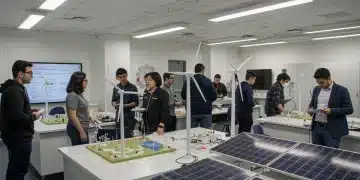
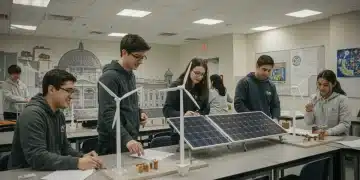
Not all critical roles in clean energy require a four-year degree. Vocational training and technical certifications are vital for positions that involve installation, maintenance, and operation of clean energy systems. These programs are typically shorter, more focused, and offer practical, hands-on experience.
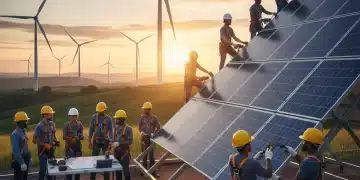
Community colleges and technical schools are excellent resources for obtaining certifications in solar panel installation, wind turbine maintenance, energy auditing, and electric vehicle technology. These programs often include apprenticeships or internships, providing invaluable real-world experience that employers highly value. The demand for skilled technicians is particularly high, making these pathways incredibly impactful for career entry.
Choosing the right educational path depends on your career aspirations and the type of role you envision within the clean energy sector. Both academic and vocational routes offer robust opportunities for growth and contribution.
Key Skill Development Strategies for 2025
Beyond formal education, developing a diverse set of skills is paramount for success in the clean energy job market of 2025. The rapidly evolving nature of the sector means that adaptability, problem-solving, and continuous learning are highly prized attributes. Technical proficiency is a given, but soft skills and interdisciplinary knowledge are equally crucial for navigating complex projects and collaborative environments.
Employers are looking for individuals who can not only perform specific tasks but also innovate, communicate effectively, and work seamlessly within diverse teams. This requires a proactive approach to skill development, focusing on both current industry needs and future trends.
Technical Skills in High Demand
The core of the clean energy sector relies on specialized technical skills. As technologies advance, so too does the demand for experts in specific areas.
- Data Analytics: Essential for optimizing energy consumption, predicting performance of renewable assets, and managing smart grids.
- Software Proficiency: Expertise in CAD for design, simulation software for energy modeling, and project management tools.
- Grid Modernization: Understanding smart grid technologies, energy storage systems, and distributed generation.
- Cybersecurity for Energy Systems: Protecting critical energy infrastructure from digital threats.
These skills often require continuous learning through workshops, certifications, and online courses, as the technological landscape is always shifting.
Cultivating Essential Soft Skills
While technical skills open doors, soft skills are what truly drive career progression and effective teamwork. In a sector where innovation and collaboration are key, these attributes are indispensable.

Communication, critical thinking, and adaptability are vital for working on interdisciplinary projects and engaging with diverse stakeholders, from engineers to policymakers. Problem-solving skills are crucial for addressing the unique challenges posed by new technologies and integrating them into existing infrastructure. Furthermore, a strong ethical compass and a commitment to sustainability are increasingly valued, reflecting the core mission of the clean energy industry.
Developing a balanced skill set, encompassing both technical expertise and strong soft skills, will position individuals for long-term success in the dynamic clean energy job market.
Networking and Experiential Learning Opportunities
In addition to formal education and skill development, actively engaging in networking and seeking out experiential learning opportunities are critical for breaking into and advancing within the clean energy job market. Connections can lead to mentorships, internships, and ultimately, employment, while practical experience provides invaluable insights and a competitive edge.
Attending industry conferences, webinars, and local meetups allows individuals to connect with professionals, learn about emerging trends, and discover unadvertised opportunities. These events are not just about collecting business cards; they are about building genuine relationships and demonstrating your passion for the sector. Similarly, internships, co-ops, and volunteer work offer hands-on experience that complements academic learning and makes resumes stand out.
The Power of Professional Networks
Building a robust professional network is more than just a formality; it is a strategic investment in your career. The clean energy sector is often tightly knit, and referrals or personal recommendations can significantly boost your job search.
- Industry Associations: Joining organizations like the Solar Energy Industries Association (SEIA) or the American Wind Energy Association (AWEA) provides access to exclusive events and resources.
- Online Platforms: Utilizing LinkedIn to connect with professionals and participate in industry-specific groups.
- Mentorship Programs: Seeking guidance from experienced professionals can offer invaluable career advice and open doors to new opportunities.
An active network can provide insights into current hiring needs, future industry directions, and even identify skill gaps you might need to address.
Internships, Co-ops, and Volunteer Work
Practical experience is often as important as, if not more important than, academic credentials. Internships and co-op programs provide direct exposure to the day-to-day operations of clean energy companies, allowing you to apply classroom knowledge in a real-world setting.
These experiences offer a chance to develop specific technical skills, understand team dynamics, and build a portfolio of work. Even volunteer opportunities with non-profits focused on environmental sustainability can provide valuable experience and demonstrate commitment. Many entry-level positions require some form of prior experience, making these opportunities crucial for jumpstarting a career in clean energy. The insights gained from experiential learning are often what differentiate a strong candidate from others.
Emerging Career Paths and Specializations
The clean energy job market is not static; it is constantly evolving, giving rise to new career paths and specializations. Staying abreast of these emerging roles is crucial for anyone looking to future-proof their career and capitalize on new opportunities. As technology advances and policy landscapes shift, new demands create entirely new job categories that didn’t exist a decade ago.
From roles focused on advanced grid management to specialists in sustainable finance, the scope of the clean energy sector is broadening. Understanding these emerging specializations allows individuals to tailor their education and skill development to meet future industry needs, ensuring they remain highly competitive and relevant.
Innovations Driving New Roles
Technological innovations are the primary drivers behind the creation of new career paths in clean energy. As new solutions emerge, so does the need for specialized expertise to develop, implement, and manage them.
- Energy Storage Specialists: Experts in battery technology, grid-scale storage, and vehicle-to-grid integration.
- AI and Machine Learning Engineers: Applying AI to optimize energy grids, predict renewable output, and manage energy consumption.
- Green Hydrogen Economy Experts: Developing and implementing hydrogen production, storage, and utilization technologies.
- Carbon Capture and Storage Technicians: Operating and maintaining systems designed to reduce atmospheric carbon.
These roles often require a blend of traditional engineering or scientific knowledge with cutting-edge technological skills.
Sustainability and Policy Roles
Beyond the technical aspects, there is a growing demand for professionals who can navigate the complex interplay between environmental sustainability, policy, and business. These roles are crucial for ensuring that clean energy projects are not only technically sound but also environmentally responsible and economically viable.
Sustainability consultants advise companies on reducing their environmental footprint, while policy analysts work to shape government regulations and incentives that support clean energy development. Environmental justice advocates ensure that the transition to clean energy benefits all communities equitably. These positions require strong analytical skills, an understanding of regulatory frameworks, and excellent communication abilities to bridge the gap between technical experts, policymakers, and the public. The continued growth in these areas highlights the comprehensive nature of the clean energy transition.
Government Support and Funding for Clean Energy Training
Recognizing the critical need for a skilled workforce to support the clean energy transition, the U.S. government has implemented various programs and funding initiatives. These resources are designed to make clean energy education and training more accessible, helping individuals acquire the necessary skills without bearing the full financial burden.
Understanding and leveraging these government-backed opportunities can significantly reduce the cost of education and training, making a career in the clean energy sector a more attainable goal. These programs often come in the form of grants, scholarships, tax credits, and direct funding for educational institutions to develop relevant curricula.
Federal and State Initiatives
Both federal and state governments are actively investing in workforce development for the clean energy sector. These initiatives aim to create a pipeline of skilled workers to meet growing industry demands.
- Department of Energy (DOE) Programs: The DOE offers various grants and funding opportunities for clean energy research, development, and workforce training.
- Inflation Reduction Act (IRA): Contains significant provisions for clean energy tax credits and investments, which indirectly support workforce training and job creation.
- State-Specific Incentives: Many states offer their own programs, such as renewable energy training grants or tax breaks for companies that hire and train green workers.
These programs often target specific demographics, such as veterans or underserved communities, to ensure an equitable transition to a clean energy economy.
Scholarships and Apprenticeship Programs
Beyond direct funding, numerous scholarships and apprenticeship programs are available to support individuals pursuing clean energy education and training. Scholarships can cover tuition costs for university degrees or vocational certifications, making higher education more affordable.
Apprenticeship programs combine on-the-job training with classroom instruction, allowing participants to earn a wage while learning valuable skills. These programs are particularly effective for trades-based roles, offering a clear pathway to employment. Many clean energy companies partner with educational institutions to offer these apprenticeships, ensuring that the training directly aligns with industry needs. Exploring these options can be a strategic way to fund your education and gain practical experience simultaneously, making you a highly attractive candidate in the clean energy job market.
Future-Proofing Your Career in Clean Energy
To truly thrive in the clean energy job market of 2025 and beyond, a mindset of continuous learning and adaptability is essential. The sector is characterized by rapid technological advancements and evolving policy landscapes, meaning that skills acquired today may need to be updated or supplemented tomorrow. Future-proofing your career involves not just responding to changes but anticipating them and proactively developing new competencies.
This means staying connected with industry trends, engaging in ongoing professional development, and being open to new roles and responsibilities as the sector matures. A proactive approach ensures long-term relevance and opens doors to leadership opportunities within this transformative industry.
Embracing Lifelong Learning
The pace of innovation in clean energy dictates that learning should not stop after graduation. Lifelong learning is crucial for staying competitive and relevant.
- Online Courses and Certifications: Platforms like Coursera, edX, and industry-specific training providers offer specialized courses in emerging clean energy technologies.
- Workshops and Seminars: Attending events focused on new techniques, software, or regulatory changes.
- Industry Publications and Research: Regularly reading scientific journals, trade magazines, and market analysis reports to stay informed.
Committing to continuous education demonstrates initiative and a genuine passion for the field.
Adaptability and Innovation
The ability to adapt to new challenges and embrace innovative solutions is a hallmark of successful professionals in the clean energy sector. As the industry matures, new technologies, business models, and regulatory frameworks will constantly emerge, requiring individuals who can quickly learn and apply new knowledge.
This includes being comfortable with interdisciplinary collaboration, thinking creatively to solve complex problems, and being willing to step outside traditional roles. Cultivating an innovative mindset means actively seeking out opportunities to improve processes, develop new products, or find more efficient ways to deploy clean energy solutions. Those who can demonstrate both adaptability and a drive for innovation will be highly valued as the clean energy sector continues its rapid transformation, ensuring a resilient and impactful career path.
| Key Aspect | Description for 2025 |
|---|---|
| Educational Pathways | Formal degrees (engineering, environmental science) and vocational certifications (solar, wind tech) are crucial. |
| Key Skills | High demand for data analytics, software proficiency, grid modernization, and cybersecurity alongside strong soft skills. |
| Networking & Experience | Professional associations, LinkedIn, internships, and apprenticeships are vital for career entry and growth. |
| Government Support | Federal and state programs, scholarships, and apprenticeships offer significant training and funding opportunities. |
Frequently Asked Questions About Clean Energy Careers
Highly sought-after roles include solar panel installers, wind turbine technicians, energy storage engineers, smart grid specialists, and environmental policy analysts. Data scientists and AI specialists for energy optimization are also seeing significant demand as technology advances.
Not necessarily. While degrees are beneficial for certain roles, many critical positions in clean energy, such as technicians and installers, can be accessed through vocational training, certifications, and apprenticeships, offering direct pathways to employment.
Essential soft skills include critical thinking, problem-solving, adaptability, strong communication, and teamwork. The ability to innovate and collaborate effectively across diverse teams is highly valued in this rapidly evolving industry.
Various government programs, grants from organizations like the Department of Energy, state-specific incentives, scholarships, and paid apprenticeship programs are available to help cover educational and training costs.
The long-term outlook is exceptionally strong, with significant growth projected for decades. Increased investment, technological advancements, and global climate commitments ensure sustained demand for a skilled workforce in the clean energy sector.
Conclusion
The clean energy job market in 2025 presents an unparalleled opportunity for individuals seeking impactful and sustainable careers. By strategically pursuing relevant educational pathways, continuously developing demanded technical and soft skills, and actively engaging in networking and experiential learning, aspiring professionals can effectively prepare for this burgeoning sector. Government support and emerging specializations further underscore the dynamic and promising nature of clean energy. Embracing lifelong learning and adaptability will be key to not only entering but also thriving and leading within this transformative industry, contributing to a more sustainable future.