Clean Energy Careers: Top 5 Educational Programs for a Sustainable Future
Clean Energy Careers: Top 5 Educational Programs for a Sustainable Future
The world is at a pivotal moment, grappling with climate change and the urgent need for sustainable solutions. This global challenge has catalyzed an unprecedented surge in the clean energy sector, creating a burgeoning demand for skilled professionals. From solar technicians to environmental policy analysts, the landscape of clean energy careers is diverse, dynamic, and brimming with opportunities. For those looking to make a meaningful impact while building a stable and rewarding career, understanding the educational pathways into this field is paramount. This article will delve into five key educational programs that are shaping the next generation of clean energy leaders, offering practical solutions and clear routes from classroom to career.
The transition to a low-carbon economy isn’t just an environmental imperative; it’s an economic revolution. Governments worldwide are investing heavily in renewable energy infrastructure, energy efficiency, and sustainable technologies. This investment translates directly into job creation across a spectrum of disciplines. However, simply having a passion for sustainability isn’t enough; specialized knowledge and practical skills are essential. Choosing the right educational program can be the deciding factor in securing a fulfilling role in this rapidly expanding industry. We’ll explore various academic and vocational routes, highlighting what each offers and the types of clean energy careers they prepare you for.
Whether you’re a high school student contemplating your future, a college graduate seeking a career change, or a seasoned professional looking to upskill, the clean energy sector has a place for you. The programs we will discuss range from highly technical engineering degrees to interdisciplinary environmental studies and vocational training. Each offers a unique set of tools and knowledge, all geared towards contributing to a more sustainable planet. Our goal is to provide a comprehensive overview, helping you navigate the educational landscape and choose the path best suited to your aspirations in clean energy careers.
1. Renewable Energy Engineering Programs: The Technical Backbone of Clean Energy Careers
At the forefront of innovation in the clean energy sector are renewable energy engineers. These professionals are the architects and problem-solvers who design, develop, and implement the technologies that power our sustainable future. A degree in Renewable Energy Engineering, often offered as a specialization within Electrical, Mechanical, or Environmental Engineering, is arguably one of the most direct routes into high-impact clean energy careers.
What You Learn:
These programs typically cover a broad spectrum of scientific and engineering principles. Students delve into thermodynamics, fluid mechanics, electrical systems, and materials science. The curriculum then applies these fundamentals to specific renewable energy technologies. You’ll gain expertise in solar photovoltaic (PV) and concentrated solar power (CSP) systems, wind turbine design and aerodynamics, hydropower generation, geothermal energy extraction, and biomass conversion. Crucially, these programs also emphasize systems integration, grid management, and energy storage solutions, preparing graduates to tackle complex challenges in the real world.
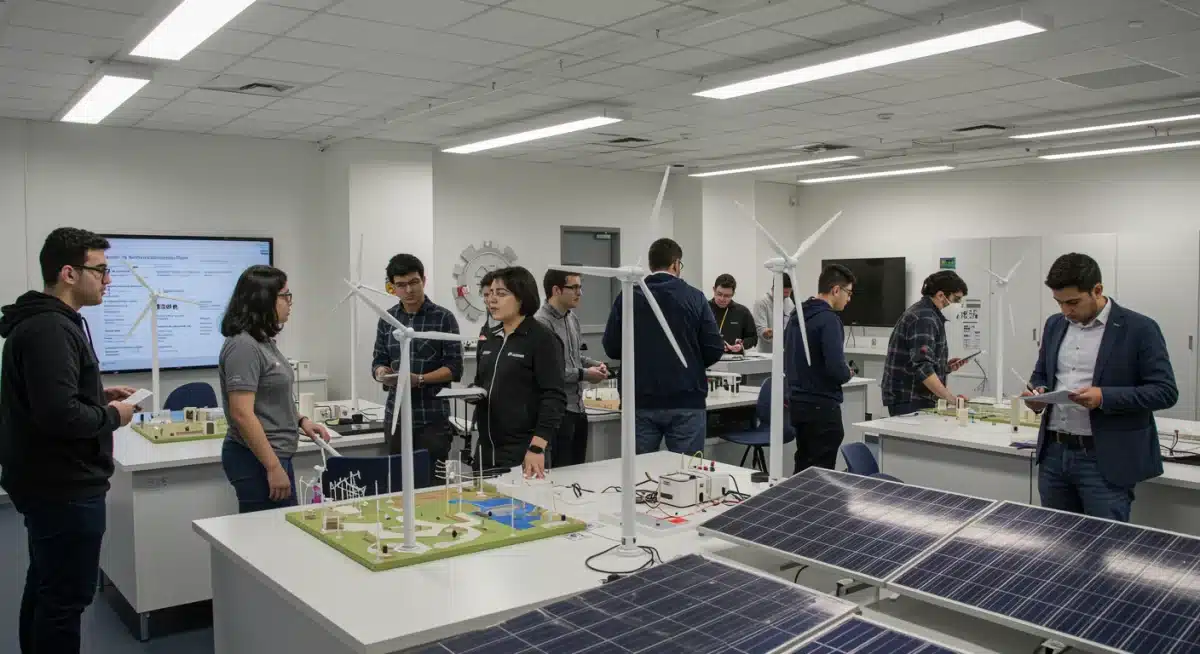
Beyond theoretical knowledge, a strong emphasis is placed on practical skills. This often includes laboratory work, computer-aided design (CAD), simulation software, and project management. Many programs incorporate capstone projects where students design and optimize a complete renewable energy system, providing invaluable hands-on experience. Some even offer opportunities for internships with leading clean energy companies, allowing students to apply their knowledge in a professional setting and build crucial industry connections.
Career Pathways:
Graduates with a degree in Renewable Energy Engineering are highly sought after in numerous roles. They can work as:
- Solar Engineers: Designing, installing, and optimizing solar power systems for residential, commercial, and utility-scale projects.
- Wind Energy Engineers: Developing and maintaining wind farms, focusing on turbine design, site assessment, and operational efficiency.
- Geothermal Engineers: Exploring and developing geothermal resources for electricity generation and heating/cooling applications.
- Hydropower Engineers: Working on the design, construction, and maintenance of hydroelectric power plants.
- Energy Storage Engineers: Focusing on battery technologies, grid-scale storage solutions, and their integration into renewable energy systems.
- Research & Development Engineers: Innovating new materials, technologies, and methods to improve the efficiency and cost-effectiveness of renewable energy.
- Project Managers: Overseeing the planning, execution, and completion of renewable energy projects.
The demand for these specialized engineers is projected to grow significantly as the world transitions further into renewable energy. Their skills are indispensable for the entire lifecycle of clean energy projects, from initial concept and design to deployment and ongoing maintenance, making this one of the most impactful routes to clean energy careers.
2. Environmental Science and Sustainability Studies: Holistic Approaches to Clean Energy Careers
While engineering focuses on the ‘how’ of clean energy, Environmental Science and Sustainability Studies programs address the broader ‘why’ and ‘where’—considering the ecological, social, and economic implications of energy choices. These interdisciplinary programs are crucial for understanding the big picture of sustainability and for developing holistic solutions that integrate clean energy with environmental protection and social equity. They prepare individuals for clean energy careers that require a deep understanding of complex systems.
What You Learn:
Students in these programs explore a wide array of subjects, including ecology, geology, chemistry, policy, economics, and ethics. The curriculum often includes courses on climate science, environmental law, natural resource management, sustainable development, and environmental impact assessment. When applied to clean energy, this means understanding the life cycle impacts of various energy sources, the regulatory frameworks governing renewable energy development, and the socio-economic benefits and challenges of transitioning to a green economy.
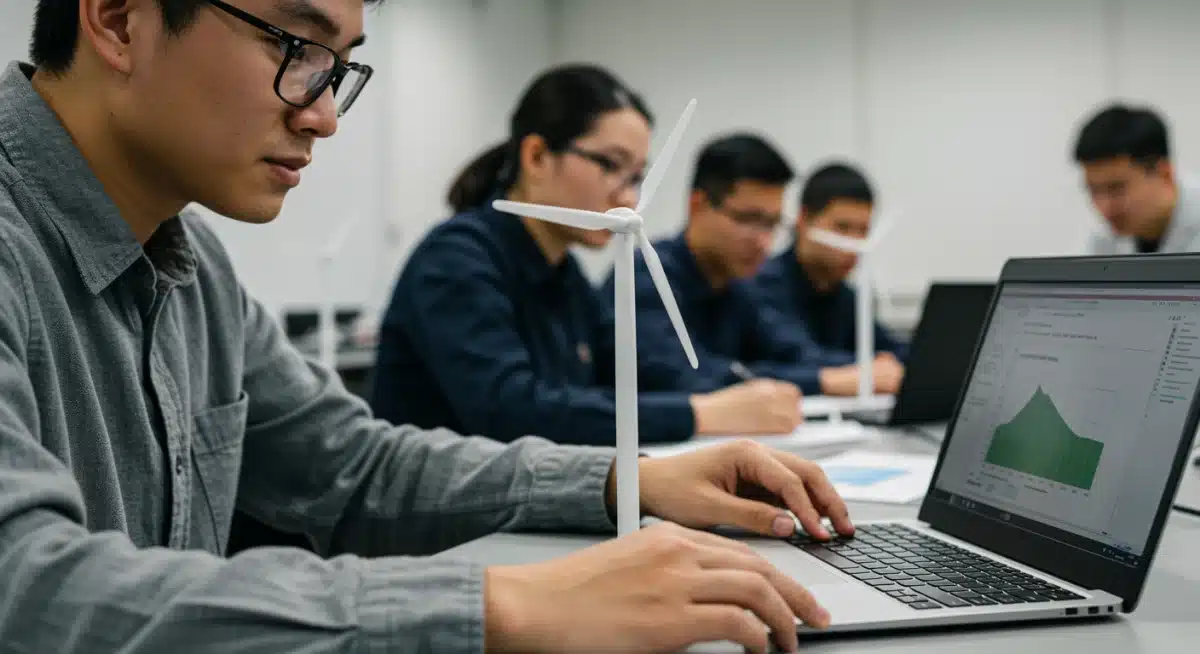
A key aspect of these programs is their emphasis on critical thinking, data analysis, and communication skills. Students learn to evaluate scientific evidence, formulate policy recommendations, and effectively communicate complex environmental issues to diverse audiences. Fieldwork, research projects, and internships with environmental organizations or government agencies are common components, providing practical experience in data collection, analysis, and problem-solving related to sustainability challenges.
Career Pathways:
Graduates from Environmental Science and Sustainability Studies programs are well-suited for roles that require a broad understanding of environmental issues and the ability to bridge scientific knowledge with policy and practice. Examples of clean energy careers in this field include:
- Environmental Consultants: Advising businesses and governments on environmental compliance, sustainability strategies, and renewable energy project feasibility.
- Sustainability Managers: Developing and implementing sustainability initiatives within corporations, focusing on energy efficiency, waste reduction, and renewable energy adoption.
- Policy Analysts: Working for government agencies, NGOs, or think tanks to research, develop, and advocate for clean energy policies and regulations.
- Conservation Scientists: Focusing on protecting ecosystems and biodiversity, often involving the assessment of renewable energy project impacts and siting.
- Environmental Educators: Raising public awareness about climate change, renewable energy, and sustainable living.
- Community Outreach Coordinators: Engaging with communities on renewable energy projects, ensuring social acceptance and benefits.
These roles are vital for ensuring that the expansion of clean energy is conducted responsibly and equitably, making these programs essential for a truly sustainable future and diverse clean energy careers.
3. Energy Policy and Economics Programs: Shaping the Future of Clean Energy Markets
The transition to clean energy is not just a technological challenge; it’s a monumental economic and policy undertaking. Energy Policy and Economics programs equip individuals with the analytical tools and contextual understanding to navigate the complex interplay between energy markets, government regulations, international agreements, and technological innovation. These programs are essential for those aspiring to clean energy careers at the strategic and systemic level.
What You Learn:
Students in these programs typically engage with macroeconomics, microeconomics, public policy analysis, international relations, and law. Specific energy-focused courses cover topics such as energy market structures, carbon pricing, renewable energy subsidies, grid modernization policies, energy security, and geopolitical implications of energy transitions. The curriculum often includes quantitative methods, statistical analysis, and econometric modeling to evaluate the effectiveness of different energy policies and market interventions.
A strong emphasis is placed on understanding the incentives and barriers to clean energy adoption, both at national and international levels. Students learn to analyze policy instruments, assess their economic impacts, and propose effective strategies to accelerate the energy transition. Case studies of successful and unsuccessful energy policies from around the world provide practical insights. Guest lectures from industry leaders, policymakers, and economists are common, offering real-world perspectives on the challenges and opportunities in the clean energy landscape.
Career Pathways:
Graduates with expertise in energy policy and economics are crucial for guiding the strategic direction of the clean energy sector. Their clean energy careers can include:
- Energy Policy Advisors: Working for government bodies, legislative offices, or international organizations to formulate and implement energy policies.
- Market Analysts: Analyzing energy market trends, forecasting demand and supply, and evaluating investment opportunities in renewable energy.
- Regulatory Affairs Specialists: Helping energy companies navigate complex regulatory environments and advocate for favorable policies.
- Economic Consultants: Providing economic analysis and strategic advice to clients in the energy sector, including utility companies, renewable energy developers, and financial institutions.
- International Development Specialists: Working with international organizations to promote clean energy access and sustainable development in developing countries.
- Business Development Managers: Identifying new market opportunities and strategic partnerships for clean energy companies, often requiring a strong grasp of policy landscapes.
These roles are critical for creating the enabling environment that allows clean energy technologies to thrive and scale, making them vital for the advancement of clean energy careers.
4. Vocational Training and Technical Certifications: Hands-On Skills for Immediate Clean Energy Careers
Not all impactful clean energy careers require a four-year degree. Vocational training and technical certifications offer accelerated pathways into hands-on roles that are essential for the installation, maintenance, and operation of clean energy systems. These programs are designed to provide specialized skills for immediate entry into the workforce, addressing the growing demand for skilled tradespeople in the green economy.
What You Learn:
Vocational programs are intensely practical, focusing on specific technologies and tasks. Students typically learn about electrical wiring, plumbing, HVAC (heating, ventilation, and air conditioning) systems, and safety protocols. Specialized modules cover the installation and maintenance of solar panels (both PV and thermal), wind turbines, geothermal heat pumps, and electric vehicle (EV) charging infrastructure. Training often includes blueprint reading, equipment operation, troubleshooting, and adherence to industry codes and standards.
Many programs incorporate significant amounts of lab work and on-the-job training, allowing students to gain direct experience with the tools and equipment they will use in their careers. Certifications from recognized industry bodies (e.g., NABCEP for solar professionals, OSHA for safety) are often integrated into the curriculum, providing graduates with credentials that are highly valued by employers. These programs are often shorter in duration than degree programs, making them an attractive option for those looking to quickly enter the clean energy workforce.
Career Pathways:
Graduates of vocational training and certification programs fill crucial operational roles in the clean energy sector. Their clean energy careers include:
- Solar Photovoltaic (PV) Installers: Assembling, installing, and maintaining solar panels on rooftops and other structures.
- Wind Turbine Technicians: Inspecting, troubleshooting, and repairing wind turbines, often working at significant heights.
- HVAC Technicians (specialized in energy efficiency/geothermal): Installing and servicing high-efficiency heating and cooling systems, including geothermal heat pumps.
- Electricians (specialized in renewable energy): Wiring and connecting renewable energy systems to the grid, ensuring safety and compliance.
- Energy Auditors: Assessing buildings for energy efficiency, identifying areas for improvement, and recommending clean energy solutions.
- Electric Vehicle (EV) Infrastructure Technicians: Installing and maintaining charging stations for electric vehicles.
These hands-on roles are experiencing rapid growth and offer competitive wages, making vocational training a practical and highly effective route into rewarding clean energy careers.
5. Business and Management with a Sustainability Focus: Leading the Green Transformation
The clean energy transition is not just about technology; it’s also about effective business strategies, innovative financing, and skilled leadership. Programs in Business and Management with a specialization in Sustainability, Green Business, or Energy Management prepare professionals to lead organizations through this transformation. These degrees are vital for those aiming for managerial, entrepreneurial, or financial clean energy careers.
What You Learn:
These programs build upon traditional business fundamentals—finance, marketing, operations, human resources, and strategy—but integrate sustainability principles throughout. Students learn about corporate social responsibility, environmental economics, sustainable supply chain management, green marketing, and impact investing. Specific courses might focus on renewable energy project finance, carbon accounting, sustainability reporting, and the circular economy.
A key component is understanding how to develop business models that are both profitable and environmentally responsible. Students learn to conduct life cycle assessments, evaluate the financial viability of clean energy projects, and communicate sustainability value propositions to stakeholders. Leadership skills, ethical decision-making, and change management are also heavily emphasized, preparing graduates to drive sustainable practices within organizations. Many programs include real-world case studies, consulting projects, and opportunities to network with professionals in the sustainable business sector.
Career Pathways:
Graduates from these programs are well-equipped to lead and manage in the evolving clean energy landscape. Their clean energy careers can include:
- Sustainability Consultants: Advising businesses on integrating sustainability into their core operations and supply chains, including energy strategy.
- Renewable Energy Project Developers: Identifying, planning, and bringing clean energy projects from conception to completion, managing all business aspects.
- Green Investment Analysts: Evaluating investment opportunities in clean energy and sustainable businesses for financial institutions or venture capital firms.
- Corporate Sustainability Officers: Leading sustainability initiatives within large corporations, often focusing on reducing carbon footprint and transitioning to renewable energy.
- Marketing Managers (Green Products/Services): Developing and executing marketing strategies for clean energy technologies and sustainable products.
- Operations Managers: Optimizing operational efficiency in manufacturing or service industries to reduce energy consumption and integrate renewable sources.
- Entrepreneurs: Launching new businesses focused on clean energy technologies, sustainable products, or green services.
These roles are crucial for driving the adoption and scaling of clean energy solutions across all sectors of the economy, demonstrating the broad appeal of clean energy careers with a business focus.
Choosing Your Path: Navigating the Educational Landscape for Clean Energy Careers
With such a diverse array of educational programs available, deciding which path is right for you can seem daunting. The best choice depends on your interests, aptitudes, and long-term career aspirations within the clean energy sector. Consider the following questions to help guide your decision:
- Are you passionate about technology and problem-solving? If so, a Renewable Energy Engineering program might be your ideal fit, leading to roles in designing and implementing cutting-edge clean energy solutions.
- Do you care deeply about environmental protection and holistic solutions? Environmental Science and Sustainability Studies will equip you to understand the broader impacts and contribute to integrated sustainable development.
- Are you interested in how policies and markets drive change? Energy Policy and Economics programs will prepare you to influence the regulatory and financial frameworks that shape the energy transition.
- Do you prefer hands-on work and practical application? Vocational Training and Technical Certifications offer direct entry into essential skilled trades that build and maintain clean energy infrastructure.
- Are you an aspiring leader, entrepreneur, or strategic thinker? Business and Management with a Sustainability Focus will empower you to drive green innovation and sustainable practices within organizations.
It’s also important to consider the level of education you wish to pursue. While bachelor’s degrees are common, many master’s programs offer specialized concentrations in clean energy, ideal for those with an existing undergraduate degree looking to pivot or deepen their expertise. Furthermore, community colleges and technical schools offer excellent vocational programs that provide immediate job readiness. Don’t overlook online courses and certifications, which can be valuable for upskilling or exploring new areas without a full-time commitment.
Networking is another critical aspect of building a successful career in clean energy. Attend industry conferences, join professional organizations (like the American Solar Energy Society or the American Wind Energy Association), and connect with professionals on platforms like LinkedIn. Many educational programs actively facilitate these connections, providing mentorship opportunities and career placement services. The clean energy community is often passionate and collaborative, making it an excellent environment for professional growth.
The Future is Green: Embracing Clean Energy Careers
The global shift towards clean energy is undeniable, creating a robust and expanding job market. The International Renewable Energy Agency (IRENA) projects millions of new jobs in the renewable energy sector in the coming decades. This growth isn’t just about quantity; it’s about quality, offering meaningful work that contributes directly to a healthier planet and a more sustainable society. Pursuing education in one of these five key areas is not just investing in a career; it’s investing in the future.
The demand for skilled professionals in clean energy careers spans a wide range of expertise, from the engineers who design the next generation of solar panels to the policy analysts who craft the incentives for their adoption, and the technicians who install and maintain them. Each role, regardless of its technical complexity or strategic scope, plays a vital part in accelerating the energy transition.
As you embark on your educational journey, remember that continuous learning is a hallmark of the clean energy sector. Technologies evolve rapidly, and policies shift. Staying current with industry trends, pursuing further certifications, and engaging in professional development will ensure your skills remain relevant and in demand. The clean energy revolution is here, and with the right education, you can be at its forefront, building a rewarding career while making a tangible difference in the world.
From the foundational sciences to the intricacies of policy and the practicalities of installation, the educational pathways to clean energy careers are diverse and interconnected. By choosing a program that aligns with your talents and passions, you can carve out a successful and impactful role in shaping a sustainable future for generations to come. The time to invest in a green career is now, and the opportunities are boundless.