New Educational Resources for Clean Energy Professionals: What Launched in Early 2026? (RECENT UPDATES)
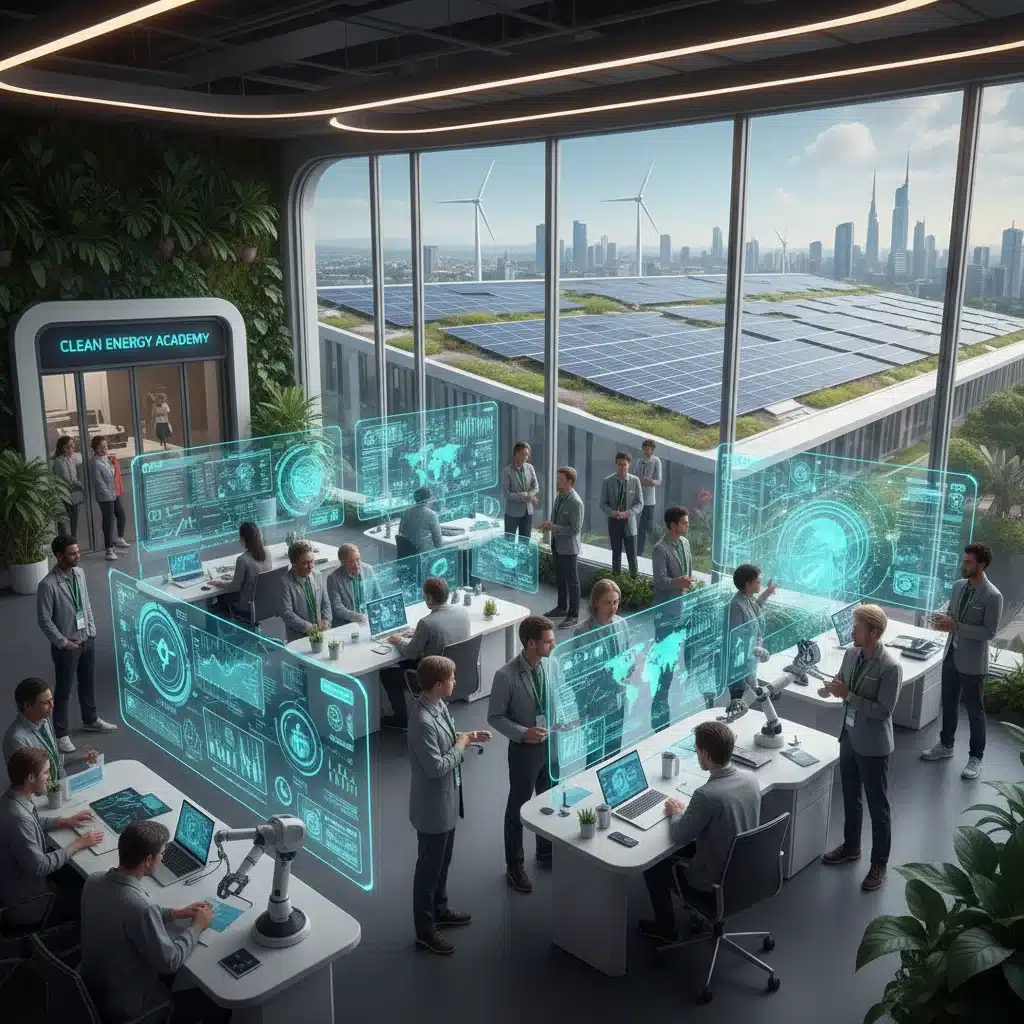
New Educational Resources for Clean Energy Professionals: What Launched in Early 2026? (RECENT UPDATES)
The clean energy sector is not just growing; it’s evolving at an unprecedented pace. To keep up with this dynamic transformation, the demand for skilled and knowledgeable professionals is higher than ever. Recognizing this critical need, early 2026 has witnessed a significant surge in the launch of innovative clean energy education resources, designed to empower both aspiring and experienced professionals. This article delves into these groundbreaking developments, highlighting what’s new, what’s essential, and how these resources are shaping the future of the sustainable energy workforce.
The global shift towards decarbonization and sustainable practices has created a booming market for renewable energy technologies, energy efficiency solutions, and smart grid infrastructure. This expansion, while exciting, presents a unique challenge: ensuring that the workforce possesses the specialized skills required to design, implement, maintain, and innovate within this complex ecosystem. Traditional educational pathways are often slow to adapt, leading to a skills gap that could hinder progress. Fortunately, a new wave of educational initiatives is directly addressing these challenges, offering targeted, flexible, and cutting-edge learning opportunities.
From advanced certifications in emerging technologies like green hydrogen and advanced geothermal systems to comprehensive online platforms offering micro-credentials in energy storage and grid modernization, the landscape of clean energy education is undergoing a profound transformation. These new resources are not merely updates to existing curricula; they represent a fundamental rethinking of how professionals acquire and continuously enhance their expertise in a field characterized by rapid technological advancements and evolving policy frameworks.
The Urgency for Specialized Clean Energy Education
The urgency to develop specialized skills in clean energy cannot be overstated. With ambitious global targets for emissions reduction and a growing investment in renewable energy projects, the demand for a highly skilled workforce is escalating. Reports from leading industry bodies consistently point to a significant skills gap, particularly in areas such as advanced battery technologies, offshore wind operations, smart grid management, and carbon capture utilization and storage (CCUS). This gap poses a serious threat to the timely and efficient deployment of clean energy solutions.
Furthermore, the interdisciplinary nature of clean energy requires professionals to have a broad understanding of engineering, economics, policy, and environmental science. A solar project engineer, for instance, needs not only technical expertise in photovoltaic systems but also knowledge of local zoning laws, financial incentives, and environmental impact assessments. This holistic requirement underscores the need for integrated clean energy education programs that go beyond siloed disciplines.
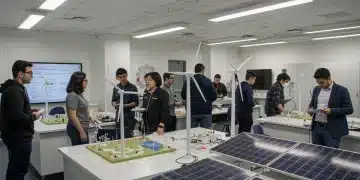
Early 2026 has seen a concerted effort from academic institutions, industry associations, and private training providers to bridge this gap. Their focus has been on developing programs that are not only technically rigorous but also relevant to the immediate needs of the industry, offering practical skills that can be applied directly in the workplace. This includes a strong emphasis on hands-on training, real-world case studies, and collaborative projects, moving away from purely theoretical approaches.
Key Trends in 2026 Clean Energy Education Launches
Micro-credentials and Modular Learning
One of the most significant trends in the new wave of clean energy education is the proliferation of micro-credentials and modular learning pathways. Recognizing that professionals often need to upskill or reskill in specific areas without committing to lengthy degree programs, institutions are offering bite-sized courses and certifications that focus on niche topics. These might include a certificate in ‘Solar PV System Design and Installation for Commercial Buildings,’ or a module on ‘Advanced Geothermal Well Drilling Techniques.’
This approach offers unparalleled flexibility, allowing professionals to tailor their learning journeys to their career goals and the evolving demands of the market. It also makes continuous learning more accessible, as individuals can acquire new skills incrementally, often through online platforms that can be accessed anytime, anywhere. This shift is particularly beneficial for mid-career professionals looking to transition into the clean energy sector or specialize further within it.
Emphasis on Digital Skills and Data Analytics
The clean energy industry is increasingly data-driven. From optimizing wind turbine performance using predictive analytics to managing complex smart grids with artificial intelligence, digital skills are becoming indispensable. New clean energy education programs launched in early 2026 heavily integrate modules on data science, machine learning, IoT (Internet of Things) for energy systems, and cybersecurity for critical infrastructure.
Professionals are being trained not just to operate clean energy technologies but also to interpret the vast amounts of data they generate, using insights to improve efficiency, reduce costs, and enhance reliability. This focus on digital literacy ensures that the workforce is equipped to leverage the full potential of advanced technologies in the clean energy transition.
Interdisciplinary and Holistic Approaches
As mentioned earlier, the clean energy sector demands a holistic understanding. The new educational resources reflect this by adopting more interdisciplinary approaches. Programs are now commonly integrating aspects of environmental policy, energy economics, project management, and community engagement alongside core engineering and technical skills. This ensures that graduates are not just technical experts but also well-rounded professionals capable of navigating the complex social, economic, and regulatory landscapes of clean energy projects.
For example, a new ‘Sustainable Energy Project Development’ master’s program might include courses on environmental law, financial modeling for renewables, and stakeholder communication, alongside traditional power systems engineering. This comprehensive training prepares professionals for leadership roles where they need to consider the broader implications of their work.
Spotlight on New Certifications and Training Programs (Early 2026)
Let’s take a closer look at some of the specific new offerings that have made a splash in early 2026, significantly enhancing the landscape of clean energy education:
1. Advanced Green Hydrogen Production & Application Specialist Certification
Green hydrogen is widely regarded as a pivotal component in decarbonizing hard-to-abate sectors like heavy industry and long-haul transport. Recognizing its growing importance, several leading technical institutes have launched the ‘Advanced Green Hydrogen Production & Application Specialist Certification.’ This program covers everything from electrolysis technologies and renewable energy integration for hydrogen production to storage, distribution, and end-use applications in fuel cells and industrial processes.
The certification is designed for engineers, technicians, and project managers looking to specialize in this nascent but rapidly expanding field. It often includes practical modules on safety protocols, regulatory compliance, and economic feasibility studies for green hydrogen projects.
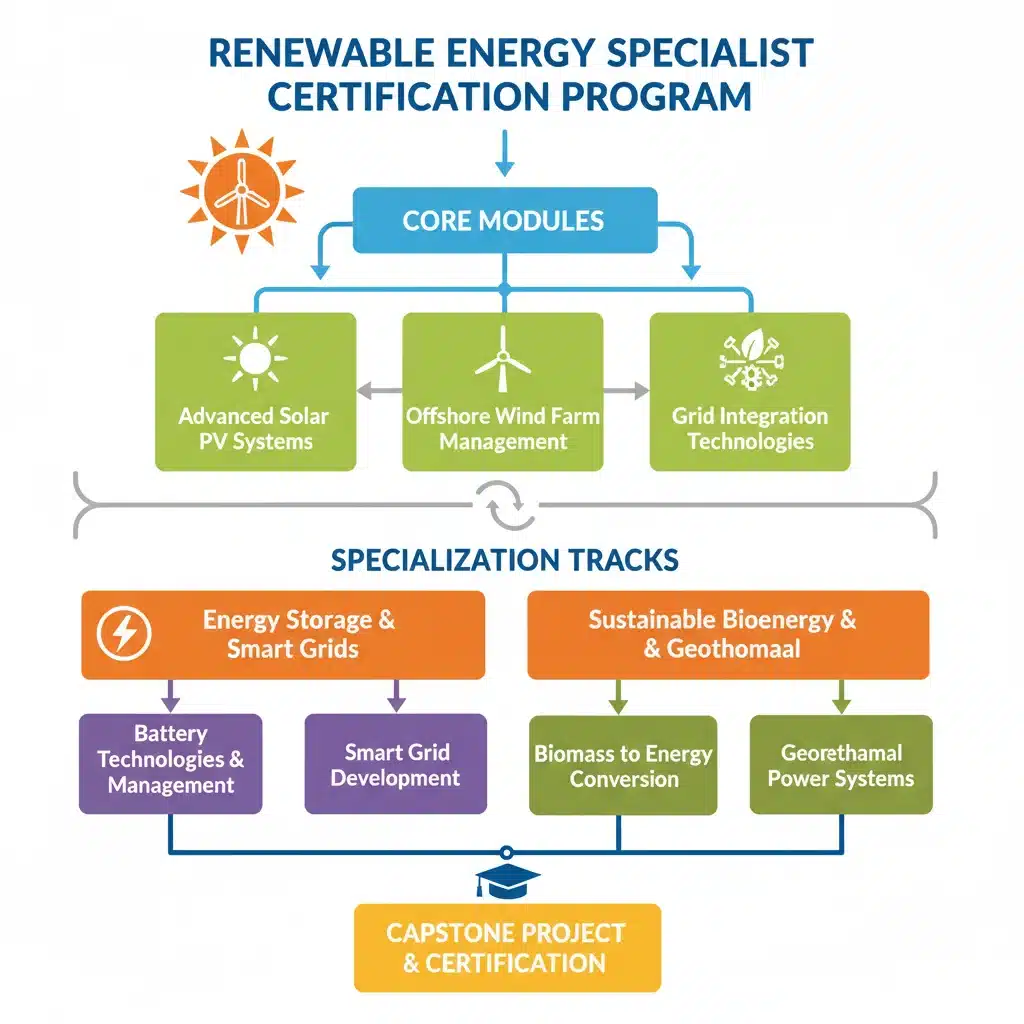
2. Offshore Wind Farm Operations and Maintenance (O&M) Diploma
With the global expansion of offshore wind capacity, the need for highly specialized O&M professionals is critical. A new ‘Offshore Wind Farm Operations and Maintenance (O&M) Diploma’ has been introduced by a consortium of maritime academies and energy companies. This diploma provides in-depth training on the unique challenges of maintaining offshore assets, including advanced turbine diagnostics, subsea cable repair, marine logistics, and harsh weather operational procedures.
The program often incorporates simulator training and, where possible, hands-on experience at operational offshore wind farms, ensuring graduates are job-ready for this demanding environment. This specialized clean energy education is crucial for ensuring the long-term viability and efficiency of these large-scale energy projects.
3. Smart Grid & Energy Storage Integration Professional Certificate
The modernization of electricity grids and the integration of diverse energy storage solutions are central to achieving a resilient and sustainable power system. The ‘Smart Grid & Energy Storage Integration Professional Certificate’ addresses this by equipping professionals with the skills to design, implement, and manage smart grid technologies, including advanced metering infrastructure (AMI), demand-side management (DSM) systems, and various battery energy storage systems (BESS).
This certificate is particularly valuable for electrical engineers, utility professionals, and IT specialists working at the intersection of energy and digital technology. It emphasizes practical applications, including case studies on successful grid modernization projects and hands-on exercises with smart grid simulation software.
4. Carbon Capture, Utilization, and Storage (CCUS) Engineering Masterclass
As part of a broader strategy to mitigate climate change, CCUS technologies are gaining traction. A ‘CCUS Engineering Masterclass’ has been launched by several research universities in collaboration with industrial partners. This advanced program delves into the chemical engineering principles behind carbon capture, transportation, and geological storage, as well as innovative utilization pathways for captured CO2.
Aimed at chemical, environmental, and petroleum engineers, this masterclass provides a deep dive into the technical intricacies and regulatory frameworks surrounding CCUS projects, positioning participants at the forefront of this crucial climate solution within the realm of clean energy education.
The Role of Online Learning and Virtual Reality
The new educational resources launched in early 2026 heavily leverage online learning platforms and immersive technologies like Virtual Reality (VR) and Augmented Reality (AR). This shift is not just about convenience; it’s about enhancing the learning experience and making it more accessible and effective.
Democratizing Access through Online Platforms
Online courses and MOOCs (Massive Open Online Courses) have democratized access to high-quality clean energy education, allowing individuals from diverse geographical locations and socio-economic backgrounds to participate. The 2026 launches feature sophisticated online learning management systems that offer interactive modules, virtual labs, peer-to-peer learning communities, and personalized feedback. This ensures that the online experience is as engaging and effective as traditional in-person instruction, if not more so for some learning styles.
Immersive Training with VR/AR
For hands-on skills that are critical in the clean energy sector, VR and AR are proving to be game-changers. Instead of expensive and logistically challenging field trips to power plants or wind farms, professionals can now experience realistic simulations from anywhere. New programs utilize VR for training in complex tasks such as:
- Wind Turbine Maintenance: Trainees can practice climbing towers, inspecting blades, and performing repairs in a safe, virtual environment.
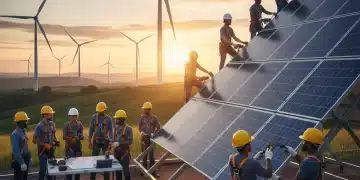
- Solar Farm Installation: Simulating the layout, wiring, and connection of large-scale solar arrays.
- Grid Operations: Practicing responses to power outages or system anomalies in a virtual control room.
These immersive technologies reduce training costs, minimize risks, and allow for repeated practice until mastery is achieved, significantly boosting the effectiveness of clean energy education.
Partnerships and Collaboration: A Driving Force
A notable characteristic of the new educational resources in early 2026 is the strong emphasis on partnerships. Collaborations between academic institutions, industry leaders, government agencies, and non-profit organizations are becoming the norm. These partnerships ensure that the curricula are directly aligned with industry needs and that graduates possess the skills employers are actively seeking.
Industry partners often contribute by providing real-world case studies, guest lecturers, internship opportunities, and access to cutting-edge equipment. Academic institutions bring their pedagogical expertise and research capabilities. Government agencies and non-profits often provide funding, policy insights, and help disseminate these educational opportunities to a wider audience.
This collaborative ecosystem fosters a dynamic learning environment where theoretical knowledge is seamlessly integrated with practical application, making the clean energy education more robust and relevant.
Challenges and Future Outlook
While the influx of new clean energy education resources in early 2026 is highly encouraging, challenges remain. Ensuring equitable access to these high-quality programs, particularly in developing regions, is crucial. The high cost of some specialized training and certifications can be a barrier for many, necessitating increased scholarship opportunities and government funding.
Furthermore, the rapid pace of technological change means that educational programs must be continuously updated. This requires ongoing investment in curriculum development, faculty training, and technological infrastructure. The clean energy sector needs an agile and responsive educational framework that can adapt quickly to new innovations and market demands.
Looking ahead, the future of clean energy education is bright. We can expect to see even greater integration of AI-powered personalized learning, predictive analytics to identify emerging skill gaps, and expanded global collaborations. The goal is to build a highly skilled, adaptable, and diverse workforce that can accelerate the global transition to a sustainable energy future.
Conclusion
Early 2026 has marked a pivotal moment for clean energy education, with a wealth of new resources launching to meet the escalating demands of a rapidly transforming industry. From specialized certifications in green hydrogen and offshore wind to comprehensive programs integrating smart grid technologies and CCUS, these initiatives are equipping professionals with the critical skills needed to drive innovation and implementation.
The embrace of modular learning, digital skills, interdisciplinary approaches, and immersive technologies like VR/AR signifies a forward-thinking approach to professional development. Coupled with robust partnerships between academia and industry, these new educational offerings are not just filling a skills gap; they are actively shaping a future where the clean energy workforce is more competent, adaptable, and ready to tackle the complex challenges of climate change and energy transition. For anyone looking to enter or advance within the clean energy sector, these recent updates represent an invaluable opportunity to gain a competitive edge and contribute meaningfully to a sustainable world.