Clean Energy STEM Education: 4 Pillars for 2025 Program Success
To ensure future workforce readiness, effective Clean Energy STEM Education in 2025 must prioritize dynamic curriculum, experiential learning, robust industry collaboration, and policy-responsive program design, crucial for navigating the evolving green economy.
The global transition to a clean energy economy is not merely an environmental imperative; it is a profound economic and social transformation. This shift demands a highly skilled workforce, proficient in the intricate science, technology, engineering, and mathematics (STEM) principles that underpin renewable energy systems. As educators and policymakers look towards 2025 and beyond, understanding the foundational elements of effective Clean Energy STEM Education becomes paramount. It’s about more than just teaching concepts; it’s about cultivating innovators, problem-solvers, and leaders ready to tackle the complex challenges of a sustainable future. The success of these programs hinges on strategic development that integrates cutting-edge knowledge with practical application, preparing students for real-world contributions.
Pillar 1: Dynamic and Interdisciplinary Curriculum Design
Developing a curriculum for Clean Energy STEM Education that remains relevant in a rapidly evolving field requires foresight and flexibility. It’s not enough to simply add a few renewable energy topics to existing courses; a truly effective program integrates interdisciplinary knowledge, reflecting the complex nature of clean energy challenges. This means weaving together principles from physics, chemistry, computer science, engineering, and even economics and policy studies.
The curriculum must be living, breathing document, constantly updated to reflect technological advancements, market demands, and emerging research. This proactive approach ensures that students are learning with the most current tools and methodologies, preparing them for jobs that may not even exist today. Furthermore, incorporating ethical considerations and the societal impact of clean energy solutions fosters a holistic understanding of their role in the world.
Integrating Core STEM Disciplines
A truly dynamic curriculum transcends traditional departmental silos. For instance, understanding solar panel efficiency involves not only physics but also material science; optimizing grid integration demands advanced computational modeling and data analytics. Programs should be designed to highlight these connections explicitly, showing students how different STEM fields converge to solve real-world problems.
- Physics and Engineering: Fundamentals of energy conversion, thermodynamics, fluid dynamics for wind, hydro, and geothermal systems.
- Chemistry and Material Science: Development of advanced battery technologies, fuel cells, and efficient photovoltaic materials.
- Computer Science and Data Analytics: Smart grid management, energy forecasting, and optimization algorithms.
- Environmental Science: Life cycle assessment of clean energy technologies, ecological impacts, and sustainability metrics.
Future-Proofing Content and Skills
The clean energy sector is characterized by rapid innovation. Curricula must anticipate future trends, such as advanced energy storage, carbon capture technologies, and decentralized energy systems. Emphasizing foundational problem-solving skills, critical thinking, and adaptability will equip students to navigate this ever-changing landscape, rather than just memorizing current solutions.
By focusing on these adaptable skills, students are better prepared for continuous learning and professional development throughout their careers. This approach moves beyond rote memorization, encouraging deep understanding and the ability to apply knowledge to novel situations. A future-proofed curriculum is a cornerstone of effective Clean Energy STEM Education.
Pillar 2: Experiential Learning and Hands-On Training
Theoretical knowledge, while essential, is insufficient in preparing students for the practical demands of the clean energy sector. Experiential learning, through labs, field trips, internships, and project-based learning, is crucial for bridging the gap between classroom concepts and real-world application. This hands-on approach builds confidence, develops practical skills, and exposes students to the actual challenges and opportunities within the industry.
Programs that prioritize direct engagement with clean energy technologies, from building small-scale models to participating in large-scale installations, offer invaluable insights. Such experiences solidify understanding, foster teamwork, and ignite a passion for innovation. The tactile nature of working with these systems helps students grasp complex principles more intuitively.
Developing Practical Skills Through Labs and Projects
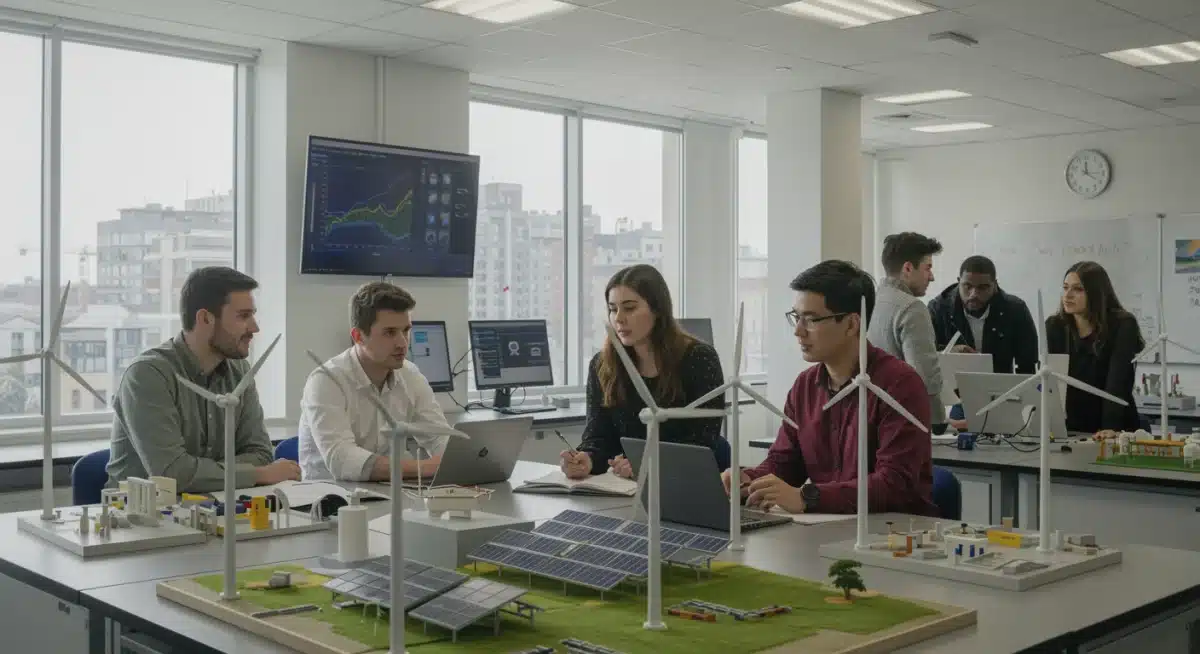
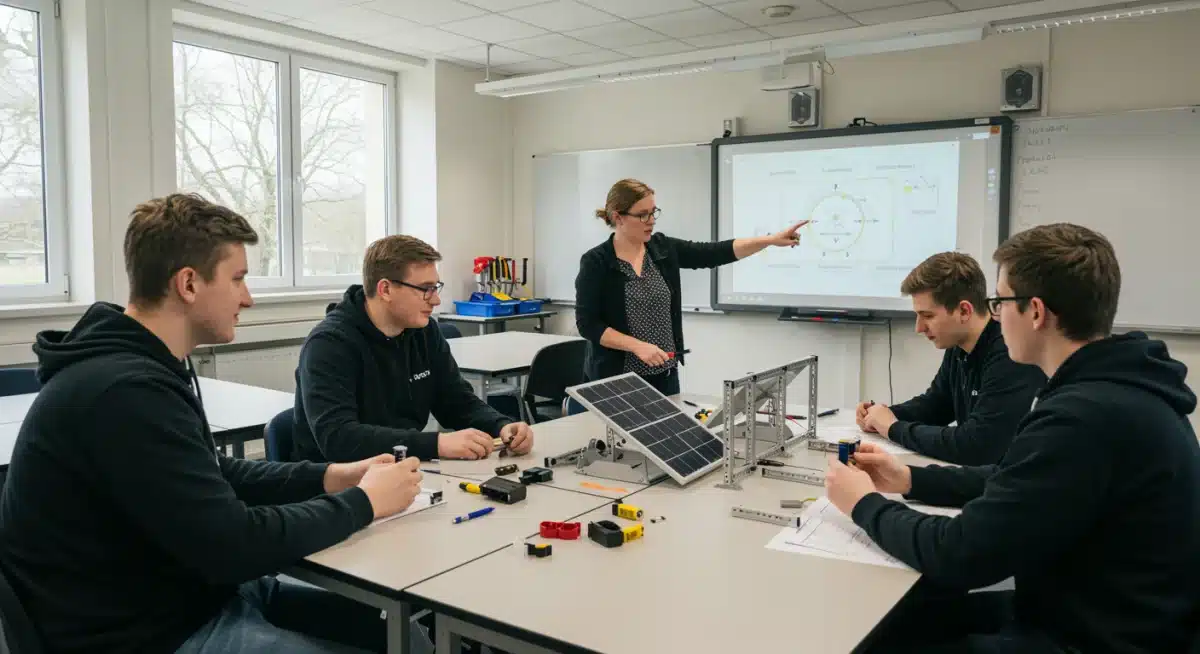
Well-equipped laboratories are non-negotiable for effective Clean Energy STEM Education. These labs should allow students to experiment with solar panels, wind turbines, fuel cells, and energy management systems. Project-based learning, where students design, build, and test their own clean energy solutions, further deepens their understanding and problem-solving abilities.
- Solar PV Installation and Maintenance: Hands-on experience with panel wiring, inverter setup, and system diagnostics.
- Wind Turbine Design and Optimization: Building and testing small-scale wind turbine models, analyzing aerodynamic efficiency.
- Energy Storage Systems: Experimenting with different battery chemistries, charge controllers, and grid integration.
- Smart Grid Simulations: Using software to model and optimize energy distribution in a smart grid environment.
Internships and Field Experiences
Internships with clean energy companies, utilities, and research institutions provide students with direct exposure to professional environments. These experiences offer mentorship, networking opportunities, and a chance to apply their academic learning to real industry problems. Field trips to operational solar farms, wind parks, or energy storage facilities offer a broader perspective on the scale and complexity of clean energy projects.
These real-world engagements are often the most impactful part of a student’s education, solidifying career aspirations and providing invaluable professional connections. They also help students understand the diverse roles available within the clean energy sector, from engineering and R&D to project management and policy analysis.
Pillar 3: Robust Industry and Community Partnerships
Collaboration between educational institutions, industry leaders, and local communities is a cornerstone of successful Clean Energy STEM Education. These partnerships ensure that curricula remain aligned with industry needs, provide students with relevant opportunities, and help drive regional economic development. Industry partners can offer invaluable insights into skill gaps, technological trends, and potential career pathways.
Beyond curriculum development, these collaborations can manifest in various forms, from guest lectures and mentorship programs to joint research initiatives and equipment donations. Engaging with the community also helps foster public understanding and acceptance of clean energy technologies, creating a supportive ecosystem for students entering the field.
Bridging the Skills Gap with Industry Input
Regular dialogue with clean energy companies is essential to identify the specific skills and competencies required for entry-level and advanced positions. This feedback loop allows educational programs to tailor their offerings, ensuring graduates are workforce-ready upon completion. Industry experts can also serve on advisory boards, providing strategic guidance for program direction.
- Curriculum Review: Industry professionals reviewing course content to ensure relevance and accuracy.
- Guest Speakers and Workshops: Bringing real-world expertise into the classroom, sharing case studies and career advice.
- Mentorship Programs: Connecting students with industry professionals for guidance and career development.
- Equipment Donations and Access: Providing educational institutions with access to cutting-edge tools and technologies.
Community Engagement and Outreach
Effective Clean Energy STEM Education extends beyond the classroom to engage the broader community. Outreach programs, public workshops, and collaborative projects with local organizations can raise awareness about clean energy, inspire younger students, and build a pipeline for future talent. This community focus also emphasizes the local impact and benefits of clean energy initiatives.
By involving the community, programs can create a more robust support system for clean energy adoption and innovation. This can include working with local governments on sustainability projects or partnering with non-profits to educate the public on energy efficiency. Such initiatives demonstrate the practical application of STEM skills for societal benefit.
Pillar 4: Policy Alignment and Funding Mechanisms
The success and sustainability of Clean Energy STEM Education programs are heavily influenced by supportive policy frameworks and robust funding mechanisms. Government policies at local, state, and federal levels can create incentives for program development, workforce training, and research. Understanding and actively engaging with these policies is vital for educators and program developers.
Adequate and sustained funding is critical for investing in infrastructure, attracting qualified faculty, and providing scholarships for students. Without strategic financial support, even the most innovative programs can struggle to achieve their full potential. This pillar highlights the external factors that shape the educational landscape.
Navigating Government Policies and Regulations
Staying abreast of clean energy policies, such as renewable portfolio standards, tax incentives for green technologies, and workforce development grants, is crucial. Programs can be designed to address the specific needs created by these policies, ensuring that graduates are prepared for roles in a policy-driven market. Advocacy for supportive legislation can also benefit the entire educational ecosystem.
For example, understanding federal initiatives like the Inflation Reduction Act’s provisions for clean energy manufacturing and deployment can inform curriculum development, highlighting specific skill sets in demand. State-level policies on energy efficiency or electric vehicle infrastructure also create unique opportunities for specialized training programs.
Securing Sustainable Funding and Resources
Diverse funding sources are essential for long-term program viability. This includes federal grants (e.g., from the Department of Energy, NSF), state appropriations, private foundation grants, and industry sponsorships. Developing strong grant-writing capabilities and fostering relationships with potential funders are key activities for program leaders.
- Federal Grants: Applying for competitive grants focused on STEM education, workforce development, and clean energy research.
- State Initiatives: Leveraging state-level funding for vocational training, community college programs, and university research.
- Corporate Partnerships: Securing sponsorships, equipment donations, and research funding from clean energy companies.
- Philanthropic Support: Engaging with foundations and individual donors passionate about sustainability and education.
Pillar 5: Diversity, Equity, and Inclusion in Clean Energy STEM
Ensuring that Clean Energy STEM Education is accessible and equitable for all populations is not just a matter of social justice, but a strategic necessity. The clean energy transition requires a broad range of perspectives and talents, and excluding any group limits innovation and slows progress. Programs must actively work to dismantle barriers and create inclusive environments that welcome students from diverse backgrounds.
This pillar emphasizes the importance of representation, cultural competency, and tailored support systems to ensure that everyone has the opportunity to contribute to the green economy. A diverse workforce brings varied experiences and approaches to problem-solving, leading to more robust and creative solutions for complex energy challenges.
Promoting Access and Representation
Initiatives to recruit and retain students from underrepresented groups—including women, minorities, and low-income individuals—are vital. This might involve scholarships, outreach to underserved communities, and creating welcoming and supportive learning environments. Addressing systemic biases within STEM education helps to broaden the talent pool significantly.
Early engagement programs, starting in K-12, can inspire interest in clean energy careers among diverse student populations. Creating role models and showcasing successful professionals from varied backgrounds can also motivate students who might not otherwise consider STEM fields. Accessibility, both physical and intellectual, is paramount.
Cultivating Inclusive Learning Environments
Beyond recruitment, it’s crucial to foster an academic culture where all students feel valued, respected, and empowered to succeed. This includes promoting inclusive teaching practices, offering mentorship, and providing academic and social support services. Addressing issues of belonging and psychological safety can significantly improve retention rates among diverse student bodies.
- Mentorship Programs: Pairing students from underrepresented groups with faculty or industry mentors.
- Bias Training: Educating faculty and staff on unconscious bias and inclusive pedagogical strategies.
- Student Support Networks: Establishing peer support groups and affinity organizations for diverse student populations.
- Culturally Relevant Pedagogy: Incorporating examples and case studies that resonate with diverse cultural backgrounds.
By intentionally focusing on diversity, equity, and inclusion, Clean Energy STEM Education programs can not only fulfill ethical obligations but also strengthen the future clean energy workforce with a richer tapestry of talent and perspectives. This strategic approach ensures that the benefits of the clean energy transition are shared broadly across society.
Pillar 6: Assessment, Evaluation, and Continuous Improvement
Effective Clean Energy STEM Education programs are not static; they are continuously evaluated and refined based on measurable outcomes and feedback. The final pillar focuses on establishing robust assessment frameworks, gathering data on student learning and career trajectories, and using this information to drive ongoing improvement. This cyclical process ensures that programs remain relevant, impactful, and responsive to evolving needs.
Without clear metrics and regular evaluation, it’s difficult to ascertain the true effectiveness of educational initiatives. A commitment to continuous improvement means being open to change, adapting strategies, and consistently seeking ways to enhance the student experience and program outcomes. This iterative process is key to long-term success.
Measuring Program Effectiveness and Student Outcomes
Developing clear learning objectives and corresponding assessment methods is fundamental. This includes evaluating student mastery of technical skills, critical thinking abilities, and problem-solving approaches. Tracking graduate employment rates in the clean energy sector, salary levels, and employer satisfaction provides invaluable feedback on workforce readiness.
- Learning Outcomes Assessment: Using rubrics, exams, and project evaluations to measure student competency.
- Alumni Surveys: Gathering feedback from graduates on career progression and the relevance of their education.
- Employer Feedback: Soliciting input from employers on the skills and preparedness of program graduates.
- Program Accreditation and Review: Participating in external reviews to ensure quality and adherence to standards.
Feedback Loops and Adaptive Strategies
Establishing effective feedback loops with students, faculty, industry partners, and alumni is critical for identifying areas for improvement. This data should then be used to inform curricular revisions, pedagogical adjustments, and resource allocation. An adaptive strategy allows programs to quickly respond to new technologies, market shifts, or changing student needs.
Regular program reviews, faculty development workshops, and student focus groups are all mechanisms for gathering this crucial feedback. By embracing a culture of continuous improvement, Clean Energy STEM Education programs can ensure they are always delivering the highest quality and most relevant training for the future clean energy workforce. This commitment to excellence is what distinguishes leading programs.
| Key Pillar | Brief Description |
|---|---|
| Dynamic Curriculum | Interdisciplinary, continuously updated to reflect technological advancements and market needs. |
| Experiential Learning | Hands-on training, labs, internships, and project-based learning for practical skill development. |
| Industry Partnerships | Collaboration with industry and community to align curriculum with workforce demands and provide opportunities. |
| Policy & Funding | Alignment with government policies and securing diverse funding for sustainable program growth. |
Frequently Asked Questions About Clean Energy STEM Education
The primary goal is to cultivate a highly skilled workforce proficient in STEM principles, capable of innovating and problem-solving within the rapidly evolving clean energy sector, ensuring a sustainable future. It focuses on preparing students for real-world contributions to the green economy.
Clean energy challenges are inherently complex, requiring knowledge from multiple STEM fields like physics, chemistry, engineering, and computer science. An interdisciplinary curriculum ensures students gain a holistic understanding and can connect various concepts to develop comprehensive solutions.
Experiential learning, through labs, internships, and projects, bridges the gap between theory and practice. It develops practical skills, builds confidence, exposes students to industry challenges, and solidifies understanding of complex clean energy technologies, making them job-ready.
Industry partnerships are vital for aligning curricula with current market needs, identifying skill gaps, and providing students with real-world opportunities like internships. They ensure programs produce graduates equipped with the most relevant and in-demand skills for the clean energy sector.
Diversity ensures a broader range of perspectives and talents contribute to innovation, accelerating progress in clean energy. Inclusive environments dismantle barriers, providing equitable opportunities for all, and enriching the workforce with varied experiences and problem-solving approaches.
Conclusion
The strategic development of Clean Energy STEM Education programs is fundamental to securing a sustainable and prosperous future. By focusing on dynamic, interdisciplinary curricula, prioritizing immersive experiential learning, forging robust partnerships with industry and community, and aligning with supportive policies and funding, educational institutions can effectively prepare the next generation of clean energy leaders. Furthermore, a concerted effort towards diversity, equity, and inclusion will ensure that this critical workforce represents the full spectrum of human talent and perspective. Continuous assessment and adaptation will keep these programs at the forefront of innovation, empowering students to drive the clean energy transition forward and make a tangible impact on global sustainability.