EPA Emissions Standards: A Deep Dive into the 2026 Power Plant Regulations
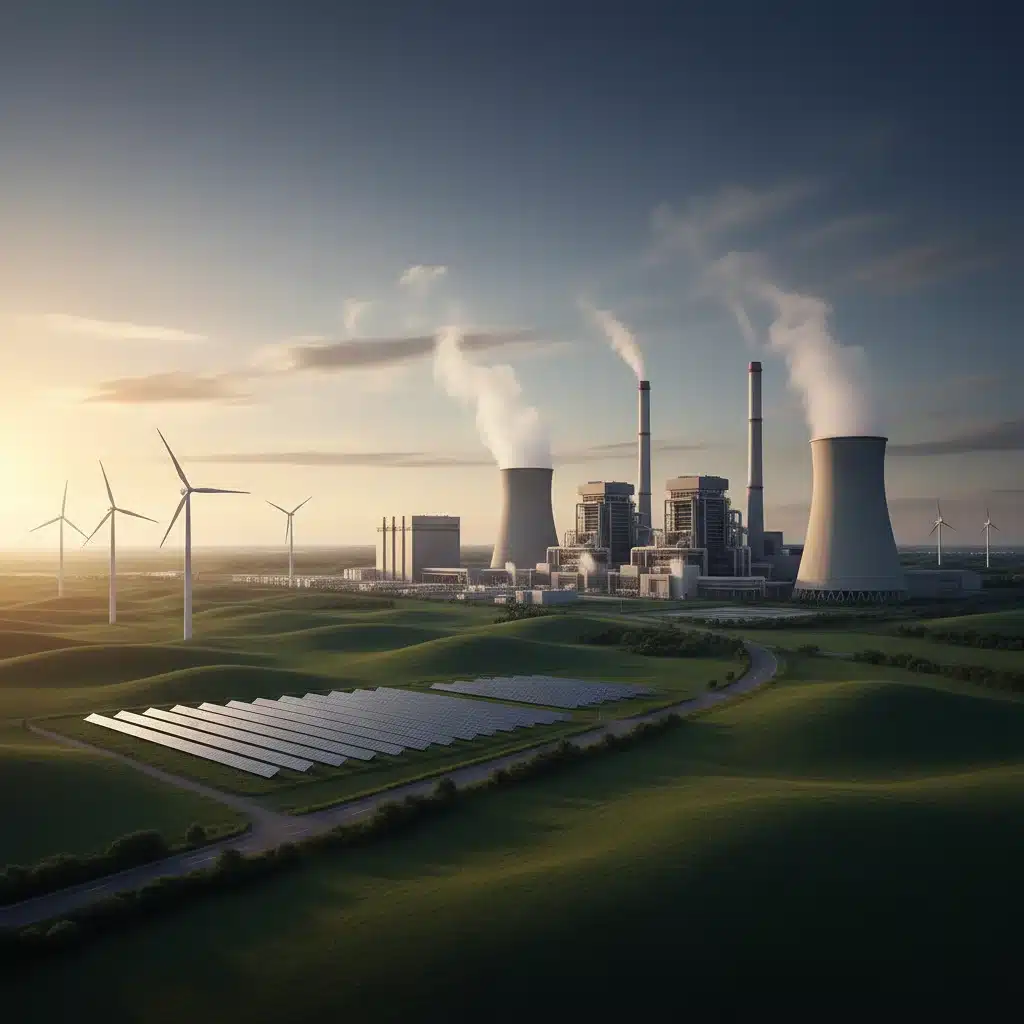
The landscape of energy production in the United States is on the cusp of a transformative change, driven by the Environmental Protection Agency’s (EPA) ambitious new regulations. These regulations, specifically targeting a 25% reduction in emissions from power plants by 2026, represent a pivotal moment in the nation’s ongoing efforts to combat climate change and foster a cleaner energy future. The introduction of these stringent EPA emissions standards is not merely a bureaucratic adjustment; it is a strategic imperative designed to accelerate the transition away from fossil fuels and embrace more sustainable power generation methods. This comprehensive analysis delves into the intricacies of these new standards, exploring their genesis, their anticipated impact on the energy sector, the challenges they present, and the innovative solutions emerging to meet these critical environmental goals.
For decades, power plants have been significant contributors to greenhouse gas emissions, particularly carbon dioxide, which is a primary driver of global warming. The urgency of addressing these emissions has grown exponentially, fueled by increasing scientific consensus on climate change and the escalating frequency and intensity of extreme weather events. In response, the EPA has consistently sought to balance energy demands with environmental protection, often navigating complex legal and political terrains. The latest iteration of EPA emissions standards reflects a heightened commitment to decarbonization, setting clear, measurable targets that demand substantial shifts in operational practices and investment strategies across the power generation industry.
Understanding the full scope of these regulations requires an examination of their foundational principles. The EPA’s approach is rooted in the Clean Air Act, which grants the agency the authority to regulate pollutants that endanger public health and welfare. The new standards leverage this authority to mandate significant reductions in pollutants like carbon dioxide, sulfur dioxide, and nitrogen oxides, which not only contribute to climate change but also have detrimental effects on air quality and human health. The 25% reduction target by 2026 is ambitious, yet the EPA believes it is achievable through a combination of proven and emerging technologies, coupled with strategic investments in renewable energy sources. This article will explore how power plants are expected to adapt to these new requirements and what the broader implications are for consumers, industry, and the environment.
The Genesis of the New EPA Emissions Standards
The journey to the 2026 EPA emissions standards is a culmination of years of scientific research, policy debates, and public pressure. The scientific community has consistently provided overwhelming evidence of human-induced climate change, with fossil fuel combustion from power plants being a major culprit. This growing body of evidence has informed policy decisions, leading to a series of regulatory frameworks aimed at curbing emissions. Previous attempts, such as the Clean Power Plan, faced legal challenges and political setbacks, highlighting the contentious nature of climate policy in the United States. However, the current administration has placed a renewed emphasis on environmental protection and climate action, paving the way for these more assertive regulations.
The development of the 2026 standards involved extensive consultations with industry stakeholders, environmental groups, and scientific experts. The EPA utilized a robust process that included public hearings, comment periods, and detailed economic analyses to ensure that the proposed regulations were both technically feasible and economically viable. This collaborative approach aimed to create standards that are effective in achieving environmental goals while minimizing undue burdens on the energy sector. The agency carefully considered various pathways to emissions reduction, including improvements in energy efficiency, increased deployment of renewable energy technologies, and the adoption of advanced pollution control systems.
A key driver behind the 25% reduction target is the recognition that incremental changes are no longer sufficient to address the scale of the climate crisis. The scientific consensus points to the urgent need for rapid and substantial decarbonization across all sectors, with electricity generation being a critical starting point. The EPA’s new standards are designed to send a clear signal to the market: the era of unchecked emissions from power plants is drawing to a close. This regulatory certainty is expected to stimulate innovation and investment in cleaner technologies, ultimately leading to a more sustainable and resilient energy grid. The standards also align with broader international climate commitments, positioning the United States as a leader in global efforts to mitigate climate change.
Understanding the 25% Reduction Target and Its Implications
The core of the new regulations is the mandate for a 25% reduction in emissions from power plants by 2026. This target is not arbitrary; it is based on scientific modeling and an assessment of available technologies and economic realities. The EPA has outlined a flexible framework that allows individual power plants and states to determine the most cost-effective methods for achieving these reductions. This flexibility is crucial, as the energy mix and operational characteristics vary significantly across different regions of the country. Some plants may opt for fuel switching, transitioning from coal to natural gas or biomass, while others may invest in carbon capture technologies or enhance their energy efficiency.
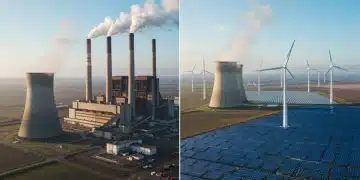
The implications of this target are far-reaching. For coal-fired power plants, which have historically been the largest emitters, the standards will necessitate significant upgrades or, in some cases, accelerated retirement. Many older, less efficient coal plants may find it economically unfeasible to comply, leading to their decommissioning. This trend is already underway, driven by economic factors and competition from cheaper natural gas and renewable energy. The new EPA emissions standards will undoubtedly hasten this transition, reshaping the energy landscape in profound ways.
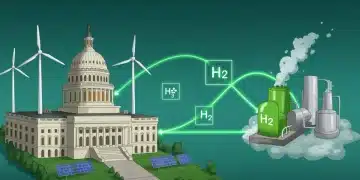
Natural gas-fired power plants, while generally cleaner than coal, will also face scrutiny. The regulations may encourage the adoption of more efficient combined-cycle gas turbines and, in the long term, the exploration of hydrogen as a clean fuel source. The emphasis on carbon reduction extends beyond just CO2, encompassing other potent greenhouse gases and traditional air pollutants. This holistic approach aims to deliver multiple environmental and public health benefits. Furthermore, the standards are expected to spur massive investments in renewable energy infrastructure, including solar, wind, and geothermal power, as these sources offer a compliant and increasingly cost-effective pathway to meet electricity demand.
Challenges and Opportunities for the Energy Sector
While the new EPA emissions standards present a clear path towards a cleaner future, they also pose significant challenges for the energy sector. One of the primary concerns is the capital investment required to upgrade existing facilities or construct new, compliant power generation assets. Power plant operators will need to allocate substantial financial resources towards implementing new technologies, retrofitting existing infrastructure, or investing in renewable energy projects. This financial burden could be particularly challenging for smaller utilities or those heavily reliant on fossil fuels.
Another challenge lies in the technological readiness and deployment speed of advanced emissions control systems. While technologies like carbon capture, utilization, and storage (CCUS) show great promise, their widespread commercial deployment is still evolving. Scaling up these technologies to meet the 2026 deadline will require concerted effort, supportive policies, and significant private and public investment. There are also concerns about the availability of skilled labor to design, build, and operate these new systems, highlighting the need for workforce development initiatives.
Despite these hurdles, the new standards also unlock immense opportunities. The drive for decarbonization is a powerful catalyst for innovation. Companies that can develop and implement cost-effective emissions reduction solutions stand to gain a significant competitive advantage. This includes manufacturers of advanced pollution control equipment, developers of renewable energy technologies, and providers of energy efficiency solutions. The shift towards cleaner energy will create new jobs, stimulate economic growth in green sectors, and attract foreign investment.
Moreover, meeting the EPA emissions standards can enhance energy security by diversifying the energy mix and reducing reliance on volatile fossil fuel markets. A grid powered by a mix of renewable sources is inherently more resilient to supply chain disruptions and geopolitical events. For states and utilities, embracing these standards can also lead to improved public health outcomes through cleaner air, reducing healthcare costs and improving quality of life for communities affected by power plant emissions.
Pathways to Compliance: Strategies and Technologies
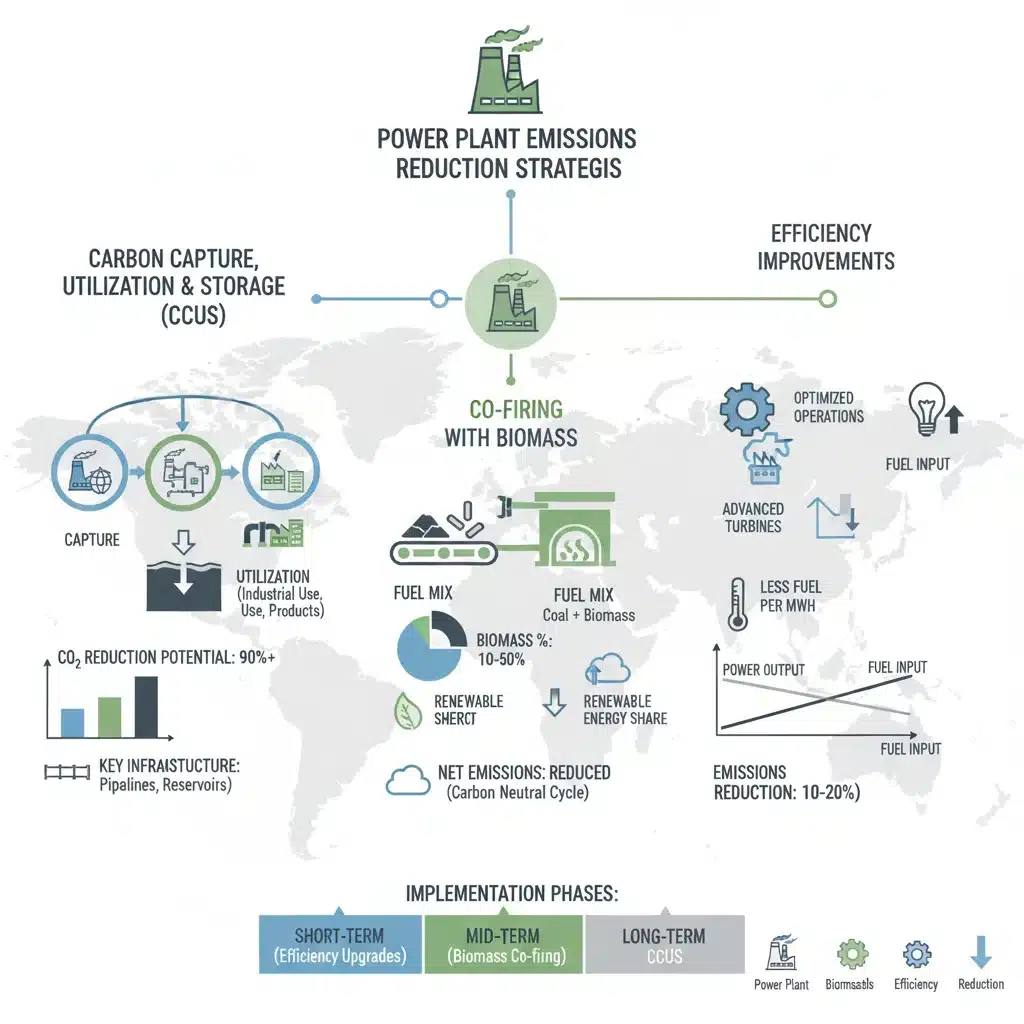
Achieving a 25% emissions reduction by 2026 will require a multifaceted approach, combining various strategies and technologies. Power plant operators will need to carefully assess their current infrastructure, operational costs, and regional energy demands to formulate an optimal compliance plan. Several key pathways are expected to dominate the industry’s response to the new EPA emissions standards.
1. Fuel Switching and Modernization
One of the most immediate and impactful strategies is fuel switching. Many coal-fired power plants can be converted to run on natural gas, which produces significantly fewer carbon emissions and other pollutants. While natural gas is still a fossil fuel, it serves as a bridge fuel in the transition to fully renewable systems. Additionally, some plants may explore co-firing with biomass, a renewable organic material, to reduce their carbon footprint. Modernization efforts, such as upgrading turbines and boilers, can also improve efficiency and reduce fuel consumption, thereby lowering emissions.
2. Carbon Capture, Utilization, and Storage (CCUS)
For power plants that continue to rely on fossil fuels, CCUS technologies offer a promising solution. These systems capture carbon dioxide emissions before they are released into the atmosphere, allowing for their permanent storage underground or their utilization in industrial processes. While CCUS is still relatively expensive and energy-intensive, ongoing research and development are driving down costs and improving efficiency. Government incentives and regulatory mandates, like the new EPA emissions standards, are critical for accelerating the deployment of CCUS at scale.
3. Renewable Energy Integration
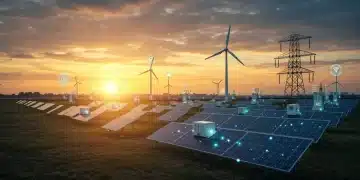
The most sustainable pathway to compliance involves increasing the share of renewable energy sources in the electricity mix. Solar and wind power have become increasingly cost-competitive, and their deployment is expanding rapidly. Utilities can invest directly in new renewable energy projects, purchase renewable energy credits (RECs), or enter into power purchase agreements (PPAs) with renewable energy developers. The intermittent nature of renewables necessitates investments in energy storage solutions, such as large-scale batteries, and improvements in grid infrastructure to ensure reliability.
4. Energy Efficiency and Demand-Side Management
Reducing overall electricity demand is another effective way to lower emissions. Energy efficiency programs, which encourage consumers and businesses to use less electricity, can significantly reduce the need for power generation. Demand-side management strategies, such as smart grid technologies and time-of-use pricing, can help shift electricity consumption away from peak hours, reducing the reliance on less efficient, high-emitting peaker plants. These measures not only contribute to emissions reductions but also lower energy costs for consumers.
5. Advanced Nuclear Power
Nuclear power, a carbon-free source of electricity, can play a vital role in meeting the new EPA emissions standards. While new large-scale nuclear plants face challenges related to cost and construction timelines, advanced nuclear technologies, such as small modular reactors (SMRs), offer a more flexible and potentially more affordable option. SMRs can be deployed incrementally and are designed with enhanced safety features, making them an attractive option for decarbonizing the grid.
Economic Impact and Investment Opportunities
The introduction of stringent EPA emissions standards will undoubtedly have a profound economic impact, creating both challenges and significant investment opportunities. The clean energy transition is projected to drive substantial capital flows into new infrastructure, technologies, and services. Analysts predict a boom in sectors related to renewable energy, energy storage, smart grid technologies, and advanced pollution control.
Utilities and independent power producers will need to make strategic decisions regarding their asset portfolios. This may involve divesting from older, high-emitting plants and investing in modern, compliant facilities. The financial sector will play a crucial role in facilitating this transition, providing capital for green bonds, project financing for renewable energy developments, and loans for technology upgrades. Government incentives, such as tax credits and grants, will also be vital in de-risking investments and accelerating deployment.
The job market will also experience a shift. While some jobs in traditional fossil fuel industries may decline, there will be a surge in demand for skilled workers in renewable energy installation, manufacturing, maintenance, and research and development. This necessitates robust training and education programs to equip the workforce with the necessary skills for the green economy. The long-term economic benefits include reduced healthcare costs from improved air quality, enhanced energy independence, and the potential for the United States to become a global leader in clean energy technology.
The Role of Policy and Regulation in Driving Change
Effective policy and robust regulation are indispensable for driving the scale and pace of change required to meet ambitious environmental targets like the 2026 EPA emissions standards. Beyond setting the standards themselves, government policies can create a supportive environment for compliance and innovation.
Carbon pricing mechanisms, such as carbon taxes or cap-and-trade systems, can provide an economic incentive for emissions reductions, making cleaner energy more competitive. Investment tax credits and production tax credits for renewable energy projects have proven highly effective in accelerating the deployment of solar and wind power. Research and development funding is also crucial for advancing nascent technologies like CCUS and advanced energy storage.
Furthermore, streamlined permitting processes for clean energy projects can significantly reduce development timelines and costs. Inter-agency coordination and collaboration between federal, state, and local governments are essential to ensure a coherent and effective approach to climate action. The EPA’s role extends beyond enforcement; it also involves providing technical assistance, guidance, and resources to help states and utilities navigate the complexities of compliance.

Case Studies and Success Stories
While the 2026 deadline might seem challenging, there are numerous examples and ongoing projects that demonstrate the feasibility of achieving significant emissions reductions. Many utilities have already committed to aggressive decarbonization targets, often exceeding federal mandates. For instance, several major power companies have announced plans to achieve net-zero emissions by mid-century, driven by a combination of regulatory pressure, investor demand, and corporate sustainability goals.
One notable success story involves the rapid expansion of solar and wind energy in various states. Policies supporting renewable portfolio standards (RPS) have incentivized utilities to source a certain percentage of their electricity from renewables, leading to substantial investments and technological advancements. Similarly, pilot projects for CCUS at industrial facilities and power plants are demonstrating the technical viability of carbon capture, paving the way for broader adoption.
These case studies underscore the fact that the transition to a cleaner energy system is not just a theoretical aspiration but a practical reality being implemented across the country. The lessons learned from these pioneering efforts will be invaluable as the entire energy sector works to meet the new EPA emissions standards.
Looking Ahead: The Future of Power Generation
The 2026 EPA emissions standards are a critical milestone in the ongoing transformation of the U.S. power sector. Their implementation will accelerate the shift away from a fossil-fuel-dominated energy landscape towards one increasingly powered by clean, renewable sources. This transition is not without its complexities, but the long-term benefits for the environment, public health, and economic stability are undeniable.
The future of power generation will be characterized by a diverse mix of technologies, including advanced renewables, energy storage, smart grids, and, potentially, next-generation nuclear power. Innovation will be key, driving down costs and improving the efficiency of clean energy solutions. Policy will continue to play a crucial role, providing the regulatory certainty and incentives needed to foster investment and accelerate deployment.
As the energy sector navigates these changes, collaboration between government, industry, academia, and environmental organizations will be paramount. The collective effort to meet the 25% reduction target by 2026 will set a precedent for future climate action, demonstrating the nation’s commitment to building a sustainable and resilient energy future for generations to come. The journey will be challenging, but the destination – a cleaner, healthier, and more sustainable planet – is well worth the effort.