Solid-State Battery Breakthrough: 50% Faster EV Charging by Mid-2026 in the U.S.
Solid-State Battery Breakthrough: 50% Faster EV Charging by Mid-2026 in the U.S.
The automotive world is on the cusp of a monumental transformation, with electric vehicles (EVs) leading the charge towards a greener future. However, one of the most significant hurdles to widespread EV adoption has consistently been the time it takes to recharge. Range anxiety and long charging durations have deterred many potential buyers, keeping internal combustion engine (ICE) vehicles firmly in the lead for a substantial portion of the market. But what if charging an EV could be as quick as, or even quicker than, filling up a traditional gas tank? This once-distant dream is rapidly becoming a tangible reality, thanks to groundbreaking advancements in battery technology, specifically the advent of solid-state batteries.
A recent announcement has sent ripples of excitement through the industry: a new technology rollout promises that solid-state battery breakthroughs will enable 50% faster EV charging by mid-2026 in the U.S. This isn’t just an incremental improvement; it’s a paradigm shift that could fundamentally redefine the electric vehicle landscape. The implications are vast, touching upon everything from consumer behavior and urban planning to energy infrastructure and global manufacturing. For years, solid-state batteries have been hailed as the ‘holy grail’ of energy storage, offering higher energy density, improved safety, and significantly faster charging capabilities compared to their liquid-electrolyte lithium-ion predecessors. Now, the timeline for their widespread integration and impact on EV charging is becoming clearer and much closer than many anticipated.
This article delves deep into this revolutionary development, exploring the science behind solid-state batteries, the practical benefits of 50% faster EV charging, the challenges that still lie ahead, and the anticipated impact on the U.S. market. We will examine how this solid-state technology could alleviate range anxiety, accelerate the transition to electric vehicles, and reshape our understanding of sustainable transportation. Get ready to witness a new era of electric mobility, where convenience and efficiency take center stage.
The Science Behind the Solid-State Battery Breakthrough
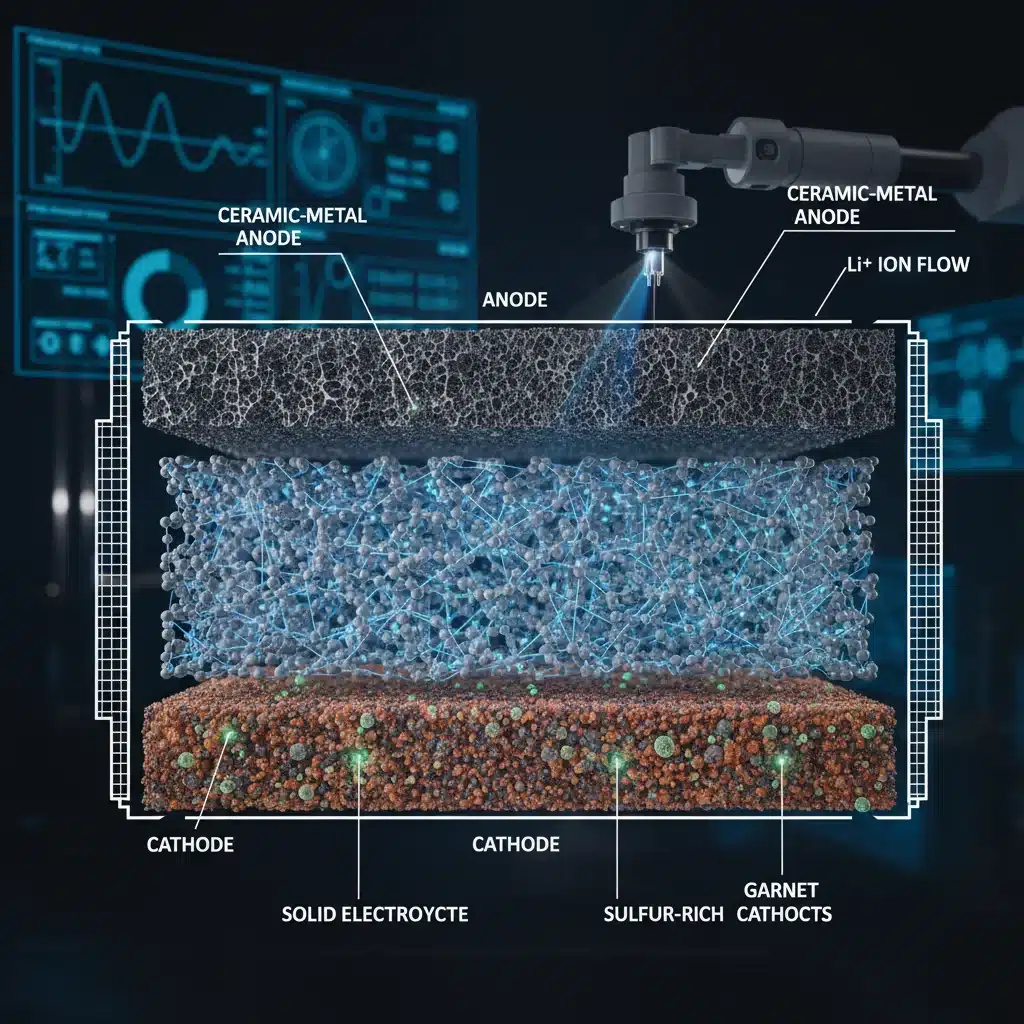
To truly appreciate the significance of 50% faster EV charging, it’s crucial to understand what makes solid-state batteries so revolutionary. Traditional lithium-ion batteries, which power most of today’s EVs, use a liquid electrolyte to transport lithium ions between the anode and cathode during charging and discharging. While effective, this liquid component has several limitations. It can be flammable, leading to safety concerns, and its chemical properties restrict how quickly ions can move, thus limiting charging speeds and energy density.
Solid-state batteries, as their name suggests, replace this liquid electrolyte with a solid material. This solid electrolyte can be made from various materials, including ceramics, polymers, or sulfides. The advantages of this seemingly simple change are profound. Firstly, solid electrolytes are non-flammable, significantly enhancing battery safety and reducing the risk of thermal runaway. This allows for more compact battery designs and potentially higher operating temperatures without compromising safety.
Secondly, and most pertinent to the discussion of solid-state EV charging, solid electrolytes can facilitate much faster ion transport. The increased ionic conductivity of these solid materials, coupled with their ability to withstand higher currents, means that a solid-state battery can absorb and release energy at an accelerated rate. This translates directly into dramatically reduced charging times. The promise of 50% faster EV charging is not merely an aspiration; it’s a direct consequence of the fundamental chemical and physical properties of these advanced materials.
Furthermore, solid-state batteries typically boast higher energy density. This means they can store more energy in a smaller and lighter package, which has direct implications for EV range. A car equipped with solid-state batteries could travel further on a single charge, or achieve the same range with a smaller, lighter battery pack, improving vehicle performance and efficiency. This combination of faster charging and increased range addresses the two primary concerns of potential EV buyers, paving the way for a more seamless transition to electric mobility. The development of robust and scalable manufacturing processes for these complex solid-state components has been a significant engineering challenge, but recent breakthroughs indicate that these hurdles are being overcome, bringing the technology closer to mass production and integration into consumer vehicles.
Unlocking the Benefits: 50% Faster EV Charging and Beyond
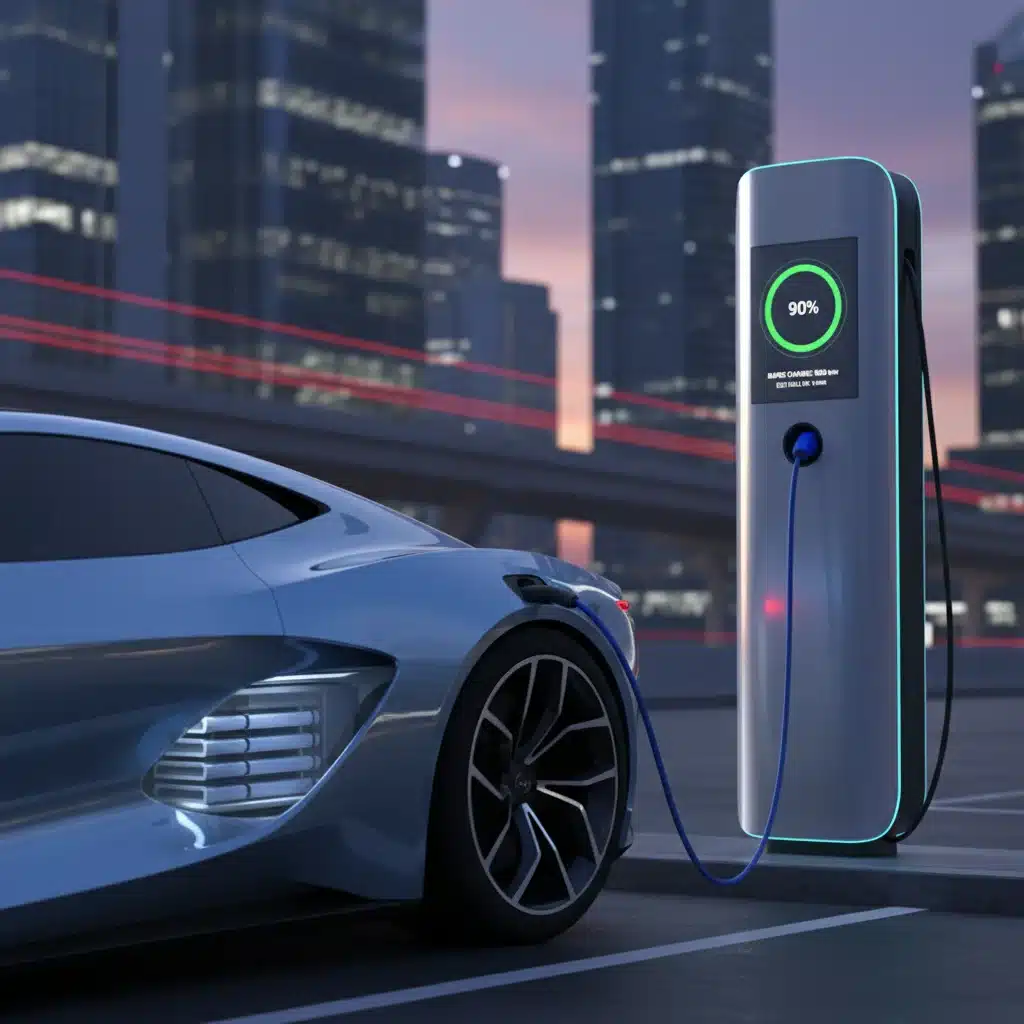
The prospect of 50% faster EV charging by mid-2026 in the U.S. is not just an impressive statistic; it represents a cascade of benefits that will ripple through the entire electric vehicle ecosystem. For the average consumer, the most immediate and impactful benefit will be the dramatic reduction in charging times. Imagine plugging in your EV and watching its battery replenish to 80% or even 90% in the time it takes to grab a coffee or run a quick errand. This level of convenience effectively eliminates one of the biggest psychological barriers to EV ownership: the fear of long waits at charging stations. With solid-state EV charging, range anxiety will become a relic of the past, as topping up your vehicle will be a quick and effortless process, comparable to or even surpassing the speed of traditional refueling.
Beyond individual convenience, the implications for the wider EV market are profound. Faster charging makes EVs more attractive to a broader demographic, including those who rely on their vehicles for long commutes or frequent travel. This increased appeal will undoubtedly accelerate the rate of EV adoption across the U.S., helping to meet ambitious climate goals and reduce reliance on fossil fuels. As more EVs hit the road, the demand for charging infrastructure will naturally increase, but the faster charging speeds mean that existing charging stations can serve more vehicles in a shorter amount of time, optimizing their utilization and potentially reducing the need for an overwhelming expansion of physical charging points in the immediate term.
Furthermore, the higher energy density of solid-state batteries translates into vehicles with longer ranges. This means fewer stops are needed for charging, making long-distance travel in an EV more practical and less stressful. Commercial fleets, taxis, and ride-sharing services, which often face tight schedules and require constant vehicle availability, stand to gain immensely from this technology. The reduced downtime for charging directly translates into increased operational efficiency and profitability. The enhanced safety aspects of solid-state batteries also contribute to consumer confidence, as concerns about battery fires, while rare, have been a point of contention for some. With a non-flammable solid electrolyte, the inherent safety of the battery pack is significantly improved, further solidifying the case for EVs as a reliable and secure mode of transport.
The manufacturing sector also stands to benefit. As solid-state battery technology matures, it will spur innovation in materials science, engineering, and automation. New jobs will be created in research, development, and production, boosting the economy and positioning the U.S. at the forefront of this critical technological advancement. The entire supply chain, from raw material extraction to recycling, will undergo significant evolution, driven by the unique requirements of solid-state components. This transformative shift promises not just faster charging, but a more robust, safer, and economically vibrant electric vehicle ecosystem.
Navigating the Road Ahead: Challenges and Implementation
While the promise of 50% faster EV charging through solid-state batteries is exhilarating, the path to widespread implementation is not without its challenges. The transition from laboratory breakthroughs to mass market availability involves overcoming several significant hurdles. One of the primary challenges lies in the manufacturing process. Producing solid-state batteries at scale, consistently and cost-effectively, is a complex undertaking. The materials used for solid electrolytes are often more expensive and harder to work with than liquid electrolytes, requiring specialized production facilities and techniques. Ensuring uniform quality and performance across millions of battery cells will be critical for automotive integration.
Another key challenge is the integration of these new battery packs into existing vehicle platforms and charging infrastructure. While the batteries themselves offer faster charging, the charging stations and grid infrastructure must also be capable of delivering the higher power required. This will necessitate upgrades to charging networks, including more robust power delivery systems and potentially new connectors or protocols to fully capitalize on the speed offered by solid-state EV charging. While the U.S. is already investing heavily in EV infrastructure, ensuring compatibility and scalability for these next-generation batteries will require careful planning and significant capital investment.
Furthermore, the long-term durability and cycle life of solid-state batteries in real-world automotive applications need to be rigorously tested and validated. While laboratory results are promising, the stresses of daily driving, extreme temperatures, and repeated fast charging cycles can impact battery performance over time. Automotive manufacturers will need to conduct extensive testing to ensure these batteries meet the stringent reliability and longevity standards expected by consumers. The supply chain for the unique materials required for solid-state batteries also needs to be established and secured. Dependence on specific rare earth minerals or complex chemical compounds could introduce new geopolitical and economic vulnerabilities, highlighting the need for diversified sourcing and sustainable extraction practices.
Despite these challenges, the industry is demonstrating strong commitment and making substantial progress. Major automotive manufacturers and battery developers are pouring billions into research and development, forming partnerships, and building pilot production lines. Governments, particularly in the U.S., are also providing incentives and funding to accelerate the transition to advanced battery technologies. The mid-2026 timeline for 50% faster EV charging suggests that these challenges are being addressed with increasing success, and the industry is confident in its ability to bring this transformative technology to market within the next few years. The collaborative efforts across research institutions, private companies, and public policy makers are crucial in navigating these complexities and ensuring a smooth rollout of this game-changing innovation.
Transforming the U.S. EV Market: A Mid-2026 Outlook
The arrival of 50% faster EV charging by mid-2026, driven by solid-state battery technology, is set to be a watershed moment for the U.S. electric vehicle market. This breakthrough will not merely improve existing EVs; it will fundamentally reshape consumer expectations, accelerate adoption rates, and solidify the position of electric vehicles as the dominant mode of transportation. For years, the U.S. market has been characterized by a cautious approach to EVs, partly due to concerns over range and charging convenience. The introduction of solid-state EV charging capable of significantly reducing wait times will directly address these anxieties, opening the floodgates for a much broader segment of the population to embrace electric mobility.
We can anticipate a surge in EV sales across various vehicle segments. From compact urban commuters to family SUVs and even commercial trucks, the appeal of a vehicle that charges in minutes rather than hours will be undeniable. This increased demand will, in turn, drive further investment in manufacturing, research, and infrastructure, creating a virtuous cycle of growth and innovation. The competitive landscape among automakers will intensify, with companies vying to integrate solid-state batteries into their lineups first, offering consumers a tangible advantage in charging speed and range. This competition will likely lead to more affordable EV options and a wider variety of models, catering to diverse consumer needs and preferences.
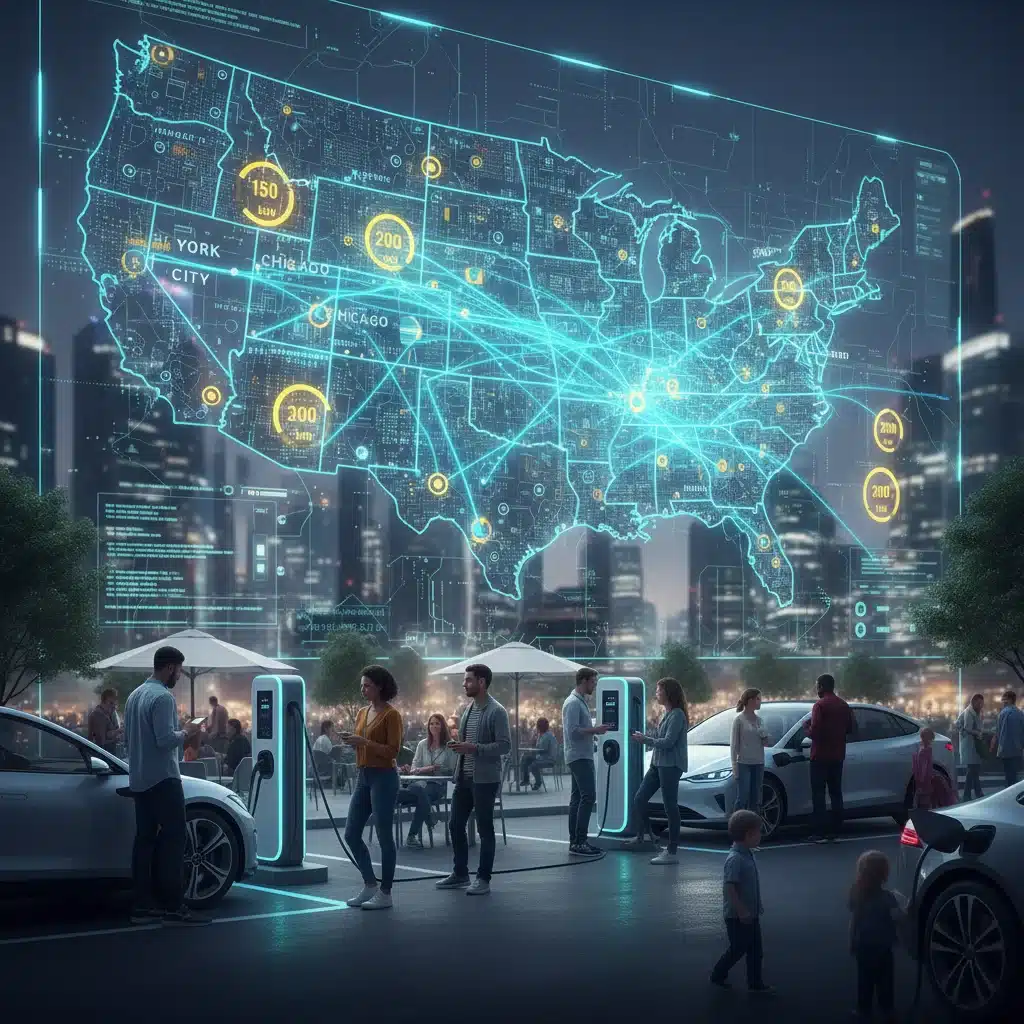
The impact on charging infrastructure will also be significant. While faster charging reduces the queue times at existing stations, the sheer volume of new EVs will still necessitate a robust expansion of public and private charging networks. However, the efficiency gained from solid-state batteries means that each charging point can serve more vehicles, making the infrastructure rollout more economical and sustainable. We might see a shift in charging station design, with an emphasis on ultra-fast charging hubs capable of handling the immense power delivery required by these advanced batteries. Urban planning will need to adapt, incorporating more convenient and accessible charging solutions into residential areas, workplaces, and public spaces.
Beyond the direct automotive sector, the energy grid itself will experience changes. The ability to charge vehicles rapidly means that power demands at specific times could be higher. Smart grid technologies and energy storage solutions, perhaps even incorporating retired solid-state batteries for grid-scale storage, will become increasingly vital to manage these fluctuating loads efficiently and sustainably. The mid-2026 timeline is ambitious but achievable, reflecting the rapid pace of technological development and the urgent global imperative to de-carbonize transportation. The U.S., with its strong innovation ecosystem and growing commitment to green technologies, is well-positioned to lead this charge, transforming its automotive landscape and setting a global precedent for sustainable mobility. This is not just about faster charging; it’s about building a more resilient, efficient, and environmentally friendly future on wheels.
The Long-Term Vision: Beyond 2026
While the mid-2026 target for 50% faster EV charging with solid-state batteries is a monumental milestone, it is merely a stepping stone in the broader evolution of electric vehicle technology. The long-term vision extends far beyond this initial rollout, promising even more transformative changes in energy storage, vehicle design, and the entire transportation ecosystem. As solid-state battery technology matures, we can anticipate further improvements in energy density, leading to EVs with ranges that comfortably exceed 500 or even 600 miles on a single charge. This would effectively put an end to any remaining range anxiety, making long-distance EV travel as effortless as driving an ICE vehicle.
The continuous refinement of solid-state materials and manufacturing processes will also likely lead to further reductions in charging times. While 50% faster EV charging is revolutionary, future generations of solid-state batteries could potentially achieve charging speeds that fully replenish a battery in under 10 minutes, making the concept of ‘refueling’ an EV virtually indistinguishable from pumping gas. This level of speed would open up new possibilities for vehicle usage, enabling greater flexibility and minimizing downtime for all types of drivers, from daily commuters to commercial operators. Imagine a world where a five-minute stop at a charging station gives you hundreds of miles of range, making spontaneous road trips and cross-country journeys entirely practical in an EV.
Beyond performance metrics, the safety advantages of solid-state batteries will continue to be a focus. As the technology becomes more ubiquitous, the inherent stability of solid electrolytes will enhance the overall safety profile of electric vehicles, potentially reducing insurance costs and increasing consumer confidence. The environmental footprint of battery production and recycling is another area where solid-state technology holds promise. Research is ongoing into using more abundant and less toxic materials for solid electrolytes, reducing reliance on critical raw materials and making the entire battery lifecycle more sustainable. Advanced recycling techniques will also be developed to efficiently recover valuable materials from end-of-life solid-state batteries, closing the loop and minimizing waste.
The integration of solid-state batteries could also lead to radical changes in vehicle design. With lighter, more compact, and safer battery packs, designers will have greater freedom to innovate car interiors and exteriors, creating more spacious, aerodynamic, and aesthetically pleasing vehicles. The modularity of solid-state battery cells might also allow for more flexible battery configurations, enabling automakers to tailor battery capacity and power output more precisely to different vehicle models and customer needs. Furthermore, the advancements in solid-state technology will have ripple effects beyond the automotive industry, influencing other sectors such as consumer electronics, aerospace, and grid-scale energy storage, driving innovation across a broad spectrum of applications.
Ultimately, the long-term vision for solid-state batteries is one of complete energy independence and seamless electric mobility. By mid-2026, the U.S. will begin to experience the first major wave of this revolution, but the journey towards a fully electrified and sustainable transportation future will continue for decades, with solid-state technology serving as a cornerstone of this transformative shift.
Conclusion: A New Dawn for Electric Mobility
The announcement of 50% faster EV charging by mid-2026 in the U.S., powered by solid-state battery breakthroughs, marks a pivotal moment in the history of electric vehicles. This isn’t just an incremental upgrade; it’s a fundamental re-imagining of what electric mobility can be. For too long, the limitations of traditional lithium-ion batteries, particularly in terms of charging speed and energy density, have acted as significant deterrents to the widespread adoption of EVs. With the advent of viable solid-state technology, these barriers are rapidly crumbling, paving the way for a more convenient, efficient, and ultimately, more enjoyable electric driving experience.
The benefits are clear and far-reaching. Consumers will gain the priceless commodity of time, with charging sessions dramatically reduced to mere minutes. Range anxiety, a persistent concern for many, will largely dissipate as vehicles gain both increased range and the ability to quickly top up their batteries. This enhanced convenience will undoubtedly accelerate EV adoption rates across the U.S., contributing significantly to national and global efforts to combat climate change and reduce reliance on fossil fuels. The economic impact will also be substantial, fostering innovation, creating new jobs in advanced manufacturing and technology, and solidifying the U.S.’s position as a leader in sustainable transportation.
While challenges remain in scaling production, refining manufacturing processes, and integrating with existing infrastructure, the industry’s commitment and the rapid pace of scientific advancement suggest that these hurdles are being systematically addressed. The mid-2026 timeline is a testament to the confidence and progress being made, signaling that this transformative technology is not a distant dream but an imminent reality. The future of transportation is electric, and with solid-state batteries leading the charge, that future is arriving faster than ever before. Get ready to experience a new era of mobility, defined by speed, safety, and sustainability, all powered by the quiet hum of a rapidly charging electric vehicle.