Clean Energy Market Alert: US Wind Power Capacity Expected to Grow by 15 GW in 2026, New Report Shows
The landscape of energy production in the United States is undergoing a monumental transformation, with renewable sources increasingly taking center stage. A groundbreaking new report has sent ripples across the clean energy market, projecting a substantial 15 GW growth in US wind power capacity by 2026. This forecast underscores a robust and accelerating shift towards sustainable energy solutions, positioning wind power as a critical pillar in the nation’s energy future. For stakeholders, investors, and policymakers alike, this projection is not just a number; it’s a clear signal of burgeoning opportunities and evolving priorities within the energy sector.
Understanding the implications of such significant growth requires a deep dive into the underlying factors driving this expansion. From technological advancements and supportive policy frameworks to increasing environmental awareness and economic competitiveness, multiple forces are converging to propel US wind power to unprecedented levels. This article will explore these drivers, analyze the report’s key findings, and discuss the potential challenges and opportunities that lie ahead for the wind energy sector in the United States.
The Current State of US Wind Power: A Foundation for Growth
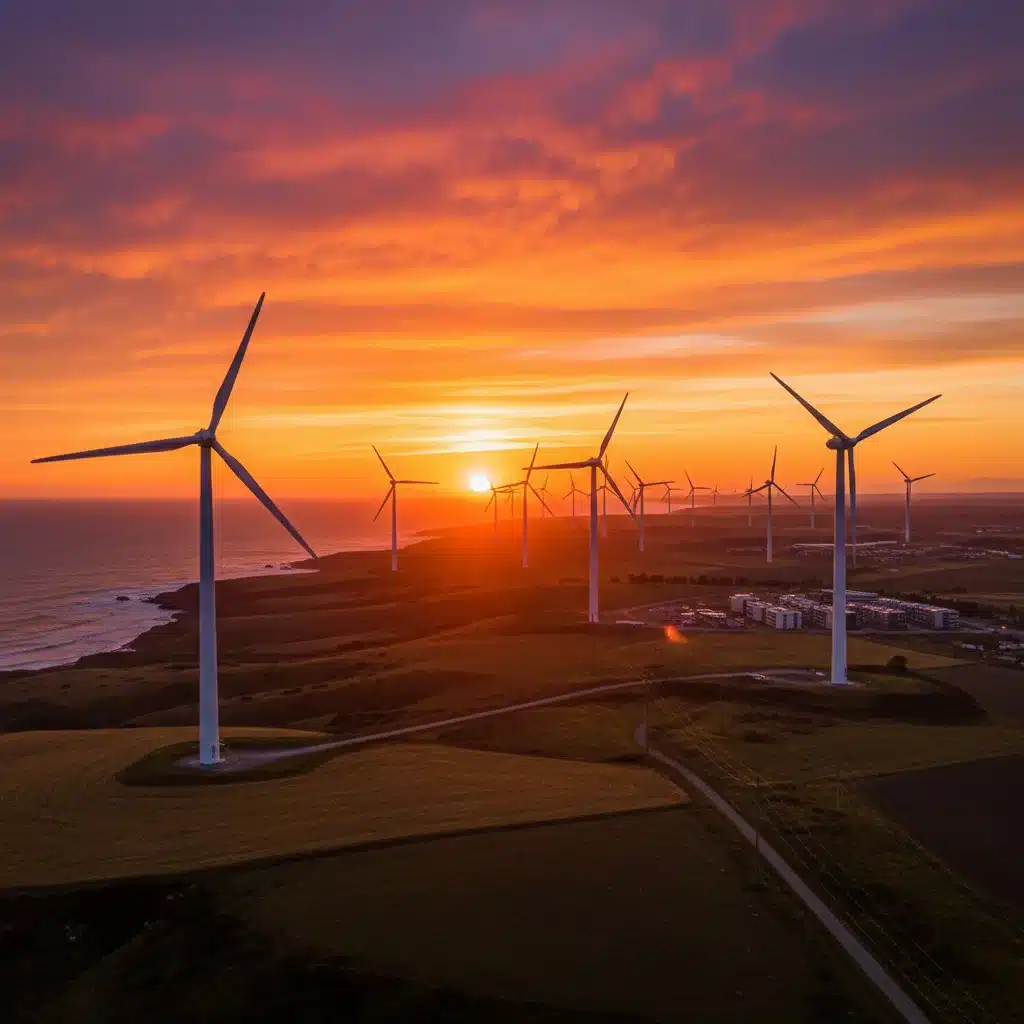
Before delving into future projections, it’s essential to appreciate the current standing of US wind power. Over the past two decades, the United States has emerged as a global leader in wind energy generation, consistently ranking among the top countries for installed capacity. This growth has been fueled by a combination of federal incentives, state-level renewable portfolio standards, and significant reductions in the cost of wind energy technology. Wind farms now dot the landscapes of many states, from the vast plains of Texas to the coastal regions of the Northeast, contributing substantially to the national grid.
As of late 2023, the installed wind capacity in the U.S. stood at an impressive figure, already providing a significant portion of the nation’s electricity. This existing infrastructure provides a strong foundation upon which the projected 15 GW growth will build. The operational efficiency of these existing wind farms, coupled with continuous improvements in turbine technology and grid integration, has made wind power an increasingly reliable and cost-effective energy source. The experience gained from these operational projects is invaluable, informing the development and deployment of future capacity additions.
However, the journey has not been without its hurdles. Challenges such as transmission infrastructure limitations, siting complexities, and intermittency issues have required innovative solutions and strategic planning. The industry’s ability to overcome these obstacles has demonstrated its resilience and commitment to sustainable growth. The lessons learned from past projects are critical to ensuring that the anticipated 15 GW expansion is not only achievable but also sustainable and integrated effectively into the broader energy ecosystem.
Key Drivers Behind the 15 GW US Wind Power Forecast
The projection of 15 GW growth in US wind power capacity by 2026 is not an arbitrary figure; it is the result of several powerful and interconnected drivers. Understanding these factors is crucial for appreciating the momentum building within the wind energy sector.
Technological Advancements and Efficiency Gains
One of the most significant drivers is the relentless pace of technological innovation. Modern wind turbines are larger, more efficient, and capable of capturing wind energy at lower speeds than their predecessors. Advances in blade design, materials science, and aerodynamic principles have dramatically increased the capacity factor of wind farms, meaning they can generate more electricity from the same amount of wind. Furthermore, improvements in digital controls, predictive maintenance, and energy storage solutions are enhancing the reliability and grid integration of wind power. These technological leaps are making wind energy an increasingly attractive investment.
Favorable Policy Environment and Government Support
Government policies at both federal and state levels play a pivotal role in accelerating the deployment of renewable energy. The Inflation Reduction Act (IRA) of 2022, for instance, offers significant tax credits and incentives for renewable energy projects, including wind farms. These incentives reduce the upfront costs for developers and improve the economic viability of new projects. Additionally, many states have set ambitious renewable energy targets, creating a stable demand for wind power. The continuity and expansion of such supportive policies are fundamental to achieving the projected growth.
Declining Costs and Economic Competitiveness
The cost of generating electricity from wind has plummeted over the past decade, making it competitive with, and often cheaper than, traditional fossil fuel sources. This cost reduction is due to economies of scale, improved manufacturing processes, and technological advancements. As wind power becomes more economically viable, it attracts greater private investment and becomes a preferred choice for utilities looking to diversify their energy portfolios and reduce operational costs. The economic argument for US wind power is now stronger than ever, driving its rapid expansion.
Growing Corporate Demand for Clean Energy
An increasing number of corporations are committing to 100% renewable energy targets, driven by sustainability goals, consumer pressure, and a desire to reduce their carbon footprint. This corporate demand creates a significant market for new wind power projects, often through power purchase agreements (PPAs). These agreements provide long-term revenue certainty for wind farm developers, facilitating project financing and accelerating deployment. The corporate sector’s appetite for clean energy is a powerful force contributing to the projected 15 GW growth.
Public and Environmental Awareness
Heightened public awareness of climate change and the environmental impacts of fossil fuels has fostered strong support for renewable energy. Communities and individuals are increasingly advocating for cleaner energy sources, leading to greater acceptance of wind energy projects. This public support, coupled with the environmental benefits of reduced greenhouse gas emissions and improved air quality, further reinforces the drive towards expanding US wind power capacity.
Offshore Wind: A New Frontier for US Wind Power
While onshore wind has historically dominated the US wind power landscape, offshore wind is rapidly emerging as a critical growth area. The report’s 15 GW projection likely includes a significant contribution from offshore projects, which offer distinct advantages and opportunities.
Offshore wind farms benefit from stronger, more consistent winds, leading to higher capacity factors compared to their onshore counterparts. Additionally, they can be located near major coastal population centers, reducing transmission losses and addressing land-use concerns often associated with large onshore projects. The U.S. has vast offshore wind resources, particularly along the East Coast, which are now being actively developed.
The development of a robust offshore wind industry, however, presents its own set of challenges, including higher installation and maintenance costs, complex permitting processes, and the need for specialized infrastructure like port facilities and dedicated transmission lines. Despite these challenges, significant investments are being made, and several large-scale offshore wind projects are currently under construction or in advanced stages of planning. These projects are expected to contribute substantially to the projected 15 GW increase, marking a new era for US wind power.
Economic Impact and Job Creation
The anticipated 15 GW expansion in US wind power capacity is not just an environmental triumph; it is also a significant economic boon. The wind energy sector is a major job creator, with roles spanning manufacturing, construction, operations, maintenance, and research and development. The growth in installed capacity translates directly into thousands of new, well-paying jobs across various skill levels.
Beyond direct employment, the wind industry stimulates economic activity in local communities, particularly in rural areas where many wind farms are located. Landowners receive lease payments, and local governments benefit from increased tax revenues, which can be used to fund public services and infrastructure improvements. The development of a domestic supply chain for wind turbine components and related services further amplifies the economic benefits, fostering innovation and creating a resilient industrial base.
Moreover, investment in wind energy contributes to energy independence and price stability. By diversifying the energy mix and reducing reliance on volatile fossil fuel markets, wind power helps to insulate consumers from price spikes and enhance national energy security. This economic stability and job creation are powerful incentives for continued investment and policy support for US wind power.
Challenges and Mitigation Strategies for Future Growth
While the outlook for US wind power is overwhelmingly positive, achieving the projected 15 GW growth will require navigating several persistent challenges. Proactive mitigation strategies are essential to ensure smooth and sustainable expansion.
Transmission Infrastructure Upgrades
One of the most critical challenges is the need for significant upgrades to the national transmission grid. Many of the best wind resources are located in remote areas, far from major load centers. Building new transmission lines to connect these wind farms to the grid is often complex, costly, and faces regulatory and community resistance. Addressing this requires coordinated planning between federal and state agencies, utilities, and wind developers, as well as innovative financing mechanisms to accelerate transmission expansion.
Siting and Permitting Processes
Siting new wind farms, especially large-scale projects, can be contentious. Concerns about visual impact, noise, and potential effects on wildlife (particularly birds and bats) often lead to local opposition and protracted permitting processes. Effective community engagement, robust environmental impact assessments, and the implementation of mitigation measures (e.g., turbine shutdown on demand, habitat conservation) are vital for gaining public acceptance and streamlining project approvals. For offshore wind, navigating complex maritime regulations and coordinating with other ocean users (e.g., fishing, shipping) adds another layer of complexity.
Grid Modernization and Storage Solutions
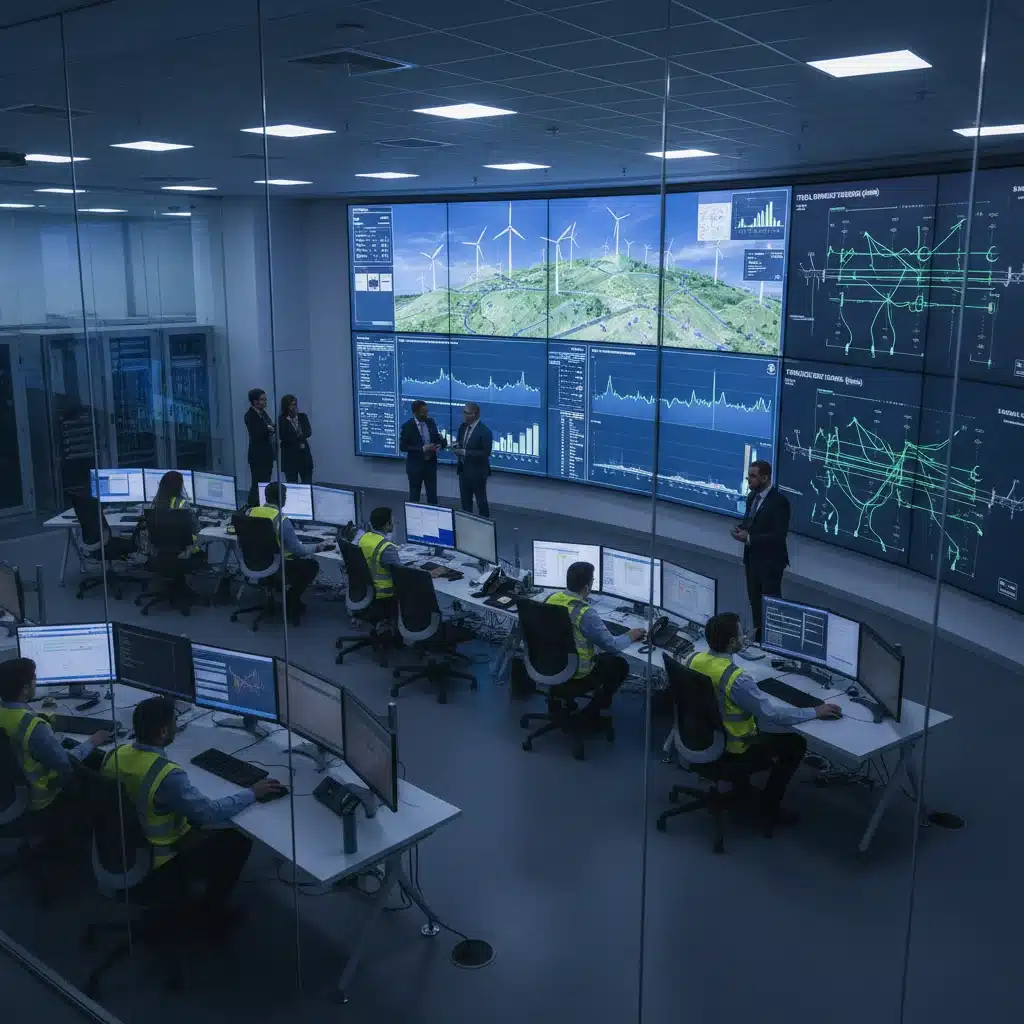
The intermittent nature of wind power necessitates a more flexible and resilient electricity grid. Integrating large amounts of variable renewable energy requires advanced grid management systems, smart grid technologies, and significant investments in energy storage solutions. Battery storage, pumped-hydro storage, and other emerging technologies can help smooth out fluctuations in wind output, ensuring a stable and reliable power supply. The development and deployment of these complementary technologies are crucial for maximizing the value of new wind capacity.
Supply Chain Resilience
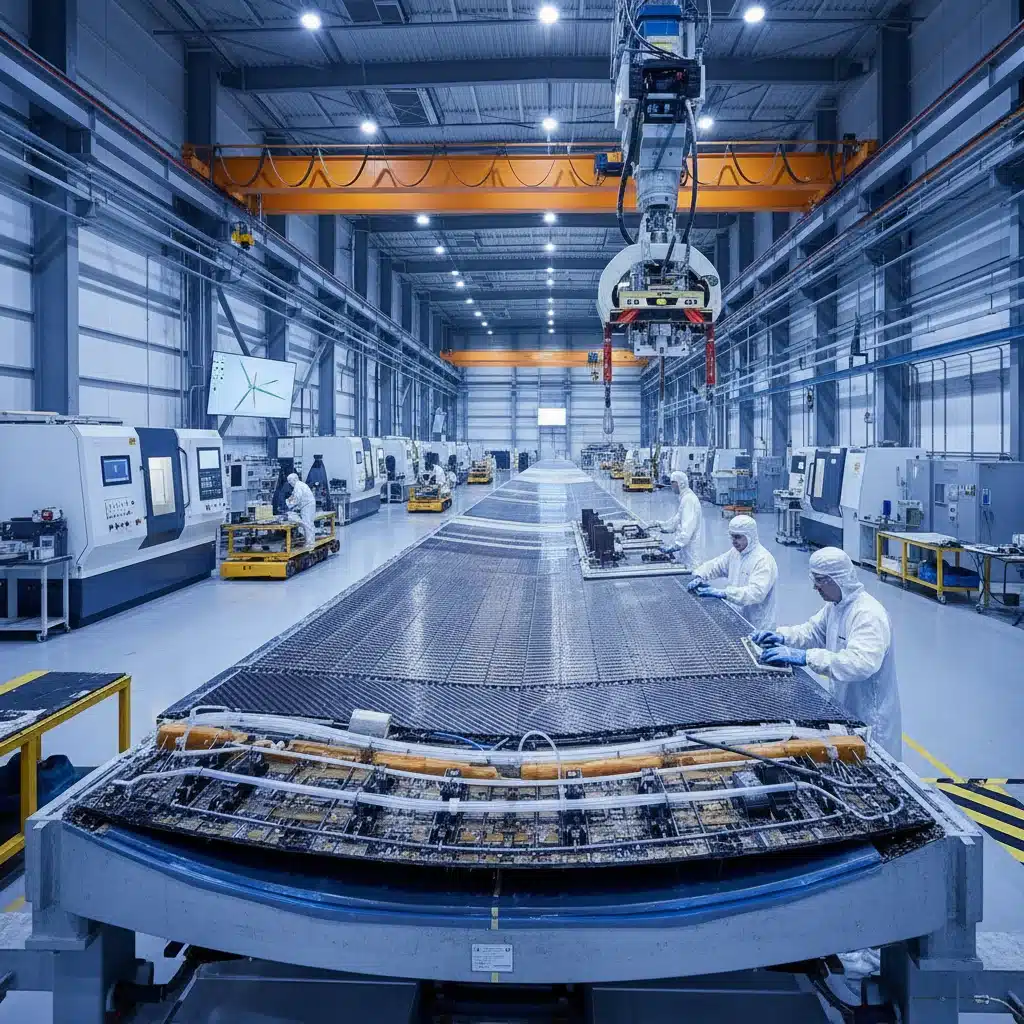
Rapid growth in wind power capacity also places demands on the supply chain for components, materials, and skilled labor. Ensuring a resilient and diversified supply chain, potentially with increased domestic manufacturing capabilities, is important to avoid bottlenecks and cost escalation. Workforce development programs are also essential to train the next generation of technicians, engineers, and construction workers needed to support the expanding industry.
The Role of Policy and Investment in Sustaining Momentum
The projected 15 GW growth in US wind power capacity by 2026 is a testament to the effectiveness of current policies and investment trends. However, sustaining this momentum beyond 2026 will require continued and strategic efforts from all stakeholders.
Long-term policy certainty is paramount for attracting the significant capital investments required for large-scale energy projects. This includes stable tax credit regimes, clear renewable energy mandates, and streamlined regulatory frameworks. Policies that encourage research and development into next-generation wind technologies, such as floating offshore wind platforms and advanced materials, will also be crucial for maintaining a competitive edge and unlocking new resource potential.
Public-private partnerships will play an increasingly important role, especially in funding large infrastructure projects like transmission lines and port upgrades for offshore wind. Collaborative efforts between government agencies, private developers, and academic institutions can accelerate innovation, address infrastructure gaps, and ensure that the benefits of wind energy are distributed equitably across society.
Furthermore, international collaboration can facilitate knowledge sharing and technology transfer, helping the U.S. leverage global best practices in wind energy development. As the world collectively strives to meet ambitious climate goals, the expansion of US wind power capacity contributes significantly to global decarbonization efforts, reinforcing the nation’s leadership in clean energy.
Future Outlook and Long-Term Vision for US Wind Power
The 15 GW growth projected by 2026 is an exciting milestone, but it is likely just one step in a much longer and more ambitious journey for US wind power. The long-term vision for the United States includes a heavily decarbonized electricity grid, with renewable energy sources like wind and solar forming the backbone of the power supply.
Looking beyond 2026, experts anticipate continued high growth rates for wind energy. Innovations in areas such as airborne wind energy, advanced turbine designs, and hybrid renewable energy systems (combining wind with solar and storage) will further enhance the efficiency and versatility of wind power. The integration of artificial intelligence and machine learning into wind farm operations will optimize performance, predict maintenance needs, and improve grid forecasting.
The expansion of offshore wind is expected to accelerate significantly in the latter half of the decade, potentially adding tens of gigawatts of clean power, particularly to densely populated coastal states. This will not only diversify the energy mix but also create new industrial clusters and job opportunities in coastal regions.
Ultimately, the trajectory of US wind power is aligned with global efforts to combat climate change and build a sustainable energy future. The projected growth by 2026 serves as a powerful indicator of the nation’s commitment to clean energy and its capacity to lead in the global energy transition.
Conclusion: A Strong Tailwind for Clean Energy
The report forecasting a 15 GW growth in US wind power capacity by 2026 is a significant announcement for the clean energy sector. It highlights the maturity, competitiveness, and immense potential of wind energy as a cornerstone of the nation’s power supply. Driven by technological innovation, supportive policies, economic advantages, and increasing demand for sustainable solutions, wind power is set to play an even more critical role in decarbonizing the U.S. economy.
While challenges related to transmission, siting, and grid integration remain, the industry has demonstrated a strong capacity for innovation and problem-solving. With continued strategic investment, collaborative efforts, and a favorable policy environment, the United States is well-positioned to not only meet but potentially exceed these ambitious growth targets. The future of US wind power is bright, promising a cleaner, more sustainable, and economically vibrant energy landscape for generations to come.