USDOT Funds EV Charging Corridors: 500 Miles by 2026
The landscape of American transportation is undergoing a profound transformation, driven by an urgent need for sustainable solutions and a commitment to reducing carbon emissions. At the forefront of this change is the aggressive push towards electric vehicles (EVs). However, the widespread adoption of EVs hinges on one critical factor: a robust and accessible charging infrastructure. Recognizing this imperative, the United States Department of Transportation (USDOT) has announced a monumental initiative to fund new electric vehicle charging corridors, with an ambitious goal of completing 500 miles of these vital arteries by the end of 2026. This endeavor marks a significant stride towards an electrified future, promising to alleviate range anxiety and make long-distance EV travel a seamless reality for millions of Americans.
The vision behind these EV charging corridors is not merely to install chargers, but to strategically place them along major transportation routes, creating a network that mirrors the existing gasoline station infrastructure. This comprehensive approach ensures that EV drivers can embark on journeys with the same confidence and convenience as their internal combustion engine counterparts. The USDOT’s commitment extends beyond just quantity; it emphasizes quality, reliability, and interoperability, setting a new standard for public charging stations across the nation. This initiative is a cornerstone of the broader Bipartisan Infrastructure Law, which allocates substantial funding to modernize America’s infrastructure, including a significant portion dedicated to expanding EV charging capabilities.
The Imperative for EV Charging Corridors
The journey towards a fully electrified transportation system is fraught with challenges, not least of which is the current disparity between EV sales and charging infrastructure. While EV sales continue to surge, the availability of reliable and conveniently located charging stations has lagged, leading to what is commonly known as ‘range anxiety’ – the fear of running out of charge before reaching a charging point. This psychological barrier is one of the most significant impediments to mass EV adoption. The establishment of dedicated EV charging corridors directly addresses this issue by ensuring that charging stations are spaced at regular, manageable intervals along key roadways.
Moreover, the environmental benefits of transitioning to EVs are undeniable. Transportation remains one of the largest contributors to greenhouse gas emissions. By facilitating the widespread use of electric vehicles, these charging corridors play a crucial role in reducing air pollution, mitigating climate change, and improving public health. The USDOT’s investment is not just in infrastructure, but in the health and sustainability of communities across the nation. It represents a long-term commitment to a cleaner, greener future, where personal mobility does not come at the expense of environmental integrity.
Economically, the development of these corridors also promises a boost. It creates jobs in construction, manufacturing, and maintenance, fostering innovation in clean energy technologies. Furthermore, by reducing reliance on fossil fuels, the nation enhances its energy independence and stability, shielding consumers from volatile global oil prices. The investment in EV charging corridors is thus a multifaceted strategy, yielding environmental, economic, and social dividends.
Strategic Deployment: How the USDOT is Building the Network
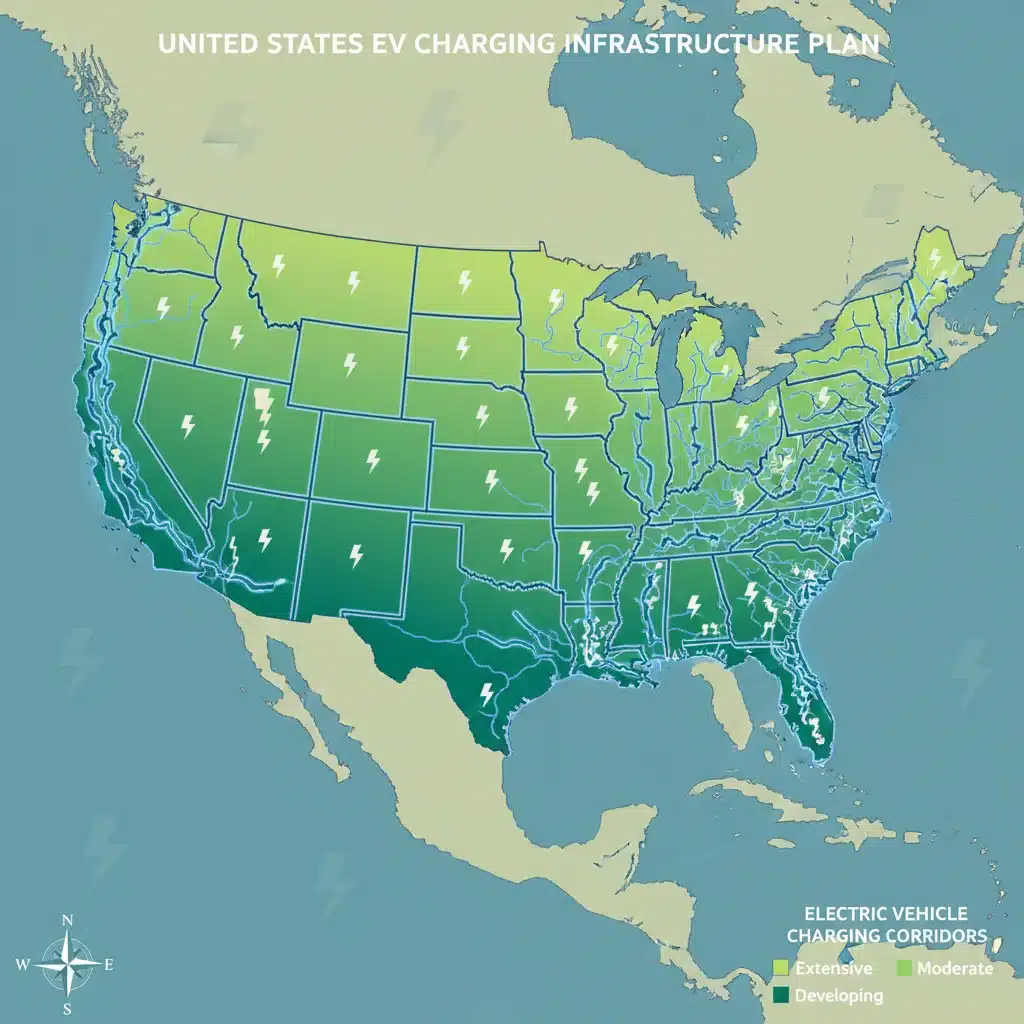
The USDOT’s approach to establishing these EV charging corridors is highly strategic and data-driven. It involves identifying critical gaps in the existing charging network, prioritizing high-traffic routes, and ensuring equitable access across urban, suburban, and rural areas. The goal is to build a truly national network that supports seamless long-distance travel and daily commuting alike. This involves close collaboration with state and local governments, private sector partners, and utility companies to ensure a cohesive and effective deployment.
Key to this strategy is the National Electric Vehicle Infrastructure (NEVI) Formula Program, which provides funding to states to build out EV charging infrastructure along designated alternative fuel corridors. The program mandates certain standards for these charging stations, including minimum power levels (at least four 150 kW DC fast chargers per site) and accessibility requirements, ensuring a high-quality user experience. These standards are crucial for building public trust and confidence in the emerging EV charging ecosystem. The USDOT is also focusing on ensuring that stations are user-friendly, accepting various payment methods, and providing real-time information on availability and pricing.
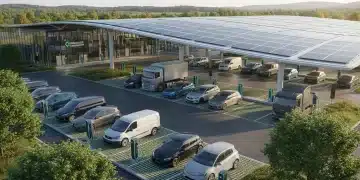
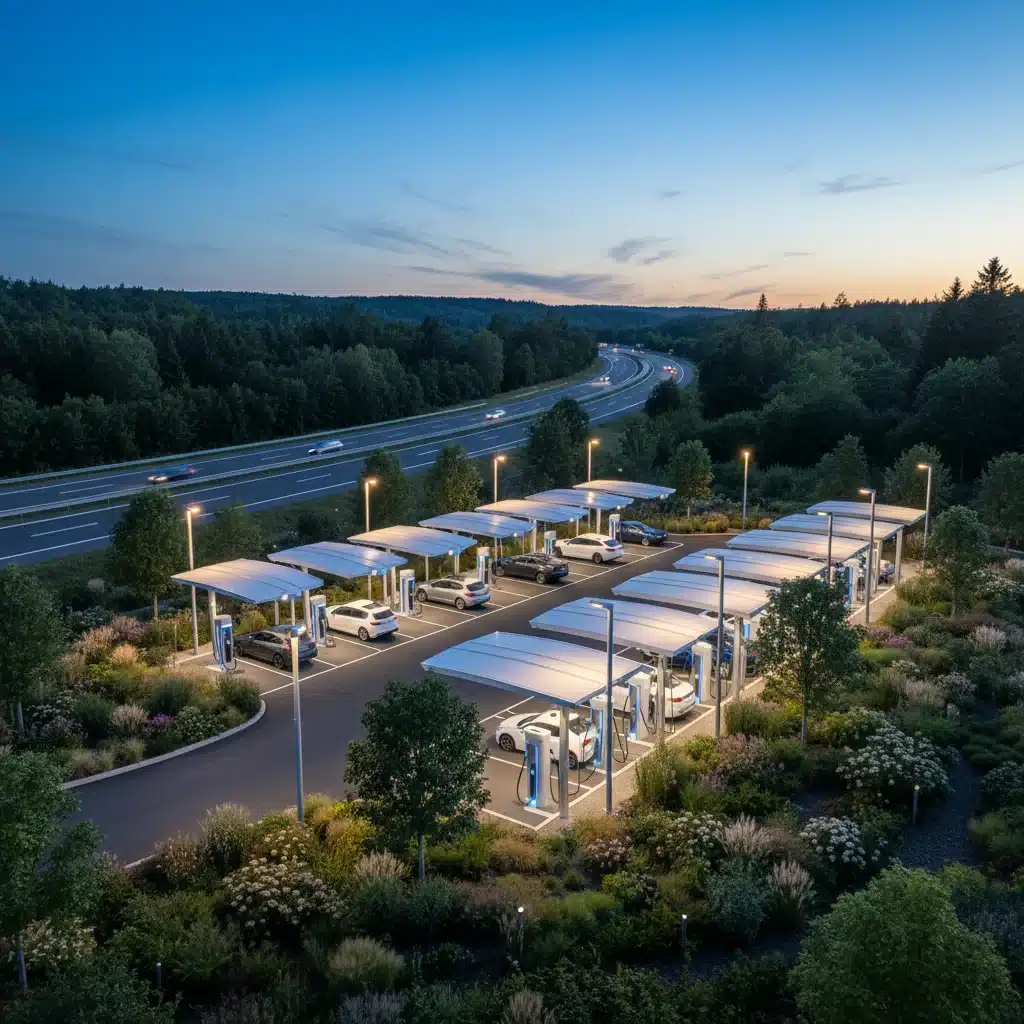
Furthermore, the USDOT is not just looking at the present but planning for the future. The corridors are being designed with scalability in mind, allowing for easy expansion as EV technology advances and demand grows. This forward-thinking approach ensures that the infrastructure remains relevant and effective for decades to come. The integration of renewable energy sources, such as solar canopies over charging stations, is also being encouraged, further enhancing the sustainability credentials of these new corridors. This holistic planning is essential for creating a resilient and future-proof charging network that can adapt to evolving energy needs and technological innovations.
The Technology Behind the Charge: Fast, Reliable, and Accessible
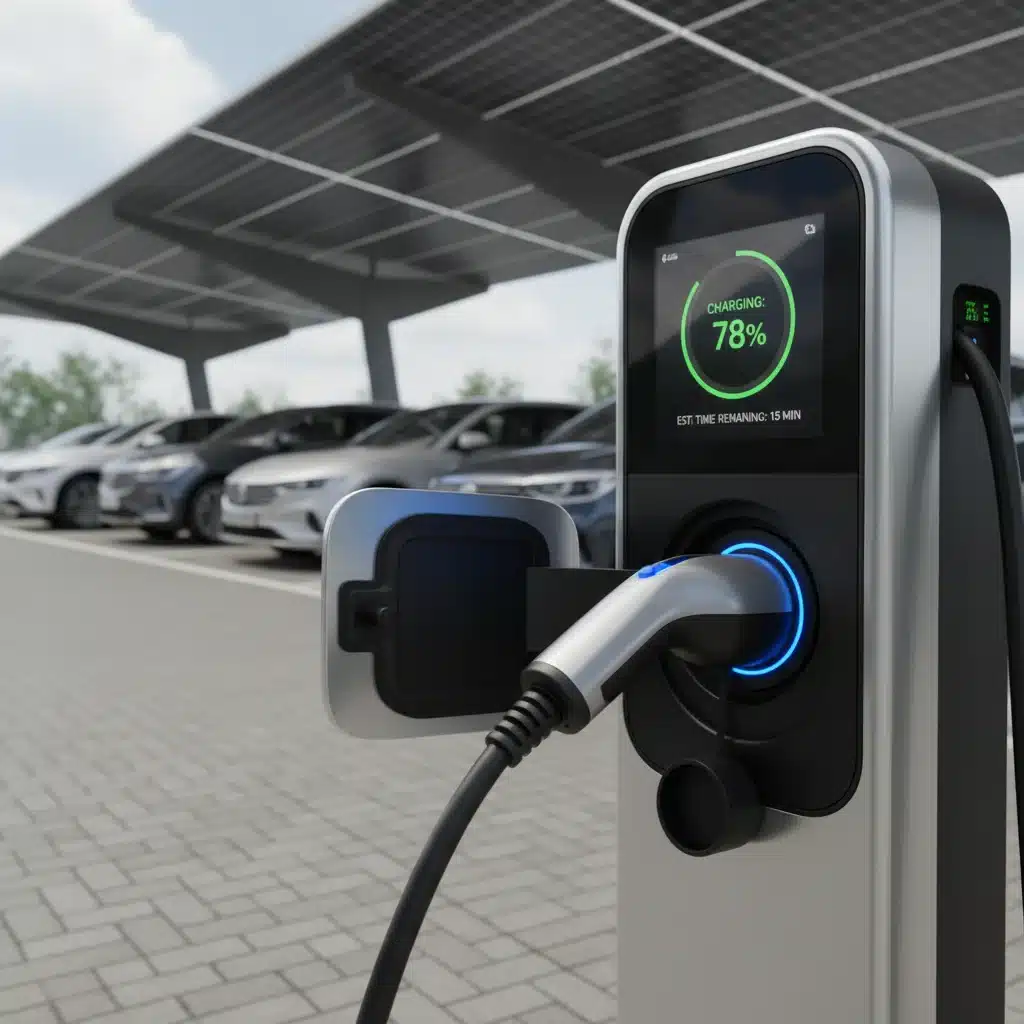
The success of the EV charging corridors hinges on the technology powering them. The USDOT’s emphasis on DC fast chargers (DCFCs) is a game-changer for long-distance travel. Unlike Level 2 chargers, which are suitable for overnight charging or shorter stops, DCFCs can replenish a significant portion of an EV’s battery in a matter of minutes, making them ideal for highway rest stops and travel plazas. The requirement for multiple DCFCs at each site ensures that drivers won’t have to wait excessively, even during peak travel times.
Reliability is another critical factor. The USDOT is working to establish performance metrics and uptime requirements for all funded stations, ensuring that drivers can depend on the availability and functionality of chargers. This includes robust monitoring systems, rapid response maintenance teams, and clear communication channels for reporting issues. The goal is to minimize downtime and maximize user satisfaction, fostering a positive charging experience that encourages more drivers to switch to EVs.
Accessibility is also paramount. The corridors are being planned to serve a wide range of EV models and charging standards, ensuring interoperability. This means supporting both CCS (Combined Charging System) and NACS (North American Charging Standard), the two dominant charging standards in the US, to accommodate the diverse fleet of electric vehicles on the road. Furthermore, the locations of these charging stations are being chosen to be easily accessible from major highways, with clear signage and amenities for travelers, enhancing the overall convenience and safety of EV travel. This comprehensive approach to technology ensures that the EV charging corridors are not only efficient but also inclusive and user-friendly for all drivers.
Impact on Drivers and the EV Ecosystem
For current and prospective EV drivers, the completion of 500 miles of EV charging corridors by 2026 will be transformative. It will significantly reduce range anxiety, making longer road trips practical and enjoyable. Families planning cross-country vacations will no longer need to meticulously map out every charging stop, as reliable options will be readily available along their routes. This increased convenience is expected to accelerate EV adoption rates, as one of the primary concerns for potential buyers – charging infrastructure – is systematically addressed.
The impact extends beyond individual drivers. The expanded charging network will support the growth of electric commercial fleets, from delivery vans to long-haul trucks, further decarbonizing the transportation sector. It will also foster innovation within the EV industry, encouraging manufacturers to produce vehicles with even greater range and faster charging capabilities, knowing that the infrastructure will support these advancements. The competitive landscape among charging network providers will also intensify, likely leading to better services, more competitive pricing, and a greater variety of charging solutions for consumers.
Moreover, the development of these corridors will stimulate economic activity in the areas surrounding the charging stations. Businesses – from restaurants and shops to hotels – will benefit from increased patronage as EV drivers stop to charge. This creates a virtuous cycle where infrastructure investment leads to economic growth, which in turn supports further investment in sustainable technologies. The USDOT’s initiative is thus laying the groundwork for a robust and thriving EV ecosystem that benefits everyone.
Challenges and Future Outlook
While the USDOT’s initiative is highly promising, challenges remain. Securing adequate power grid capacity for a rapidly expanding charging network is a significant undertaking, requiring upgrades to local and regional electrical infrastructure. Collaboration between the USDOT, utility companies, and energy regulators will be crucial to ensure that the grid can support the increased demand. Permitting and siting new charging stations can also be complex, involving coordination with multiple jurisdictions and adherence to local regulations. Streamlining these processes will be essential for meeting the ambitious 2026 deadline.
Another challenge lies in ensuring the long-term maintenance and reliability of the charging stations. While initial funding covers installation, sustainable business models are needed to ensure chargers remain operational and well-maintained over their lifespan. This will likely involve a mix of public-private partnerships, innovative service agreements, and performance-based incentives for operators. Furthermore, educating the public about EV charging etiquette, payment options, and troubleshooting common issues will be vital for a smooth user experience.
Looking ahead, the 500 miles of EV charging corridors by 2026 is just the beginning. The USDOT’s long-term vision is a comprehensive national network that leaves no community behind. Future phases will likely involve expanding coverage to more rural and underserved areas, integrating advanced smart grid technologies, and exploring innovative charging solutions like wireless charging and battery swapping. The continuous evolution of EV technology will also necessitate ongoing adaptation and upgrades to the charging infrastructure, ensuring it remains at the cutting edge. The commitment to building out these EV charging corridors signifies a pivotal moment in America’s transition to a sustainable transportation future, one that promises cleaner air, economic opportunity, and greater energy independence.
Ensuring Equity and Accessibility in EV Charging Corridors
A crucial aspect of the USDOT’s strategy for developing EV charging corridors is the commitment to equity and accessibility. The benefits of electric vehicles, including cleaner air and reduced fuel costs, should be available to all Americans, regardless of their socioeconomic status or geographic location. Historically, infrastructure projects have sometimes exacerbated existing inequalities, but the current initiative aims to correct this by proactively addressing the needs of underserved communities.
This includes prioritizing the deployment of charging stations in low-income communities, rural areas, and communities of color, which have often been disproportionately affected by transportation-related pollution and have had less access to modern infrastructure. By strategically placing chargers in these areas, the USDOT seeks to ensure that residents have convenient access to charging facilities, making EV ownership a more viable option for a broader demographic. This approach not only promotes environmental justice but also helps to close the equity gap in EV adoption.
Furthermore, accessibility considerations extend to the design and operation of the charging stations themselves. This means ensuring that stations are ADA (Americans with Disabilities Act) compliant, with adequate space for wheelchair access, clear pathways, and user interfaces that are easy to operate for individuals with various physical abilities. The USDOT is also encouraging multilingual signage and customer support options to cater to diverse populations. By embedding equity and accessibility into the core of the EV charging corridor development, the initiative aims to create an inclusive and welcoming infrastructure for all electric vehicle users.
The Role of Public-Private Partnerships in Building EV Charging Corridors
The scale and complexity of building out 500 miles of EV charging corridors by 2026 necessitate a collaborative effort between the public and private sectors. The USDOT is actively fostering public-private partnerships (PPPs) to leverage the expertise, innovation, and capital of private companies while ensuring that public funds are used efficiently and effectively to meet strategic national goals. These partnerships are crucial for accelerating deployment, optimizing operational efficiency, and ensuring the long-term sustainability of the charging network.
Private companies, including charging network operators, equipment manufacturers, and energy providers, bring invaluable experience in developing, installing, and maintaining charging infrastructure. Their involvement can help streamline the procurement process, introduce cutting-edge technologies, and provide customer-centric services. In return, public funding and policy support from the USDOT provide the necessary impetus and risk mitigation for private investment in a nascent but rapidly growing market.
These PPPs can take various forms, from direct grants and incentives for private operators to build and maintain stations, to joint ventures that share costs and responsibilities. The goal is to create a symbiotic relationship where public policy guides the overall direction and ensures public benefit, while private enterprise drives innovation and operational excellence. This collaborative model is essential for overcoming the significant financial and logistical hurdles associated with building a national EV charging infrastructure at an unprecedented pace. The success of these EV charging corridors will largely depend on the strength and effectiveness of these partnerships, ensuring a unified effort towards a shared vision of an electrified transportation future.
Environmental Benefits and Long-Term Vision for EV Charging Corridors
The environmental benefits stemming from the expansion of EV charging corridors are immense and far-reaching. By encouraging the transition from gasoline-powered vehicles to electric ones, the USDOT’s initiative directly contributes to a significant reduction in greenhouse gas emissions and other harmful pollutants. This leads to cleaner air, particularly in urban areas, which often bear the brunt of vehicle emissions, improving public health outcomes and reducing respiratory illnesses.
Furthermore, the long-term vision extends beyond simply reducing tailpipe emissions. The USDOT is actively promoting the integration of renewable energy sources into the charging infrastructure. This means that as more renewable energy – such as solar, wind, and hydro – is incorporated into the national grid, the carbon footprint of charging EVs will continue to decrease. The goal is not just zero-emission vehicles, but zero-emission transportation powered by clean, sustainable energy. This holistic approach aligns with broader national and international efforts to combat climate change and transition to a green economy.
The completion of 500 miles of EV charging corridors by 2026 is a critical milestone in this long-term journey. It demonstrates a tangible commitment to building the foundational infrastructure necessary for a fully electrified transportation system. As this network expands, it will unlock further opportunities for innovation in battery technology, smart grid management, and vehicle-to-grid (V2G) capabilities, where EVs can return energy to the grid during peak demand. The USDOT’s investment is not just in charging stations; it is an investment in a sustainable future, fostering a resilient and environmentally responsible transportation sector that will benefit generations to come.