Unlock 2026 Clean Energy Rebates: Up to $2,000 for Energy-Efficient Appliances
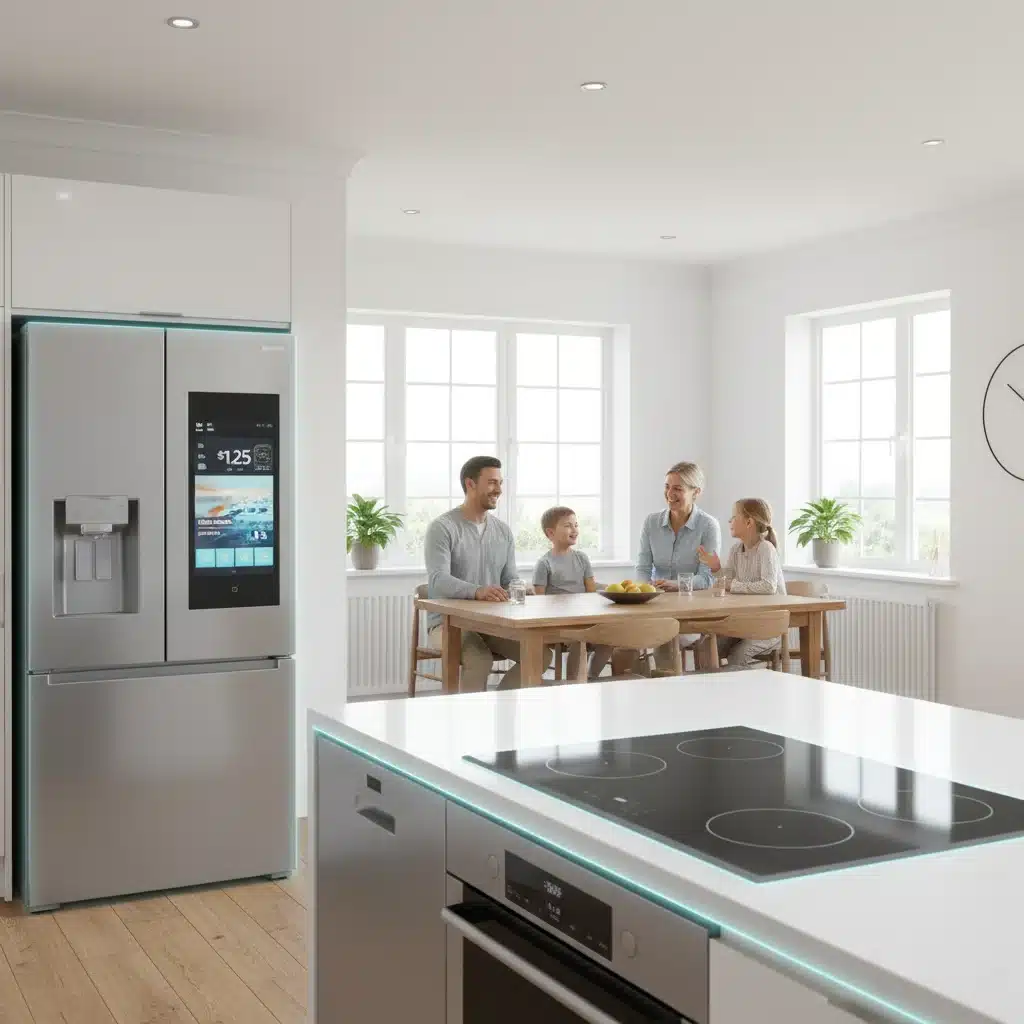
As we approach 2026, the landscape of home energy efficiency is evolving, bringing with it a wave of exciting opportunities for homeowners. With a renewed focus on sustainability and reducing carbon footprints, governments and utility providers are rolling out substantial incentives to encourage the adoption of energy-efficient technologies. For many, this translates into significant savings, particularly through the 2026 clean energy rebates available for energy-efficient appliances. Imagine upgrading your home with state-of-the-art appliances that not only perform better but also slash your utility bills, all while receiving financial assistance of over $2,000. This comprehensive guide will delve into everything you need to know about these upcoming rebates, ensuring you’re well-prepared to maximize your benefits.
The push for cleaner energy is not just an environmental initiative; it’s an economic one. By investing in energy-efficient appliances, consumers contribute to a more stable energy grid, reduce demand during peak hours, and foster innovation in green technologies. The 2026 clean energy rebates are a testament to this commitment, designed to make these crucial upgrades more accessible and affordable for a wider population. Whether you’re considering a new refrigerator, a heat pump, or an electric vehicle charger, understanding the nuances of these programs is key to unlocking their full potential.
Understanding the 2026 Clean Energy Rebates: A General Overview
The term “2026 clean energy rebates” encompasses a broad spectrum of financial incentives aimed at promoting energy efficiency and renewable energy adoption. These rebates are typically offered by federal, state, and local governments, as well as utility companies. While the exact details can vary significantly based on your location and the specific program, the overarching goal remains consistent: to reduce the upfront cost of energy-efficient upgrades for consumers. The year 2026 is particularly significant as many existing programs are being re-evaluated, expanded, or new ones introduced, often with increased funding and broader eligibility criteria.
Historically, energy rebates have proven to be highly effective in driving consumer behavior towards more sustainable choices. The 2026 clean energy rebates are expected to build upon this success, offering compelling reasons for homeowners to invest in everything from high-efficiency HVAC systems to smart thermostats and energy-saving windows. The key is to stay informed about the specific programs available in your area and to plan your upgrades strategically to align with rebate deadlines and requirements. Many of these programs are designed to be stackable, meaning you might be able to combine multiple incentives to achieve even greater savings.
One of the most appealing aspects of the 2026 clean energy rebates is the potential for substantial financial return. Beyond the immediate rebate, homeowners benefit from lower utility bills for years to come, increased home value, and a reduced environmental impact. This makes energy-efficient upgrades a win-win situation, providing both immediate and long-term financial and environmental advantages. As you navigate the details of these programs, remember that thorough research and careful planning will be your best allies.
Who is Eligible for the 2026 Clean Energy Rebates?
Eligibility for the 2026 clean energy rebates can be a complex mosaic, varying significantly across different programs and jurisdictions. However, several common threads typically run through most rebate initiatives. Generally, homeowners are the primary beneficiaries, though some programs may extend to renters, businesses, or even landlords making upgrades to rental properties. The most crucial aspect of eligibility often revolves around the type of appliance or improvement being made and its energy efficiency rating.
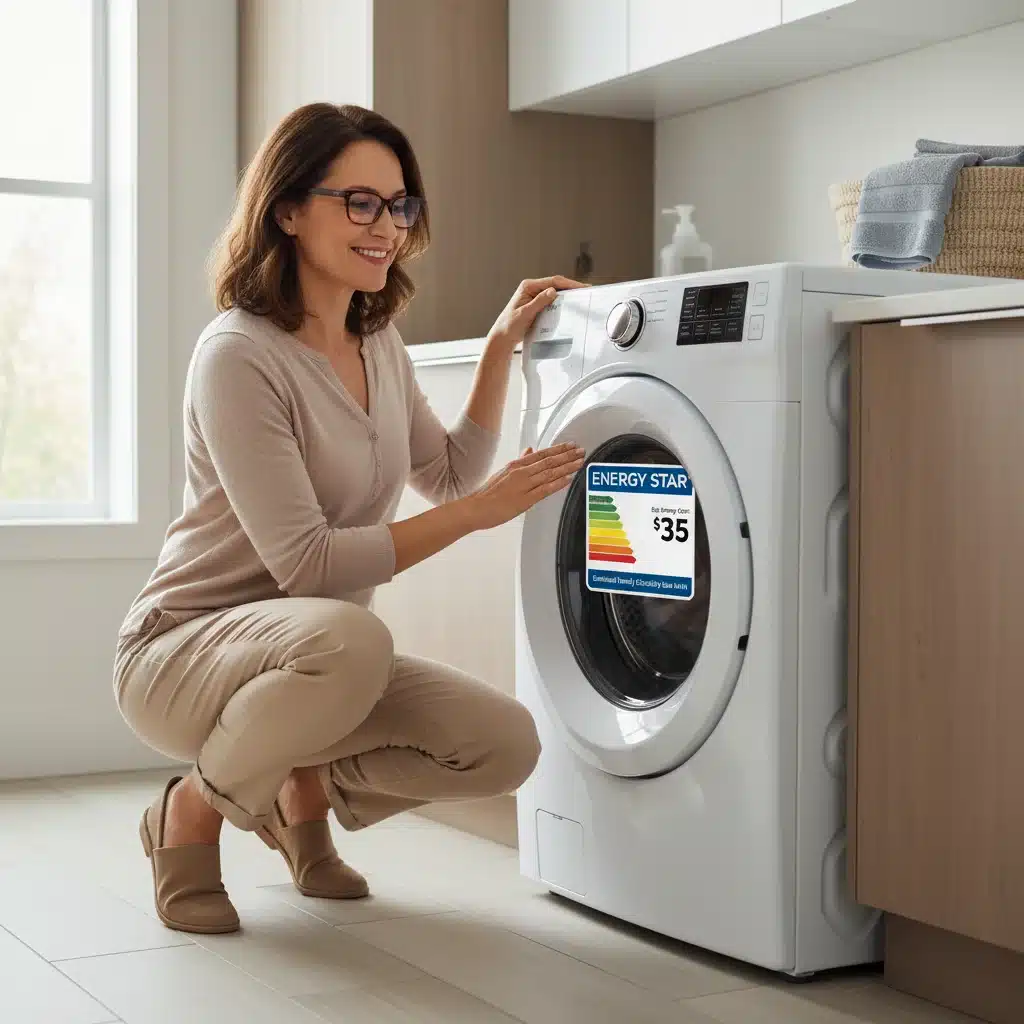
For appliance rebates, a common requirement is that the new appliance must meet or exceed specific energy efficiency standards, often indicated by an ENERGY STAR certification. This certification signifies that the product meets strict energy efficiency guidelines set by the U.S. Environmental Protection Agency (EPA) and the U.S. Department of Energy (DOE). When considering purchases, always look for the ENERGY STAR label, as it’s a direct indicator of eligibility for many 2026 clean energy rebates.
Beyond the appliance itself, other eligibility factors might include:
- Income Levels: Some programs are income-qualified, offering higher rebates or additional assistance to low-to-moderate-income households.
- Residency: You must typically reside in the service area of the utility company or within the jurisdiction offering the rebate.
- Existing Equipment: Certain rebates might require you to replace an older, less efficient appliance with a new, high-efficiency model.
- Installation Requirements: Some programs mandate professional installation by certified contractors to ensure proper functioning and maximize energy savings.
- Purchase Date: Rebates often have specific purchase and installation date windows, so it’s essential to check the validity period.
- Funding Availability: Many rebate programs operate on a first-come, first-served basis until funds are exhausted, making timely application critical.
It’s important to verify these criteria for each specific rebate you’re interested in. Websites of your local utility company, state energy offices, and federal government portals are excellent resources for detailed eligibility information. Don’t assume that because you qualify for one type of rebate, you’ll qualify for all; each program has its own set of rules.
Maximizing Your Savings: Over $2,000 in 2026 Clean Energy Rebates
The prospect of saving over $2,000 through the 2026 clean energy rebates is a powerful motivator for many homeowners. Achieving this level of savings often involves a strategic approach, combining various incentives and making informed decisions about your energy-efficient upgrades. Here’s how you can maximize your potential rebates:
1. Identify Stackable Rebates and Tax Credits
One of the most effective strategies is to identify rebates and tax credits that can be combined. For instance, federal tax credits (like those often available through the Inflation Reduction Act for certain energy-efficient home improvements, which may extend or be updated for 2026) can often be claimed in addition to state, local, or utility company rebates. Researching these possibilities thoroughly can significantly increase your total savings. Look for programs that explicitly state they can be combined with other incentives.
2. Prioritize High-Impact Upgrades
Focus on upgrades that offer the highest rebate amounts and the most significant long-term energy savings. While a new dishwasher might offer a modest rebate, replacing an old furnace with a high-efficiency heat pump could qualify for a much larger incentive. Common high-impact upgrades include:
- Heat Pumps (HVAC and Water Heaters)
- High-Efficiency Furnaces and Boilers
- Advanced Insulation and Air Sealing
- Energy-Efficient Windows and Doors
- Solar Panels and Battery Storage Systems
- Electric Vehicle (EV) Chargers
Many of these larger projects are precisely where you’ll find the most substantial 2026 clean energy rebates.
3. Choose ENERGY STAR Certified Products
As mentioned, ENERGY STAR certification is often a prerequisite for many rebates. Always opt for products with this label. Not only do they qualify you for more incentives, but they also guarantee superior energy performance, leading to lower utility bills year after year. The small additional upfront cost for an ENERGY STAR appliance is usually quickly recouped through savings and rebates.
4. Work with Qualified Contractors
For major installations like HVAC systems or insulation, many 2026 clean energy rebates require the work to be performed by licensed and certified professionals. These contractors are often knowledgeable about available rebates and can even assist with the application process, ensuring all requirements are met. They can also help you identify the most energy-efficient solutions for your specific home.
5. Keep Meticulous Records
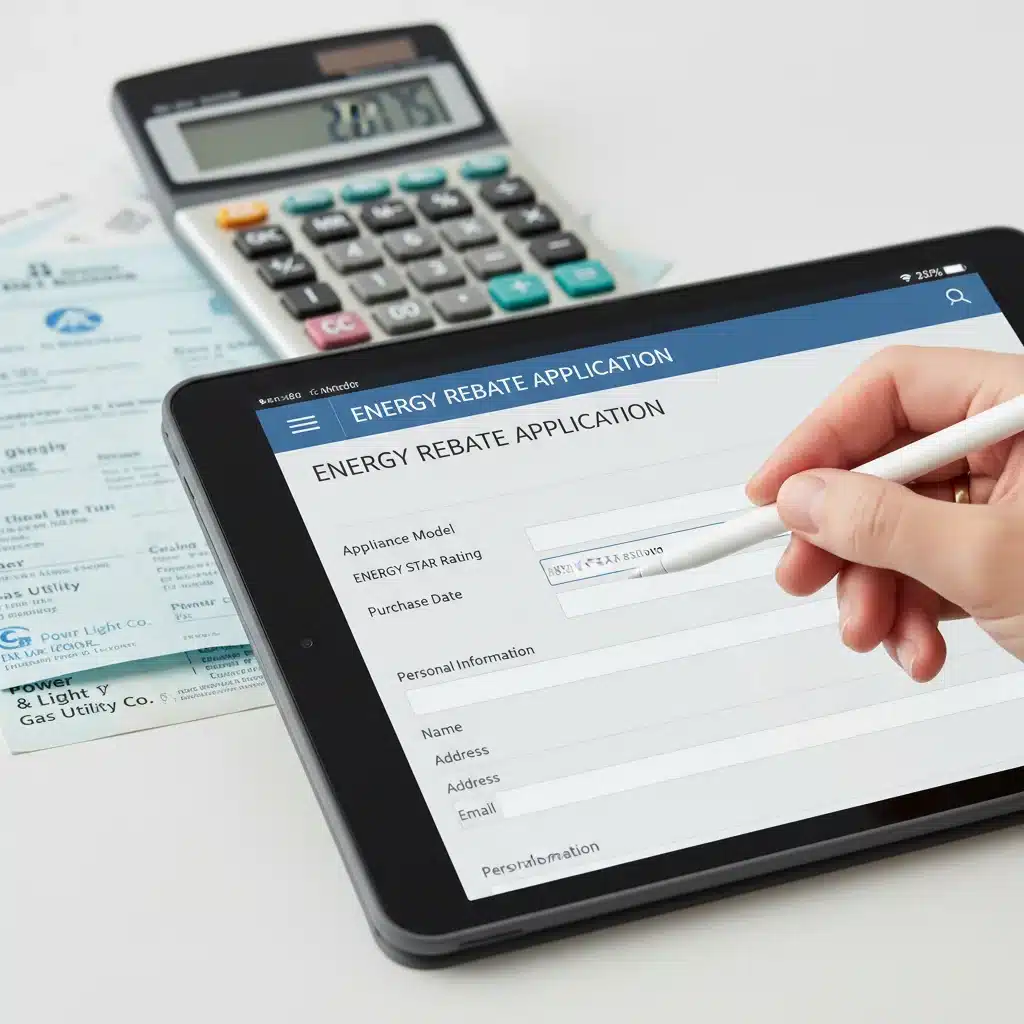
To successfully claim your rebates, you’ll need to provide documentation. This typically includes:
- Proof of purchase (receipts, invoices)
- Manufacturer’s specifications (showing ENERGY STAR rating, model number, etc.)
- Proof of installation (if applicable)
- Utility bills (sometimes required to show prior energy consumption)
- Completed application forms
Keep organized records of all these documents in a dedicated folder, either physical or digital, to simplify the application process for your 2026 clean energy rebates.
Specific Appliances and Upgrades Covered by 2026 Clean Energy Rebates
While the exact list of eligible appliances and upgrades can vary, several categories consistently feature in clean energy rebate programs. Understanding these can help you plan your home improvements effectively to take advantage of the 2026 clean energy rebates.
1. HVAC Systems
Heating, Ventilation, and Air Conditioning (HVAC) systems are among the largest energy consumers in most homes. Consequently, they are often a prime target for rebates. High-efficiency heat pumps (both air-source and geothermal), central air conditioners, and furnaces are frequently eligible. Look for models with high Seasonal Energy Efficiency Ratio (SEER), Energy Efficiency Ratio (EER), and Heating Seasonal Performance Factor (HSPF) ratings.
2. Water Heaters
Water heating can account for a significant portion of a household’s energy use. Tankless water heaters, heat pump water heaters, and solar water heaters are often eligible for substantial 2026 clean energy rebates due to their superior efficiency compared to traditional tank-style heaters.
3. Insulation and Weatherization
Improving your home’s thermal envelope is foundational to energy efficiency. Rebates are often available for upgrades like adding insulation to attics, walls, and crawl spaces, as well as for air sealing to prevent drafts. These improvements reduce the workload on your HVAC system, leading to long-term savings.
4. Windows and Doors
Replacing old, leaky windows and doors with ENERGY STAR certified models can dramatically improve your home’s insulation and reduce heat loss or gain. Many 2026 clean energy rebates will likely cover a portion of the cost for these upgrades, especially for products with low U-factor and Solar Heat Gain Coefficient (SHGC) ratings.
5. Major Kitchen and Laundry Appliances
While often smaller in individual rebate value, upgrading multiple kitchen and laundry appliances can add up. ENERGY STAR certified refrigerators, dishwashers, washing machines, and dryers are common candidates for rebates. These appliances use significantly less water and electricity than older models, leading to ongoing savings.
6. Smart Home Devices
Some programs also offer incentives for smart thermostats and other energy management systems that help optimize energy use by learning your habits and adjusting settings accordingly.
The Application Process for 2026 Clean Energy Rebates
Navigating the application process for 2026 clean energy rebates can seem daunting, but by breaking it down into manageable steps, you can ensure a smooth and successful claim. While specific steps may vary, the general outline remains consistent:
1. Research Available Programs
Start by identifying all potential rebates. Check federal government websites (like Energy.gov), your state’s energy office, your local utility company’s website, and even municipal government portals. Many organizations have dedicated sections for energy efficiency programs and rebates. Pay close attention to eligibility criteria, rebate amounts, and application deadlines for each program you identify.
2. Plan Your Upgrades
Once you know what’s available, plan which upgrades you want to pursue. Consider the cost, the potential energy savings, and the rebate amount. It’s often beneficial to prioritize upgrades that offer the greatest return on investment and address the biggest energy inefficiencies in your home.
3. Purchase and Install Eligible Products
Ensure that any appliance or material you purchase meets the specific requirements for the rebate (e.g., ENERGY STAR certified, specific efficiency ratings). Keep all original receipts, invoices, and product documentation. If professional installation is required, ensure your contractor is licensed and provides detailed invoices for their services.
4. Gather Required Documentation
As mentioned earlier, meticulous record-keeping is crucial. You’ll typically need:
- Proof of purchase (itemized receipts)
- Proof of installation (contractor invoices, if applicable)
- Manufacturer specification sheets (showing model number, serial number, energy ratings)
- Your utility account number or proof of residency
- Completed rebate application form
5. Complete and Submit the Application
Fill out the rebate application form completely and accurately. Many programs offer online applications, which can streamline the process. Double-check all information before submission to avoid delays or rejections. Attach all necessary documentation as specified by the program guidelines.
6. Follow Up
After submitting your application, keep a record of the submission date and any confirmation numbers. If you don’t hear back within the stated processing time, don’t hesitate to follow up with the program administrator. Patience is key, as processing times can sometimes be lengthy, especially during periods of high demand.
The Long-Term Benefits of Embracing Energy Efficiency
Beyond the immediate financial relief of the 2026 clean energy rebates, investing in energy-efficient appliances and home improvements offers a plethora of long-term benefits that extend far beyond your initial savings. These benefits underscore why these programs are so vital for both individual homeowners and the broader community.
1. Reduced Utility Bills
This is perhaps the most obvious long-term benefit. Energy-efficient appliances consume less electricity, gas, or water, directly translating into lower monthly utility expenses. Over the lifespan of the appliance, these savings can amount to thousands of dollars, far exceeding the initial rebate amount.
2. Increased Home Value
Homes equipped with modern, energy-efficient systems and appliances are highly attractive to potential buyers. Energy efficiency features are increasingly becoming a selling point, leading to higher property values and quicker sales. A home with lower operating costs is a more desirable asset in the real estate market.
3. Enhanced Home Comfort
Modern energy-efficient HVAC systems, windows, and insulation not only save energy but also significantly improve the comfort of your home. They provide more consistent temperatures, reduce drafts, and often operate more quietly than older, less efficient models. This creates a more pleasant living environment year-round.
4. Reduced Carbon Footprint
By consuming less energy, you contribute directly to a reduction in greenhouse gas emissions. This plays a crucial role in combating climate change and promoting a healthier planet. Participating in programs supported by the 2026 clean energy rebates allows you to be an active part of the solution.
5. Greater Energy Independence and Security
A more energy-efficient home is less reliant on external energy sources and susceptible to price fluctuations. This contributes to greater energy independence for individual households and enhances overall energy security for the nation.
6. Extended Appliance Lifespan
Often, energy-efficient appliances are designed with higher quality components and advanced technology, which can lead to a longer operational lifespan compared to their less efficient counterparts. This means fewer replacements and reduced maintenance costs over time.
The 2026 clean energy rebates are more than just a temporary financial perk; they are an invitation to invest in a more sustainable, comfortable, and financially sound future for your home. By taking advantage of these incentives, you’re not just saving money; you’re making a smart, forward-thinking decision that benefits you, your family, and the environment for years to come.
Preparing for 2026: What You Can Do Now
Even though 2026 is still some time away, there are proactive steps you can take now to ensure you’re ready to capitalize on the upcoming clean energy rebates. Early preparation can make a significant difference in maximizing your savings and streamlining the application process.
1. Start Researching Current Programs
While this article focuses on 2026, many similar rebate programs exist today. Familiarize yourself with the types of rebates currently available from your local utility companies, state energy offices, and federal programs. This will give you a good understanding of the common requirements, eligible products, and application procedures that are likely to carry over or be updated for 2026. Websites like DSIRE (Database of State Incentives for Renewables & Efficiency) are excellent resources for state-specific information.
2. Conduct a Home Energy Audit
An energy audit can pinpoint where your home is losing energy and identify the most impactful upgrades. Many utility companies offer free or low-cost energy audits. This assessment will provide a roadmap for your energy efficiency projects, helping you prioritize which appliances or improvements will yield the greatest savings and qualify for the most substantial 2026 clean energy rebates.
3. Budget and Plan for Upgrades
Even with rebates, energy-efficient upgrades often require an initial investment. Start budgeting now for potential purchases. Research the costs of various ENERGY STAR certified appliances and home improvements. Having a financial plan in place will make it easier to act quickly when new 2026 clean energy rebates become available.
4. Stay Informed
Sign up for newsletters from your utility company, state energy agencies, and relevant federal departments. Follow energy efficiency news sources. Program details for 2026 clean energy rebates will be released gradually, and staying informed will ensure you don’t miss out on crucial updates or application windows.
5. Get Quotes from Qualified Contractors
For larger projects like HVAC replacements or insulation upgrades, start getting quotes from licensed and reputable contractors. Discuss their experience with energy efficiency programs and ask if they can assist with rebate applications. Building these relationships now can save you time and hassle later.
6. Review Your Current Appliances
Take stock of your existing appliances. Note their age, model numbers, and estimated energy consumption. This information will be valuable when comparing them to new, energy-efficient alternatives and assessing which upgrades will provide the greatest return through 2026 clean energy rebates and ongoing savings.
By taking these preparatory steps, you’ll be well-positioned to take full advantage of the 2026 clean energy rebates when they become widely available. Don’t wait until the last minute; proactive planning is the key to unlocking significant savings and contributing to a greener future.
Conclusion: Embrace a Greener, More Affordable Future with 2026 Clean Energy Rebates
The upcoming 2026 clean energy rebates represent a significant opportunity for homeowners across the nation to make impactful, sustainable changes to their living spaces while enjoying substantial financial benefits. With the potential to save over $2,000 on energy-efficient appliances and home improvements, there has never been a better time to consider upgrading your home for the future.
From high-efficiency HVAC systems and water heaters to ENERGY STAR certified kitchen and laundry appliances, the array of eligible products is designed to tackle the biggest energy drains in your household. By strategically planning your upgrades, meticulously documenting your purchases, and staying informed about program specifics, you can navigate the application process with ease and confidence.
Beyond the immediate financial incentives, remember the enduring advantages: lower utility bills, increased home value, enhanced comfort, and a reduced carbon footprint. These long-term benefits underscore the profound positive impact of embracing energy efficiency. The 2026 clean energy rebates are more than just a temporary financial boost; they are a gateway to a greener, more affordable, and more comfortable lifestyle.
Start your research today, assess your home’s energy needs, and prepare to seize the opportunities that 2026 will bring. Your wallet and the planet will thank you.