DOE’s $10 Billion Grid Modernization Investment for 2025

The Department of Energy announced a landmark $10 billion investment in grid modernization for 2025, targeting enhanced resilience, reliability, and the seamless integration of diverse energy sources across the United States.
The energy landscape in the United States is on the cusp of a transformative change. The Department of Energy (DOE) has announced a monumental $10 billion investment in grid modernization for 2025, signaling a robust commitment to fortifying the nation’s electrical infrastructure. This isn’t just about upgrading old wires; it’s about building a resilient, intelligent, and sustainable energy future for all Americans, integrating cutting-edge technologies to meet the demands of tomorrow.
Understanding the Need for Grid Modernization
The existing electrical grid in the United States, largely built in the mid-20th century, faces significant challenges. It struggles with aging infrastructure, increasing demand, and the growing complexities introduced by climate change and cybersecurity threats. These vulnerabilities often lead to widespread power outages and inefficiencies, disrupting daily life and impacting the economy.
Modernizing the grid is not merely an option; it’s an imperative. It involves transitioning from a centralized, unidirectional system to a decentralized, bidirectional network capable of handling diverse energy sources, from large-scale power plants to distributed rooftop solar arrays. This shift is crucial for ensuring energy security and reliability in an increasingly interconnected world.
Aging Infrastructure and Growing Demands
Many components of the current grid, including transmission lines, transformers, and substations, are decades old and nearing the end of their operational lifespan. This aging infrastructure is less efficient and more prone to failures. Simultaneously, electricity demand continues to grow, driven by population increases, electrification of transportation, and digital advancements.
- Outdated equipment leads to frequent breakdowns.
- Increased demand strains existing capacities.
- Maintenance costs are rising for older systems.
Climate Change and Extreme Weather Events
The frequency and intensity of extreme weather events, such as hurricanes, wildfires, and severe storms, are escalating due to climate change. These events pose significant threats to the grid, causing extensive damage and prolonged outages. A modernized grid must be designed to withstand these challenges, incorporating features that enhance its resilience and ability to recover quickly.
The need for a more robust infrastructure that can endure environmental stressors is paramount. This includes incorporating technologies that allow for quick isolation of damaged sections and rerouting power, minimizing the impact on consumers.
Cybersecurity Threats and System Resilience
As the grid becomes more digitized and interconnected, it also becomes a more attractive target for cyberattacks. Protecting this critical infrastructure from malicious actors is a top national security priority. Grid modernization efforts must integrate advanced cybersecurity measures to safeguard operational technology and data, ensuring the integrity and continuous operation of the power system.
Ultimately, a modernized grid will not only be more efficient but also more secure, capable of resisting both physical and digital threats. This holistic approach ensures that the nation’s energy supply remains stable and protected.
Key Pillars of the $10 Billion Investment
The Department of Energy’s $10 billion investment is strategically allocated across several critical areas, each designed to address specific challenges and opportunities within the energy sector. These pillars collectively aim to create a comprehensive, resilient, and future-ready grid. The initiative is a multi-faceted approach, emphasizing not just technological upgrades but also operational enhancements and workforce development.
This substantial funding is expected to catalyze innovation, foster public-private partnerships, and accelerate the deployment of cutting-edge solutions across the country. The long-term vision is to establish a grid that can adapt to changing energy demands and environmental conditions.
Enhancing Grid Resilience and Reliability
A primary focus of the investment is to bolster the grid’s ability to withstand and recover from disruptions. This includes upgrading physical infrastructure to be more resilient against extreme weather, as well as implementing smart technologies that can detect and isolate faults rapidly. The goal is to minimize the duration and impact of power outages, ensuring a more consistent power supply for homes and businesses.
- Deployment of advanced sensors and monitoring systems.
- Strengthening transmission and distribution lines.
- Developing microgrids for localized resilience.
Integrating Renewable Energy Sources
The transition to clean energy is a cornerstone of the DOE’s strategy. The investment will facilitate the seamless integration of intermittent renewable energy sources, such as solar and wind power, into the grid. This requires sophisticated energy management systems, advanced storage solutions, and flexible grid operations that can balance supply and demand effectively.
By enabling greater renewable energy penetration, the investment supports the nation’s climate goals and reduces reliance on fossil fuels. This integration is vital for achieving a sustainable energy future.
Developing Smart Grid Technologies
Smart grid technologies are at the heart of modernization efforts. These include advanced metering infrastructure (AMI), demand response systems, and automated control systems that allow for real-time monitoring and management of electricity flow. These technologies enhance efficiency, reduce waste, and empower consumers with more control over their energy consumption.
The adoption of smart grid solutions will unlock new possibilities for energy optimization, making the grid more responsive and adaptive to dynamic conditions. This will lead to a more efficient and cost-effective energy delivery system.
Technological Innovations Driving Grid Modernization
The $10 billion investment will fuel significant advancements in various technological domains, propelling the United States towards a more intelligent and efficient energy infrastructure. These innovations are not just theoretical; many are already being piloted and are poised for widespread deployment, promising a fundamental shift in how electricity is generated, transmitted, and consumed.
From advanced materials to sophisticated software, the technological frontier of grid modernization is vast and rapidly expanding. The DOE’s funding will ensure that the U.S. remains at the forefront of these developments, fostering a competitive edge in global energy innovation.
Advanced Energy Storage Solutions
Energy storage is critical for integrating intermittent renewables and enhancing grid stability. The investment will support the development and deployment of various storage technologies, including large-scale batteries, pumped-hydro storage, and thermal energy storage. These solutions help balance supply and demand, store excess renewable energy, and provide backup power during outages.
By enabling energy to be stored when plentiful and released when needed, these technologies mitigate the variability of renewable sources, ensuring a consistent and reliable power supply. This is a game-changer for grid flexibility.
High-Voltage Direct Current (HVDC) Transmission
HVDC transmission lines offer a more efficient way to transport large amounts of electricity over long distances with minimal loss, especially important for connecting remote renewable energy sites to urban centers. The DOE investment will accelerate the deployment of HVDC technology, improving the overall efficiency and capacity of the transmission network.
This technology is particularly beneficial for interstate power transfer, allowing regions with abundant renewable resources to share clean energy with those that need it most, fostering a more interconnected national grid.
Artificial Intelligence and Machine Learning for Grid Management
AI and machine learning algorithms are being increasingly applied to optimize grid operations. These technologies can analyze vast amounts of data to predict energy demand, identify potential equipment failures, and optimize power flow in real-time. This leads to more efficient, reliable, and responsive grid management.
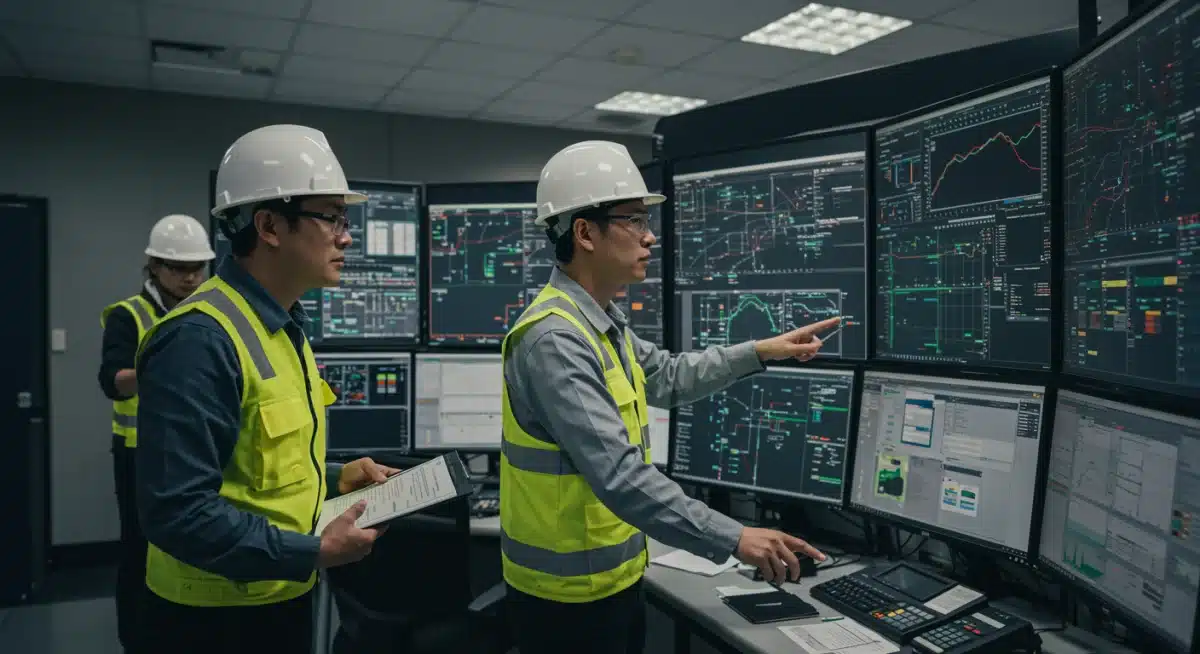
The predictive capabilities of AI can help prevent outages before they occur, reducing operational costs and enhancing overall system performance. This intelligent approach transforms reactive maintenance into proactive management.
Economic Impact and Job Creation
Beyond the direct benefits to the energy infrastructure, the Department of Energy’s $10 billion investment is projected to have a substantial positive impact on the U.S. economy, particularly in terms of job creation and fostering innovation. This funding acts as an economic stimulus, driving growth in various sectors and creating new opportunities for American workers.
The ripple effects of this investment will be felt across industries, from manufacturing and construction to technology development and professional services. It underscores a commitment not only to energy independence but also to economic prosperity.
Stimulating Green Economy Growth
The focus on clean energy and smart grid technologies will accelerate the growth of the green economy. This includes increased demand for renewable energy components, energy storage systems, and advanced grid software. This growth will foster new businesses, attract private investment, and position the U.S. as a leader in sustainable energy solutions.
- Increased investment in renewable energy manufacturing.
- Expansion of research and development in clean tech.
- Development of new energy-efficient products and services.
Creating High-Paying Jobs
Grid modernization projects are labor-intensive, requiring a skilled workforce across a wide range of disciplines. The investment will create thousands of high-paying jobs in engineering, construction, manufacturing, cybersecurity, and data analytics. These jobs will not only boost employment but also enhance the nation’s technical capabilities.
Training programs and educational initiatives will be crucial to prepare the workforce for these new roles, ensuring that Americans have the skills needed to build and maintain the grid of the future. This represents a long-term investment in human capital.
Boosting Local Economies
Many grid modernization projects will be implemented at the local level, leading to direct economic benefits for communities across the country. This includes local job creation, increased tax revenues, and improved energy services for residents and businesses. The investment promotes regional development and strengthens local economies.
By investing in local infrastructure, the DOE is supporting community resilience and economic stability, ensuring that the benefits of modernization are widely distributed. This localized approach ensures a broad impact.
Challenges and Future Outlook
While the $10 billion investment in grid modernization offers immense promise, it is not without its challenges. The scale and complexity of transforming a nationwide infrastructure require careful planning, coordination, and sustained commitment. Addressing these hurdles will be crucial for the successful realization of a truly modern and resilient grid.
The journey to a fully modernized grid is a long-term endeavor, demanding continuous innovation and adaptation. However, the potential rewards in terms of energy security, environmental sustainability, and economic growth are substantial, making the effort entirely worthwhile.
Overcoming Regulatory and Interoperability Hurdles
Modernizing the grid involves navigating a complex web of federal, state, and local regulations. Ensuring interoperability between diverse technologies and systems from various vendors is also a significant challenge. Streamlining regulatory processes and establishing common standards will be essential for efficient deployment.
Collaboration among stakeholders, including utilities, regulators, technology providers, and policymakers, is vital to overcome these barriers and foster a cohesive approach to modernization.
Workforce Development and Training
The rapid evolution of grid technologies necessitates a highly skilled workforce. There is a pressing need to train and re-skill workers to manage and maintain advanced smart grid systems, cybersecurity protocols, and renewable energy infrastructure. Investing in education and vocational programs is paramount.
Ensuring a pipeline of qualified professionals will be key to sustaining the momentum of grid modernization and maximizing the impact of the DOE’s investment. This human element is as crucial as the technological advancements.
Long-Term Vision and Sustainable Funding
The $10 billion investment is a significant first step, but grid modernization is an ongoing process that will require sustained funding and a long-term vision. Future investments will be necessary to continue upgrading infrastructure, integrating new technologies, and adapting to evolving energy needs and environmental conditions.
A consistent commitment from both public and private sectors will ensure that the United States continues to build upon this foundation, achieving a truly robust, secure, and sustainable energy future for generations to come.
The Role of Public-Private Partnerships
The ambitious scope of grid modernization necessitates more than just governmental funding; it requires robust collaboration between the public and private sectors. Public-private partnerships (PPPs) are essential for leveraging diverse expertise, sharing risks, and mobilizing the vast resources needed to transform the nation’s energy infrastructure effectively. These partnerships bring together the strategic vision and regulatory oversight of government with the innovation, efficiency, and capital of private industry.
By fostering these collaborations, the Department of Energy aims to accelerate the deployment of cutting-edge technologies and best practices. This ensures that the investment is not only financially sound but also strategically optimized for maximum impact and sustainability.
Leveraging Private Sector Innovation
Private companies, particularly those in the technology and energy sectors, are at the forefront of innovation. They develop the advanced sensors, AI-driven software, and energy storage solutions that are critical for a modern grid. PPPs allow the DOE to tap into this expertise, bringing market-driven solutions to critical infrastructure projects.
- Access to proprietary technologies and research.
- Faster development cycles and deployment.
- Specialized expertise in cybersecurity and data management.
Sharing Investment Risks and Resources
Grid modernization projects often involve substantial capital expenditures and inherent risks. PPPs enable the sharing of these financial burdens and risks between public and private entities. This collaborative approach can make large-scale projects more feasible and attractive for all parties involved, ensuring that the necessary resources are allocated efficiently.
The pooling of resources, including financial capital, human talent, and technological assets, allows for a more comprehensive and resilient approach to infrastructure development, spreading the load and ensuring project completion.
Accelerating Deployment and Scalability
Private sector involvement can significantly accelerate the deployment of new technologies and infrastructure upgrades. Companies often have streamlined processes, established supply chains, and the capacity to scale operations more rapidly than government agencies alone. This agility is crucial for meeting the urgent demands of grid modernization.
PPPs facilitate the speedy implementation of projects, ensuring that the benefits of the $10 billion investment are realized sooner. This also helps in creating a more dynamic and responsive energy landscape, capable of adapting to future challenges.
Impact on Consumers and Energy Bills
The Department of Energy’s $10 billion investment in grid modernization for 2025 is ultimately designed to benefit American consumers, not just through enhanced reliability and resilience, but also through potential impacts on energy bills and access to cleaner energy. While initial investments might seem substantial, the long-term benefits are expected to outweigh the costs, leading to a more stable and potentially more affordable energy future.
Understanding how these changes will translate to the average household is crucial for public acceptance and support of these large-scale infrastructure projects. The goal is to create a system that is both advanced and equitable, providing tangible advantages to everyday users.
Improved Reliability and Reduced Outages
One of the most immediate and tangible benefits for consumers will be a significant improvement in grid reliability. A modernized grid, less prone to failures and quicker to recover from disruptions, means fewer power outages. This translates to less inconvenience for households and businesses, preventing lost productivity and spoiled goods.
The reduction in outage frequency and duration will save consumers money by preventing damage to appliances and reducing the need for costly backup solutions. This direct improvement in service quality is a primary driver of the investment.
Potential for Lower Energy Costs Long-Term
While some initial costs may be passed on, the long-term goal of grid modernization is to reduce overall energy costs. By improving efficiency, integrating cheaper renewable energy sources, and reducing transmission losses, the modernized grid can lead to more stable and potentially lower electricity rates over time. Smart grid technologies also empower consumers to manage their energy consumption more effectively.
Demand response programs, enabled by smart meters, can incentivize consumers to shift energy use during peak hours, further contributing to cost savings and reducing strain on the grid. This creates a more dynamic and economically efficient system for all.
Greater Access to Clean and Affordable Energy
The investment’s focus on integrating renewable energy sources means consumers will have greater access to cleaner electricity, reducing their carbon footprint. As renewable energy technologies become more cost-effective, this transition can also lead to more affordable energy options, especially in regions with abundant natural resources like solar and wind.
This shift aligns with broader environmental goals, providing a sustainable energy future for generations to come while offering economic benefits to consumers through diverse and competitive energy sources.
| Key Aspect | Brief Description |
|---|---|
| Investment Amount | $10 billion allocated by the Department of Energy for 2025. |
| Primary Goal | Enhance grid resilience, reliability, and integrate renewables. |
| Key Technologies | Smart grid, energy storage, HVDC transmission, AI/ML. |
| Economic Impact | Job creation, green economy growth, local economic boost. |
Frequently Asked Questions About Grid Modernization
The primary objective is to modernize the U.S. electrical grid by enhancing its resilience, reliability, and security. It also aims to facilitate the integration of renewable energy sources and deploy advanced smart grid technologies, ensuring a sustainable and robust energy future for the nation.
This investment will significantly improve energy reliability by strengthening aging infrastructure, deploying advanced sensors to detect faults faster, and creating systems more resilient to extreme weather and cyber threats. This will lead to fewer and shorter power outages for consumers.
Yes, the $10 billion investment is expected to create thousands of high-paying jobs across various sectors, including engineering, construction, manufacturing, cybersecurity, and data analytics. It will stimulate growth in the green economy and foster local economic development.
Grid modernization is crucial for integrating renewable energy by enabling advanced energy storage, smart management systems, and flexible operations that can handle intermittent sources like solar and wind. This facilitates a cleaner energy transition and reduces reliance on fossil fuels.
For consumers, long-term benefits include improved energy reliability, potentially lower energy costs through increased efficiency and renewable integration, and greater access to clean, sustainable power. It also means a more secure and resilient energy supply for daily life.
Conclusion
The Department of Energy’s $10 billion investment in grid modernization for 2025 represents a pivotal moment for the United States’ energy future. This strategic allocation of funds is not merely an upgrade; it’s a comprehensive transformation designed to build a more resilient, reliable, and sustainable electrical infrastructure. By embracing cutting-edge technologies, fostering public-private partnerships, and prioritizing both energy security and environmental stewardship, the nation is poised to meet the complex energy demands of today and tomorrow. This initiative promises not only to fortify our power systems against emerging threats but also to stimulate economic growth, create jobs, and ultimately deliver a cleaner, more stable energy supply to every American home and business.