2025 Federal Guidelines for Clean Energy Workforce Training: Educator’s Guide
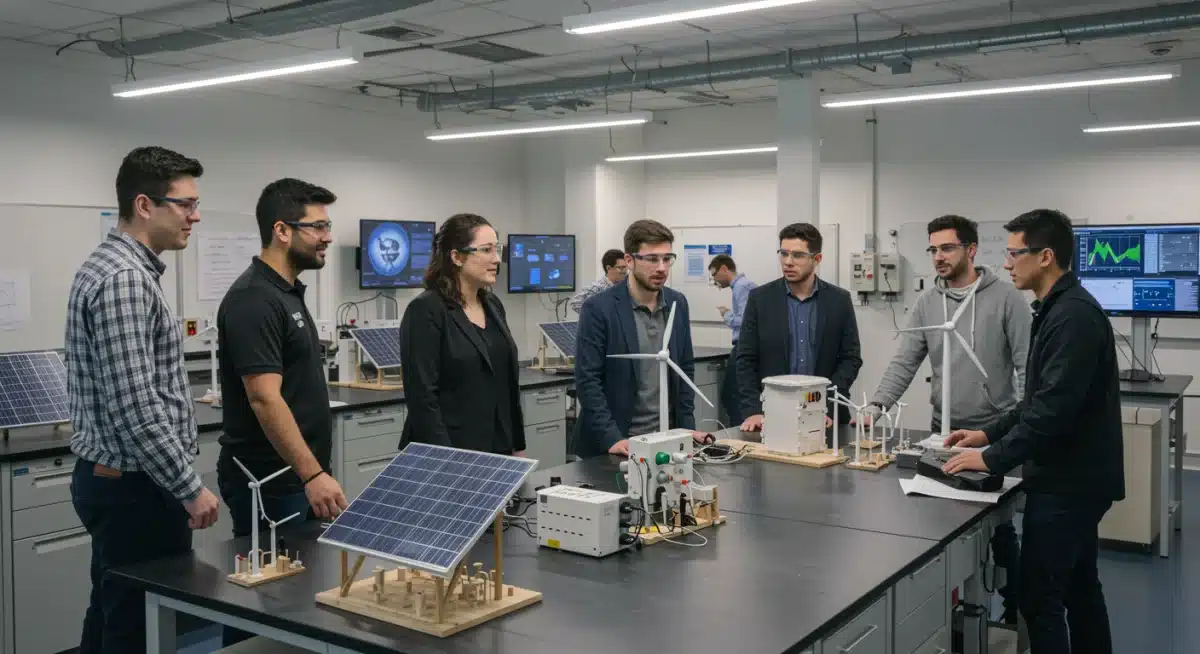
The 2025 federal guidelines for clean energy workforce training represent a pivotal shift, emphasizing skill development and program alignment to meet the escalating demands of the green economy, requiring immediate attention from educational institutions.
Are you an educator navigating the evolving landscape of green jobs? Understanding the latest 2025 federal guidelines for clean energy workforce training is not just beneficial, it’s essential for shaping the next generation of skilled professionals. This comprehensive guide breaks down what these critical updates mean for your programs and how to effectively prepare your students for the burgeoning clean energy sector.
Understanding the Mandate: Why New Guidelines Now?
The push for new federal guidelines in clean energy workforce training stems from a critical need to accelerate the transition to a sustainable economy. As the United States commits to ambitious climate goals, the demand for a skilled workforce capable of designing, installing, maintaining, and innovating clean energy technologies has skyrocketed. These guidelines are designed to standardize training quality and ensure that educational programs are aligned with industry needs.
This evolving landscape necessitates that educators stay ahead of the curve, adapting their curricula to reflect the most current technologies and job requirements. The federal government’s investment in clean energy infrastructure and initiatives directly translates into increased opportunities for individuals with specialized training. Therefore, understanding the underlying motivations behind these new mandates is the first step toward effective program development.
The Economic Imperative for Green Jobs
The clean energy sector is not just an environmental imperative; it’s a significant economic driver. Projections indicate millions of new jobs will be created in areas such as renewable energy generation, energy efficiency, electric vehicle infrastructure, and sustainable manufacturing. These jobs often offer competitive wages and long-term career stability, making them attractive pathways for students.
- Job Growth: Rapid expansion in solar, wind, and battery storage industries.
- Economic Resilience: Diversifying the energy portfolio reduces reliance on volatile fossil fuel markets.
- Innovation Hub: The sector fosters continuous technological advancement and research.
Ultimately, these guidelines are a strategic response to both environmental challenges and economic opportunities, aiming to build a robust and ready workforce for the future.
Key Pillars of the 2025 Federal Guidelines
The 2025 federal guidelines are structured around several core pillars, each designed to strengthen the clean energy workforce pipeline. These pillars address various aspects, from curriculum content to partnerships and accessibility, ensuring a holistic approach to training. Educators must familiarize themselves with these foundational elements to effectively integrate them into their programs.
At their heart, the guidelines aim to foster a skilled, diverse, and adaptable workforce ready to tackle the complexities of the clean energy transition. They emphasize not only technical prowess but also critical thinking and problem-solving abilities.
Curriculum Modernization and Standardization
A significant focus of the new guidelines is on modernizing curricula to reflect current industry standards and emerging technologies. This includes integrating new material on advanced grid systems, energy storage solutions, and digital tools for energy management. Standardization ensures that graduates from different programs possess a consistent baseline of knowledge and skills.
- Technology Integration: Emphasis on smart grids, AI in energy, and advanced materials.
- Skill-Based Learning: Prioritizing hands-on experience and practical application.
- Industry Alignment: Ensuring curricula meet the specific needs of employers.
These updates are crucial for ensuring that training programs produce graduates who are immediately employable and can contribute effectively to the clean energy sector.
Funding Opportunities and Resource Allocation
To support the implementation of these new guidelines, the federal government has earmarked substantial funding and resources. Understanding how to access these opportunities is vital for educational institutions looking to expand or establish clean energy training programs. These resources can cover everything from equipment upgrades to faculty development and student scholarships.
Navigating the various grant programs and funding streams can be complex, but it is a necessary step for institutions seeking to maximize their impact and reach. The guidelines often provide clear pathways for applications and criteria for eligibility, making the process more transparent.
Federal Grants and Partnerships
A key aspect of resource allocation involves federal grants designed to foster partnerships between educational institutions, industry, and community organizations. These collaborative efforts are essential for creating comprehensive training ecosystems that address regional workforce needs.
- Department of Energy Grants: Supporting research, development, and deployment of clean energy technologies.
- Department of Labor Programs: Focusing on workforce training and apprenticeship initiatives.
- State-Level Incentives: Often complementing federal efforts with localized funding opportunities.
Securing these funds requires a clear understanding of federal priorities and a well-articulated plan demonstrating how the proposed program aligns with the new guidelines.
Building Effective Partnerships: Industry and Community Collaboration
The 2025 federal guidelines strongly emphasize the importance of robust partnerships between educational institutions, clean energy industries, and local communities. These collaborations are crucial for ensuring that training programs are relevant, responsive, and provide clear pathways to employment for graduates. Effective partnerships can lead to shared resources, internships, and direct job placement opportunities.
Engaging with industry leaders provides invaluable insights into current and future skill demands, allowing educators to tailor their curricula accordingly. Community involvement ensures that training programs are accessible and beneficial to a diverse range of students, including those from underserved populations.
Creating Synergistic Training Ecosystems
Successful partnerships go beyond simple memorandums of understanding; they involve active collaboration in curriculum design, faculty training, and student mentorship. This synergistic approach creates a dynamic learning environment that bridges the gap between academic theory and practical application.
- Advisory Boards: Industry experts guiding curriculum development.
- Apprenticeship Programs: Combining classroom instruction with on-the-job training.
- Equipment Sharing: Access to cutting-edge technology through industry partners.
These collaborations are instrumental in providing students with real-world experience and ensuring that they are job-ready upon graduation.
Ensuring Equity and Accessibility in Training Programs
A core tenet of the 2025 federal guidelines is the commitment to equity and accessibility in clean energy workforce training. This means actively working to remove barriers for underrepresented groups, including women, minorities, veterans, and individuals from low-income communities. The goal is to create a diverse workforce that reflects the broader population and ensures that the benefits of the clean energy transition are widely shared.
Educators are encouraged to develop inclusive recruitment strategies, provide support services, and design programs that accommodate diverse learning styles and backgrounds. This focus on equity is not just a moral imperative but also a strategic one, as a diverse workforce brings a wider range of perspectives and innovation to the sector.
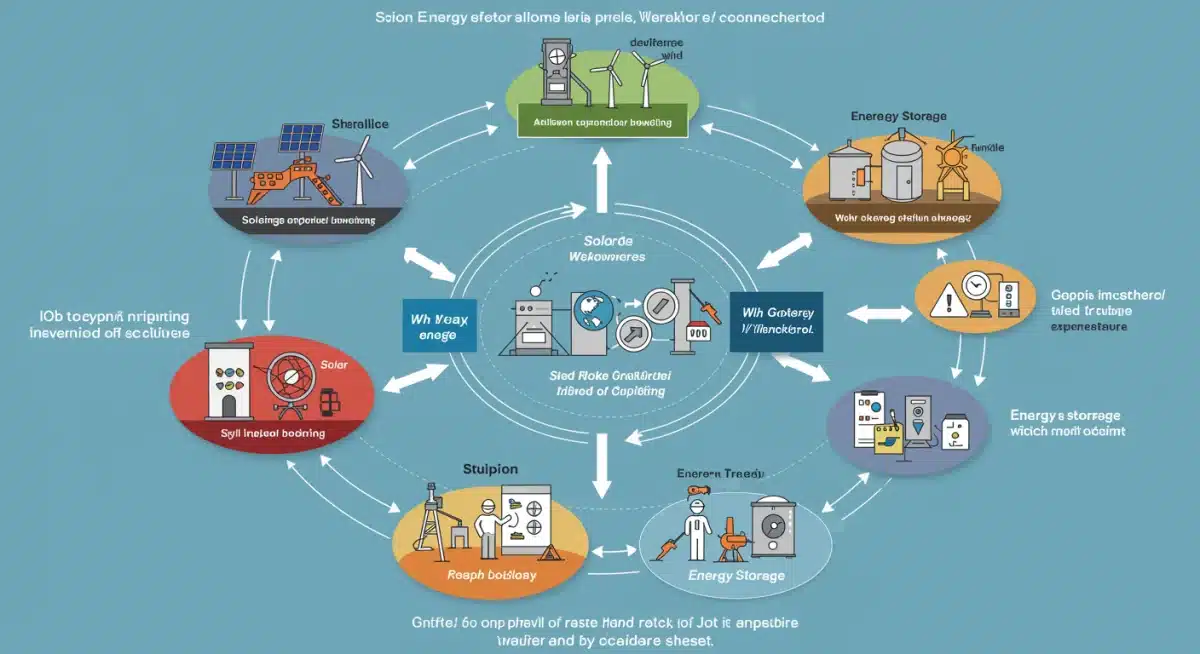
Strategies for Inclusive Recruitment and Support
Implementing strategies that promote inclusivity requires a proactive approach. This involves outreach to diverse communities, offering flexible scheduling options, and providing financial aid or scholarships to reduce economic barriers. Support services, such as mentorship programs and academic counseling, are also vital for student success.
- Targeted Outreach: Engaging with community organizations and diverse high schools.
- Flexible Learning Paths: Offering online, hybrid, and part-time training options.
- Wrap-around Support: Providing childcare, transportation, and financial literacy resources.
By prioritizing equity and accessibility, educational institutions can ensure that the clean energy workforce is not only skilled but also truly representative of society.
Navigating Compliance and Reporting Requirements
Adhering to the 2025 federal guidelines for clean energy workforce training involves more than just curriculum adjustments; it also includes navigating specific compliance and reporting requirements. Educational institutions receiving federal funding or participating in federal programs must meticulously track their progress, outcomes, and adherence to established standards.
This administrative aspect ensures accountability and transparency, demonstrating that federal investments are yielding tangible results in workforce development. Understanding these requirements from the outset can save significant time and effort in the long run.
Key Reporting Metrics and Best Practices
Federal guidelines often specify key performance indicators (KPIs) that programs must report on. These metrics typically include student enrollment, completion rates, job placement rates, and wage outcomes. Adopting best practices in data collection and reporting can streamline this process.
- Data Management Systems: Implementing robust systems for tracking student progress and outcomes.
- Regular Audits: Conducting internal reviews to ensure compliance with federal regulations.
- Transparency: Maintaining open communication with federal agencies regarding program challenges and successes.
Diligent compliance and accurate reporting are essential for maintaining eligibility for federal support and demonstrating the effectiveness of clean energy training initiatives.
Future Outlook: Evolving Demands and Continuous Adaptation
The clean energy sector is characterized by rapid innovation and evolving technological advancements. As such, the 2025 federal guidelines are not a static endpoint but rather a framework for continuous adaptation. Educators must remain vigilant, constantly monitoring industry trends and anticipating future workforce demands to ensure their programs stay relevant.
Proactive engagement with emerging technologies, research findings, and policy changes will be crucial for maintaining the effectiveness and competitiveness of clean energy training programs. The commitment to lifelong learning extends not only to students but also to the institutions and educators preparing them.
Anticipating the Next Wave of Green Skills
What skills will be paramount in the next five to ten years? Experts predict a growing need for interdisciplinary skills, combining technical expertise with data analytics, cybersecurity, and project management. The integration of artificial intelligence and machine learning into energy systems will also create new job categories.
- Digital Literacy: Proficiency in data analysis and smart grid technologies.
- Interdisciplinary Skills: Blending engineering, IT, and environmental science.
- Adaptability: Fostering a mindset of continuous learning and problem-solving.
By embracing these future demands, educators can ensure that their programs are future-proofed and continue to produce highly sought-after clean energy professionals.
| Key Aspect | Brief Description |
|---|---|
| Curriculum Updates | Modernize content to align with current clean energy technologies and industry standards. |
| Funding Access | Utilize federal grants and resources to support program development and student aid. |
| Partnerships | Form strong collaborations with industry and community for relevant training and job placement. |
| Equity & Inclusion | Ensure programs are accessible and supportive for diverse and underrepresented groups. |
Frequently Asked Questions About 2025 Clean Energy Training Guidelines
The primary goal is to develop a skilled and diverse workforce capable of supporting the nation’s transition to a clean energy economy, by standardizing training quality and aligning educational programs with industry demands.
Existing programs will need to review and potentially update their curricula, teaching methodologies, and industry partnerships to ensure compliance and alignment with the new federal standards and emerging clean energy technologies.
Various federal grants from agencies like the Department of Energy and Department of Labor, alongside state-level incentives, are available to support program development, equipment upgrades, faculty training, and student scholarships.
Industry collaboration ensures that training remains relevant to current job market needs, provides students with real-world experience through internships, and facilitates direct pathways to employment after graduation.
The guidelines mandate proactive measures to remove barriers for underrepresented groups, including targeted outreach, flexible learning options, and comprehensive support services, to foster a diverse and inclusive workforce.
Conclusion
The 2025 federal guidelines for clean energy workforce training represent a transformative moment for educators and the future of green jobs. By understanding and proactively implementing these mandates, educational institutions can play a pivotal role in shaping a skilled, diverse, and resilient workforce ready to power the clean energy revolution. The emphasis on curriculum modernization, strategic partnerships, equitable access, and continuous adaptation ensures that these training programs will not only meet current demands but also evolve with the dynamic landscape of the clean energy sector. Embracing these guidelines is not merely a compliance exercise; it is an investment in the economic prosperity and environmental sustainability of the nation.