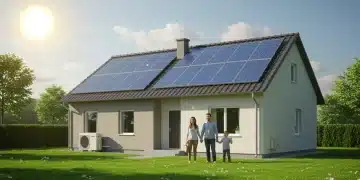
IRA 2026 Rebates: Up to $8,000 for Energy-Efficient Appliances
The Inflation Reduction Act’s 2026 rebates empower U.S. homeowners to claim up to $8,000 for installing energy-efficient appliances, significantly lowering energy bills and promoting environmental sustainability across the nation.
Understanding the Inflation Reduction Act’s 2026 Rebates
The landscape of home energy efficiency is rapidly evolving, and for U.S. homeowners, the year 2026 brings forth a monumental opportunity through the Inflation Reduction Act (IRA). This landmark legislation, enacted to combat inflation, lower prescription drug costs, and invest in domestic clean energy, offers substantial financial incentives. Specifically, the Inflation Reduction Act’s 2026 rebates are designed to make energy-efficient appliance upgrades more accessible and affordable, allowing homeowners to save thousands.
These rebates represent a strategic move by the government to accelerate the transition to a cleaner energy economy while directly benefiting American households. By encouraging the adoption of high-efficiency electric appliances, the IRA aims to reduce carbon emissions, decrease reliance on fossil fuels, and ultimately lower utility bills for millions of families. Understanding the nuances of these programs is crucial for maximizing the financial benefits available.
The IRA’s provisions for 2026 are particularly focused on electrifying homes and improving energy performance. This means that instead of just minor upgrades, the act incentivizes significant investments in technologies that provide long-term energy savings and environmental benefits. Homeowners who plan ahead and understand the eligibility criteria will be best positioned to take full advantage of these generous rebates.
Eligibility and Qualification Criteria for Homeowners
Navigating the eligibility requirements for the IRA’s 2026 rebates is a critical first step for any homeowner looking to upgrade their appliances. While the overall goal is broad participation, specific criteria are in place to ensure the funds are distributed effectively and to those who need them most. These criteria primarily revolve around household income levels and the types of appliances being installed.
The income-based eligibility is a cornerstone of the IRA’s rebate structure, ensuring that lower and moderate-income households receive enhanced support. This tiered approach aims to make energy-efficient upgrades equitable across different economic strata.
Income-Based Eligibility Tiers
- Low-Income Households: Those earning less than 80% of the area median income (AMI) may qualify for 100% of the rebate costs, up to the maximum allowance per appliance and a total cap.
- Moderate-Income Households: Homeowners earning between 80% and 150% of the AMI could be eligible for up to 50% of the rebate costs, subject to the same appliance and total caps.
- Higher-Income Households: While direct rebates might be limited, tax credits and other incentives may still apply, making energy-efficient upgrades attractive.
It’s important for homeowners to verify their specific AMI for their region, as these figures vary significantly by location. Official government resources and local energy agencies will provide the most up-to-date income guidelines. Additionally, the appliances themselves must meet specific energy efficiency standards set by the Department of Energy to qualify for the rebates.
Understanding these eligibility nuances early on can help homeowners plan their appliance purchases and installations effectively, ensuring they meet all necessary conditions to claim their rightful savings. Consulting with certified contractors or energy auditors can also provide clarity on project eligibility.
Maximizing Your Savings: Up to $8,000 in Rebates
The promise of up to $8,000 in rebates for energy-efficient appliances is a significant incentive for U.S. homeowners. However, achieving this maximum benefit requires strategic planning and an understanding of how the various rebate programs stack up. The IRA offers a combination of point-of-sale rebates and tax credits, each with its own set of rules and caps.
The rebate programs, primarily the High-Efficiency Electric Home Rebate Program (HEEHRP), focus on specific categories of electric appliances. These are designed to electrify homes, moving away from fossil fuel-powered systems towards more sustainable alternatives.
Key Rebate-Eligible Appliances and Maximums
- Heat Pump Water Heaters: Up to $1,750
- Heat Pump HVAC Systems: Up to $8,000 (this is the largest single rebate, often comprising the bulk of the $8,000 total)
- Electric Stoves, Cooktops, Ovens, or Ranges: Up to $840
- Electric Heat Pump Clothes Dryers: Up to $840
- Electric Panel Upgrades: Up to $4,000 (essential for supporting new electric appliances)
- Insulation, Air Sealing, and Ventilation: Up to $1,600
It’s crucial to note that the $8,000 maximum is an aggregate cap for all eligible electrification projects within a single household, not per appliance. Homeowners can combine rebates for multiple eligible items, such as a heat pump HVAC system, a heat pump water heater, and an electric panel upgrade, to reach or even exceed this threshold before the total cap is applied. Additionally, these rebates are often stackable with state and local incentives, further enhancing the potential for savings.
To maximize savings, homeowners should consider a comprehensive home energy audit to identify the most impactful upgrades. Prioritizing high-cost, high-impact items like heat pump systems will generally yield the largest rebates. Furthermore, understanding the interplay between point-of-sale rebates and potential tax credits under the IRA is vital for a holistic savings strategy.
The Role of Energy-Efficient Appliances in Your Home
Beyond the financial incentives, investing in energy-efficient appliances brings a host of benefits that extend to comfort, environmental impact, and long-term home value. The IRA’s focus on these appliances isn’t just about reducing costs; it’s about fostering a more sustainable and resilient home environment for the future. These appliances are designed to consume less energy, translating into a smaller carbon footprint and reduced strain on the electrical grid.
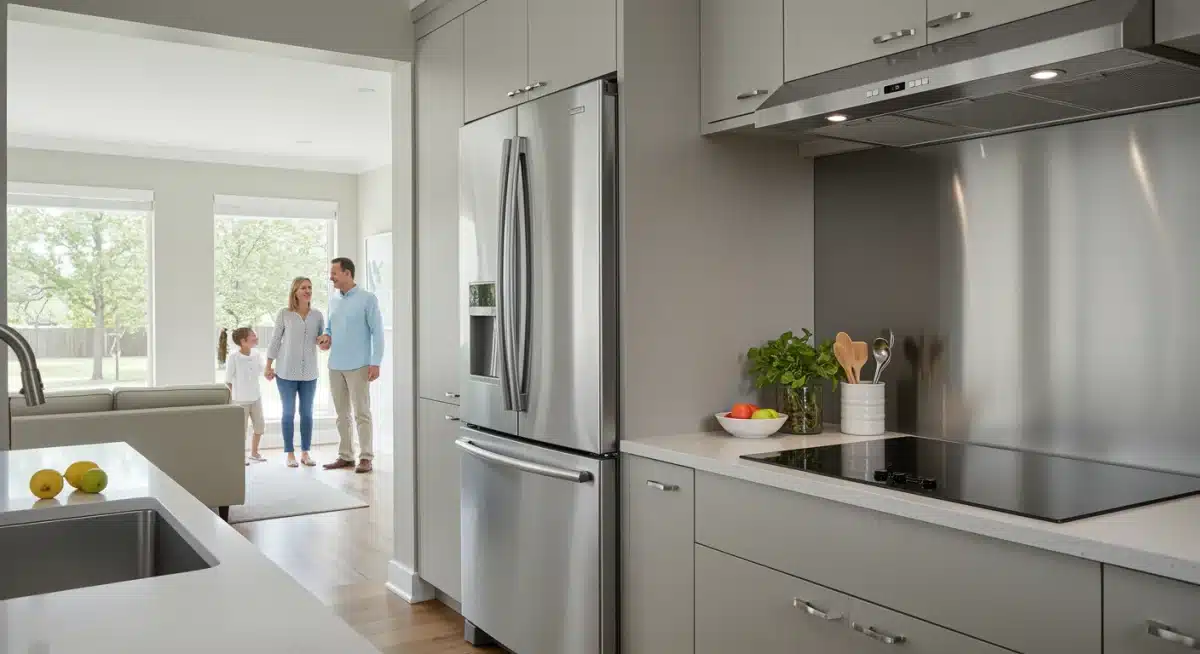
Modern energy-efficient appliances often incorporate advanced technologies that improve performance and convenience. For example, heat pump systems don’t just heat and cool efficiently; many also offer superior air filtration and humidity control. Electric induction cooktops provide precise temperature control and faster heating compared to traditional gas or electric coil stoves, while also improving indoor air quality by eliminating combustion byproducts.
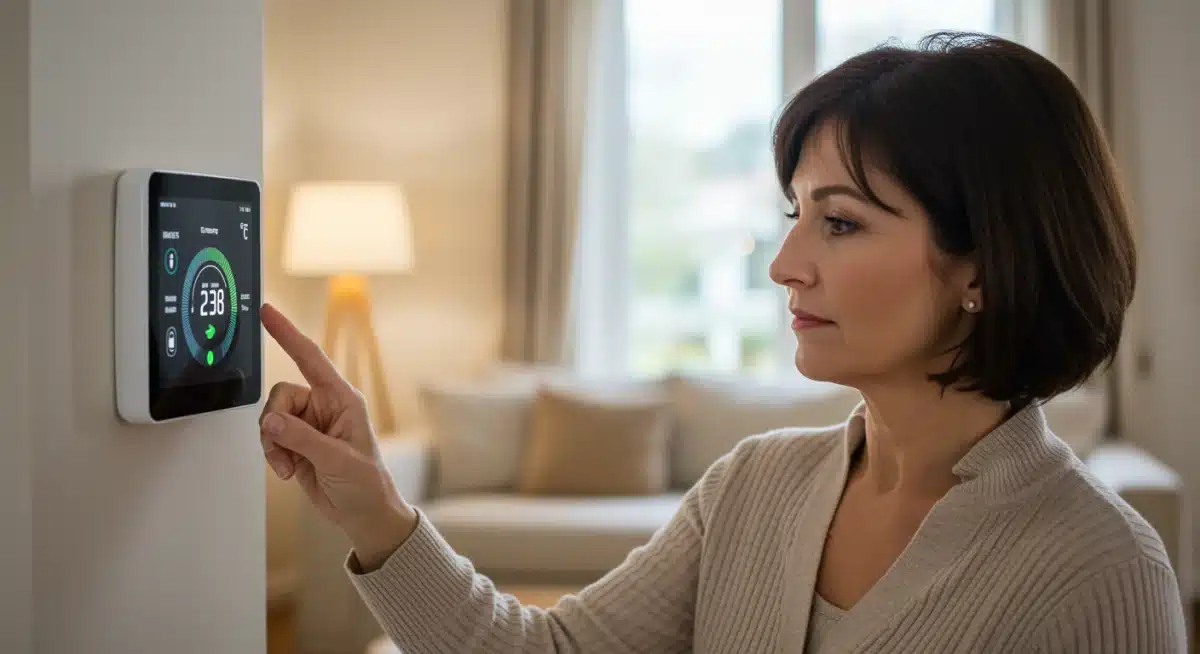
The long-term savings from reduced energy consumption can be substantial, often offsetting a significant portion of the initial investment over the appliance’s lifespan. This makes energy-efficient upgrades a sound financial decision even without the rebates, though the rebates certainly accelerate the return on investment.
Benefits of Upgrading to Efficient Appliances
- Lower Utility Bills: Directly reduces monthly energy expenses.
- Increased Home Comfort: Many efficient systems offer better temperature control and air quality.
- Reduced Carbon Footprint: Contributes to environmental sustainability by lowering energy use.
- Enhanced Home Value: Energy-efficient homes are increasingly attractive to buyers.
- Improved Indoor Air Quality: Especially true for electric appliances replacing fossil-fuel counterparts.
Ultimately, the role of these appliances extends beyond simple functionality; they are integral components of a modern, sustainable home. The IRA’s rebates merely make this transition more accessible, aligning personal financial gains with broader environmental goals.
Navigating the Application Process and Key Dates for 2026
Successfully claiming the Inflation Reduction Act’s 2026 rebates requires understanding the application process and being aware of key timelines. While many specifics are administered at the state level, a general framework exists for how homeowners can access these funds. The rebates are primarily designed to be point-of-sale, meaning the discount is applied directly when you purchase an eligible appliance.
This point-of-sale mechanism simplifies the process significantly, as homeowners won’t typically need to wait for reimbursement. However, it necessitates that the retailer or contractor is participating in the rebate program and is equipped to process the discount at the time of purchase or installation. Therefore, choosing the right vendor is paramount.
Steps to Claim Your Rebates
- Verify Eligibility: Confirm your household income meets the criteria for your specific area.
- Research Eligible Appliances: Identify appliances that meet the IRA’s efficiency standards.
- Find Participating Retailers/Contractors: Ensure the vendor can process the IRA rebates directly.
- Obtain Documentation: Keep records of purchase, installation, and any energy audits.
- Understand State-Specific Programs: State energy offices will provide detailed guidelines and launch dates.
As of 2026, many states have fully rolled out their programs, but it’s essential to check your state’s energy office website for the most current information. Each state receives a allocation of funds from the federal government, and they are responsible for setting up and managing their specific rebate programs. This can lead to variations in how the rebates are implemented, including specific forms, additional state-level requirements, and the exact timing of fund availability.
While the IRA was enacted in 2022, the full implementation of the rebate programs has been a phased approach, with 2026 being a critical year for widespread availability. Homeowners should plan their upgrades in advance, keeping an eye on official announcements from their state energy departments. Delaying can mean missing out, as these funds are allocated and disbursed on an ongoing basis.
Future Outlook and Long-Term Impact of IRA Rebates
The Inflation Reduction Act’s 2026 rebates are not just a one-time financial boon; they represent a significant step towards a more sustainable and energy-independent future for the United States. The long-term impact of these incentives is expected to be far-reaching, influencing everything from individual household finances to national energy policy and environmental health. As more homeowners adopt energy-efficient appliances, the collective effect on energy demand and carbon emissions will be substantial.
One of the primary long-term impacts is the acceleration of technological innovation in the clean energy sector. By creating a strong market demand for heat pumps, electric vehicles, and other efficient technologies, the IRA stimulates research, development, and manufacturing within the U.S. This not only creates jobs but also positions the country as a leader in green technology. The increased production will likely lead to further cost reductions for these technologies over time, making them even more accessible.
Furthermore, the widespread adoption of efficient appliances contributes to a more resilient national energy grid. Reduced peak demand due to efficient heating and cooling systems alleviates stress on infrastructure, making it less prone to outages and more capable of integrating renewable energy sources. This shift contributes to national energy security and reduces vulnerability to global energy market fluctuations.
Expected Long-Term Benefits
- Market Transformation: Drives innovation and adoption of clean energy technologies.
- Reduced Energy Poverty: Lowers utility burdens for vulnerable households over time.
- Environmental Stewardship: Significant reduction in greenhouse gas emissions.
- Economic Growth: Creates green jobs and boosts domestic manufacturing.
- Grid Stability: Enhances the reliability and resilience of the national power grid.
The IRA’s rebates are a powerful catalyst for change, moving the nation towards a future where energy efficiency is the norm, not the exception. Homeowners participating in these programs are not just saving money; they are actively contributing to a larger movement towards a cleaner, more sustainable, and economically robust United States.
| Key Aspect | Brief Description |
|---|---|
| Rebate Cap | Homeowners can receive up to $8,000 in combined rebates for eligible energy-efficient appliance upgrades. |
| Eligibility Focus | Primarily income-based, favoring low and moderate-income households, with appliance-specific efficiency standards. |
| Key Appliances | Heat pumps (HVAC, water heaters), electric stoves, dryers, and electrical panel upgrades. |
| Application Process | Mainly point-of-sale rebates through participating retailers/contractors, managed at the state level. |
Frequently Asked Questions About IRA 2026 Rebates
The primary goal is to encourage U.S. homeowners to adopt energy-efficient electric appliances. This helps reduce energy costs, lower carbon emissions, and promote a cleaner energy economy, aligning with broader national sustainability objectives and combating climate change effectively.
Eligibility is based on your household’s Area Median Income (AMI). You’ll need to check your specific region’s AMI data, typically available through your state’s housing or energy authority websites. Low-income households (under 80% AMI) get higher benefits.
Yes, in many cases, the IRA rebates can be stacked with state and local energy efficiency programs. This can significantly increase your total savings. Always check with your state and local energy agencies for specific rules and opportunities.
Heat pump systems, including heat pump HVAC for heating and cooling, and heat pump water heaters, typically qualify for the largest individual rebates. Electrical panel upgrades are also highly incentivized, as they often enable other electric appliance installations.
While the IRA was enacted in 2022, the state-by-state rollout of the rebate programs is ongoing. Most states are expected to have their full programs operational by 2026. Consult your state’s official energy department website for the most accurate and up-to-date information on availability.
Conclusion
The Inflation Reduction Act’s 2026 rebates offer an unparalleled opportunity for U.S. homeowners to invest in energy-efficient appliances, significantly reducing their utility costs and contributing to a healthier planet. By understanding the eligibility criteria, maximizing available savings up to $8,000, and navigating the application process effectively, homeowners can transform their residences into more sustainable and economically sound environments. This legislative initiative is not merely about short-term savings; it’s a pivotal step towards a future powered by clean energy, fostering innovation, creating jobs, and ensuring a more resilient energy landscape for generations to come.