Clean Energy Literacy 2026: Public Understanding & Engagement

The Clean Energy Literacy for 2026 course is a foundational program designed to enhance public understanding and engagement with sustainable energy technologies and policies, crucial for informed decision-making in the evolving energy landscape.
Understanding the complexities of our energy future is more critical than ever. The Clean Energy Literacy for 2026: A Foundational Course for Public Understanding and Engagement offers an essential framework for navigating the rapidly evolving landscape of sustainable energy. This program aims to equip individuals with the knowledge and tools necessary to comprehend, participate in, and contribute to the clean energy transition.
The Urgency of Clean Energy Literacy in 2026
As we advance deeper into the 21st century, the discourse around energy has shifted dramatically. The need for sustainable practices and renewable resources is no longer a niche topic but a global imperative. In 2026, with technological advancements and policy shifts accelerating, a well-informed public is paramount for successful implementation and adoption of clean energy solutions.
This section explores why understanding clean energy is not just for experts but for every citizen. The transition impacts everything from our daily commute to our household budgets and the air we breathe. Without a solid understanding, individuals can feel disconnected or overwhelmed, making it harder to support necessary changes or make informed personal choices.
Why Public Understanding Matters
Public understanding of clean energy technologies and policies is crucial for several reasons:
- Informed Decision-Making: Citizens need to understand the implications of energy choices on their communities and personal lives.
- Policy Support: Public backing is vital for governments to enact and sustain effective clean energy policies.
- Market Adoption: Consumer knowledge drives demand for sustainable products and services, accelerating market growth.
Ultimately, fostering a high level of clean energy literacy empowers communities to actively participate in shaping a sustainable future. It moves beyond abstract concepts, grounding the discussion in tangible benefits and challenges that resonate with everyday experiences.
Core Components of the Foundational Course
The ‘Clean Energy Literacy for 2026’ course is meticulously designed to cover a broad spectrum of topics, ensuring a comprehensive understanding of the clean energy ecosystem. From the fundamental science behind renewable sources to the socio-economic impacts of energy transitions, the curriculum provides a holistic view. The focus is on practical knowledge and critical thinking, enabling participants to analyze complex energy issues.
This foundational course is structured to be accessible to a wide audience, regardless of their prior technical knowledge. It breaks down intricate concepts into digestible modules, utilizing engaging content and real-world examples relevant to the United States context. The goal is to demystify clean energy, making it understandable and actionable for everyone.
Key Modules Covered
- Renewable Energy Technologies: Delving into solar, wind, hydro, geothermal, and biomass energy, explaining their principles, benefits, and limitations.
- Energy Storage Solutions: Exploring battery technologies, pumped-hydro storage, and other innovations crucial for grid stability.
- Energy Efficiency and Conservation: Practical strategies for reducing energy consumption in homes, businesses, and transportation.
- Smart Grid and Modernization: Understanding how digital technologies are transforming electricity grids for greater reliability and integration of renewables.
- Energy Policy and Economics: Examining government incentives, regulations, and the economic drivers behind clean energy investments.
Each module builds upon the last, creating a cohesive learning journey that equips individuals with a robust understanding of clean energy. The course emphasizes the interconnectedness of these components, highlighting how they collectively contribute to a sustainable energy future.
Understanding Renewable Energy Technologies
At the heart of clean energy literacy lies a solid grasp of renewable energy technologies. This section of the course provides an in-depth look at the various sources that are replacing traditional fossil fuels. It moves beyond simple definitions, exploring the operational principles, current efficiencies, and future potential of each technology, providing a nuanced perspective on their roles in the energy mix.
Participants learn about the engineering marvels that harness natural forces, from the vast solar farms converting sunlight into electricity to the towering wind turbines capturing kinetic energy. The course also addresses the geographical and environmental considerations that influence the deployment and effectiveness of these technologies across different regions of the United States.
Solar Power: Harnessing the Sun
Solar energy is perhaps the most widely recognized renewable source. The course covers:
- Photovoltaic (PV) Systems: How solar panels convert light directly into electricity, and their applications from residential rooftops to large-scale power plants.
- Concentrated Solar Power (CSP): Technologies that use mirrors to focus sunlight and generate heat for electricity production.
- Technological Advancements: Discussions on efficiency improvements, cost reductions, and the integration of solar with energy storage.
Understanding solar power’s potential and limitations is key to appreciating its role in the energy transition. The course highlights how solar is becoming increasingly competitive and accessible, making it a cornerstone of future energy systems.
Wind Energy: Power from the Air
Wind power presents another powerful solution for clean electricity generation. This segment educates on:
- Turbine Design and Operation: The mechanics behind modern wind turbines, both onshore and offshore.
- Wind Farm Development: The planning, construction, and environmental considerations for large-scale wind projects.
- Grid Integration Challenges: How wind’s intermittency is managed through forecasting and grid modernization.
The course ensures that learners can articulate the benefits of wind energy, such as its minimal carbon footprint, while also understanding challenges related to land use, visual impact, and wildlife protection, fostering a balanced view.
The Role of Energy Storage and Smart Grids
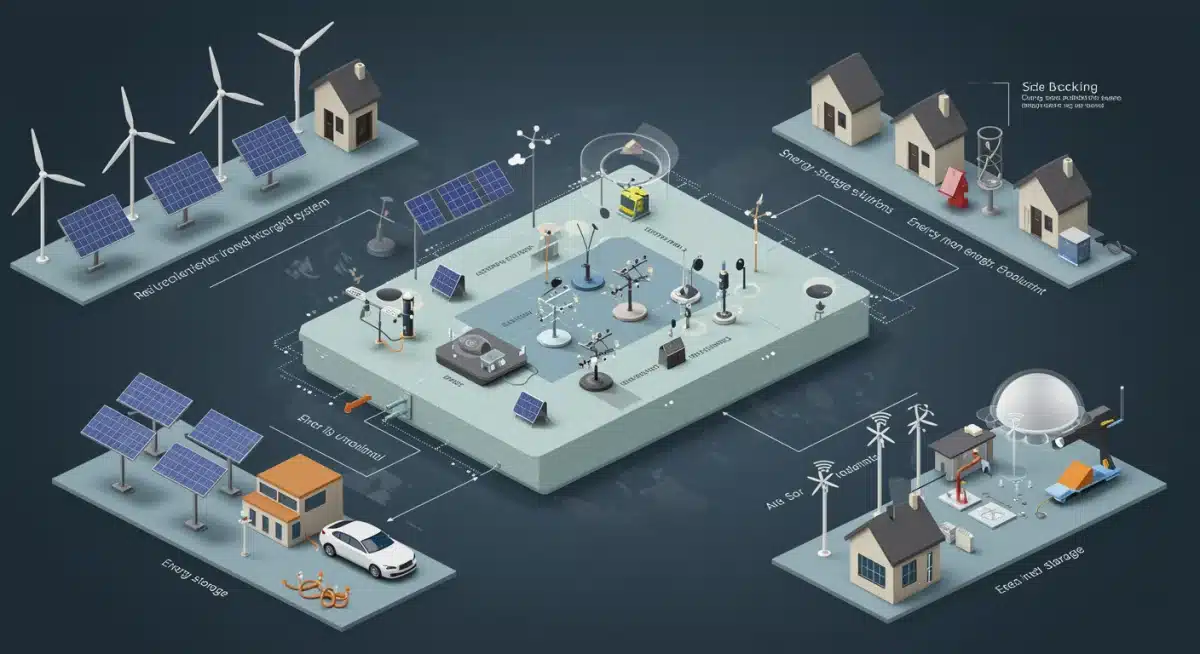
The transition to a clean energy future is not solely about generating power from renewable sources; it also critically depends on how that power is stored and delivered. This section of the foundational course delves into the essential roles of energy storage solutions and smart grid technologies. These innovations are pivotal in overcoming the inherent intermittency of many renewables, ensuring a stable and reliable electricity supply.
Participants will gain insights into the various methods of energy storage, from advanced battery systems to less-common yet effective mechanical storage. Furthermore, the course illuminates how smart grids, through their digital capabilities, are revolutionizing the way electricity is managed, making the entire system more efficient, resilient, and responsive to demand fluctuations.
Imagine a future where your home appliances communicate with the grid to optimize energy consumption, or where excess solar energy generated during the day can be stored and used during peak evening hours. This is the promise of energy storage and smart grids, and understanding their mechanics is vital for anyone engaging with clean energy in 2026.
Advancements in Energy Storage
Energy storage is the backbone of a reliable renewable energy system. The course covers:
- Battery Technologies: A detailed look at lithium-ion, solid-state, and flow batteries, their applications, and evolving capacities.
- Pumped-Hydro Storage: How water is used to store and release large amounts of energy, serving as a large-scale buffer.
- Emerging Solutions: Exploration of thermal, compressed air, and flywheel storage systems, highlighting their niche applications and potential for growth.
Understanding these technologies helps in appreciating how renewable energy can provide continuous power, even when the sun isn’t shining or the wind isn’t blowing. The economic and environmental benefits of efficient storage are emphasized, showcasing its critical role in grid stability and energy independence.
The Evolution of Smart Grids
Smart grids represent the modernization of our electrical infrastructure, integrating digital communication and control capabilities. Key aspects discussed include:
- Grid Modernization: How traditional grids are being upgraded to handle bidirectional power flow and distributed energy resources.
- Demand Response: Programs that encourage consumers to shift energy use away from peak times, reducing strain on the grid.
- Cybersecurity in Smart Grids: Addressing the critical importance of protecting digital energy infrastructure from threats.
The course explains how smart grids are not just about technology but also about creating a more interactive and flexible energy system. This fosters greater efficiency, reduces waste, and enables a higher penetration of renewable energy sources.
Energy Efficiency and Conservation Strategies
While generating clean energy is crucial, equally important is the wise use of the energy we produce. This section of the ‘Clean Energy Literacy for 2026’ course focuses on energy efficiency and conservation strategies. It emphasizes that the cleanest and cheapest energy is often the energy we don’t use, making these practices fundamental pillars of any sustainable energy plan. The course provides practical, actionable insights that individuals and communities can implement.
From simple behavioral changes to advanced technological upgrades, the curriculum covers a range of methods to reduce energy consumption across various sectors. Understanding these strategies empowers participants to not only lower their carbon footprint but also achieve significant cost savings, directly impacting their personal finances and community resources.
Home Energy Efficiency
Making homes more energy-efficient is a primary focus. Topics include:
- Insulation and Sealing: The importance of proper insulation, weatherstripping, and sealing to prevent heat loss or gain.
- Efficient Appliances: Understanding ENERGY STAR ratings and the benefits of upgrading to more efficient refrigerators, washing machines, and lighting.
- Smart Home Technology: How thermostats and other smart devices can optimize energy use based on occupancy and preferences.
The course details how these measures, often simple to implement, can collectively lead to substantial reductions in household energy bills and overall energy demand, contributing to a more sustainable lifestyle.
Conservation in Transportation and Industry
Beyond the home, energy conservation extends to how we move around and how industries operate. This part of the course examines:
- Electric Vehicles (EVs): The benefits and infrastructure requirements of shifting to electric transportation.
- Public Transportation and Active Mobility: The role of mass transit, cycling, and walking in reducing fossil fuel consumption.
- Industrial Energy Management: Strategies for businesses to optimize their energy consumption through process improvements and waste heat recovery.
By exploring efficiency and conservation across multiple sectors, the course underscores that collective action in these areas is as vital as the development of new clean energy sources for achieving national energy goals.
Clean Energy Policy and Economic Incentives
The widespread adoption of clean energy technologies is not purely a matter of scientific innovation; it is heavily influenced by supportive policies and economic incentives. This section of the ‘Clean Energy Literacy for 2026’ course explores the intricate relationship between government regulations, market mechanisms, and the accelerating transition to sustainable energy. Understanding these frameworks is essential for appreciating the broader context in which clean energy operates and for participating effectively in its development.
Participants will learn about various policy instruments, from tax credits and grants to regulatory standards and carbon pricing, that are designed to encourage investment in, and deployment of, renewable energy. The course also delves into the economic arguments for clean energy, demonstrating how it can drive job creation, foster innovation, and enhance energy security.
In 2026, the policy landscape continues to evolve, with new legislations and international agreements shaping the future of energy. Being literate in these aspects allows individuals to understand the drivers behind current trends and to advocate for policies that align with a sustainable future.
Government Policies and Regulations
Effective policies are the bedrock of a successful clean energy transition. Topics include:
- Renewable Portfolio Standards (RPS): State-level mandates requiring utilities to source a certain percentage of their electricity from renewables.
- Carbon Pricing Mechanisms: Cap-and-trade systems or carbon taxes designed to internalize the cost of carbon emissions.
- Environmental Regulations: Policies aimed at reducing pollution and protecting natural ecosystems impacted by energy production.
The course highlights how these policies create a stable environment for clean energy investment, reducing risks and encouraging technological development and market penetration. It also discusses the challenges and debates surrounding policy implementation.
Economic Incentives and Investment
Financial incentives play a significant role in making clean energy more attractive to both consumers and businesses. This segment covers:
- Tax Credits and Rebates: Federal and state incentives for installing solar panels, purchasing EVs, or implementing energy-efficient upgrades.
- Grants and Loans: Funding opportunities for clean energy projects, particularly for research and development or community-level initiatives.
- Green Bonds and Sustainable Finance: The growing market for financial instruments dedicated to environmentally friendly projects.
By understanding the economic levers, participants can better navigate the financial aspects of clean energy, whether they are considering personal investments or evaluating broader market trends. This knowledge helps in recognizing the economic viability and benefits of clean energy solutions.
Engaging the Public in the Clean Energy Transition
A successful clean energy transition requires more than just technological innovation and robust policies; it demands active public participation and engagement. This final section of the ‘Clean Energy Literacy for 2026’ course focuses on empowering individuals to become advocates and active contributors to a sustainable energy future. It moves beyond theoretical knowledge, emphasizing the practical steps and opportunities for civic involvement.
The goal is to transform passive observers into informed participants who can influence local decisions, support community initiatives, and inspire others. Understanding how to effectively communicate about clean energy, challenge misinformation, and collaborate with various stakeholders is crucial for driving meaningful change.
Community Action and Advocacy
Empowering individuals to take action within their communities is a key objective. The course covers:
- Local Energy Initiatives: How to identify and support clean energy projects within one’s town or city.
- Advocacy and Policy Influence: Strategies for communicating with elected officials and participating in public hearings on energy issues.
- Educational Outreach: Ways to share knowledge and encourage others to adopt sustainable energy practices.
By highlighting avenues for community involvement, the course aims to foster a sense of collective responsibility and agency, demonstrating that individual actions can coalesce into powerful movements for change.
Overcoming Barriers to Engagement
Despite the growing awareness, several barriers can hinder public engagement. This segment addresses:
- Misinformation and Skepticism: Strategies for critically evaluating information and addressing common myths about clean energy.
- Access and Equity: Discussing challenges related to equitable access to clean energy technologies and programs, particularly in underserved communities.
- Behavioral Change: Understanding the psychological aspects of adopting new habits and technologies in daily life.
The course provides tools and perspectives to navigate these challenges, promoting a more inclusive and resilient approach to the clean energy transition. It underscores that sustained engagement requires empathy, clear communication, and a commitment to addressing diverse needs and concerns.
| Key Aspect | Brief Description |
|---|---|
| Public Understanding | Empowering citizens with knowledge of clean energy to make informed decisions. |
| Core Technologies | Detailed overview of solar, wind, and other renewable energy sources. |
| Policy & Economics | Exploring government incentives, regulations, and financial drivers for clean energy. |
| Community Engagement | Strategies for active public participation and advocacy in the energy transition. |
Frequently Asked Questions About Clean Energy Literacy
Clean energy literacy refers to an individual’s understanding of sustainable energy technologies, policies, and their environmental and economic impacts. It enables informed decision-making and active participation in the transition to a cleaner energy future.
In 2026, with rapid advancements in technology and evolving policy landscapes, public understanding ensures effective adoption, supports crucial policies, and drives market demand for sustainable solutions, fostering a resilient energy future.
Anyone interested in understanding the energy transition, including general citizens, students, community leaders, and professionals in non-energy sectors, can benefit. It provides essential knowledge for personal and civic engagement.
The course covers renewable technologies like solar and wind, energy storage, smart grids, efficiency strategies, and the policy and economic aspects influencing clean energy development and adoption.
Individuals can engage by making informed personal choices, advocating for supportive policies, participating in local initiatives, and educating others. Active involvement at all levels is key to driving sustainable change.
Conclusion
The ‘Clean Energy Literacy for 2026: A Foundational Course for Public Understanding and Engagement’ is more than just an educational program; it’s an investment in our collective future. By empowering individuals with comprehensive knowledge about clean energy technologies, policies, and economic drivers, this course lays the groundwork for a more sustainable and resilient society. As we navigate the complexities of the energy transition, an informed and engaged public will be our greatest asset, ensuring that the benefits of clean energy are realized across all communities in the United States and beyond. This foundational understanding equips everyone to contribute meaningfully to the critical shift towards a cleaner, more sustainable world.