Clean Energy Jobs Boom: 300,000 New US Roles by 2026
Clean Energy Jobs Boom: 300,000 New US Roles by 2026
The United States is on the cusp of an unprecedented economic transformation, driven by the burgeoning clean energy sector. Recent analyses from leading economic forecasters paint a remarkably optimistic picture: a projected addition of 300,000 new jobs in the U.S. clean energy sector by 2026. This isn’t merely a statistic; it’s a profound indicator of a shifting economic landscape, a testament to technological innovation, strategic investments, and a growing national commitment to sustainability. The expansion of clean energy jobs represents a pivotal moment for American workers, offering a diverse array of opportunities across various skill levels and professional disciplines.
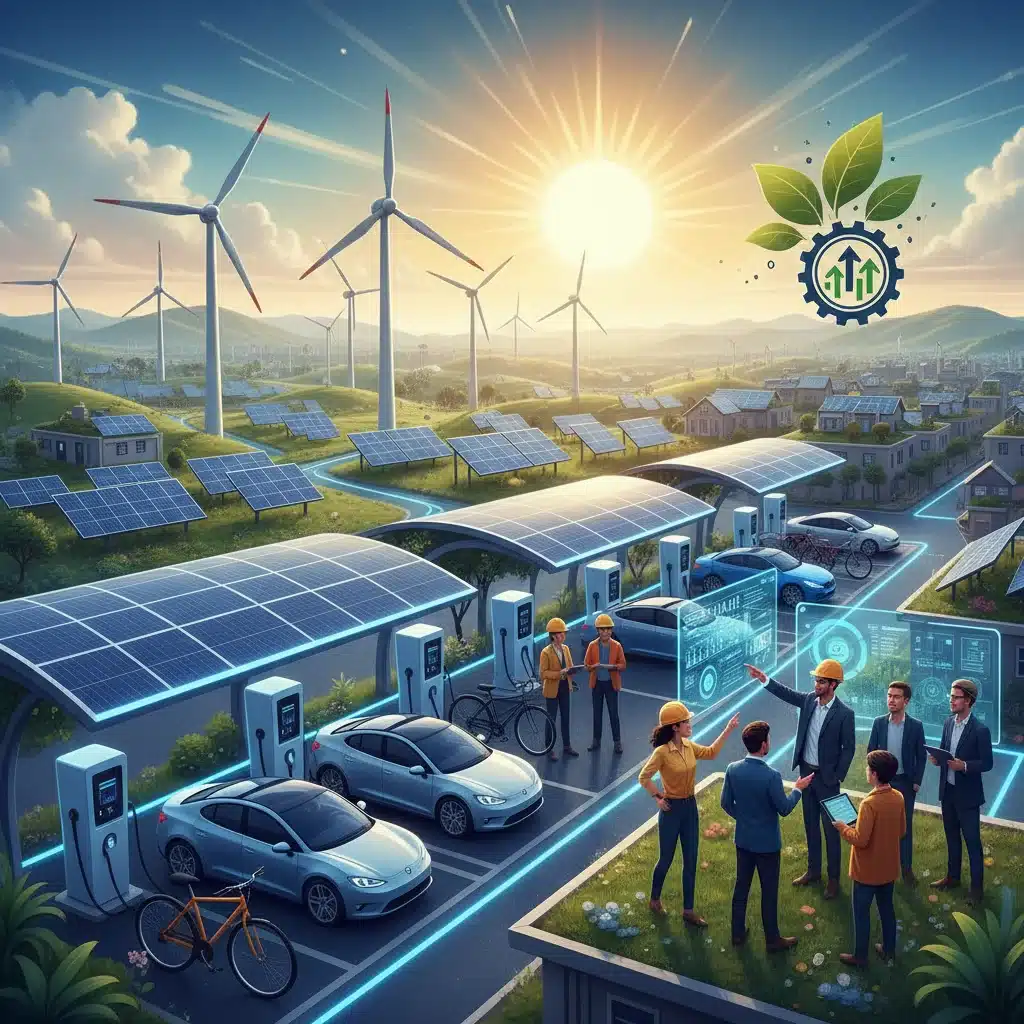
For years, the promise of renewable energy has been discussed in terms of environmental benefits and long-term sustainability. Now, that promise is materializing into tangible economic growth and robust job creation. This surge in clean energy jobs is not accidental; it’s the culmination of significant policy initiatives, private sector investment, and a global push towards decarbonization. From the installation of solar panels and wind turbines to the development of advanced battery storage solutions and the expansion of electric vehicle infrastructure, every facet of the clean energy ecosystem is contributing to this job boom.
The Driving Forces Behind the Clean Energy Job Surge
Several key factors are converging to propel this remarkable growth in clean energy jobs. Understanding these drivers is crucial for grasping the full scope of this economic shift.
Policy and Legislative Support
Foremost among these drivers are federal and state-level policies designed to incentivize renewable energy development and adoption. Legislation such as the Inflation Reduction Act (IRA) has injected billions of dollars into the clean energy economy through tax credits, grants, and loan programs. These incentives make renewable energy projects more financially viable, attracting significant investment and, consequently, creating a massive demand for skilled labor. State-level mandates for renewable portfolio standards (RPS) also play a critical role, requiring utilities to generate a certain percentage of their electricity from renewable sources, thereby stimulating further growth in clean energy jobs.
Technological Advancements and Innovation
The pace of technological innovation in the clean energy space is accelerating rapidly. Improvements in solar panel efficiency, the development of larger and more powerful wind turbines, breakthroughs in battery storage technology, and advancements in smart grid systems are making clean energy more competitive and accessible than ever before. These innovations not only drive down costs but also create entirely new industries and job categories. Research and development roles, manufacturing positions for new components, and specialized installation and maintenance jobs are all flourishing as a direct result of this technological evolution. The continuous pursuit of efficiency and new solutions ensures a sustained demand for expertise in clean energy jobs.
Private Sector Investment and Corporate ESG Goals
Beyond government initiatives, the private sector is pouring substantial capital into clean energy projects. Corporations are increasingly setting ambitious Environmental, Social, and Governance (ESG) goals, committing to reduce their carbon footprint and transition to renewable energy sources. This corporate demand translates into massive investments in utility-scale solar and wind farms, corporate power purchase agreements, and the electrification of transportation fleets. Venture capital and private equity firms are also heavily investing in clean energy startups and established companies, recognizing the immense growth potential. This influx of private capital is a powerful engine for the creation of clean energy jobs.
Growing Consumer Demand and Awareness
The American public’s awareness and demand for sustainable solutions are also on the rise. Homeowners are increasingly installing rooftop solar, consumers are purchasing electric vehicles at record rates, and businesses are seeking greener supply chains. This grassroots demand creates a robust market for clean energy products and services, further stimulating job creation in sales, installation, customer service, and manufacturing. The collective desire for a cleaner environment and energy independence is a significant, underlying force driving the proliferation of clean energy jobs.
Where Will the 300,000 New Clean Energy Jobs Emerge?
The projected 300,000 new clean energy jobs will not be concentrated in a single sector but will be distributed across a broad spectrum of industries, reflecting the diverse nature of the clean energy economy. This widespread growth offers a multitude of career pathways for individuals with varying skill sets and educational backgrounds.
Renewable Energy Generation and Installation
This category forms the backbone of the clean energy job market. It includes:
- Solar Installers and Technicians: Responsible for assembling, installing, and maintaining solar photovoltaic (PV) systems on residential, commercial, and utility-scale sites. This is consistently one of the fastest-growing occupations.
- Wind Turbine Technicians: Highly specialized roles involving the installation, maintenance, and repair of wind turbines, often requiring working at significant heights.
- Project Managers and Engineers: Overseeing the planning, design, and execution of large-scale renewable energy projects, from site selection to grid integration.
- Construction Workers: Building the infrastructure for new solar farms, wind parks, and associated facilities.
Energy Efficiency and Grid Modernization
Improving energy efficiency and upgrading the nation’s aging electrical grid are critical components of the clean energy transition, leading to significant job growth:
- Energy Auditors: Assessing buildings for energy waste and recommending improvements.
- Insulation and HVAC Technicians: Upgrading homes and businesses with more efficient heating, ventilation, and air conditioning systems, and improving building envelopes.
- Smart Grid Engineers: Designing and implementing advanced grid technologies that integrate renewable energy sources, manage demand, and enhance reliability.
- Electrical Lineworkers: Upgrading and maintaining transmission and distribution lines to handle increased renewable energy flows.

Electric Vehicles (EVs) and Charging Infrastructure
The rapid adoption of electric vehicles is creating a new ecosystem of clean energy jobs:
- EV Manufacturing: Jobs in factories producing electric cars, trucks, and buses, from assembly line workers to specialized engineers.
- Battery Production: Manufacturing facilities for advanced lithium-ion and other next-generation batteries.
- Charging Station Installers and Technicians: Deploying and maintaining the extensive network of EV charging stations required across the country.
- Software Developers: Creating applications for EV charging management, route optimization, and vehicle-to-grid (V2G) technologies.
Research, Development, and Manufacturing
Innovation is the lifeblood of the clean energy sector, driving demand for:
- Scientists and Researchers: Developing new materials, energy storage solutions, and advanced renewable energy technologies.
- Manufacturing Technicians: Producing solar panels, wind turbine components, power electronics, and energy storage systems.
- Supply Chain and Logistics Professionals: Managing the complex global supply chains for clean energy components and finished products.
Economic Impact of the Clean Energy Job Boom
The addition of 300,000 clean energy jobs will have a profound and multifaceted impact on the U.S. economy, extending far beyond the direct employment figures.
Increased Economic Output and GDP Growth
Each new job in the clean energy sector generates economic activity through wages, investments, and supply chain demands. This ripple effect contributes to higher GDP, increased consumer spending, and a more robust overall economy. The manufacturing and installation of clean energy technologies stimulate a wide array of supporting industries, from raw material extraction to transportation and financial services.
Regional Economic Revitalization
Many clean energy projects, particularly large-scale solar and wind farms, are located in rural and underserved communities. These projects bring much-needed investment, tax revenue, and high-paying jobs to regions that may have experienced economic decline, fostering local economic revitalization. The development of new manufacturing facilities for batteries and other components also breathes new life into industrial areas, creating stable, long-term employment opportunities.
Workforce Development and Training Opportunities
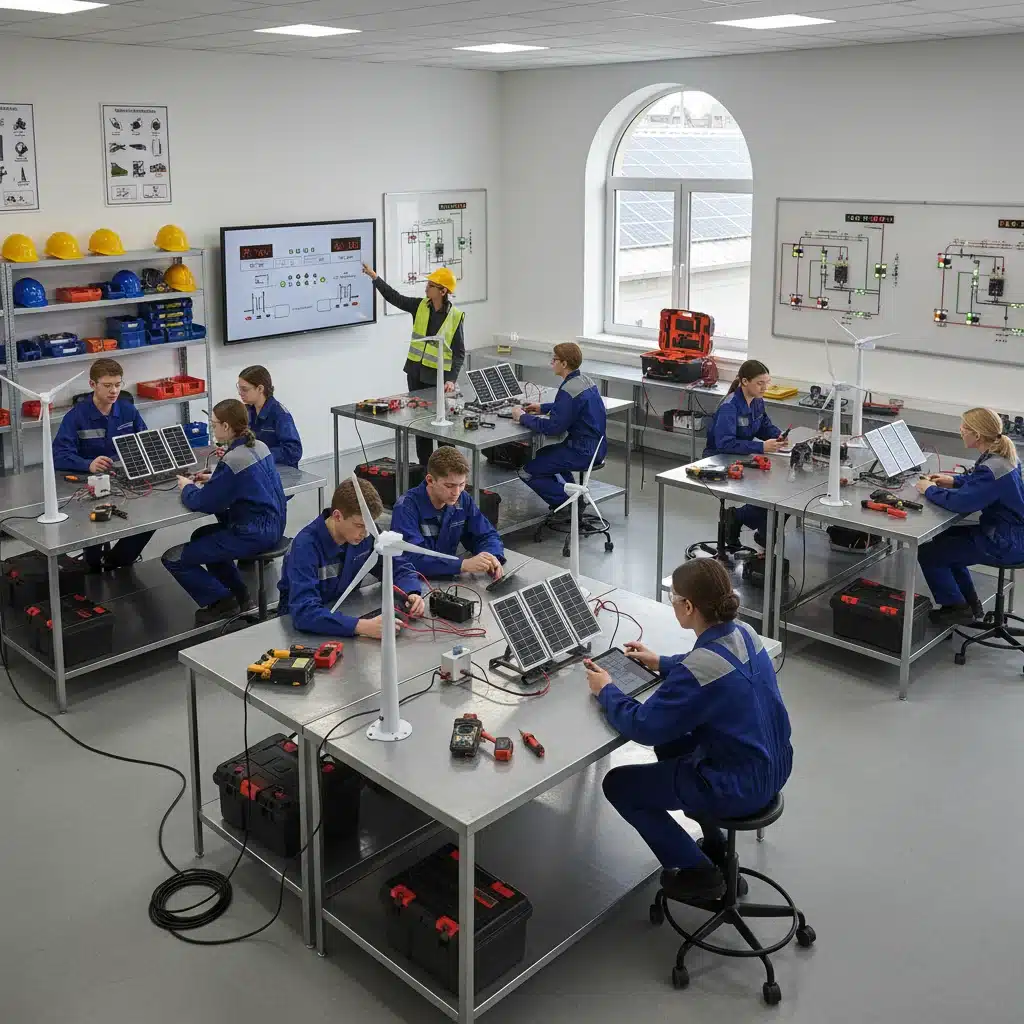
The demand for skilled clean energy jobs is creating a significant need for specialized training and education programs. Community colleges, vocational schools, and universities are rapidly developing curricula to prepare the next generation of clean energy workers. This focus on workforce development not only equips individuals with valuable skills but also strengthens the nation’s educational infrastructure and creates pathways to rewarding careers for diverse populations. These training initiatives are crucial for ensuring that the workforce can meet the evolving needs of the sector.
Energy Independence and Security
Beyond direct economic benefits, the growth of the clean energy sector enhances U.S. energy independence by reducing reliance on volatile fossil fuel markets and foreign energy sources. This contributes to greater national security and economic stability, shielding the economy from global energy price fluctuations. A diversified energy portfolio, heavily weighted towards domestic renewable sources, makes the nation more resilient.
Challenges and Opportunities for Workforce Development
While the outlook for clean energy jobs is overwhelmingly positive, realizing this potential requires addressing certain challenges, particularly in workforce development.
Bridging the Skills Gap
A primary challenge is ensuring that there are enough skilled workers to fill these new roles. The clean energy sector requires a unique blend of technical expertise, problem-solving abilities, and adaptability. There is a pressing need to bridge the skills gap through targeted education, apprenticeship programs, and reskilling initiatives for workers transitioning from traditional energy industries. Collaborations between industry, government, and educational institutions are vital to develop relevant curricula and certification programs that meet current and future demands.
Ensuring Diversity and Inclusion
As the clean energy sector grows, there is a significant opportunity to build a workforce that reflects the diversity of the nation. Efforts to recruit and train women, minorities, and individuals from underserved communities are essential to ensure equitable access to these new economic opportunities. Promoting diversity not only fosters social equity but also brings varied perspectives and innovation to the sector, strengthening its overall capabilities.
Transitioning from Fossil Fuel Industries
The clean energy transition presents both challenges and opportunities for workers in traditional fossil fuel industries. While some jobs may be displaced, there is significant potential for reskilling and upskilling these experienced workers to transition into comparable roles within the clean energy sector. Programs that provide retraining, career counseling, and job placement assistance are crucial for ensuring a just transition and harnessing the valuable expertise of this workforce.
Looking Ahead: The Future of Clean Energy Jobs
The projection of 300,000 new clean energy jobs by 2026 is just the beginning. The long-term trajectory for this sector points to sustained growth and an even greater economic footprint. As technology continues to advance, costs decrease, and global climate goals become more urgent, the demand for clean energy solutions and the skilled labor to implement them will only intensify.
Emerging Technologies and New Job Categories
The future will likely see the emergence of entirely new job categories driven by nascent technologies. Areas such as green hydrogen production, carbon capture and storage, advanced geothermal systems, and wave energy are still in their early stages but hold immense potential for future job creation. The development of AI and machine learning applications for optimizing energy grids and managing renewable assets will also create demand for specialized data scientists and software engineers within the clean energy domain.
Global Leadership in Clean Energy
By investing heavily in its clean energy workforce, the U.S. can solidify its position as a global leader in sustainable technology and innovation. This leadership translates into economic competitiveness, export opportunities for American-made clean energy products, and influence in shaping international climate policy. The robust growth of clean energy jobs is not just an internal benefit but also a strategic asset on the global stage.
Conclusion: A Bright Future Powered by Clean Energy Jobs
The forecast of 300,000 new clean energy jobs in the U.S. by 2026 is a powerful testament to the transformative potential of sustainable energy. This growth signifies more than just employment numbers; it represents a fundamental shift towards a more resilient, innovative, and environmentally responsible economy. From technicians installing solar panels to engineers designing advanced battery systems, and from manufacturing specialists to policy analysts, the clean energy sector is creating a vast tapestry of opportunities.
For individuals seeking meaningful careers, the clean energy industry offers stability, growth, and the chance to contribute to a healthier planet. For policymakers, it underscores the importance of continued investment and supportive legislation. For businesses, it highlights a burgeoning market ripe for innovation and expansion. The clean energy job boom is not merely a forecast; it is a clear and compelling vision for America’s economic future, one powered by ingenuity, investment, and a commitment to sustainability.
As we move towards 2026 and beyond, the sustained growth of clean energy jobs will be a cornerstone of American prosperity, driving innovation, fostering economic equity, and leading the way towards a cleaner, more sustainable world. This is a future where economic growth and environmental stewardship go hand-in-hand, creating opportunities for hundreds of thousands of Americans.