Biden’s $3 Billion Grid Modernization: Powering America’s Future in 2026
Biden’s $3 Billion Grid Modernization: Powering America’s Future in 2026
The energy landscape of the United States is on the cusp of a transformative overhaul, thanks to a landmark federal initiative. The Biden administration has pledged a monumental $3 billion for grid modernization funding across the U.S. in 2026, marking a pivotal moment in the nation’s journey towards a more resilient, efficient, and sustainable energy future. This substantial investment is not merely about upgrading wires and poles; it’s about fundamentally rethinking how power is generated, transmitted, and consumed, laying the groundwork for a robust energy infrastructure capable of meeting the demands of the 21st century and beyond.
The urgency for this comprehensive grid modernization funding is undeniable. America’s existing electrical infrastructure, much of which dates back to the mid-20th century, is increasingly vulnerable to extreme weather events exacerbated by climate change, cyber threats, and the growing strain of an ever-increasing demand for electricity. Furthermore, the imperative to transition away from fossil fuels towards cleaner, renewable energy sources necessitates a grid that can seamlessly integrate intermittent power from solar and wind farms, manage bidirectional energy flow, and support innovative technologies like electric vehicles and smart homes. The Biden administration’s commitment to grid modernization funding is a strategic move to address these multifaceted challenges head-on, ensuring energy security and fostering economic growth.
Understanding the Scope of the $3 Billion Grid Modernization Funding
The $3 billion allocation for grid modernization funding in 2026 is part of a broader federal strategy aimed at strengthening the nation’s infrastructure. This funding is expected to be disbursed through various programs and initiatives, primarily focusing on projects that enhance grid reliability, improve resilience against disruptions, and facilitate the integration of clean energy technologies. The scope is vast, encompassing everything from upgrading aging transmission lines and substations to deploying advanced smart grid technologies and bolstering cybersecurity measures.
Key Areas of Investment:
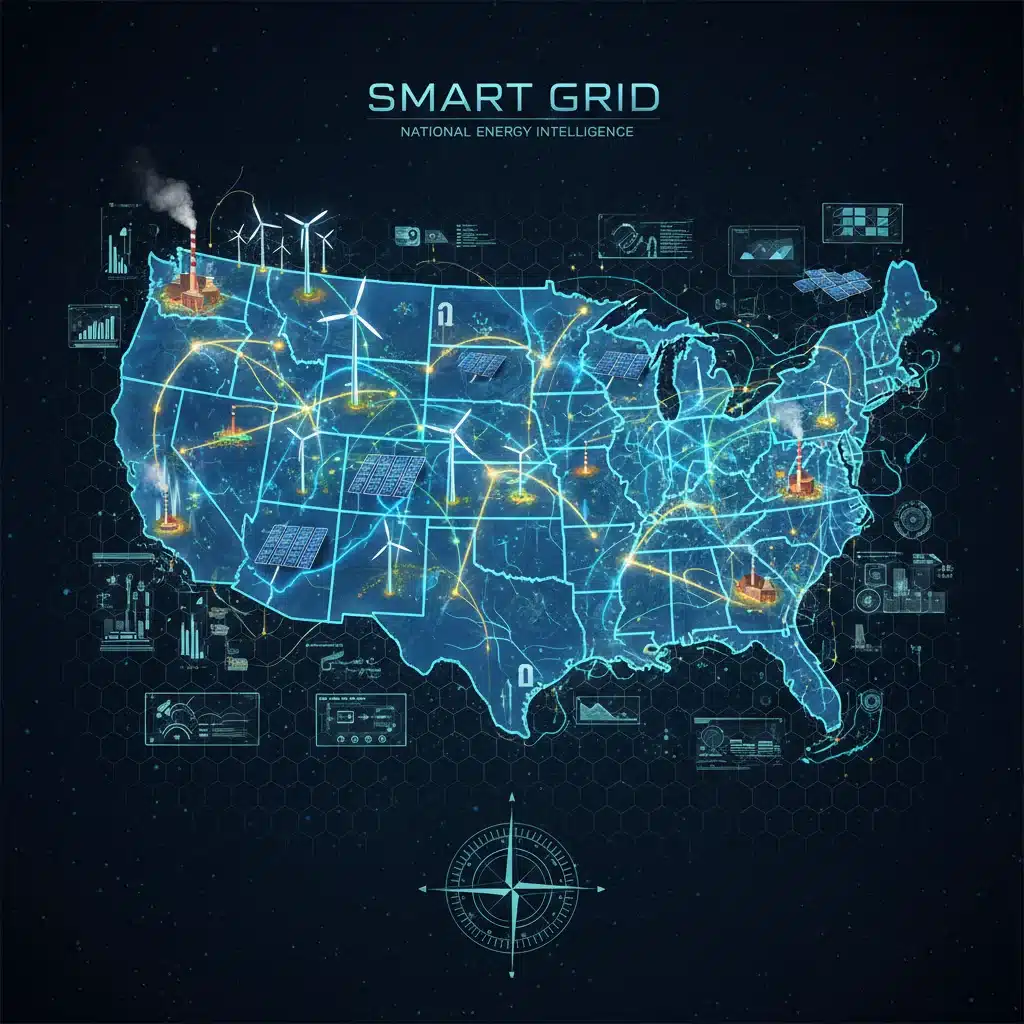
- Transmission Infrastructure Upgrades: A significant portion of the grid modernization funding will likely target the expansion and upgrade of high-voltage transmission lines. These improvements are crucial for moving renewable energy from remote generation sites (like wind farms in the Midwest or solar arrays in the Southwest) to population centers, thereby reducing congestion and improving overall efficiency.
- Smart Grid Technologies: This includes the deployment of advanced sensors, smart meters, automated controls, and sophisticated communication systems. These technologies enable real-time monitoring, fault detection, and rapid restoration of power, making the grid more responsive and intelligent. The goal is to move towards a self-healing grid that can anticipate and react to issues with minimal human intervention.
- Energy Storage Solutions: The intermittent nature of renewable energy sources demands robust energy storage solutions. The grid modernization funding will support the development and deployment of battery storage systems, pumped-hydro storage, and other innovative technologies that can store excess energy during periods of high generation and release it during peak demand or when renewable output is low.
- Cybersecurity Enhancements: As the grid becomes more digitized and interconnected, it also becomes more susceptible to cyberattacks. A critical component of this investment is strengthening the cybersecurity defenses of critical energy infrastructure to protect against malicious actors who could disrupt power supply.
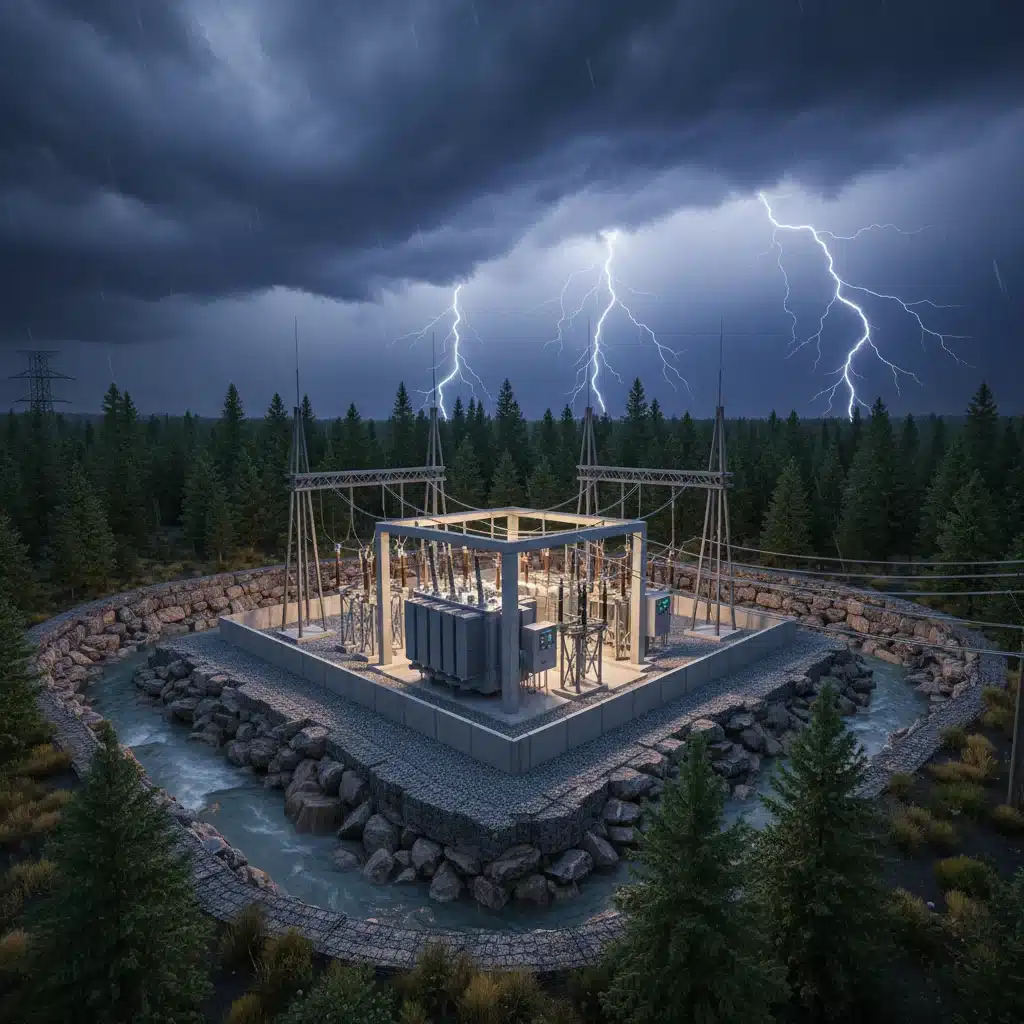
- Resilience Against Extreme Weather: Climate change is leading to more frequent and intense weather events, from hurricanes and wildfires to severe winter storms. The grid modernization funding will support projects designed to harden infrastructure, such as undergrounding power lines, reinforcing poles, and implementing microgrids that can operate independently during widespread outages.
- Demand-Side Management and Distributed Energy Resources (DERs): The funding will also encourage the integration of DERs like rooftop solar, electric vehicle charging stations, and smart thermostats. These resources, combined with advanced demand-side management programs, empower consumers to play an active role in balancing the grid and reducing overall energy consumption during peak periods.
The Rationale Behind the Investment: Why Now?
The Biden administration’s emphasis on grid modernization funding is driven by a confluence of economic, environmental, and national security factors. The current state of the U.S. grid presents significant challenges that, if left unaddressed, could stifle economic growth, exacerbate climate change impacts, and compromise national security.
Economic Imperatives:
An outdated grid leads to inefficiencies, higher energy costs, and frequent power outages that cost the U.S. economy billions of dollars annually. By investing in grid modernization funding, the administration aims to create a more efficient system that reduces energy waste, lowers utility bills for consumers, and supports the growth of new industries. The creation of jobs in manufacturing, construction, and technology sectors related to grid development is also a significant economic driver.
Environmental Goals:
The Biden administration has set ambitious targets for decarbonizing the U.S. economy, including a goal of 100% clean electricity by 2035. Achieving this requires a grid capable of handling a massive influx of renewable energy. The current grid, designed for centralized fossil fuel generation, is not equipped for the distributed, intermittent nature of renewables. The grid modernization funding is therefore essential for integrating solar, wind, and other clean energy sources at scale, thereby reducing greenhouse gas emissions and combating climate change.
National Security Concerns:
The grid is a critical national asset, and its vulnerability poses a significant national security risk. Cyberattacks on energy infrastructure could cripple essential services, while physical attacks or widespread natural disasters could have devastating consequences. The investment in grid modernization funding is a proactive measure to harden these critical systems, making them more resilient to both digital and physical threats and ensuring a stable power supply for military bases, critical government operations, and essential civilian services.
Expected Impacts and Benefits of Grid Modernization Funding
The infusion of $3 billion in grid modernization funding is anticipated to yield a wide array of benefits across various sectors, impacting not only utilities and energy providers but also businesses, communities, and individual consumers.
Enhanced Reliability and Resilience:
One of the most immediate and tangible benefits will be a significant improvement in grid reliability and resilience. By upgrading aging infrastructure and implementing smart technologies, the grid will be better equipped to prevent outages, detect faults quickly, and restore power more rapidly when disruptions occur. This means fewer blackouts, shorter downtime, and a more stable power supply for homes and businesses.

Accelerated Clean Energy Transition:
The grid modernization funding will be a catalyst for the clean energy transition. A smarter, more flexible grid can accommodate higher percentages of renewable energy, paving the way for a future powered by clean, domestically produced electricity. This not only reduces reliance on fossil fuels but also strengthens energy independence and reduces exposure to volatile global energy markets.
Economic Growth and Job Creation:
The investment will stimulate economic activity across the country. Projects related to grid modernization will create thousands of jobs in manufacturing, engineering, construction, and maintenance. Furthermore, a more reliable and affordable energy supply will attract new businesses, foster innovation, and support the growth of existing industries, particularly those reliant on consistent power, such as data centers and advanced manufacturing plants.
Consumer Empowerment and Cost Savings:
Smart grid technologies, facilitated by this grid modernization funding, will empower consumers with greater control over their energy consumption. Smart meters and real-time pricing signals can help households and businesses optimize their energy use, reduce peak demand, and ultimately lower their electricity bills. The integration of distributed energy resources also offers opportunities for consumers to generate their own power and even sell excess electricity back to the grid.
Technological Innovation and Research:
The push for a modernized grid will also spur significant advancements in energy technology and research. This includes innovations in energy storage, advanced materials for transmission, artificial intelligence for grid management, and new cybersecurity protocols. The U.S. could solidify its position as a global leader in energy innovation, driving exports and creating further economic opportunities.
Challenges and Considerations for Effective Implementation
While the $3 billion in grid modernization funding represents a significant step forward, its effective implementation will not be without challenges. Navigating these hurdles will be crucial to realizing the full potential of this ambitious initiative.
Regulatory and Permitting Complexities:
Building or upgrading large-scale energy infrastructure projects often involves complex regulatory frameworks and lengthy permitting processes at federal, state, and local levels. Streamlining these processes while ensuring environmental and community safeguards will be essential to accelerate project deployment.
Interstate Transmission Issues:
The U.S. grid is a patchwork of regional systems, and expanding interstate transmission capacity requires coordination among multiple states, utilities, and regulatory bodies. Overcoming jurisdictional disputes and establishing equitable cost-sharing mechanisms are critical for building a truly interconnected national grid.
Workforce Development:
The specialized skills required to design, build, operate, and maintain a modern, smart grid are in high demand. Investing in workforce development programs, vocational training, and educational initiatives will be necessary to ensure a skilled labor force is available to support these projects.
Cybersecurity Vigilance:
As the grid becomes more digitized, the threat of cyberattacks intensifies. Continuous investment in advanced cybersecurity measures, ongoing training for personnel, and robust incident response plans will be paramount to protect against sophisticated threats. The grid modernization funding must allocate a substantial portion to this critical area.
Public Acceptance and Engagement:
Major infrastructure projects can sometimes face local opposition due to concerns about land use, environmental impacts, and visual aesthetics. Effective public engagement, transparent communication, and community benefits agreements will be vital to secure public acceptance and facilitate project development.
Case Studies and Precedents: Learning from Past Initiatives
The concept of grid modernization funding is not entirely new. Previous federal and state initiatives have provided valuable lessons that can inform the deployment of this latest investment. For instance, the American Recovery and Reinvestment Act of 2009 included significant funding for smart grid demonstration projects, which helped validate new technologies and identify best practices.
States like California and Texas, with their aggressive renewable energy targets, have been at the forefront of grid integration challenges and solutions. Their experiences in managing high penetrations of solar and wind power, developing advanced forecasting models, and implementing demand response programs offer crucial insights. Similarly, regions prone to extreme weather, such as the Gulf Coast or hurricane-prone areas, have invested in hardening their infrastructure, providing blueprints for resilience initiatives.
The Path Forward: Maximizing the Impact of Grid Modernization Funding
To maximize the impact of the Biden administration’s $3 billion grid modernization funding, a coordinated and strategic approach will be essential. This includes fostering strong partnerships between federal agencies, state governments, utility companies, technology providers, and academic institutions.
Strategic Allocation of Funds:
The Department of Energy and other relevant agencies will need to develop clear criteria for funding allocation, prioritizing projects that demonstrate significant benefits in terms of reliability, resilience, clean energy integration, and economic impact. A focus on shovel-ready projects that can quickly demonstrate results will be important, alongside longer-term, transformative initiatives.
Innovation and Technology Adoption:
Encouraging the adoption of cutting-edge technologies will be key. This means supporting pilot projects, fostering R&D, and creating incentives for utilities to invest in advanced solutions. The funding should also promote open standards and interoperability to ensure different components of the grid can communicate seamlessly.
Equity and Environmental Justice:
The benefits of grid modernization funding must be distributed equitably, ensuring that underserved communities and those disproportionately affected by climate change also benefit from improved energy access, cleaner air, and lower energy costs. Projects in these communities should be prioritized, and community engagement should be central to planning and implementation.
Long-Term Vision and Policy Stability:
Grid modernization is not a one-time effort but an ongoing process. The $3 billion investment is a crucial starting point, but a sustained, long-term vision supported by consistent policy and regulatory frameworks will be necessary to continue building out the grid of the future. This includes predictable funding mechanisms and clear policy signals to encourage private sector investment.
Conclusion: A Brighter, More Resilient Energy Future
The Biden administration’s commitment of $3 billion for grid modernization funding in 2026 represents a monumental step towards securing America’s energy future. This investment is an acknowledgement that a robust, intelligent, and resilient electrical grid is not just an aspiration but a fundamental necessity for economic prosperity, environmental health, and national security.
By focusing on critical areas such as transmission upgrades, smart grid technologies, energy storage, and cybersecurity, the initiative promises to transform an aging infrastructure into a state-of-the-art system capable of integrating vast amounts of renewable energy, withstanding the impacts of climate change, and empowering consumers with greater control over their energy use. While challenges remain, the strategic allocation of funds, coupled with collaboration across all levels of government and industry, can ensure that this investment yields lasting benefits for generations to come.
As the U.S. moves forward, this significant grid modernization funding will not only strengthen the backbone of its energy system but also reinforce its position as a global leader in clean energy innovation and climate action. The year 2026 will mark a significant milestone in this journey, setting a new standard for how nations power their progress in an increasingly complex and interconnected world.