Upskill for Clean Energy Salary Boost 2026: Essential Courses
The global shift towards sustainability is not just an environmental imperative; it’s a monumental economic opportunity. As industries worldwide pivot to greener practices and renewable energy sources, a new landscape of career possibilities is emerging, particularly within the clean energy sector. For ambitious professionals, this presents an unparalleled chance to not only contribute to a better planet but also to significantly enhance their earning potential. We’re talking about a tangible 15% salary boost by 2026 for those who strategically invest in clean energy upskilling.
The demand for skilled professionals in clean energy far outstrips the current supply. From solar and wind power to energy storage, smart grids, and sustainable infrastructure, the need for expertise is growing exponentially. This article will serve as your definitive guide to navigating this exciting frontier. We will delve into the specific courses and certifications that are most in demand, the skills that will differentiate you, and how to effectively leverage these new capabilities to command a higher salary. If you’re looking to future-proof your career and make a substantial financial impact, then understanding the nuances of clean energy upskilling is your critical first step.
The Unstoppable Rise of Clean Energy: Why Now is the Time to Invest in Upskilling
The clean energy revolution is no longer a distant dream; it’s a present-day reality accelerating at an unprecedented pace. Governments and corporations globally are committing trillions of dollars to renewable energy projects, driven by climate goals, energy independence, and the decreasing costs of green technologies. This massive investment translates directly into a burgeoning job market. Reports from the International Renewable Energy Agency (IRENA) consistently highlight significant job growth in the sector, with millions of new positions expected in the coming years. This context makes clean energy upskilling not just advisable, but essential for career progression and financial gain.
Consider the sheer scale of the transformation. Solar photovoltaic (PV) capacity is expanding rapidly, wind power is becoming increasingly efficient and widespread, and advancements in battery storage are revolutionizing grid stability. Beyond these core technologies, the clean energy ecosystem encompasses a vast array of related fields: energy efficiency, smart buildings, electric vehicles (EVs), carbon capture technologies, and sustainable finance. Each of these areas requires specialized knowledge and skills, creating a dynamic environment for professionals willing to adapt and learn. The promise of a 15% salary boost is not an arbitrary figure; it reflects the market value placed on expertise in these high-demand, specialized areas within the clean energy landscape.
Furthermore, the nature of work in clean energy is evolving. It’s no longer just about engineering and installation; it’s about data analytics, project management, policy analysis, regulatory compliance, supply chain optimization, and even community engagement. This multidisciplinary nature means that professionals from diverse backgrounds can find a lucrative niche through targeted clean energy upskilling. Whether you’re an IT professional, a financial analyst, a construction manager, or an environmental scientist, there are pathways to transition and thrive in this sector. The key is identifying the right skills and acquiring them proactively.
Identifying High-Demand Roles and Their Financial Impact in the Clean Energy Sector
To achieve that coveted 15% salary boost, it’s crucial to understand which roles within the clean energy sector are experiencing the highest growth and offering the most significant financial rewards. While general knowledge is always beneficial, specialization in critical areas is what truly drives up earning potential. Here’s a breakdown of some of the most sought-after positions and the skills that underpin them:
- Renewable Energy Project Manager: These professionals oversee the entire lifecycle of clean energy projects, from conception and planning to execution and commissioning. They need a blend of technical understanding, financial acumen, and strong leadership skills. Salaries for experienced project managers in clean energy can be significantly higher than in traditional industries due to the complexity and strategic importance of these projects.
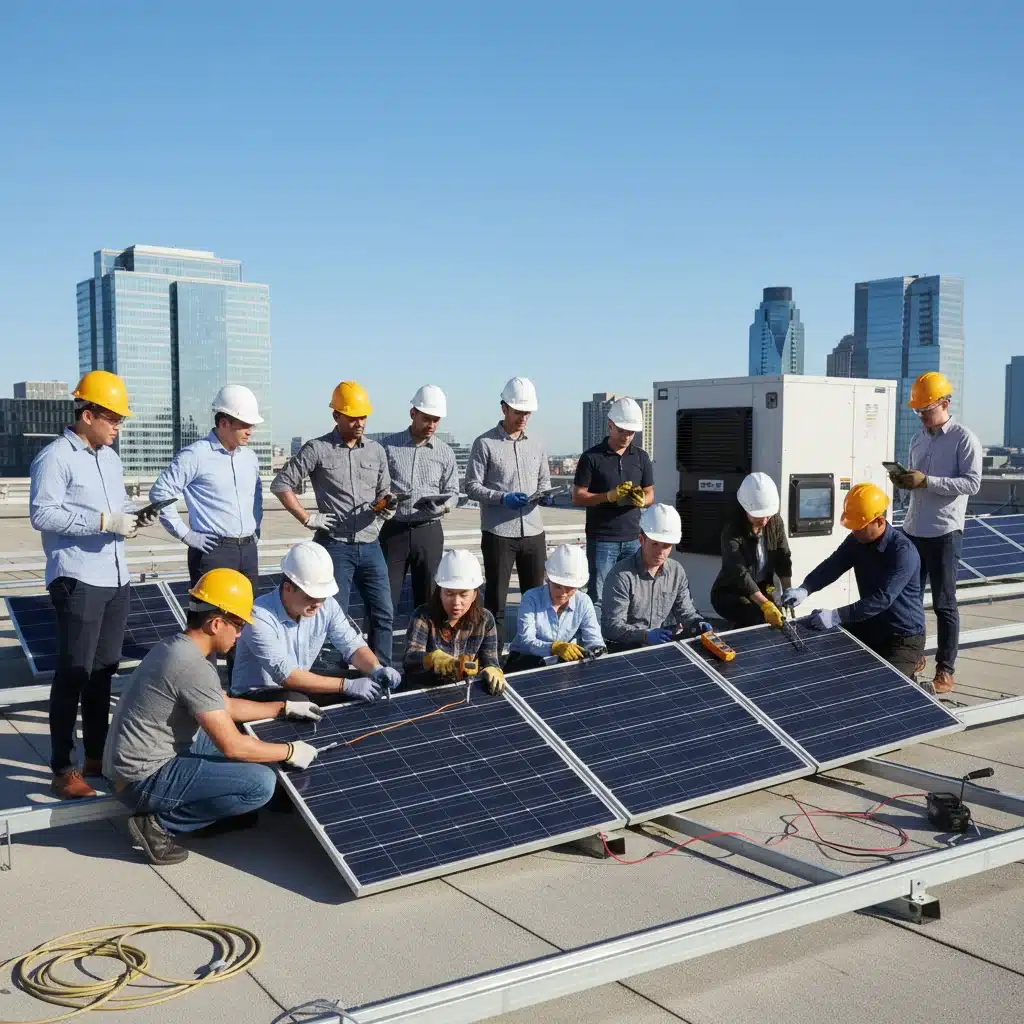
- Solar PV Design & Installation Specialist: With solar power booming, experts in designing efficient solar systems and overseeing their installation are in high demand. This role requires knowledge of electrical systems, structural considerations, and local regulations. Certifications from organizations like NABCEP (North American Board of Certified Energy Practitioners) are highly valued and directly correlate with higher pay.
- Wind Turbine Technician/Engineer: As wind farms grow in size and complexity, the need for skilled technicians to install, maintain, and repair turbines is critical. Engineers specializing in aerodynamics, structural integrity, and operational efficiency are also highly sought after. This is a physically demanding but financially rewarding career path.
- Energy Storage Systems Engineer: Battery storage is a game-changer for grid stability and renewable energy integration. Engineers who can design, implement, and optimize these complex systems are at the forefront of innovation and command premium salaries. This includes expertise in battery chemistry, power electronics, and grid integration.
- Smart Grid & Energy Data Analyst: The modern energy grid is increasingly digital and data-driven. Professionals who can analyze vast amounts of energy data to optimize consumption, predict demand, and manage grid stability are invaluable. Skills in data science, machine learning, and cybersecurity are paramount here.
- Environmental, Social, and Governance (ESG) Analyst/Consultant: While not purely technical, ESG roles are booming within the clean energy finance and corporate sustainability space. Companies need experts to assess and report on their environmental impact, social responsibility, and governance practices, often with a strong focus on renewable energy investments.
Each of these roles benefits immensely from targeted clean energy upskilling. The financial impact comes from filling a critical skills gap in a rapidly expanding industry, making your expertise indispensable and highly valued.
Essential Courses and Certifications for a 15% Salary Boost by 2026
Achieving a 15% salary boost by 2026 through clean energy upskilling requires a strategic approach to education. Not all courses are created equal; focusing on industry-recognized certifications and practical, in-demand skills is key. Here are the essential categories of courses and specific certifications to consider:
1. Renewable Energy Technologies (Solar, Wind, Geothermal, Hydro)
-
Solar Photovoltaic (PV) Design and Installation:
- Courses: Look for comprehensive courses covering PV system components, site assessment, system sizing, electrical design, installation techniques, safety protocols, and commissioning. Many universities and technical schools offer these.
- Certifications: The NABCEP PV Installation Professional Certification or NABCEP PV Design Specialist Certification are gold standards in North America. Similar certifications exist globally (e.g., MCS in the UK, various national electrical standards). These demonstrate a high level of competency and are often required for certain roles or project eligibility.
-
Wind Energy Fundamentals and Turbine Maintenance:
- Courses: Focus on wind resource assessment, turbine technology (types, components), operational principles, safety procedures, and maintenance practices.
- Certifications: Global Wind Organisation (GWO) Basic Safety Training (BST) is essential for anyone working on wind turbines. Advanced technical certifications focusing on specific turbine models or maintenance specializations (e.g., hydraulics, electrical systems) are also highly beneficial.
-
Hydropower and Geothermal Energy:
- Courses: While perhaps less common than solar and wind, specialized courses in these areas can be highly rewarding, especially in regions with abundant resources. These would cover principles of operation, plant design, environmental impact, and regulatory frameworks.
- Certifications: Specific certifications are less standardized but look for programs offered by engineering associations or specialized energy institutes.
2. Energy Storage Systems (ESS) and Grid Integration
-
Battery Storage Systems Design and Implementation:
- Courses: These should cover battery chemistries (Li-ion, flow batteries, etc.), power electronics (inverters, converters), battery management systems (BMS), safety considerations, and grid interconnection standards.
- Certifications: Specialized certifications from organizations like NABCEP for Energy Storage Systems or vendor-specific training programs (e.g., Tesla Powerwall installer certification) are becoming increasingly important.
-
Smart Grid Technology and Microgrids:
- Courses: Focus on advanced metering infrastructure (AMI), demand response, grid modernization, cybersecurity for critical infrastructure, and the design and operation of microgrids.
- Certifications: While no single dominant certification exists, programs from IEEE (Institute of Electrical and Electronics Engineers) or university-level courses in smart grid engineering are highly respected.
3. Energy Efficiency and Management
-
Certified Energy Manager (CEM):
- Courses: The Association of Energy Engineers (AEE) offers the CEM program, which covers energy auditing, energy efficiency measures in buildings and industrial processes, measurement and verification (M&V), and financial analysis of energy projects.
- Impact: A CEM certification is widely recognized and can significantly boost your credibility and earning potential, especially in roles focused on reducing energy consumption for commercial and industrial clients.
-
Building Performance & Green Building Certifications:
- Courses: Programs like LEED (Leadership in Energy and Environmental Design) Green Associate or WELL AP focus on sustainable building design, construction, and operations.
- Impact: These are crucial for professionals in architecture, construction, and facilities management looking to specialize in sustainable development.
4. Data Analytics, AI, and Machine Learning for Energy
-
Energy Data Science:
- Courses: These programs teach how to apply data science principles (Python, R, SQL, statistical modeling) to energy-specific problems, such as predicting renewable energy generation, optimizing grid operations, or analyzing energy consumption patterns.
- Impact: Data is the new oil, and professionals who can extract insights from energy data are incredibly valuable. This is a rapidly growing field with high salary potential.
-
AI/ML in Renewable Energy Optimization:
- Courses: Focus on how artificial intelligence and machine learning algorithms can enhance the efficiency and reliability of renewable energy systems, from predictive maintenance for wind turbines to optimizing solar farm layouts.
- Impact: These skills are at the cutting edge of clean energy innovation and are highly sought after by R&D departments, technology companies, and major utilities.
5. Project Management & Finance in Clean Energy
-
Certified Associate in Project Management (CAPM) / Project Management Professional (PMP):
- Courses: While not specific to clean energy, PMI certifications are universally recognized and essential for managing complex clean energy projects on time and within budget. Many clean energy projects are large-scale and require robust project management.
- Impact: A PMP can significantly increase your salary and open doors to senior project leadership roles in the clean energy sector.
-
Renewable Energy Finance & Investment:
- Courses: These cover financial modeling for renewable energy projects, understanding power purchase agreements (PPAs), tax equity structures, project finance, and green bonds.
- Impact: Professionals with this financial expertise are critical for securing funding and ensuring the economic viability of clean energy initiatives, making them highly paid in investment firms, development companies, and utilities.
By carefully selecting and completing courses and certifications from these categories, you can build a robust skill set that directly addresses the current and future needs of the clean energy market, paving the way for that significant salary increase.
Strategic Pathways to Maximizing Your Salary Boost
Acquiring new skills through clean energy upskilling is only half the battle; the other half is strategically applying them to maximize your financial return. Here’s how to ensure your investment in education translates into a 15% (or more) salary boost by 2026:
1. Identify Your Niche and Specialize
The clean energy sector is vast. Instead of trying to be a generalist, identify a specific niche where your existing skills can be leveraged and enhanced with clean energy knowledge. For example, if you’re an IT professional, specializing in smart grid cybersecurity or energy data analytics will be more impactful than simply learning about solar panels. Specialization makes you a go-to expert, which commands a higher premium.
2. Network Extensively within the Clean Energy Community
Attend industry conferences, webinars, and local meetups. Join professional organizations like the American Solar Energy Society (ASES), the American Wind Energy Association (AWEA), or the Association of Energy Engineers (AEE). Networking provides insights into emerging trends, unadvertised job opportunities, and connections to key decision-makers. Often, the best roles are found through referrals, not job boards.
3. Gain Practical Experience (Even if Unpaid Initially)
Certifications are great, but hands-on experience is invaluable. Look for internships, volunteer opportunities, or even small personal projects (e.g., installing a small solar system on your shed, building an energy monitoring system). This practical application of your clean energy upskilling demonstrates competence and commitment, making you a more attractive candidate for higher-paying roles.
4. Tailor Your Resume and Online Presence
Ensure your resume, LinkedIn profile, and any professional portfolios clearly highlight your new clean energy skills, certifications, and any relevant projects. Use keywords prominent in clean energy job descriptions. Quantify your achievements whenever possible (e.g., ‘Reduced energy consumption by X%,’ ‘Managed projects with Y MW capacity’).
5. Be Proactive in Salary Negotiations
Once you have the in-demand skills, don’t be afraid to negotiate for the salary you deserve. Research average salaries for your specialized role in your region. Highlight your unique combination of skills and certifications, emphasizing how they directly contribute to the company’s clean energy goals and bottom line. A 15% salary increase is achievable when you can clearly articulate your value proposition.
6. Continuous Learning and Adaptation
The clean energy landscape is constantly evolving. New technologies, policies, and market dynamics emerge regularly. To sustain your salary advantage and career growth, commit to continuous learning. Stay updated with industry publications, take advanced courses, and consider further certifications as your career progresses. This proactive approach ensures you remain at the forefront of the industry.
Overcoming Challenges and Future-Proofing Your Career
While the opportunities in clean energy are immense, some challenges exist. Transitioning into a new sector can be daunting, and the initial investment in clean energy upskilling requires time and resources. However, the long-term benefits far outweigh these hurdles. To future-proof your career and ensure sustained growth beyond 2026, consider the following:
- Embrace Interdisciplinary Skills: The most successful professionals in clean energy often have a blend of technical, business, and soft skills. Communication, problem-solving, and adaptability are just as important as specific technical knowledge.
- Understand Policy and Regulatory Frameworks: Clean energy is heavily influenced by government policies, incentives, and regulations. A basic understanding of these frameworks can give you a significant advantage, especially in project development and finance roles.
- Focus on Scalable Solutions: As the industry matures, the focus will shift towards scalable, cost-effective solutions. Developing expertise in areas like advanced manufacturing for renewables, grid-scale energy storage, or efficient energy management systems will keep you relevant.
- Consider Global Opportunities: The clean energy transition is a global phenomenon. Skills acquired through clean energy upskilling are often highly transferable across different countries, opening up international career prospects and diverse experiences.
- Leverage Digital Transformation: The integration of IoT, AI, and big data is transforming every aspect of the clean energy value chain. Professionals who can bridge the gap between traditional energy systems and cutting-edge digital technologies will be indispensable.
By proactively addressing these areas, you not only secure a 15% salary boost by 2026 but also position yourself for a long, impactful, and financially rewarding career in the clean energy space.
Conclusion: Your Path to a Greener, More Prosperous Future
The clean energy revolution offers an unparalleled opportunity for professionals to significantly advance their careers and financial standing. The demand for skilled individuals in areas ranging from renewable energy project management and installation to energy storage, smart grids, and data analytics is skyrocketing. By strategically investing in clean energy upskilling through targeted courses and industry-recognized certifications, you can position yourself as an invaluable asset in this rapidly expanding sector.
The promise of a 15% salary boost by 2026 is not just an aspiration; it’s a realistic outcome for those who commit to continuous learning and adaptation. Remember to identify your niche, network extensively, gain practical experience, and confidently negotiate your worth. The challenges of transitioning are minor compared to the immense rewards of contributing to a sustainable future while simultaneously securing a more prosperous one for yourself. Start your clean energy upskilling journey today and become a key player in the green economy of tomorrow.