US Clean Energy Adoption Surges 10% in Three Months: EIA Data Reveals
The landscape of energy consumption and production in the United States is undergoing a profound transformation. Recent data from the United States Energy Information Administration (EIA) has unveiled a remarkable and encouraging trend: a 10% increase in clean energy adoption over just the past three months. This significant surge underscores a pivotal moment in the nation’s energy transition, signaling accelerated progress towards a more sustainable and environmentally friendly future. This blog post will delve into the details of the EIA’s findings, explore the underlying factors contributing to this rapid growth, and discuss the far-reaching implications for the economy, environment, and energy policy.
Understanding the EIA’s Latest Report on Clean Energy Adoption
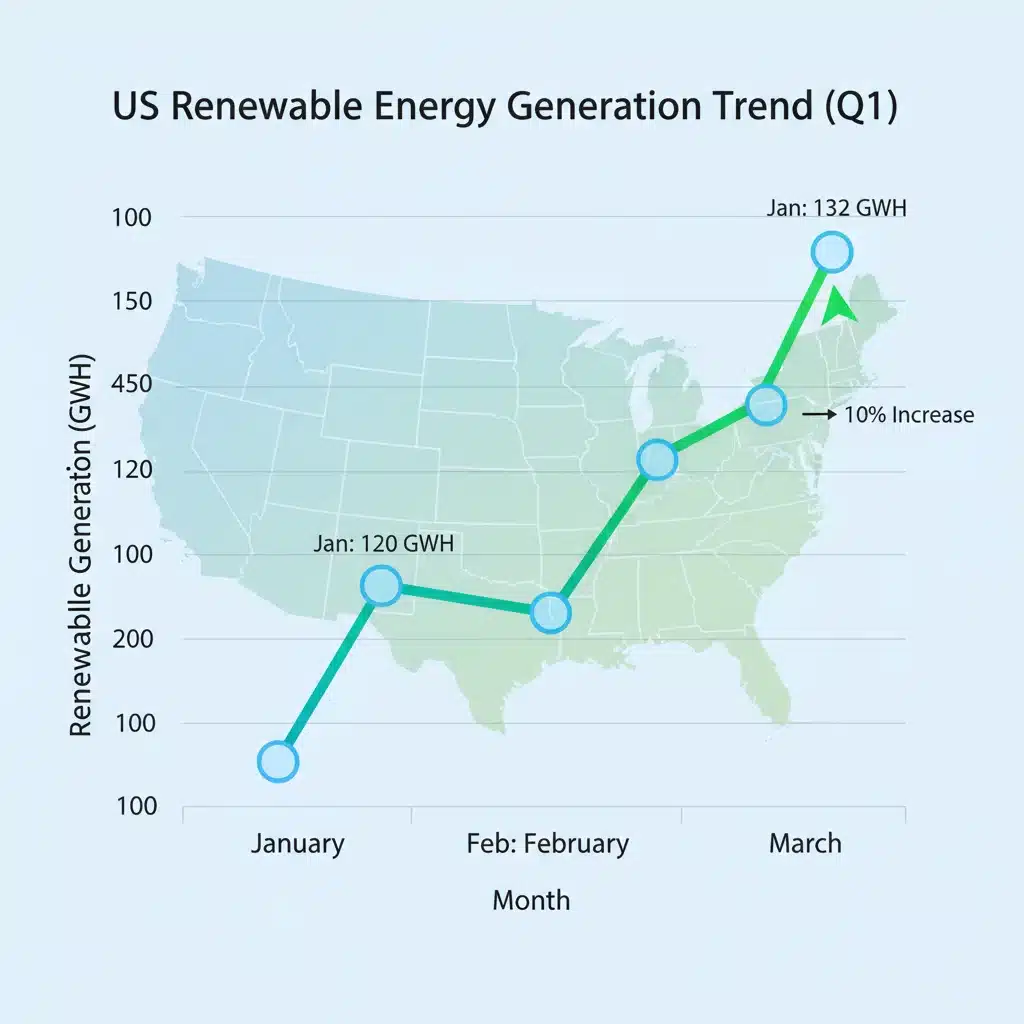
The United States Energy Information Administration (EIA) serves as the principal agency of the U.S. Federal Statistical System responsible for collecting, analyzing, and disseminating independent energy information to promote sound policymaking, efficient markets, and public understanding of energy and its interaction with the economy and the environment. Their latest report has brought to light an unprecedented acceleration in the rate of clean energy adoption across the nation. Specifically, the data indicates a 10% increase in the share of electricity generated from renewable sources, as well as a broader uptake of clean energy technologies, within a mere three-month span.
This isn’t just about a marginal improvement; it represents a substantial leap forward. The report meticulously details the contributions of various clean energy sources, including solar, wind, hydropower, geothermal, and biomass. It also highlights the growing integration of energy storage solutions and the increasing electrification of transportation and industrial sectors, all contributing to this impressive growth in clean energy adoption. The methodology employed by the EIA ensures a comprehensive and accurate picture, drawing from a vast array of data points spanning utility-scale projects, distributed generation, and consumer-level engagement.
Such rapid growth is a testament to the confluence of technological advancements, supportive policies, and shifting consumer preferences. For years, experts have predicted a gradual shift, but the current data suggests that the pace is quickening, potentially even outperforming earlier projections. This rapid uptick in clean energy adoption indicates a robust and maturing clean energy sector, capable of delivering substantial contributions to the nation’s energy mix.
Key Drivers Behind the Accelerated Clean Energy Adoption
Several critical factors have converged to fuel this accelerated rate of clean energy adoption. Understanding these drivers is essential to appreciating the momentum behind the energy transition and predicting its future trajectory.
Technological Advancements and Cost Reductions
Perhaps the most significant catalyst has been the dramatic improvement in clean energy technologies, coupled with equally dramatic cost reductions. Solar photovoltaic (PV) panels, for instance, have seen their costs plummet by over 80% in the last decade, making solar power increasingly competitive with traditional fossil fuels. Similarly, wind turbine technology has advanced significantly, leading to larger, more efficient turbines that can capture more energy at lower operational costs. These technological leaps have not only made clean energy more accessible but also more economically viable for both utility-scale projects and residential installations, directly impacting the rate of clean energy adoption.
Advances in battery storage technology are also playing a crucial role. The ability to store excess renewable energy and dispatch it when needed addresses the intermittency challenge inherent in solar and wind power. As battery costs continue to fall and efficiency improves, the integration of renewables into the grid becomes smoother and more reliable, further boosting clean energy adoption.
Supportive Government Policies and Incentives
Government policies at both federal and state levels have been instrumental in fostering an environment conducive to clean energy adoption. Tax credits, grants, and rebates for renewable energy installations have significantly reduced the upfront costs for businesses and homeowners. Renewable Portfolio Standards (RPS) in many states mandate that a certain percentage of electricity come from renewable sources, creating a consistent demand for clean energy generation.
Furthermore, recent legislative actions, such as those aimed at promoting infrastructure development and clean energy manufacturing, have provided long-term certainty for investors and developers, stimulating further investment in the sector. These policy frameworks create a stable and predictable market, encouraging innovation and expansion in clean energy adoption efforts.
Growing Corporate and Consumer Demand
Beyond government mandates, there’s a palpable shift in corporate and consumer attitudes. Businesses are increasingly committing to sustainability goals, often pledging to power their operations entirely with renewable energy. This is driven by a combination of corporate social responsibility, brand enhancement, and the recognition of long-term economic benefits. Large corporations entering into power purchase agreements (PPAs) for renewable energy are a significant force in driving new project development and accelerating clean energy adoption.
Consumers, too, are playing their part. A heightened awareness of climate change and environmental issues has led to a greater demand for green products and services, including residential solar panels, electric vehicles, and energy-efficient appliances. This grassroots demand creates a powerful market signal that reinforces the move towards clean energy adoption.
Geographical Breakdown: Where is Clean Energy Adoption Surging?
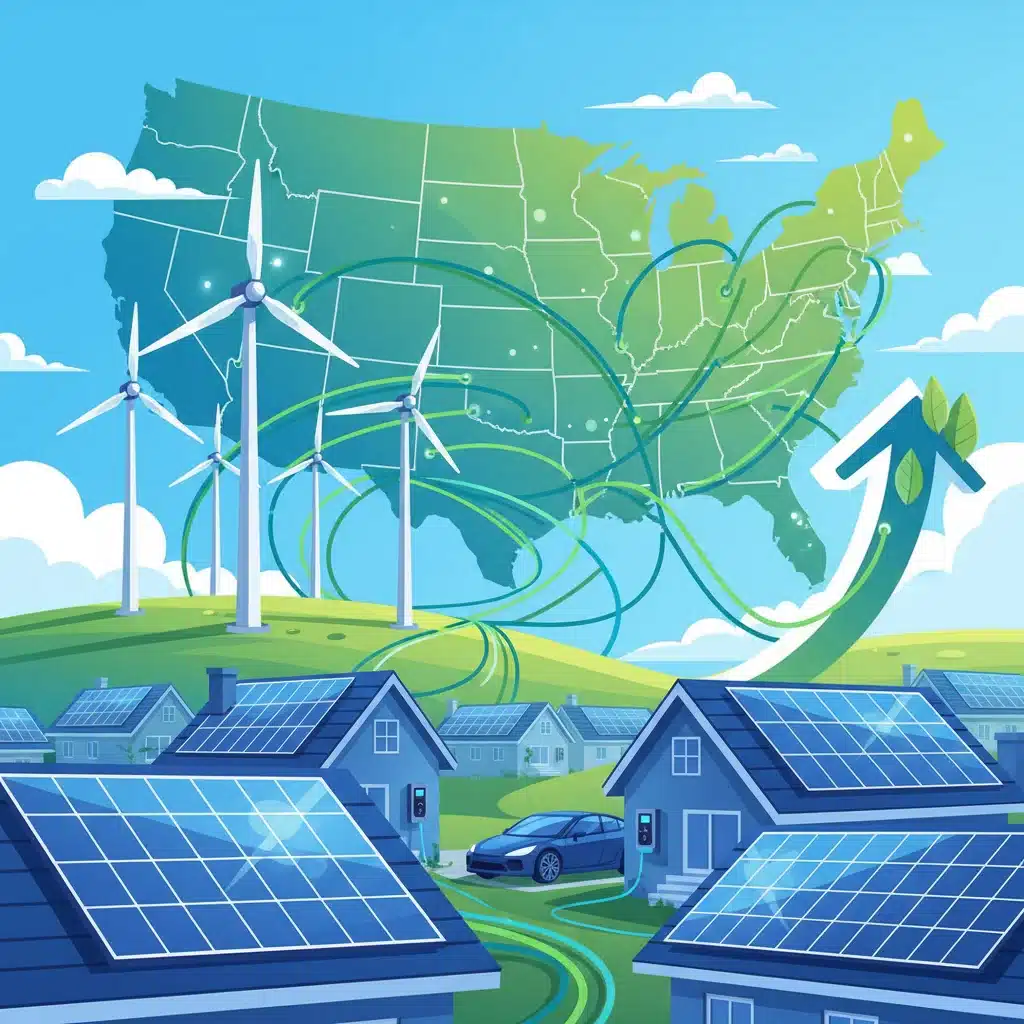
While the 10% increase in clean energy adoption is a national average, the EIA report also provides a fascinating geographical breakdown, revealing regional leaders and areas with significant potential for future growth. This granular data helps to understand the localized impacts and the specific drivers at play in different parts of the country.
Leading States and Regions
Certain states and regions are at the forefront of this clean energy revolution. California, Texas, and New York consistently rank high in terms of installed renewable capacity and ongoing projects. California’s ambitious renewable energy mandates and favorable solar resources have made it a national leader in solar power. Texas, surprisingly to some, leads the nation in wind energy capacity, leveraging its vast open spaces and strong wind corridors. The Northeast and Pacific Northwest continue to rely heavily on hydropower, while also expanding their solar and wind portfolios.
These leading regions often benefit from a combination of strong policy support, abundant natural resources (e.g., sunshine, wind, water), and well-established clean energy industries. Their success stories provide valuable blueprints for other states looking to accelerate their own rates of clean energy adoption.
Emerging Hotspots and Future Potential
Beyond the established leaders, the EIA data also points to emerging hotspots where clean energy adoption is rapidly gaining traction. States in the Sun Belt, such as Florida, Arizona, and Nevada, are seeing significant investment in solar energy due to their high solar insolation and growing populations. The Midwest, with its excellent wind resources, is witnessing a surge in wind farm development.
The report also highlights the increasing diversity of clean energy projects, including geothermal in the Western states and biomass in agricultural regions. This geographical diversification indicates a healthy and expanding market for various clean energy technologies, suggesting that the trend of increased clean energy adoption is not confined to a few select areas but is becoming a nationwide phenomenon.
Economic and Environmental Implications of Increased Clean Energy Adoption
The significant rise in clean energy adoption carries profound implications for both the U.S. economy and its environmental footprint. These impacts extend far beyond mere energy production, touching upon job creation, public health, and global climate goals.
Economic Benefits: Job Creation and Investment
The growth of the clean energy sector is a powerful engine for economic development. The EIA data directly correlates increased clean energy adoption with job creation in manufacturing, installation, operations, and maintenance across various renewable energy technologies. These jobs are often localized and provide stable employment opportunities in both urban and rural areas.
Furthermore, investment in clean energy infrastructure stimulates economic activity, attracting capital domestically and internationally. This includes investments in grid modernization, energy storage solutions, and electric vehicle charging networks. The reduced reliance on volatile fossil fuel markets also offers greater energy independence and price stability, benefiting businesses and consumers alike. The economic multiplier effect of clean energy adoption is substantial, contributing to local tax bases and fostering innovation.
Environmental Impact: Reduced Emissions and Improved Air Quality
From an environmental perspective, the accelerated clean energy adoption is a critical step towards mitigating climate change. By displacing electricity generation from fossil fuels, renewables significantly reduce greenhouse gas emissions, particularly carbon dioxide. The 10% increase reported by the EIA translates to a tangible reduction in the nation’s carbon footprint over a short period.
Beyond climate change, increased clean energy generation also leads to improved air quality. Reduced burning of coal and natural gas means lower emissions of harmful pollutants like sulfur dioxide, nitrogen oxides, and particulate matter, which are major contributors to respiratory illnesses and other public health issues. This direct improvement in air quality offers immediate and tangible health benefits to communities, especially those historically burdened by pollution from conventional power plants. The environmental dividends of widespread clean energy adoption are undeniable and far-reaching.
Challenges and Opportunities in Sustaining Clean Energy Growth
While the recent surge in clean energy adoption is highly encouraging, the path forward is not without its challenges. Addressing these hurdles will be crucial for sustaining and further accelerating the clean energy transition. Simultaneously, these challenges also present significant opportunities for innovation and strategic development.
Grid Modernization and Infrastructure Needs
One of the primary challenges is the need for extensive grid modernization. The existing electricity grid, largely designed for centralized fossil fuel power plants, must evolve to accommodate the decentralized and intermittent nature of many renewable energy sources. This requires significant investment in smart grid technologies, advanced transmission lines, and energy storage solutions to ensure reliability and efficiency. Overcoming these infrastructure limitations is paramount for continued clean energy adoption.
Integrating a higher percentage of renewables also necessitates sophisticated grid management systems that can balance supply and demand in real-time. This presents an opportunity for technological innovation in areas like artificial intelligence and machine learning to optimize grid operations and enhance resilience, further facilitating clean energy adoption.
Policy Consistency and Market Stability
Another challenge lies in maintaining consistent policy support and market stability. While current policies have been effective, future shifts in political landscapes could introduce uncertainty for investors and developers. Long-term policy frameworks, regardless of political changes, are essential to provide the confidence needed for continued large-scale investment in clean energy projects. This includes stable tax incentives, clear regulatory pathways, and supportive market mechanisms.
The opportunity here is to establish bipartisan consensus on energy policy, recognizing the economic and environmental benefits of clean energy adoption. Clear, predictable market signals will attract more private capital and accelerate the deployment of clean technologies, ensuring sustained growth.
Supply Chain and Workforce Development
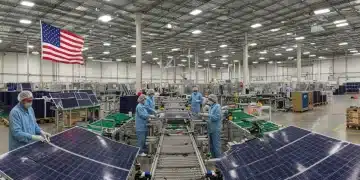
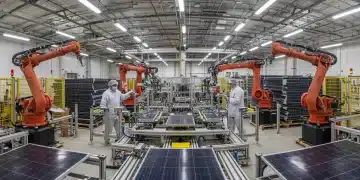
The rapid growth in clean energy adoption also places demands on the supply chain for critical materials and components, as well as on the availability of a skilled workforce. Ensuring a robust and resilient supply chain, potentially through domestic manufacturing initiatives, will be vital to avoid bottlenecks and maintain momentum.
Similarly, investing in workforce development programs and educational initiatives is crucial to train the next generation of engineers, technicians, and installers needed to build and maintain clean energy infrastructure. This presents an opportunity to create high-quality jobs and foster economic growth in communities transitioning away from fossil fuel industries, directly supporting the expansion of clean energy adoption.
The Future Outlook for Clean Energy Adoption in the US
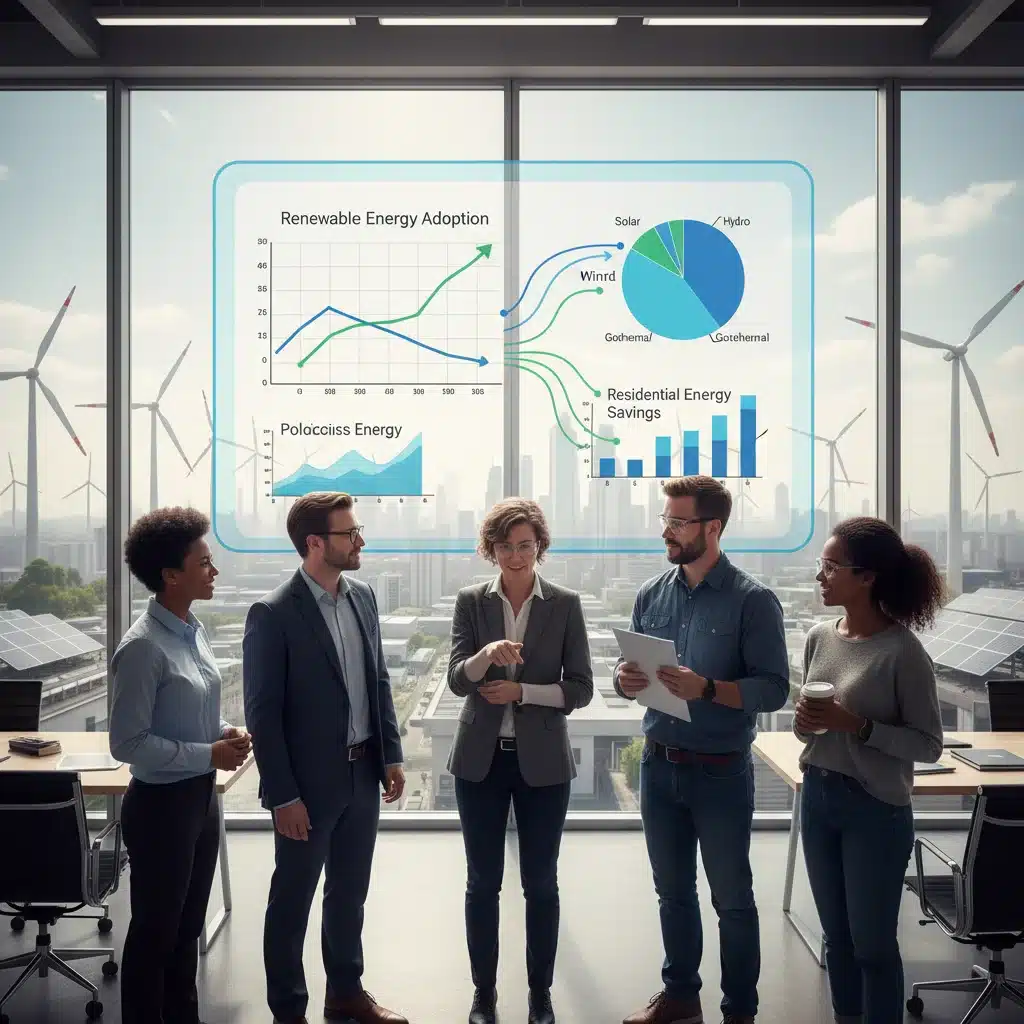
The latest EIA data paints a compelling picture of a dynamic and rapidly evolving energy sector. The 10% increase in clean energy adoption within three months is not just a statistical anomaly; it is indicative of a broader, accelerating trend that is likely to continue and intensify in the coming years.
Continued Growth and Decarbonization Goals
Experts predict that the pace of clean energy adoption will only accelerate, driven by ongoing technological innovation, further cost reductions, and increasingly ambitious decarbonization targets set by both federal and state governments. The U.S. has set ambitious goals to significantly reduce greenhouse gas emissions, and the rapid expansion of clean energy is fundamental to achieving these objectives. We can expect to see a continued shift away from fossil fuels towards a diverse mix of renewables, supported by advanced energy storage and smart grid solutions.
The electrification of various sectors, including transportation (with the rise of electric vehicles) and industrial processes, will also play a crucial role in driving demand for clean electricity, thereby further boosting clean energy adoption.
Innovation and Emerging Technologies
The future of clean energy adoption will also be shaped by emerging technologies. Advances in areas like advanced geothermal systems, small modular nuclear reactors (SMRs), green hydrogen production, and carbon capture utilization and storage (CCUS) could significantly expand the portfolio of clean energy solutions. These innovations promise to address some of the current limitations of renewable energy and provide additional pathways to a fully decarbonized energy system.
Furthermore, digital technologies, including artificial intelligence, blockchain, and advanced analytics, will enhance the efficiency, reliability, and security of clean energy grids, making large-scale clean energy adoption even more feasible and effective.
Global Leadership and Economic Competitiveness
By accelerating clean energy adoption, the United States is not only addressing its environmental responsibilities but also positioning itself as a global leader in the burgeoning clean energy economy. This leadership can translate into significant economic advantages, including the export of clean energy technologies, expertise, and services. Investing in clean energy now can secure long-term economic competitiveness and foster a resilient, future-proof energy system.
The rapid progress highlighted by the EIA report serves as a powerful testament to the nation’s capacity for innovation and its commitment to a sustainable future. It underscores that the transition to clean energy is not just an aspiration but a tangible, accelerating reality with profound positive impacts across society.
Conclusion
The United States Energy Information Administration’s latest data revealing a 10% increase in clean energy adoption over just three months is a landmark indicator of the nation’s accelerating energy transition. This remarkable surge is the result of a powerful combination of technological advancements, significant cost reductions in renewable energy, supportive government policies, and growing demand from both corporations and consumers. The economic benefits, including job creation and increased investment, are substantial, as are the environmental advantages of reduced emissions and improved air quality.
While challenges related to grid modernization, policy consistency, and supply chain development remain, they also represent immense opportunities for innovation and strategic growth. The future outlook for clean energy adoption in the U.S. is overwhelmingly positive, with continued expansion driven by emerging technologies, ambitious decarbonization goals, and a commitment to global leadership in the clean energy sector. This momentum signals a definitive shift towards a more sustainable, resilient, and prosperous energy future for the United States.