Integrating Clean Energy Education in US K-12 by 2026
The global landscape is undergoing a profound transformation, driven by the urgent need to address climate change and transition towards sustainable energy sources. At the forefront of this paradigm shift is the concept of clean energy, which encompasses renewable resources like solar, wind, hydro, and geothermal power. As nations worldwide commit to reducing carbon emissions and fostering environmental stewardship, the role of education becomes paramount. Specifically, preparing the next generation to understand, innovate, and thrive in a clean energy economy is not merely beneficial but essential. This article explores the critical imperative of integrating K-12 clean energy education into United States curricula by 2026, outlining the compelling reasons, potential challenges, and actionable strategies for achieving this ambitious yet vital goal.
The urgency for this integration stems from multiple fronts. Environmentally, a deeper understanding of clean energy can foster a generation that is more conscious of its ecological footprint and equipped to make informed decisions about energy consumption and conservation. Economically, the clean energy sector is a rapidly expanding job market, demanding a skilled workforce ready to innovate and implement new technologies. Socially, an educated populace on clean energy can drive policy changes, encourage community-level initiatives, and contribute to a more sustainable and equitable future for all. By embedding K-12 clean energy education into the core learning experience, we are not just teaching facts; we are cultivating a mindset of innovation, responsibility, and global citizenship.
The Imperative of Clean Energy Literacy for the Next Generation
The transition to a clean energy future is one of the most significant challenges and opportunities of our time. For the United States, a nation with immense technological capabilities and a diverse energy landscape, preparing its youth for this future is non-negotiable. Clean energy literacy goes beyond simply knowing what solar panels are; it involves understanding the science behind renewable energy, the economic implications of energy choices, the policy frameworks that support sustainability, and the societal impact of energy production and consumption. This holistic understanding is crucial for students to become informed citizens, responsible consumers, and innovative professionals in a world increasingly reliant on sustainable solutions.
Without adequate K-12 clean energy education, students may enter higher education or the workforce lacking foundational knowledge in critical areas. They might struggle to grasp complex environmental issues, miss out on emerging career opportunities in green industries, or remain unaware of their potential to contribute to energy solutions. The year 2026 is not an arbitrary deadline; it represents a near-term target to ensure that current elementary, middle, and high school students receive this vital education before they transition into adulthood and begin to actively shape the future. It’s about proactive preparation, not reactive adaptation.
Moreover, the benefits extend beyond individual students. A populace well-versed in clean energy concepts can exert collective pressure for more sustainable practices, support the adoption of renewable technologies, and participate meaningfully in public discourse about energy policy. This societal shift is fundamental to achieving national and global climate goals. Therefore, the integration of K-12 clean energy education is an investment in the intellectual capital and civic engagement necessary for a sustainable future.
Current Landscape of Energy Education in US K-12 Curricula
Currently, energy education in US K-12 curricula is often fragmented and inconsistent. While some states and districts have made commendable strides in incorporating environmental science and sustainability topics, a comprehensive and standardized approach to K-12 clean energy education is largely absent. Energy concepts are typically introduced within science classes, such as physics or environmental science, but the depth, breadth, and practical application of clean energy principles vary significantly.
Many curricula touch upon fossil fuels and their environmental impact, but the focus on renewable energy sources, energy efficiency, and grid modernization is often limited. Furthermore, the interdisciplinary nature of clean energy—encompassing science, technology, engineering, mathematics (STEM), economics, social studies, and even arts—is frequently overlooked. This siloed approach prevents students from developing a holistic understanding of energy systems and their profound connections to various aspects of society.
Another challenge lies in the availability of up-to-date and engaging educational resources. The clean energy sector evolves rapidly, with new technologies and advancements emerging constantly. Keeping curricula and teaching materials current requires ongoing investment and professional development for educators. Without these resources, teachers may struggle to deliver compelling and accurate lessons on contemporary clean energy topics. The goal of integrating K-12 clean energy education by 2026 necessitates a concerted effort to address these existing gaps and create a more robust and uniform educational framework across the nation.
Key Components of a Comprehensive K-12 Clean Energy Curriculum
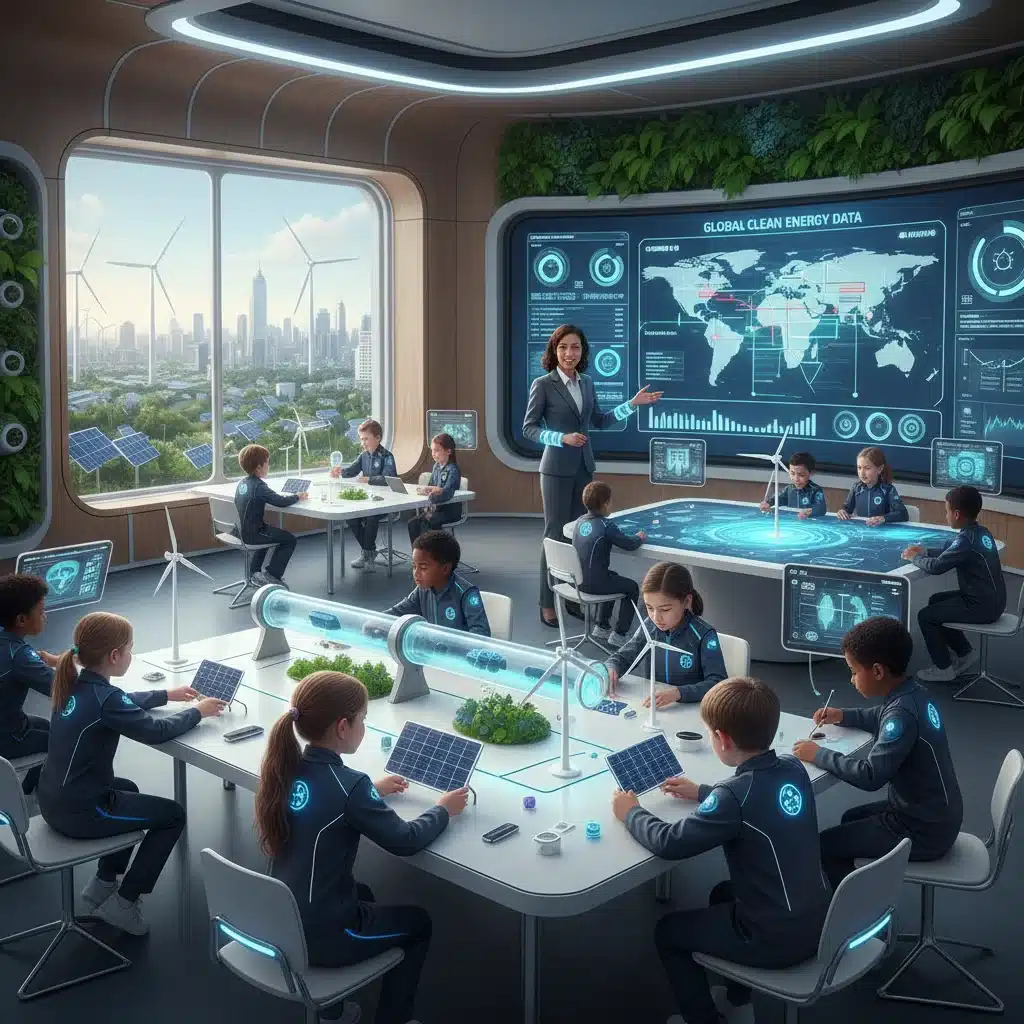
To effectively integrate K-12 clean energy education, a comprehensive curriculum must be developed that is age-appropriate, engaging, and interdisciplinary. Such a curriculum should encompass several key components:
- Foundational Science Principles: Starting in elementary school, students can learn basic concepts of energy, its forms, and transformations. As they progress, they can delve into the physics of renewable energy sources (e.g., how solar panels convert sunlight into electricity, how wind turbines generate power).
- Renewable Energy Technologies: Detailed exploration of various clean energy technologies, including solar photovoltaics, concentrated solar power, wind power (onshore and offshore), hydropower, geothermal energy, biomass, and emerging technologies like tidal and wave energy. This should include their operational principles, advantages, disadvantages, and real-world applications.
- Energy Efficiency and Conservation: Education on reducing energy consumption through efficient practices and technologies in homes, schools, transportation, and industry. This component is crucial for empowering students to make immediate, tangible impacts.
- Energy Storage and Grid Modernization: Understanding the importance of energy storage solutions (e.g., batteries, pumped hydro) for grid stability and the concept of smart grids that integrate various energy sources and manage demand efficiently.
- Environmental Impact and Climate Change: Connecting energy choices to their environmental consequences, including greenhouse gas emissions, air and water pollution, and climate change. Discussing the role of clean energy in mitigating these impacts.
- Economic and Policy Aspects: Exploring the economic benefits of the clean energy sector, job creation, and the role of government policies, incentives, and regulations in promoting renewable energy adoption.
- Social Equity and Energy Justice: Addressing how energy systems impact different communities, particularly marginalized populations, and the importance of ensuring equitable access to clean energy and its benefits.
- Career Pathways in Clean Energy: Highlighting diverse career opportunities in engineering, research, manufacturing, installation, maintenance, policy, and entrepreneurship within the clean energy industry.
This structured approach ensures that students build knowledge progressively, allowing them to grasp increasingly complex concepts as they mature. The curriculum should also emphasize hands-on activities, project-based learning, and real-world case studies to make the learning experience dynamic and relevant.
Strategies for Effective Integration by 2026
Achieving the ambitious goal of integrating K-12 clean energy education by 2026 requires a multi-faceted approach involving collaboration among various stakeholders. Here are key strategies:
1. Curriculum Development and Standardization
A national framework or set of guidelines for K-12 clean energy education should be developed, providing states and districts with a roadmap for curriculum integration. This framework should be flexible enough to accommodate local contexts while ensuring a baseline level of clean energy literacy across the country. Expert panels comprising educators, scientists, engineers, and energy policy specialists should lead this effort, drawing upon best practices from around the globe.
2. Professional Development for Educators
Teachers are at the heart of any educational reform. Many K-12 educators may not have formal training in clean energy concepts. Therefore, robust and ongoing professional development programs are essential. These programs should equip teachers with the necessary content knowledge, pedagogical strategies for teaching complex energy topics, and resources for hands-on activities. Workshops, online courses, and partnerships with universities and clean energy companies can facilitate this training. Incentives for participation, such as stipends or continuing education credits, would also be beneficial.
3. Development of Engaging Educational Resources
High-quality, age-appropriate, and engaging educational materials are crucial. This includes textbooks, digital learning platforms, interactive simulations, laboratory kits, and project-based learning modules. Resources should be regularly updated to reflect advancements in clean energy technologies and understanding. Collaboration with educational publishers, technology companies, and non-profit organizations specializing in environmental education can accelerate the development and dissemination of these materials.
4. Hands-on Learning and Experiential Opportunities
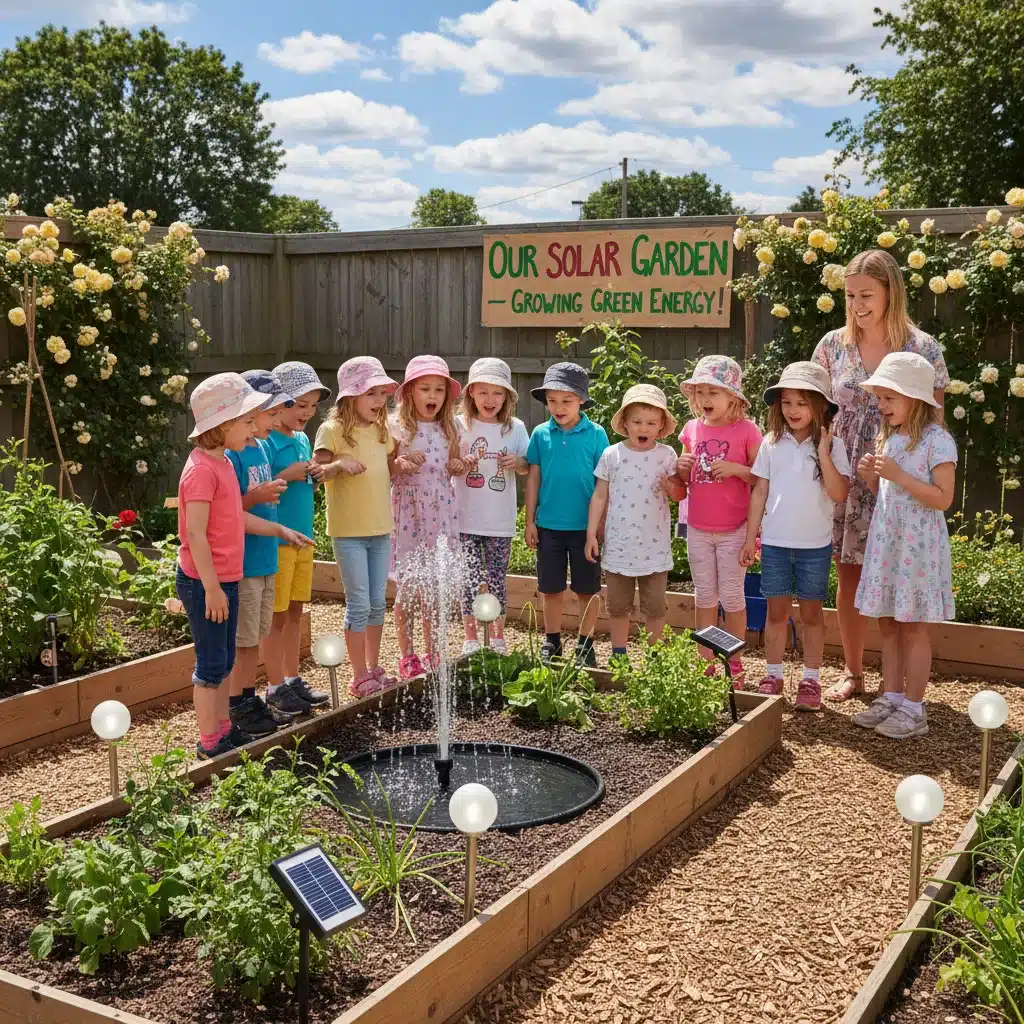
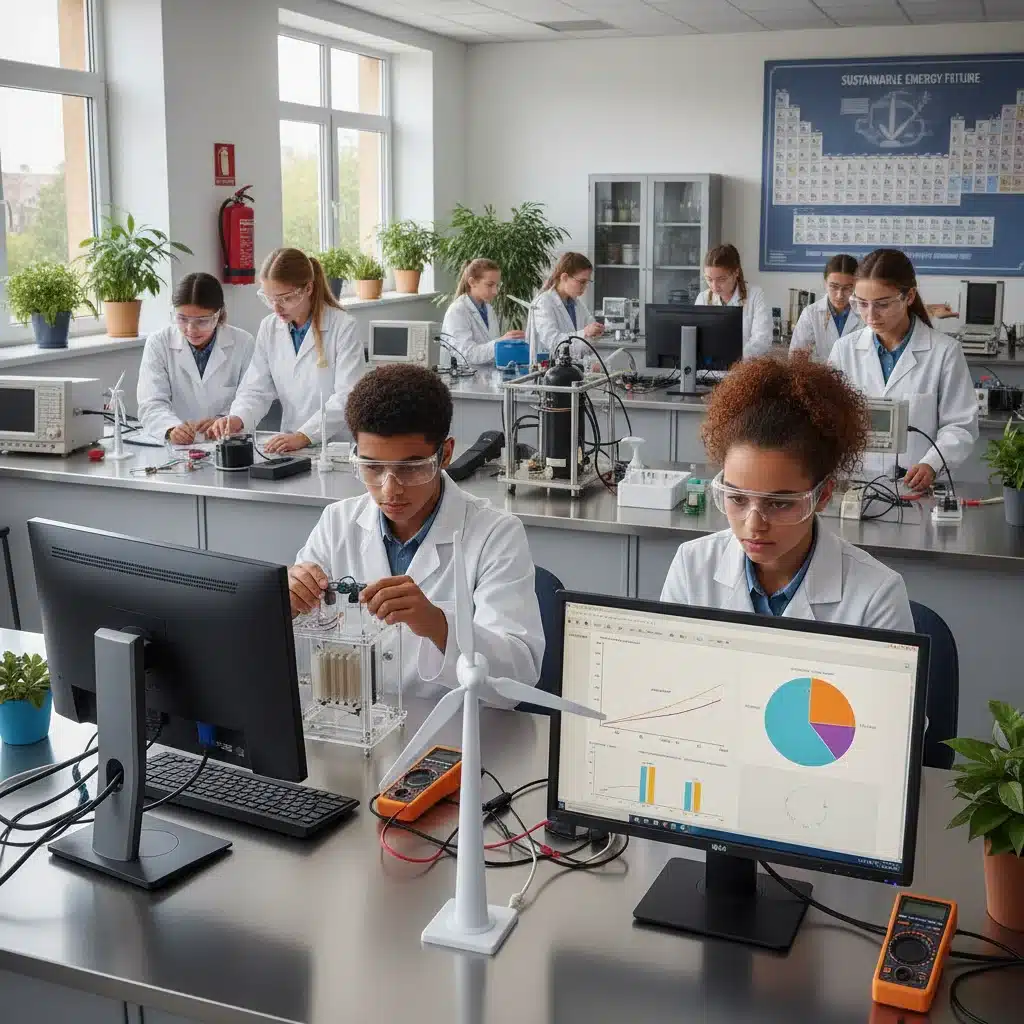
Clean energy concepts are best understood through practical experience. Schools should be encouraged and supported to integrate hands-on learning, such as building miniature solar cars, designing wind turbine models, conducting energy audits of school buildings, or participating in school garden projects that utilize solar power. Field trips to renewable energy facilities (solar farms, wind farms, hydro plants) can provide invaluable real-world exposure. Partnerships with local clean energy businesses can offer internship or mentorship opportunities for older students.
5. Interdisciplinary Approach
Rather than treating clean energy as a standalone subject, it should be woven into various disciplines. In science, it can be integrated into physics, chemistry, and environmental science. In mathematics, students can analyze energy consumption data or calculate the efficiency of renewable systems. In social studies, they can explore the economic, political, and social dimensions of energy policy. Even in language arts, students can research and debate energy issues, developing critical thinking and communication skills. This interdisciplinary approach enhances the relevance and depth of K-12 clean energy education.
6. Policy Support and Funding
Governmental support at federal, state, and local levels is critical. This includes allocating dedicated funding for curriculum development, teacher training, and resource acquisition. Policies that mandate or strongly encourage clean energy education within K-12 systems would provide the necessary impetus for widespread adoption. Grants for schools to implement clean energy projects on campus, such as installing solar panels or improving energy efficiency, can also serve as powerful learning tools.
7. Community and Parental Engagement
Engaging parents and the broader community is vital for reinforcing learning and building support for clean energy initiatives. Schools can host energy fairs, community workshops, or sustainability challenges that involve families. Informing parents about the importance of K-12 clean energy education and its benefits for their children’s future can foster a supportive home learning environment.
Benefits of Early Integration of Clean Energy Concepts
The integration of K-12 clean energy education offers a multitude of benefits that extend far beyond the classroom:
- Enhanced Scientific Literacy: Students develop a stronger understanding of scientific principles related to energy, physics, and environmental systems, fostering a foundation for STEM careers.
- Critical Thinking and Problem-Solving Skills: Addressing complex energy challenges encourages students to think critically, analyze data, and devise innovative solutions.
- Environmental Stewardship: Early exposure to clean energy concepts instills a sense of responsibility towards the environment and promotes sustainable behaviors.
- Career Preparedness: Students gain awareness of and interest in the rapidly growing green economy, preparing them for future job opportunities in renewable energy, energy efficiency, and related fields.
- Informed Citizenship: A knowledgeable populace is better equipped to participate in democratic processes related to energy policy and make informed decisions about societal energy choices.
- Economic Advantages: A workforce trained in clean energy technologies can drive innovation, create jobs, and enhance national competitiveness in the global green economy.
- Reduced Energy Footprint: Students who understand energy efficiency and conservation are more likely to apply these principles in their daily lives, leading to reduced energy consumption in homes and communities.
- Innovation and Creativity: Exposure to cutting-edge clean energy technologies can spark creativity and inspire the next generation of inventors and entrepreneurs.
- Global Competitiveness: A nation with a highly educated workforce in clean energy is better positioned to lead in technological advancements and sustainable development on the world stage.
These benefits collectively underscore the profound positive impact that a robust K-12 clean energy education system can have on individuals, communities, and the nation as a whole. It’s about building a foundation for a resilient and prosperous future.
Challenges and Solutions in Implementation
While the benefits are clear, implementing comprehensive K-12 clean energy education by 2026 will undoubtedly face challenges. Anticipating these and developing proactive solutions will be key to success.
Challenge 1: Teacher Training and Expertise
Many current K-12 teachers may lack specialized knowledge in clean energy. Solution: Develop accessible, high-quality professional development programs, including online modules, summer institutes, and peer-to-peer learning networks. Offer incentives for teachers to participate and become certified in clean energy education. Partner with universities to integrate clean energy into teacher preparation programs.
Challenge 2: Curriculum Overload
Schools often face pressure to cover an extensive range of subjects, leading to concerns about adding new content. Solution: Emphasize an interdisciplinary approach, integrating clean energy concepts into existing subjects rather than creating an entirely new standalone course. Highlight how clean energy education can enhance existing STEM, social studies, and even arts curricula. Demonstrate how it aligns with national educational standards.
Challenge 3: Funding and Resources
Developing new curricula, training teachers, and acquiring hands-on materials can be costly. Solution: Seek federal and state grants specifically for clean energy education initiatives. Foster public-private partnerships with clean energy companies, foundations, and NGOs to secure funding and resources. Encourage schools to apply for grants that support sustainability projects, which often include educational components.
Challenge 4: Keeping Up with Rapid Technological Advancements
The clean energy sector is dynamic, with new technologies emerging frequently. Solution: Design curricula with flexibility, focusing on foundational principles and critical thinking that can adapt to new developments. Establish mechanisms for regular curriculum review and updates (e.g., every 2-3 years). Create a centralized online repository of up-to-date resources for educators.
Challenge 5: Lack of Standardized Metrics and Assessment
Without clear metrics, it’s difficult to assess the effectiveness of clean energy education programs. Solution: Develop clear learning objectives and assessment tools that measure students’ understanding of clean energy concepts and their ability to apply them. Integrate project-based assessments and real-world problem-solving challenges. Track student interest in STEM and clean energy careers.
Challenge 6: Equity and Access
Ensuring that all students, regardless of socioeconomic background or geographic location, have access to quality clean energy education is crucial. Solution: Prioritize funding and resources for underserved communities and rural schools. Develop digital resources that can be accessed remotely. Create partnerships with community centers and libraries to offer supplementary clean energy learning opportunities.
The Path Forward: A Collaborative Effort
Achieving the ambitious target of integrating K-12 clean energy education by 2026 requires a concerted and collaborative effort from all sectors of society. Government agencies, educational institutions, industry leaders, non-profit organizations, and local communities must work in synergy to build a robust and sustainable educational framework. This is not merely an educational reform; it is a societal transformation.
Federal and state governments can provide the necessary policy directives, funding, and infrastructure support. Educational leaders and school administrators must champion the cause, dedicating resources and fostering an environment conducive to innovation in teaching. Teachers, as the frontline implementers, need to be empowered with the knowledge, skills, and resources to bring these concepts to life in the classroom. Industry partners can offer real-world expertise, internship opportunities, and financial support. Parents and community members can advocate for these changes and reinforce learning outside of school.
The year 2026 is rapidly approaching. The time to act is now. By strategically planning, investing wisely, and collaborating effectively, the United States can ensure that its next generation is not only prepared for a clean energy future but also inspired to lead it. Integrating K-12 clean energy education is an investment in a brighter, more sustainable, and prosperous tomorrow.
Let us seize this opportunity to empower our youth with the knowledge and tools they need to tackle the world’s most pressing environmental and energy challenges. The future of our planet, and the prosperity of our nation, depends on the energy literacy of the generations to come. By making K-12 clean energy education a priority, we are laying the groundwork for a more resilient, innovative, and sustainable United States.